

Why using screens to soothe your baby could backfire
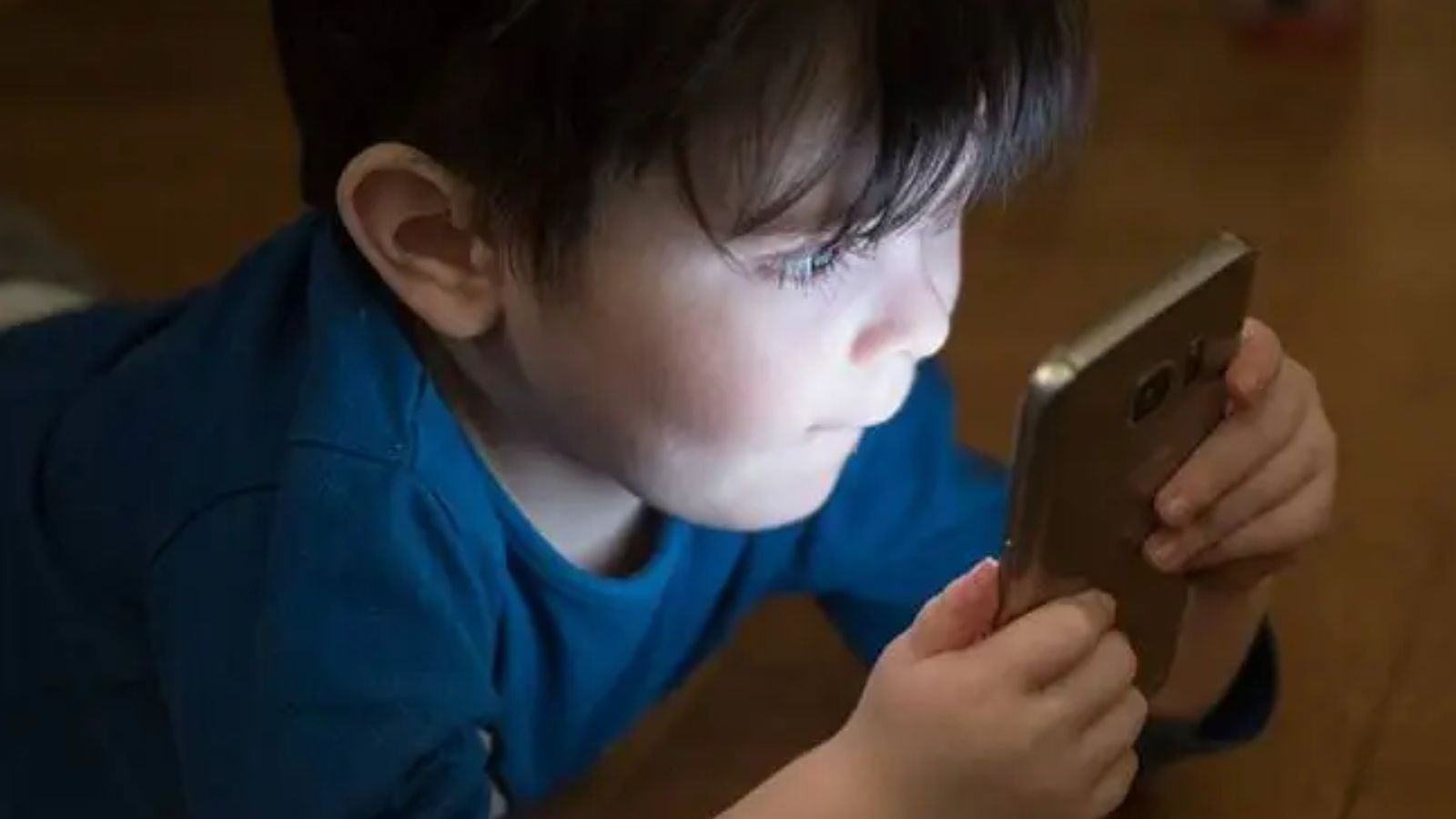
Screen time for babies under two should be avoided, a landmark study says, warning of developmental, sleep and health risks with no proven benefits.
Screen time for babies and toddlers under the age of two should be avoided as it is linked to long-term negative effects on health and quality of life, The Guardian reported, citing a landmark study published in 1001 Critical Days Foundation.
Rafe Clayton, senior lecturer at the University of Leeds and co-leader of the study, said parents, without clear guidance on their own screen use, are unintentionally encouraging unhealthy screen habits in babies. Researchers said there is a ‘baby blind spot’ in public policy, with attention focused on teenagers’ digital habits despite screens becoming a routine part of parenting.
The study urges governments to reconsider their guidance for children under five, which currently advises avoiding screen time for under-twos except for shared activities such as video calls or learning. The study warns that regular use of smartphones, tablets and other digital devices during the first two years of life may lead to developmental concerns.
Researchers also identified several potential risks linked to early screen use, including weaker parent-child bonding, reduced physical play, delayed language development, sleep problems, overstimulation, poorer eye health and a higher risk of childhood obesity. The review raises concerns that babies are increasingly being soothed with digital devices instead of seeking comfort from parents or caregivers.
Although the researchers found no direct causal link between screen use and specific developmental disorders, they concluded that children under two should not receive regular intentional screen time, arguing that it offers no meaningful developmental benefit while potentially increasing risks.
The report also warned that official guidance promoting shared screen time or digital learning for children under two could be misunderstood by parents as an endorsement of screen use, worsening developmental delays in vulnerable children.
Researchers from the universities of Leeds, Leeds Trinity, Loughborough and Aston have called for a national ‘baby screen-time risk assessment’ to help identify families where developmental concerns may be emerging.
Carmen Clayton, professor at Leeds Trinity University and co-author of the study, urged the government to engage better with families while recognising parents’ fears of being judged over screen use.
Former Conservative minister Andrea Leadsom described the findings as a ‘wake-up call’, saying parents should not bear the blame alone and calling for greater support through family hubs and more responsible action from technology companies.
Children’s Commissioner Rachel de Souza defended the existing guidance, saying it supports parental judgement while recognising that limited shared screen use, such as video calls with relatives, is a normal part of modern life.
A Department for Education spokesperson said its guidance provides parents of under-fives with clear and trusted advice on managing children’s screen time.
— with inputs from The Guardian
Stay updated with the latest - Click here to follow us on Instagram
Screen time for babies and toddlers under the age of two should be avoided as it is linked to long-term negative effects on health and quality of life, The Guardian reported, citing a landmark study published in 1001 Critical Days Foundation.
Rafe Clayton, senior lecturer at the University of Leeds and co-leader of the study, said parents, without clear guidance on their own screen use, are unintentionally encouraging unhealthy screen habits in babies. Researchers said there is a ‘baby blind spot’ in public policy, with attention focused on teenagers’ digital habits despite screens becoming a routine part of parenting.
The study urges governments to reconsider their guidance for children under five, which currently advises avoiding screen time for under-twos except for shared activities such as video calls or learning. The study warns that regular use of smartphones, tablets and other digital devices during the first two years of life may lead to developmental concerns.
Researchers also identified several potential risks linked to early screen use, including weaker parent-child bonding, reduced physical play, delayed language development, sleep problems, overstimulation, poorer eye health and a higher risk of childhood obesity. The review raises concerns that babies are increasingly being soothed with digital devices instead of seeking comfort from parents or caregivers.
Although the researchers found no direct causal link between screen use and specific developmental disorders, they concluded that children under two should not receive regular intentional screen time, arguing that it offers no meaningful developmental benefit while potentially increasing risks.
The report also warned that official guidance promoting shared screen time or digital learning for children under two could be misunderstood by parents as an endorsement of screen use, worsening developmental delays in vulnerable children.
Researchers from the universities of Leeds, Leeds Trinity, Loughborough and Aston have called for a national ‘baby screen-time risk assessment’ to help identify families where developmental concerns may be emerging.
Carmen Clayton, professor at Leeds Trinity University and co-author of the study, urged the government to engage better with families while recognising parents’ fears of being judged over screen use.
Former Conservative minister Andrea Leadsom described the findings as a ‘wake-up call’, saying parents should not bear the blame alone and calling for greater support through family hubs and more responsible action from technology companies.
Children’s Commissioner Rachel de Souza defended the existing guidance, saying it supports parental judgement while recognising that limited shared screen use, such as video calls with relatives, is a normal part of modern life.
A Department for Education spokesperson said its guidance provides parents of under-fives with clear and trusted advice on managing children’s screen time.
— with inputs from The Guardian