

What is Iran’s Pickaxe Mountain? The nuclear site Trump says he will attack
Pickaxe Mountain, a deeply buried Iranian nuclear facility near Natanz, has drawn fresh attention after Donald Trump threatened possible US strikes.
US President Donald Trump has threatened to strike Iran’s heavily fortified nuclear facility known as “Pickaxe Mountain”, putting renewed focus on one of Tehran’s most secretive underground sites that experts say is designed to withstand conventional bunker-buster bombs.
After warnings were issued from the White House, a series of questions started to emanate regarding the nature of the nuclear site Pickaxe Mountain, which, according to an Al Jazeera report, is one of the most heavily protected facilities in Iran.
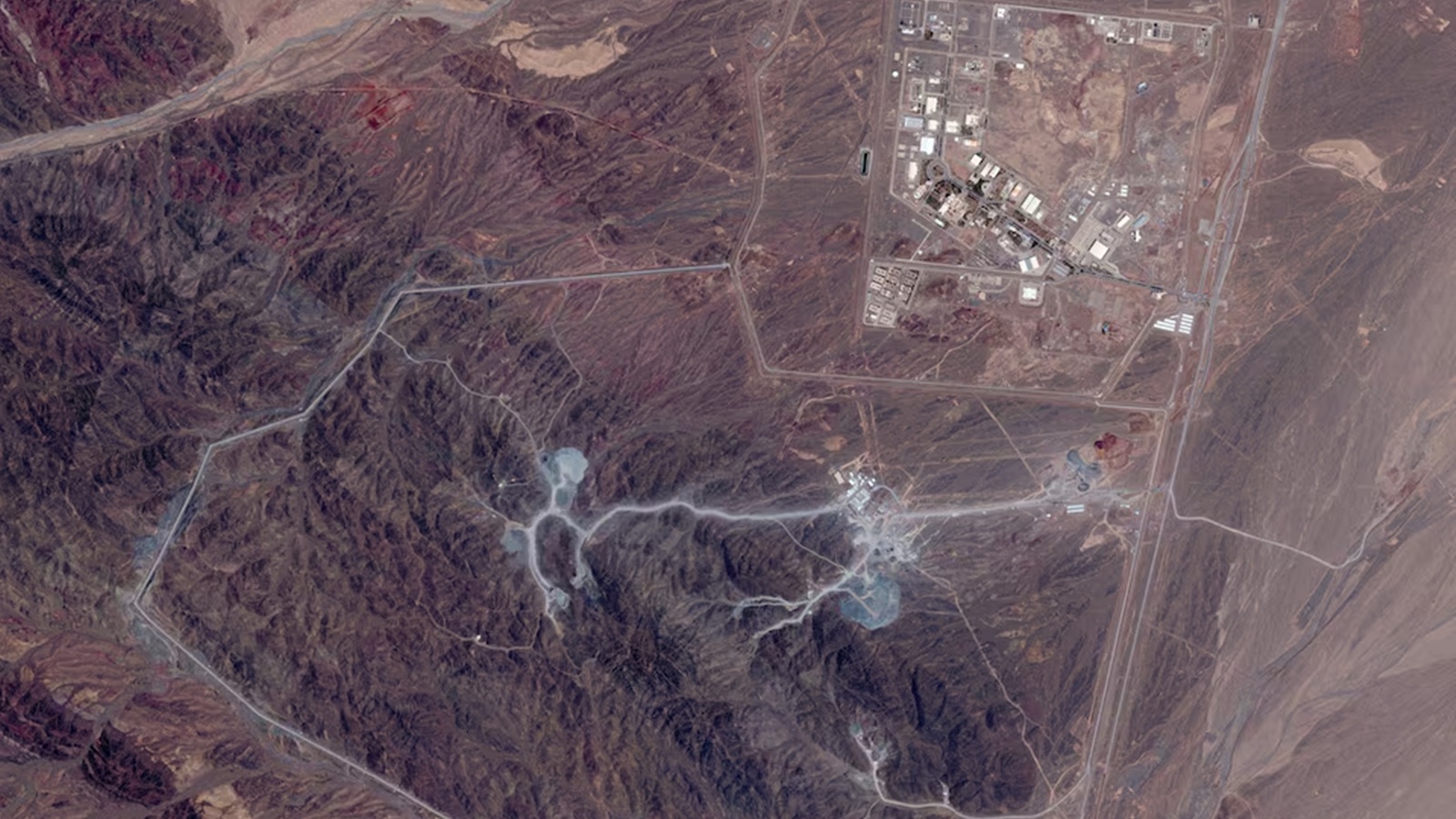
Pickaxe Mountain, also known as Kūh-e Kolang Gaz Lā, is a deeply buried underground nuclear facility under construction near Iran’s main uranium enrichment complex at Natanz.
It has emerged as one of the most closely watched sites in Iran’s nuclear programme after US President Donald Trump threatened to target it in fresh remarks this week.
It lies about 1.5 km south of the Natanz nuclear facility in central Iran. The site is dug into a mountain in the Zagros range, making it far more protected than Iran’s existing underground facilities.
Satellite imagery analysed by independent experts suggests Iran has been excavating two large tunnel complexes beneath the mountain since around 2020, The National reported, citing analysts.
IRAN FIRES NEW WAVE OF MISSILES as DEVASTATING US STRIKES continue across the COUNTRY pic.twitter.com/0LaOapY7MW
— RT (@RT_com) July 14, 2026
The site could eventually be used for uranium enrichment, centrifuge assembly, or storing Iran’s stockpile of highly enriched uranium away from air attacks. Iran has not publicly disclosed the site’s exact purpose.
“We’re going to take out Pickaxe Mountain. Tell the Iranians to be ready,” Trump said in an interview on the Hugh Hewitt Show.
The statement marked a significant escalation in Washington’s military campaign launched against Iran in February.
The US President added, “We’re watching (Pickaxe Mountain) closely. We see no activity there. They’re not doing well with their nuclear situation. Every time we hear about it, we blow it up. So they don’t like talking about it. But we’ll probably give Pickaxe a shot relatively soon.”
— Rapid Response 47 (@RapidResponse47) July 13, 2026
Pickaxe Mountain is located south of Tehran near the heavily damaged Natanz nuclear facility.
The site consists of two deeply buried tunnel complexes that are situated within a heavily fortified mountain, and it apparently makes it difficult to attack, Al Jazeera reported.
The United States had targeted Iran’s large ammunition depot in Isfahan city with 900-kilogram bunker-buster bombs in June 2025.
These bombs tend to penetrate hardened targets, yet experts have indicated that tunnels in Pickaxe Mountain are reportedly beyond the reach of these bombs from the US arsenal.
US intelligence reports have suggested that Tehran has been excavating the Pickaxe Mountain facility beneath the solid granite rock in order to shield it from America’s bunker-buster bombs, Al Jazeera reported.
Stay updated with the latest - Click here to follow us on Instagram
US President Donald Trump has threatened to strike Iran’s heavily fortified nuclear facility known as “Pickaxe Mountain”, putting renewed focus on one of Tehran’s most secretive underground sites that experts say is designed to withstand conventional bunker-buster bombs.
After warnings were issued from the White House, a series of questions started to emanate regarding the nature of the nuclear site Pickaxe Mountain, which, according to an Al Jazeera report, is one of the most heavily protected facilities in Iran.
Pickaxe Mountain, also known as Kūh-e Kolang Gaz Lā, is a deeply buried underground nuclear facility under construction near Iran’s main uranium enrichment complex at Natanz.
It has emerged as one of the most closely watched sites in Iran’s nuclear programme after US President Donald Trump threatened to target it in fresh remarks this week.
It lies about 1.5 km south of the Natanz nuclear facility in central Iran. The site is dug into a mountain in the Zagros range, making it far more protected than Iran’s existing underground facilities.
Satellite imagery analysed by independent experts suggests Iran has been excavating two large tunnel complexes beneath the mountain since around 2020, The National reported, citing analysts.
IRAN FIRES NEW WAVE OF MISSILES as DEVASTATING US STRIKES continue across the COUNTRY pic.twitter.com/0LaOapY7MW
— RT (@RT_com) July 14, 2026
The site could eventually be used for uranium enrichment, centrifuge assembly, or storing Iran’s stockpile of highly enriched uranium away from air attacks. Iran has not publicly disclosed the site’s exact purpose.
“We’re going to take out Pickaxe Mountain. Tell the Iranians to be ready,” Trump said in an interview on the Hugh Hewitt Show.
The statement marked a significant escalation in Washington’s military campaign launched against Iran in February.
The US President added, “We’re watching (Pickaxe Mountain) closely. We see no activity there. They’re not doing well with their nuclear situation. Every time we hear about it, we blow it up. So they don’t like talking about it. But we’ll probably give Pickaxe a shot relatively soon.”
— Rapid Response 47 (@RapidResponse47) July 13, 2026
Pickaxe Mountain is located south of Tehran near the heavily damaged Natanz nuclear facility.
The site consists of two deeply buried tunnel complexes that are situated within a heavily fortified mountain, and it apparently makes it difficult to attack, Al Jazeera reported.
The United States had targeted Iran’s large ammunition depot in Isfahan city with 900-kilogram bunker-buster bombs in June 2025.
These bombs tend to penetrate hardened targets, yet experts have indicated that tunnels in Pickaxe Mountain are reportedly beyond the reach of these bombs from the US arsenal.
US intelligence reports have suggested that Tehran has been excavating the Pickaxe Mountain facility beneath the solid granite rock in order to shield it from America’s bunker-buster bombs, Al Jazeera reported.