

Trump defiant after US Supreme Court blocks bid to end birthright citizenship
US President says 'can easily make it up in Congress through legislation', asks it to start work 'today'.
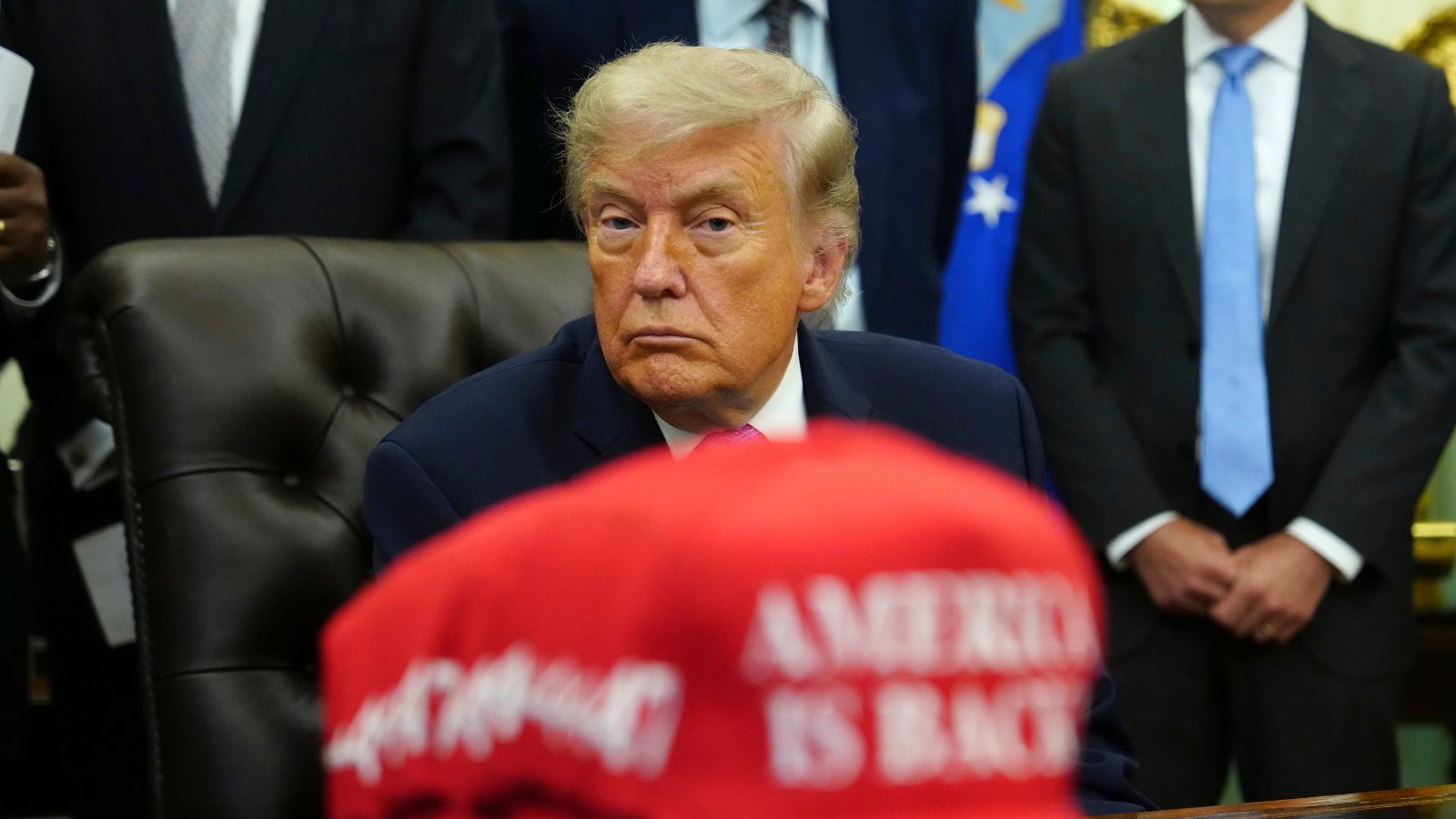
US President Donald Trump urged Congress on Tuesday to end birthright citizenship after the Supreme Court handed his administration a major setback by blocking the attempt to limit citizenship at birth for people born on American soil.
“The Supreme Court upheld Birthright Citizenship, which is too bad for our Country, but we can easily make it up in Congress through Legislation,” Trump wrote in a post on social media.
— Rapid Response 47 (@RapidResponse47) June 30, 2026
The 6-3 ruling, in line with the longstanding judicial interpretation of the 14th Amendment, is the second instance this year that America’s apex court has invalidated a major Trump initiative, following the decision in February to strike down the Trump administration’s global tariffs.
BREAKING: The Supreme Court on Tuesday struck down President Trump’s executive order seeking to end birthright citizenship, reaffirming the more than 100-year-old understanding that nearly all of those born in the United States are citizens. pic.twitter.com/r1sMCdrSQt
— CBS News (@CBSNews) June 30, 2026
A lower court had earlier blocked the Trump administration’s executive order that directed the US agencies not to recognise the US citizenship of children born in the United States if neither parent is an American citizen or legal permanent resident, Reuters reported. The Supreme Court justices upheld the lower court’s verdict on Tuesday.
Citing congressional debate over the amendment, Chief Justice John Roberts wrote, “Citizenship, then and now, was the right to have rights—to freely participate in our political community. The Framers of the Fourteenth Amendment extended that promise to ‘every free-born person in this land.’”
The executive decision issued by Trump on the first day of his second tenure, January 20, 2025, had not taken effect anywhere in the United States as it had been blocked by several lower courts, AP reported.
The US Constitution’s 14th Amendment confers citizenship to those born in the United States, and the challengers to Trump’s executive order argued in court that it violates the language of the amendment.
The challengers added that the US Supreme Court had already settled the birthright citizenship matter in an 1898 case called United States v. Wong Kim Ark, which recognised that the 14th Amendment grants citizenship by birth on US soil, including to the children of foreign nationals, Reuters reported.
“Not surprisingly, then, in the 128 years since, we have repeatedly understood the rule of Wong Kim Ark to guarantee citizenship to all children born in the United States and subject to its power,” Chief Justice Roberts wrote.
The US Supreme Court ruling is a relief for over 5 million Indian Americans currently residing in America, which accounts for nearly 1.47 percent of US’ total population, according to US Census Bureau data.
The census data added that out of 5 million Indian Americans, 34 percent are US born and nearly two-thirds of them are immigrants. If the Trump’s executive order had prevailed, majority of Indians working in US on work visa (for example H-1B) would have been in a soup as children born to Indian-origin couples in the country wouldn’t have been granted automatic citizenship.
Stay updated with the latest - Click here to follow us on Instagram
US President Donald Trump urged Congress on Tuesday to end birthright citizenship after the Supreme Court handed his administration a major setback by blocking the attempt to limit citizenship at birth for people born on American soil.
“The Supreme Court upheld Birthright Citizenship, which is too bad for our Country, but we can easily make it up in Congress through Legislation,” Trump wrote in a post on social media.
— Rapid Response 47 (@RapidResponse47) June 30, 2026
The 6-3 ruling, in line with the longstanding judicial interpretation of the 14th Amendment, is the second instance this year that America’s apex court has invalidated a major Trump initiative, following the decision in February to strike down the Trump administration’s global tariffs.
BREAKING: The Supreme Court on Tuesday struck down President Trump’s executive order seeking to end birthright citizenship, reaffirming the more than 100-year-old understanding that nearly all of those born in the United States are citizens. pic.twitter.com/r1sMCdrSQt
— CBS News (@CBSNews) June 30, 2026
A lower court had earlier blocked the Trump administration’s executive order that directed the US agencies not to recognise the US citizenship of children born in the United States if neither parent is an American citizen or legal permanent resident, Reuters reported. The Supreme Court justices upheld the lower court’s verdict on Tuesday.
Citing congressional debate over the amendment, Chief Justice John Roberts wrote, “Citizenship, then and now, was the right to have rights—to freely participate in our political community. The Framers of the Fourteenth Amendment extended that promise to ‘every free-born person in this land.’”
The executive decision issued by Trump on the first day of his second tenure, January 20, 2025, had not taken effect anywhere in the United States as it had been blocked by several lower courts, AP reported.
The US Constitution’s 14th Amendment confers citizenship to those born in the United States, and the challengers to Trump’s executive order argued in court that it violates the language of the amendment.
The challengers added that the US Supreme Court had already settled the birthright citizenship matter in an 1898 case called United States v. Wong Kim Ark, which recognised that the 14th Amendment grants citizenship by birth on US soil, including to the children of foreign nationals, Reuters reported.
“Not surprisingly, then, in the 128 years since, we have repeatedly understood the rule of Wong Kim Ark to guarantee citizenship to all children born in the United States and subject to its power,” Chief Justice Roberts wrote.
The US Supreme Court ruling is a relief for over 5 million Indian Americans currently residing in America, which accounts for nearly 1.47 percent of US’ total population, according to US Census Bureau data.
The census data added that out of 5 million Indian Americans, 34 percent are US born and nearly two-thirds of them are immigrants. If the Trump’s executive order had prevailed, majority of Indians working in US on work visa (for example H-1B) would have been in a soup as children born to Indian-origin couples in the country wouldn’t have been granted automatic citizenship.