
As Iran, US reach peace deal, a look at decades-long nuclear standoff
Confirming the deal, US President Donald Trump said that Washington would end its naval blockade on traffic through Iranian ports, marking the biggest breakthrough in months of negotiations.
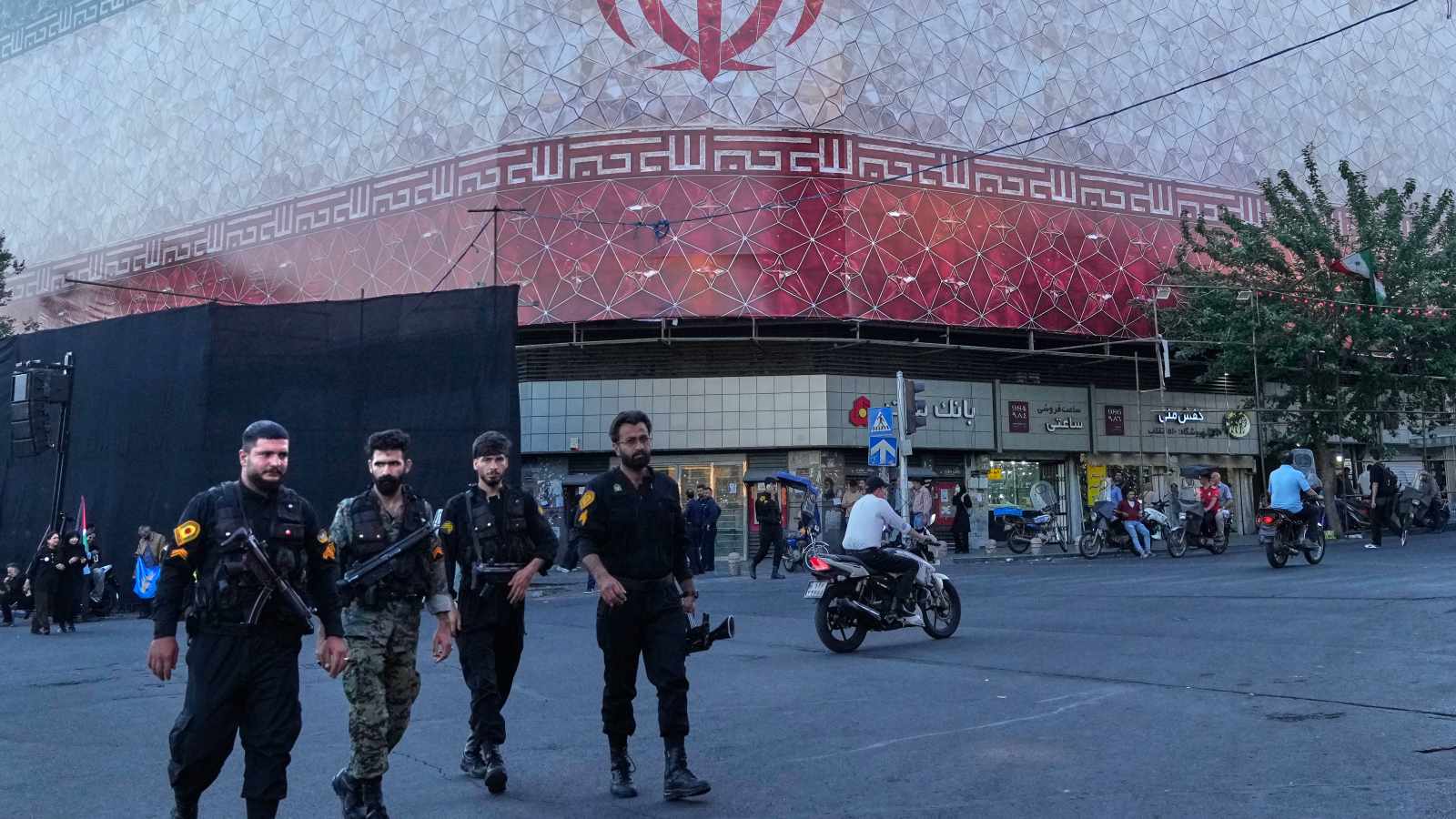
The United States and Iran Sunday agreed to end the three-and-a-half-month war in the Middle East, easing the transit of ships through the Strait of Hormuz. Confirming the deal, US President Donald Trump said that Washington would end its naval blockade on traffic through Iranian ports, marking the biggest breakthrough in months of negotiations.
1967 — The programme started with US assistance after America supplied the Tehran Research Reactor supplied under the “Atoms for Peace” initiative.
1979 — Amid protests, US ally Shah Mohammad Reza Pahlavi, fatally ill, fled Iran, paving the way for Ayatollah Ruhollah Khomeini’s return to Tehran. Khomeini was catapulted to power by the Islamic Revolution, and a 444-day hostage crisis began as the students seized the US Embassy in Tehran, souring US-Iran ties. This also temporarily stalled Iran’s nuclear programme.
2002 — 2003: As intelligence agencies exposed Iran’s secret Natanz nuclear enrichment facility, Britain, France, and Germany engaged with Iran over nuclear negotiations. Under international pressure, Iran suspended uranium enrichment.
2006 — After the election of hard-line president Mahmoud Ahmadinejad, Iran announced the restart of uranium enrichment. Following this, Britain, France, and Germany walked out of stalled negotiations.
2009 — 2012: Ahmadinejad was reelected as the president despite fraud allegations. This triggered widespread protests known as the Green Movement, which met with a violent government crackdown. Later that year, the US and Iran opened a secret back-channel for messages in the sultanate of Oman. In 2012, the Barack Obama-led US and Iranian officials held secret deliberations in Oman.
2015 — International powers and Iran announced a long-term, comprehensive nuclear agreement — Joint Comprehensive Plan of Action — that limited Tehran’s uranium enrichment in exchange for relief in economic sanctions.
2018 — Calling it the “worst deal ever”, US President Donald Trump withdrew the US from the nuclear agreement. He vows to get better terms in a fresh round of negotiations to restrict Iran’s missile development and support for regional militias. However, talks don’t materialise during his first term.
2019 — Iran declared that it would start backing off from the accord. A series of regional attacks on land and at sea followed, which were all blamed on Tehran
2020 — General Qassem Soleimani, the architect of Tehran’s proxy wars in the Middle East, was killed in a US drone attack. Iran retaliated with a barrage of missiles at military bases in Iraq, causing brain injuries to over 100 US service members, said the Pentagon. Iran’s Revolutionary Guard fired at a Ukrainian plane, mistaking it for a US cruise missile, killing all 176 on board. An explosion, blamed on Israel, destroyed a centrifuge production plant at Iran’s Natanz nuclear enrichment facility.
2021 — Iran and the Joe Biden-led US begin indirect negotiations in Vienna over how to restore the nuclear deal. Natanz nuclear site faced a second attack by Israel. Following this, Iran pushed uranium enrichment to 60% purity by April 2021—just a technical step away from weapons-grade 90%.
2023 — As Hamas militants from Gaza stormed into Israel, killing around 1,200 and taking 251 more hostage, Iran lent support to the militants. Regional tensions rose.
2024 — Iran launched direct missile and drone attacks against Israel in April and October 2024. In retaliation, Israel struck air defense systems inside Iran. Israel then assassinated top proxy leaders, including Hamas’s Ismail Haniyeh (inside Tehran) and Hezbollah’s Hassan Nasrallah in Lebanon.
As Trump took over the US President’s office for a second term in January 2025, he tried initiating direct talks. However, diplomacy was stalled despite five rounds of dialogue in Oman and Rome.
The International Atomic Energy Agency (IAEA) found Iran in noncompliance with its nuclear obligations. Iran responded by activating a third enrichment site. Following this, Israel launched a war against Iran, joined by the US, which struck three of Iran’s nuclear sites. This culminated in a ceasefire brokered by Trump.
Later, the UK, France, and Germany said they started a process to “snapback” UN sanctions on Iran, reimposing strict, pre-2015 UN sanctions on Iran. Following the sanctions, the Iranian currency rial had crashed to a record low of 1.42 million per dollar by December 2025. Protests erupted across the country, which the regime cracked down upon by shutting off the internet and executing thousands.
On February 28, 2026, the US and Israel jointly launched a full-scale war against Iran, and its Supreme Leader Ayatollah Ali Khamenei was eliminated. His son, Mojtaba Khamenei, was later named the new ruler. This resulted in the temporary closure of the critical waterway — Strait of Hormuz, severely affecting global energy supplies.
In April 2026, an American delegation led by US VP JD Vance met with Iranian leadership in Pakistan, bringing a fragile ceasefire in place. Trump extended this ceasefire indefinitely while issuing threats to Iran, warning of destroying the country if a “very good deal” is not achieved.
In June, the ceasefire fell apart with rounds of attacks and counterattacks by Iran, Israel, and the US. The US and Iran reached an initial breakthrough agreement to stop war and reopen the shipping channel.
— with inputs from AP
Stay updated with the latest - Click here to follow us on Instagram
The United States and Iran Sunday agreed to end the three-and-a-half-month war in the Middle East, easing the transit of ships through the Strait of Hormuz. Confirming the deal, US President Donald Trump said that Washington would end its naval blockade on traffic through Iranian ports, marking the biggest breakthrough in months of negotiations.
1967 — The programme started with US assistance after America supplied the Tehran Research Reactor supplied under the “Atoms for Peace” initiative.
1979 — Amid protests, US ally Shah Mohammad Reza Pahlavi, fatally ill, fled Iran, paving the way for Ayatollah Ruhollah Khomeini’s return to Tehran. Khomeini was catapulted to power by the Islamic Revolution, and a 444-day hostage crisis began as the students seized the US Embassy in Tehran, souring US-Iran ties. This also temporarily stalled Iran’s nuclear programme.
2002 — 2003: As intelligence agencies exposed Iran’s secret Natanz nuclear enrichment facility, Britain, France, and Germany engaged with Iran over nuclear negotiations. Under international pressure, Iran suspended uranium enrichment.
2006 — After the election of hard-line president Mahmoud Ahmadinejad, Iran announced the restart of uranium enrichment. Following this, Britain, France, and Germany walked out of stalled negotiations.
2009 — 2012: Ahmadinejad was reelected as the president despite fraud allegations. This triggered widespread protests known as the Green Movement, which met with a violent government crackdown. Later that year, the US and Iran opened a secret back-channel for messages in the sultanate of Oman. In 2012, the Barack Obama-led US and Iranian officials held secret deliberations in Oman.
2015 — International powers and Iran announced a long-term, comprehensive nuclear agreement — Joint Comprehensive Plan of Action — that limited Tehran’s uranium enrichment in exchange for relief in economic sanctions.
2018 — Calling it the “worst deal ever”, US President Donald Trump withdrew the US from the nuclear agreement. He vows to get better terms in a fresh round of negotiations to restrict Iran’s missile development and support for regional militias. However, talks don’t materialise during his first term.
2019 — Iran declared that it would start backing off from the accord. A series of regional attacks on land and at sea followed, which were all blamed on Tehran
2020 — General Qassem Soleimani, the architect of Tehran’s proxy wars in the Middle East, was killed in a US drone attack. Iran retaliated with a barrage of missiles at military bases in Iraq, causing brain injuries to over 100 US service members, said the Pentagon. Iran’s Revolutionary Guard fired at a Ukrainian plane, mistaking it for a US cruise missile, killing all 176 on board. An explosion, blamed on Israel, destroyed a centrifuge production plant at Iran’s Natanz nuclear enrichment facility.
2021 — Iran and the Joe Biden-led US begin indirect negotiations in Vienna over how to restore the nuclear deal. Natanz nuclear site faced a second attack by Israel. Following this, Iran pushed uranium enrichment to 60% purity by April 2021—just a technical step away from weapons-grade 90%.
2023 — As Hamas militants from Gaza stormed into Israel, killing around 1,200 and taking 251 more hostage, Iran lent support to the militants. Regional tensions rose.
2024 — Iran launched direct missile and drone attacks against Israel in April and October 2024. In retaliation, Israel struck air defense systems inside Iran. Israel then assassinated top proxy leaders, including Hamas’s Ismail Haniyeh (inside Tehran) and Hezbollah’s Hassan Nasrallah in Lebanon.
As Trump took over the US President’s office for a second term in January 2025, he tried initiating direct talks. However, diplomacy was stalled despite five rounds of dialogue in Oman and Rome.
The International Atomic Energy Agency (IAEA) found Iran in noncompliance with its nuclear obligations. Iran responded by activating a third enrichment site. Following this, Israel launched a war against Iran, joined by the US, which struck three of Iran’s nuclear sites. This culminated in a ceasefire brokered by Trump.
Later, the UK, France, and Germany said they started a process to “snapback” UN sanctions on Iran, reimposing strict, pre-2015 UN sanctions on Iran. Following the sanctions, the Iranian currency rial had crashed to a record low of 1.42 million per dollar by December 2025. Protests erupted across the country, which the regime cracked down upon by shutting off the internet and executing thousands.
On February 28, 2026, the US and Israel jointly launched a full-scale war against Iran, and its Supreme Leader Ayatollah Ali Khamenei was eliminated. His son, Mojtaba Khamenei, was later named the new ruler. This resulted in the temporary closure of the critical waterway — Strait of Hormuz, severely affecting global energy supplies.
In April 2026, an American delegation led by US VP JD Vance met with Iranian leadership in Pakistan, bringing a fragile ceasefire in place. Trump extended this ceasefire indefinitely while issuing threats to Iran, warning of destroying the country if a “very good deal” is not achieved.
In June, the ceasefire fell apart with rounds of attacks and counterattacks by Iran, Israel, and the US. The US and Iran reached an initial breakthrough agreement to stop war and reopen the shipping channel.
— with inputs from AP