

US pounds Iranian military sites in fresh strikes, says Hormuz must remain open
The US military has carried out another wave of precision strikes on Iran, targeting dozens of locations, according to US Central Command.
The US military carried out another wave of strikes on Iran on Sunday (July 12), targeting dozens of locations with precision munitions, said the US Central Command (CENTCOM).
CENTCOM said that the move was aimed at degrading Iran’s ability to continue attacking international shipping flowing through the Strait of Hormuz.
“US Central Command (CENTCOM) completed a new wave of offensive strikes against Iran, July 12, hitting dozens of targets at multiple locations with precision munitions to degrade Iran’s ability to continue attacking international shipping flowing through the Strait of Hormuz,” CENTCOM said in a post on X.
— U.S. Central Command (@CENTCOM) July 13, 2026
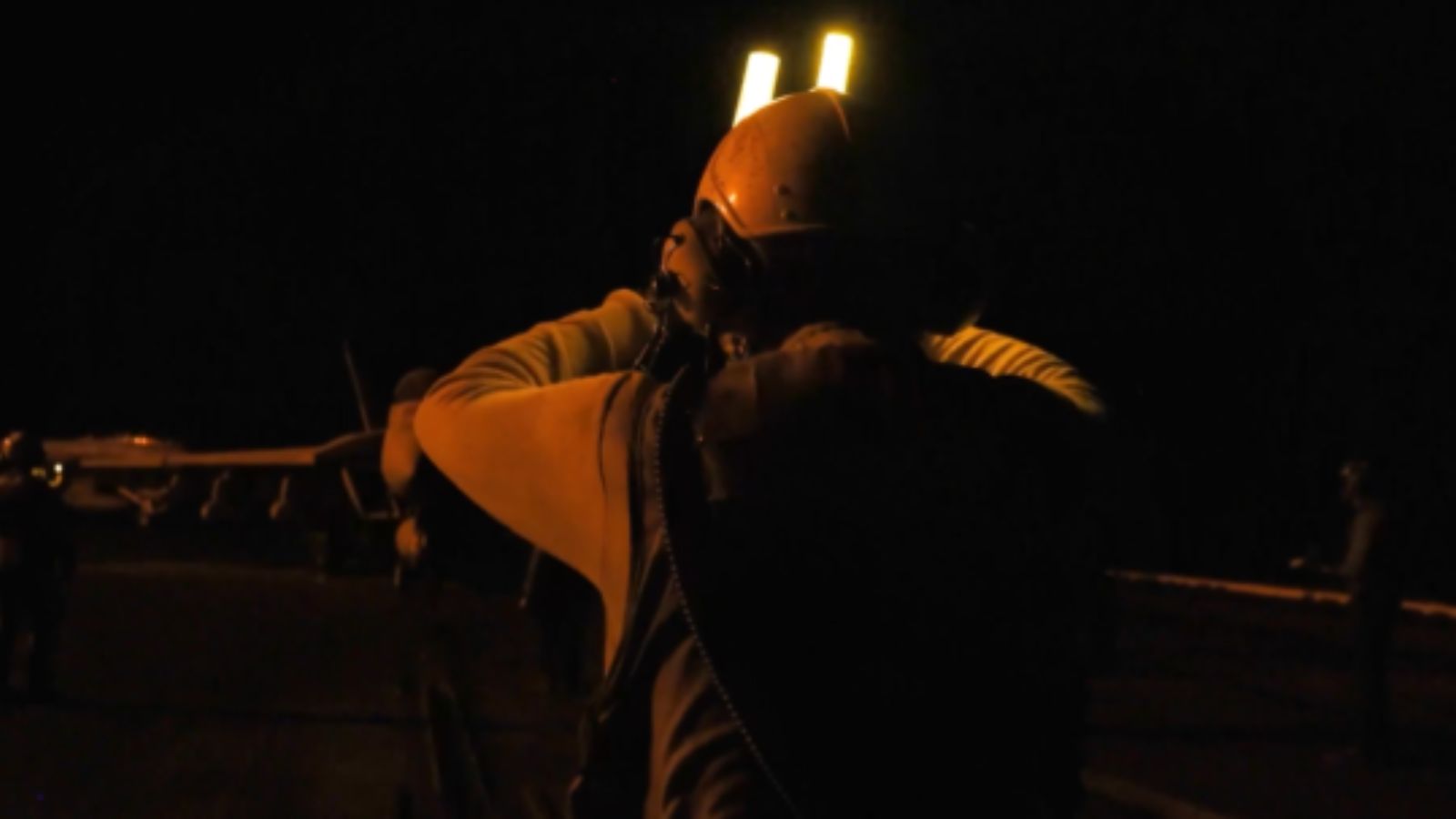
The American forces hit Iranian military air-defence systems, coastal radar sites, missile and drone capabilities, and small boats using US fighter aircraft, naval vessels, one-way attack aerial drones, and one-way attack sea drones.
CENTCOM further said Hormuz is a vital maritime corridor for global trade and that Tehran does not control it.
“US forces are postured and prepared to ensure that freedom of navigation remains available to commercial shipping despite Iran’s continued unwarranted aggression, harassment, threats, and arbitrary declarations,” it said.
Iran’s Revolutionary Guards said they hit US military targets and bases in Jordan, Bahrain, and Kuwait, according to state media reports.
The official news agency IRNA cited several statements released by the Guards stating that they attacked Prince Hassan Air Base in Jordan, a US military drone command centre in Bahrain, and airbases, including Ali Al Salem in Kuwait.
Meanwhile, Kuwait said that its air defences were confronting hostile aerial targets within the country’s airspace and that reported explosions are due to air defence interceptions as Iran launched its retaliatory attacks.
تتصدى حالياً القوات المسلحة لأهداف جوية معادية داخل المجال الجوي الكويتي
تنوه رئاسة الأركان العامة للجيش بأن أصوات الانفجارات، إن سُمعت، فهي نتيجة اعتراض منظومات الدفاع الجوي للهجمات المعادية.
ويرجى من الجميع التقيد بتعليمات الأمن والسلامة الصادرة عن الجهات المختصة.… pic.twitter.com/KGkTXfQIyM
— KUWAIT ARMY – الجيش الكويتي (@KuwaitArmyGHQ) July 13, 2026
“The Armed Forces are currently confronting hostile aerial targets within Kuwaiti airspace. The General Staff of the Army notes that any explosion sounds, if heard, are the result of air defense systems intercepting hostile attacks. Everyone is requested to adhere to the security and safety instructions issued by the competent authorities,” the Kuwait army said in a post on X.
Stay updated with the latest - Click here to follow us on Instagram
The US military carried out another wave of strikes on Iran on Sunday (July 12), targeting dozens of locations with precision munitions, said the US Central Command (CENTCOM).
CENTCOM said that the move was aimed at degrading Iran’s ability to continue attacking international shipping flowing through the Strait of Hormuz.
“US Central Command (CENTCOM) completed a new wave of offensive strikes against Iran, July 12, hitting dozens of targets at multiple locations with precision munitions to degrade Iran’s ability to continue attacking international shipping flowing through the Strait of Hormuz,” CENTCOM said in a post on X.
— U.S. Central Command (@CENTCOM) July 13, 2026
The American forces hit Iranian military air-defence systems, coastal radar sites, missile and drone capabilities, and small boats using US fighter aircraft, naval vessels, one-way attack aerial drones, and one-way attack sea drones.
CENTCOM further said Hormuz is a vital maritime corridor for global trade and that Tehran does not control it.
“US forces are postured and prepared to ensure that freedom of navigation remains available to commercial shipping despite Iran’s continued unwarranted aggression, harassment, threats, and arbitrary declarations,” it said.
Iran’s Revolutionary Guards said they hit US military targets and bases in Jordan, Bahrain, and Kuwait, according to state media reports.
The official news agency IRNA cited several statements released by the Guards stating that they attacked Prince Hassan Air Base in Jordan, a US military drone command centre in Bahrain, and airbases, including Ali Al Salem in Kuwait.
Meanwhile, Kuwait said that its air defences were confronting hostile aerial targets within the country’s airspace and that reported explosions are due to air defence interceptions as Iran launched its retaliatory attacks.
تتصدى حالياً القوات المسلحة لأهداف جوية معادية داخل المجال الجوي الكويتي
تنوه رئاسة الأركان العامة للجيش بأن أصوات الانفجارات، إن سُمعت، فهي نتيجة اعتراض منظومات الدفاع الجوي للهجمات المعادية.
ويرجى من الجميع التقيد بتعليمات الأمن والسلامة الصادرة عن الجهات المختصة.… pic.twitter.com/KGkTXfQIyM
— KUWAIT ARMY – الجيش الكويتي (@KuwaitArmyGHQ) July 13, 2026
“The Armed Forces are currently confronting hostile aerial targets within Kuwaiti airspace. The General Staff of the Army notes that any explosion sounds, if heard, are the result of air defense systems intercepting hostile attacks. Everyone is requested to adhere to the security and safety instructions issued by the competent authorities,” the Kuwait army said in a post on X.