

Surgeries delayed, appointments hit as UK doctors’ strike over pay dispute begins
A six-day UK doctors' strike has begun, with the NHS warning of delays in surgeries and appointments amid an ongoing pay dispute.
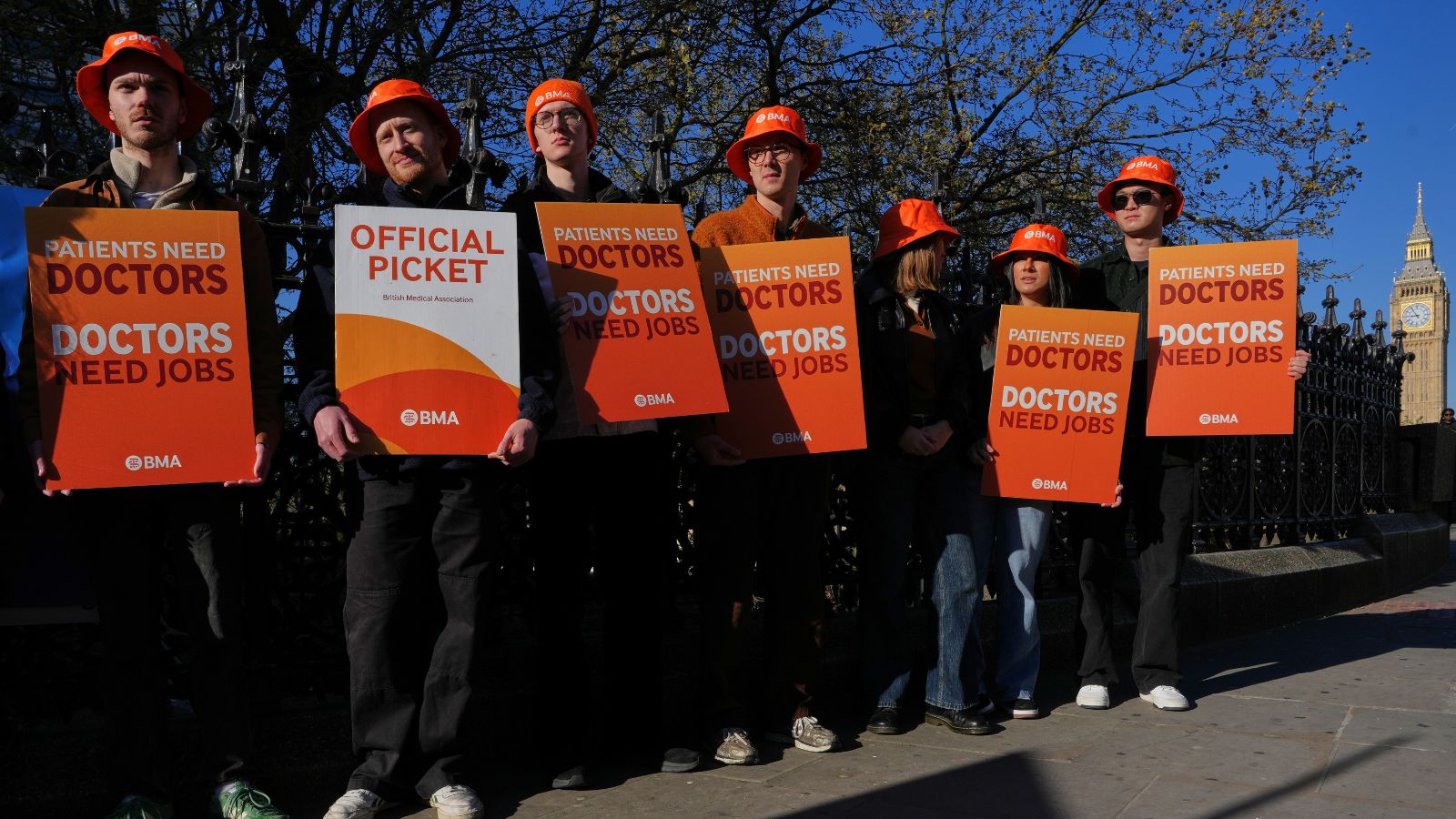
UK Doctors’ Strike: Resident doctors across England launched a six-day strike from Tuesday morning, marking the latest escalation in a prolonged dispute over pay, working conditions, and training opportunities. The industry-wide action, led by members of the British Medical Association (BMA), is the 15th such protest since March 2023, reported BBC.
The UK doctors’ strike is likely to cause widespread disruption across the National Health Service (NHS). Resident doctors, previously known as “junior doctors”, make up a significant portion of the medical workforce, forcing hospitals to rely on senior staff to maintain emergency services while postponing routine care.
Today, doctors across the country are out taking strike action.
This dispute is driven by an entirely avoidable crisis on jobs and pay. Right now, resident doctors are facing a real terms pay cut and growing unemployment. They need jobs and fair pay for the work they do.
No… pic.twitter.com/6QI2t5KECx
— The BMA (@TheBMA) April 7, 2026
Health officials have warned that appointments, treatments and surgeries are likely to be delayed, with the financial impact of the strike estimated to run into hundreds of millions of pounds. For context, 1 pound is around Rs 123.
Cumulative costs linked to repeated industrial action since 2023 are believed to have crossed billions, adding pressure on an already strained system.
Despite the disruption, NHS leaders have urged patients to continue seeking medical help when needed. Emergency services remain operational, and patients have been advised to attend scheduled appointments unless told otherwise. Patients with emergency and urgent needs may call 999 and 111 for help.
General Practitioner (GP) services are largely unaffected.
The walkout follows the collapse of recent negotiations between the government and the BMA. Talks last week failed to produce a breakthrough, leaving both sides divided over pay and broader reforms. The union has been pushing for “full pay restoration”, arguing that doctors’ earnings have fallen significantly in real terms since 2008.
Doctors on strike said their demands were justified given years of declining pay when adjusted for inflation. He said the strike could have been avoided if the government had not altered elements of the proposed deal during final discussions.
BMA resident doctors committee chair Jack Fletcher has blamed the UK government for the talks failing repeatedly. “My colleagues and I have spent months in the negotiating room, and a deal was taking shape, yet at the last minute the government quietly watered it down, reducing the money on the table, then stretching what was left over too many years to make it worthwhile,” he was quoted as saying by The Guardian.
He further said that it was puzzling why the government scrapped the 1,000 vacancies in specialist medical training in 2026.
“This dispute is driven by an entirely avoidable crisis on jobs and pay. Right now, resident doctors are facing a real terms pay cut and growing unemployment. They need jobs and fair pay for the work they do. No one wants to strike. But without a credible offer on the table, doctors are left with no alternative,” the BMA said in a statement.
On the other hand, Health Secretary Wes Streeting criticised the union for proceeding with the strike, arguing it had undermined progress made during negotiations. The Guardian reported that Streeting said the government had offered a package that included pay increases, faster career progression and additional training posts, but claimed the BMA’s rejection had derailed those proposals.
A key sticking point remains the structure and timing of pay improvements, alongside disagreements over funding for career progression. The government has also withdrawn plans to create new specialist training posts that had been tied to acceptance of its offer.
The dispute has played out against a backdrop of competing claims over pay. While ministers point to recent salary increases and describe their offer as generous, the BMA argues that doctors are still earning significantly less in real terms than they were more than a decade ago, according to The Guardian.
Public opinion appears divided, with recent polling indicating more people oppose the strikes than support them.
As the latest round of industrial action continues, concerns are mounting over its impact on patient care and NHS recovery efforts, particularly as waiting lists and service backlogs remain a major challenge.
Stay updated with the latest - Click here to follow us on Instagram
UK Doctors’ Strike: Resident doctors across England launched a six-day strike from Tuesday morning, marking the latest escalation in a prolonged dispute over pay, working conditions, and training opportunities. The industry-wide action, led by members of the British Medical Association (BMA), is the 15th such protest since March 2023, reported BBC.
The UK doctors’ strike is likely to cause widespread disruption across the National Health Service (NHS). Resident doctors, previously known as “junior doctors”, make up a significant portion of the medical workforce, forcing hospitals to rely on senior staff to maintain emergency services while postponing routine care.
Today, doctors across the country are out taking strike action.
This dispute is driven by an entirely avoidable crisis on jobs and pay. Right now, resident doctors are facing a real terms pay cut and growing unemployment. They need jobs and fair pay for the work they do.
No… pic.twitter.com/6QI2t5KECx
— The BMA (@TheBMA) April 7, 2026
Health officials have warned that appointments, treatments and surgeries are likely to be delayed, with the financial impact of the strike estimated to run into hundreds of millions of pounds. For context, 1 pound is around Rs 123.
Cumulative costs linked to repeated industrial action since 2023 are believed to have crossed billions, adding pressure on an already strained system.
Despite the disruption, NHS leaders have urged patients to continue seeking medical help when needed. Emergency services remain operational, and patients have been advised to attend scheduled appointments unless told otherwise. Patients with emergency and urgent needs may call 999 and 111 for help.
General Practitioner (GP) services are largely unaffected.
The walkout follows the collapse of recent negotiations between the government and the BMA. Talks last week failed to produce a breakthrough, leaving both sides divided over pay and broader reforms. The union has been pushing for “full pay restoration”, arguing that doctors’ earnings have fallen significantly in real terms since 2008.
Doctors on strike said their demands were justified given years of declining pay when adjusted for inflation. He said the strike could have been avoided if the government had not altered elements of the proposed deal during final discussions.
BMA resident doctors committee chair Jack Fletcher has blamed the UK government for the talks failing repeatedly. “My colleagues and I have spent months in the negotiating room, and a deal was taking shape, yet at the last minute the government quietly watered it down, reducing the money on the table, then stretching what was left over too many years to make it worthwhile,” he was quoted as saying by The Guardian.
He further said that it was puzzling why the government scrapped the 1,000 vacancies in specialist medical training in 2026.
“This dispute is driven by an entirely avoidable crisis on jobs and pay. Right now, resident doctors are facing a real terms pay cut and growing unemployment. They need jobs and fair pay for the work they do. No one wants to strike. But without a credible offer on the table, doctors are left with no alternative,” the BMA said in a statement.
On the other hand, Health Secretary Wes Streeting criticised the union for proceeding with the strike, arguing it had undermined progress made during negotiations. The Guardian reported that Streeting said the government had offered a package that included pay increases, faster career progression and additional training posts, but claimed the BMA’s rejection had derailed those proposals.
A key sticking point remains the structure and timing of pay improvements, alongside disagreements over funding for career progression. The government has also withdrawn plans to create new specialist training posts that had been tied to acceptance of its offer.
The dispute has played out against a backdrop of competing claims over pay. While ministers point to recent salary increases and describe their offer as generous, the BMA argues that doctors are still earning significantly less in real terms than they were more than a decade ago, according to The Guardian.
Public opinion appears divided, with recent polling indicating more people oppose the strikes than support them.
As the latest round of industrial action continues, concerns are mounting over its impact on patient care and NHS recovery efforts, particularly as waiting lists and service backlogs remain a major challenge.