

SpaceX, potentially ‘biggest ever’ IPO, sees $70 billion order: Report
Based on a proposed IPO size of $75 billion, that allocation would leave the bulk of demand from individual investors unfulfilled, according to Bloomberg's calculations.
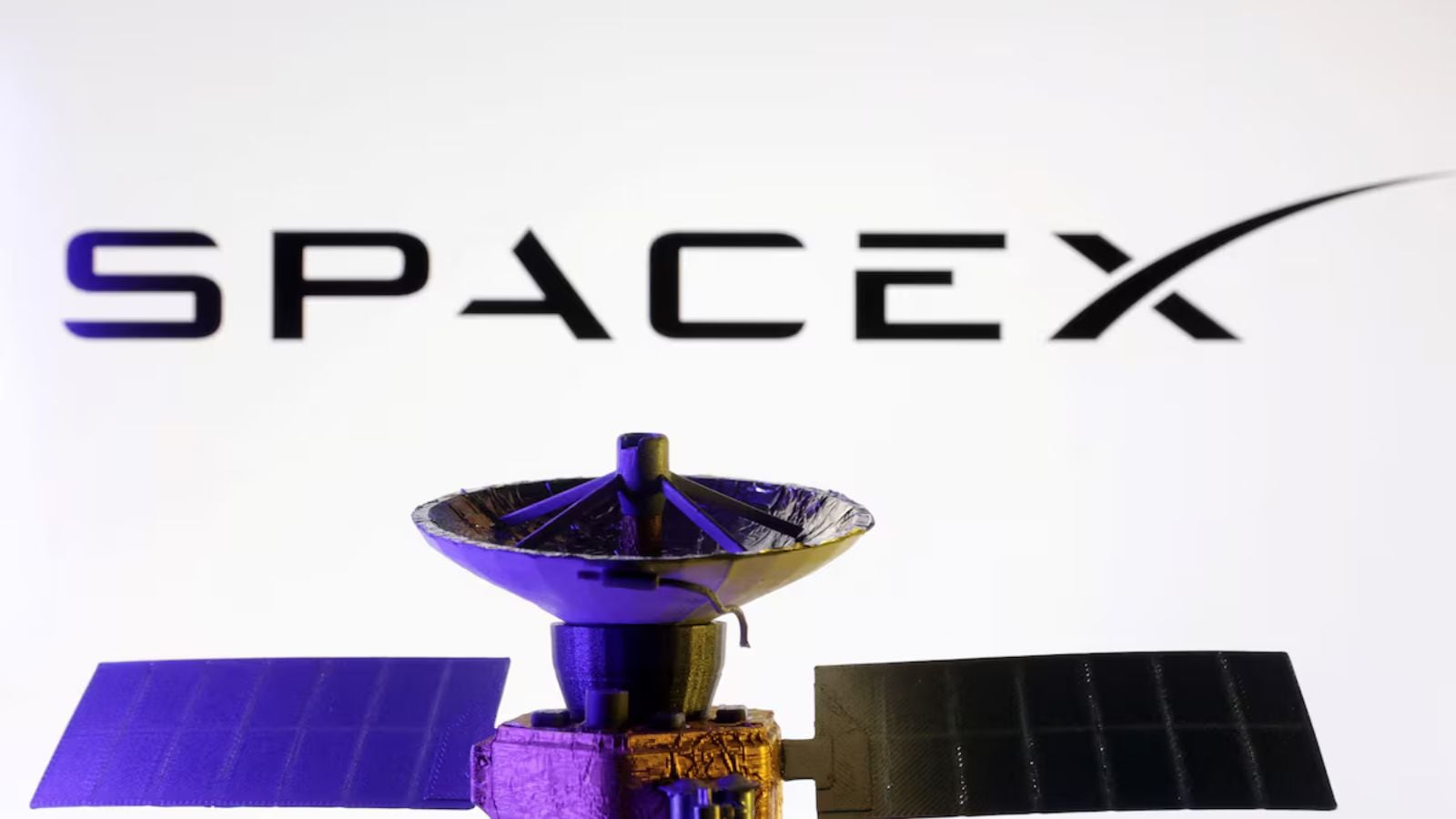
SpaceX’s initial public offering has drawn more than $70 billion in orders from retail investors, Bloomberg reported, citing sources familiar with the matter. This sets the stock up for becoming the world’s largest issue of shares both in terms of capital and valuation, the report added.
The report said retail investors are likely to receive at least 20% of the shares on offer. Based on a proposed IPO size of $75 billion, that allocation would leave the bulk of demand from individual investors unfulfilled, according to Bloomberg’s calculations, adding that deliberations are ongoing.
Reuters had previously reported that SpaceX was considering allocating as much as 30% of the offering to individual investors, an unusually large retail tranche aimed at tapping into Musk’s cult-like following.
SpaceX’s anticipated debut is scheduled for Friday, with the company aiming to raise $75 billion at about a $1.8 trillion valuation, based on outstanding shares in its filings. If successful, the IPO would surpass the $29.4 billion raised by Saudi oil giant Saudi Aramco in 2019, setting a new record for both valuation and capital raised.
Founded in 2002, SpaceX has evolved from a rocket launch start-up into one of the world’s most influential technology firms, spanning space transportation, satellite internet, and AI infrastructure. Of the company’s total addressable market, which it pegs at $28.5 trillion, about $26.5 trillion is linked to AI.
Musk will hold the majority of a special class of shares, giving him control over decisions related to company strategy, finances and personnel. On the latter, because of his ownership of most of these Class B shares, the only person who can fire Musk as CEO is Musk.
The company credits Musk with being the “driving force” behind its growth, innovation and success. But what happens if Musk is no longer in the picture? SpaceX warns that the loss of Musk could disrupt its ability to execute its strategy as well as hurt its “reputation and relationships with customers, partners and other stakeholders.” The company also warns that finding a replacement with the same skills and experience as Musk would be time-consuming, if not nearly impossible.
Stay updated with the latest - Click here to follow us on Instagram
SpaceX’s initial public offering has drawn more than $70 billion in orders from retail investors, Bloomberg reported, citing sources familiar with the matter. This sets the stock up for becoming the world’s largest issue of shares both in terms of capital and valuation, the report added.
The report said retail investors are likely to receive at least 20% of the shares on offer. Based on a proposed IPO size of $75 billion, that allocation would leave the bulk of demand from individual investors unfulfilled, according to Bloomberg’s calculations, adding that deliberations are ongoing.
Reuters had previously reported that SpaceX was considering allocating as much as 30% of the offering to individual investors, an unusually large retail tranche aimed at tapping into Musk’s cult-like following.
SpaceX’s anticipated debut is scheduled for Friday, with the company aiming to raise $75 billion at about a $1.8 trillion valuation, based on outstanding shares in its filings. If successful, the IPO would surpass the $29.4 billion raised by Saudi oil giant Saudi Aramco in 2019, setting a new record for both valuation and capital raised.
Founded in 2002, SpaceX has evolved from a rocket launch start-up into one of the world’s most influential technology firms, spanning space transportation, satellite internet, and AI infrastructure. Of the company’s total addressable market, which it pegs at $28.5 trillion, about $26.5 trillion is linked to AI.
Musk will hold the majority of a special class of shares, giving him control over decisions related to company strategy, finances and personnel. On the latter, because of his ownership of most of these Class B shares, the only person who can fire Musk as CEO is Musk.
The company credits Musk with being the “driving force” behind its growth, innovation and success. But what happens if Musk is no longer in the picture? SpaceX warns that the loss of Musk could disrupt its ability to execute its strategy as well as hurt its “reputation and relationships with customers, partners and other stakeholders.” The company also warns that finding a replacement with the same skills and experience as Musk would be time-consuming, if not nearly impossible.