

Middle East war jitters: Pakistan considers Covid-style measures to cut back on fuel use
Pakistan petrol price revisions may shift to a weekly cycle from March 8 as the Shehbaz Sharif government reviews fuel-saving steps amid Middle East war concerns.
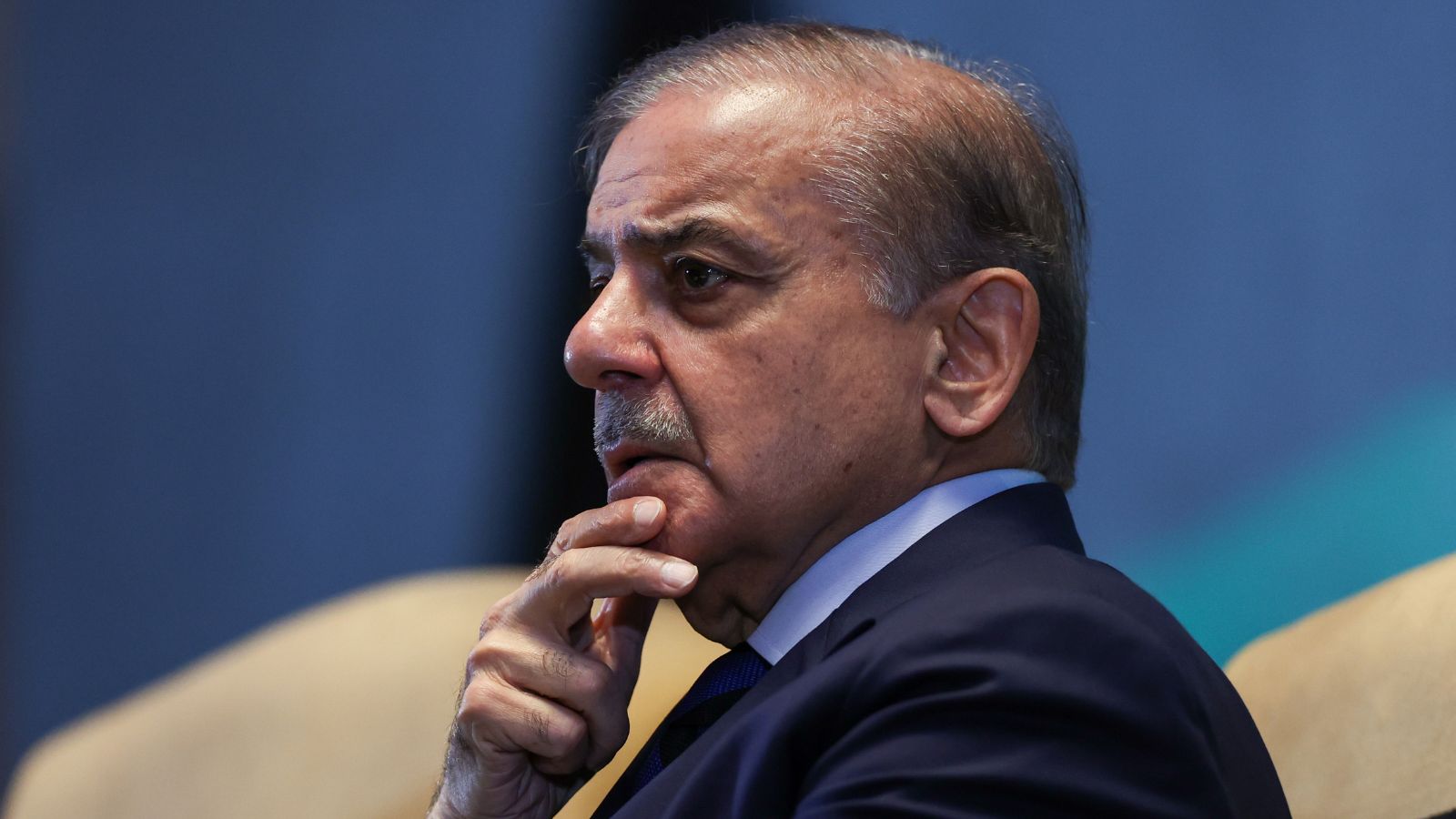
The Middle East war seems to have sent Pakistan in a tizzy. The Shehbaz Sharif government on Thursday agreed in principle to introduce weekly revisions in petroleum prices starting March 8, reported Pakistani news website Dawn. The government is also considering measures, such as distance learning and work-from-home arrangements, to conserve fuel amid concerns over potential oil supply disruptions due to the Middle East war and Strait of Hormuz blockade.
Pakistan’s treasury is also burdened by its ongoing border conflict with Afghanistan.
The proposed national action plan was formulated in consultation with provincial governments during a meeting of the Cabinet Committee set up by Sharif to monitor petrol prices in light of the evolving regional situation.
The plan will be presented to PM Sharif on Friday. Once he reviews and refines it, the proposal will be placed before the federal cabinet’s Economic Coordination Committee for formal approval and implementation.
Given the urgency of the situation, back-to-back meetings of the three forums are scheduled for Friday in that sequence. Sources said the contingency proposals were also discussed with the International Monetary Fund (IMF).
At Thursday’s Cabinet Committee meeting, chaired by Finance Minister Muhammad Aurangzeb, federal ministries and provincial authorities noted that the country had previously dealt with a similar scenario during the Covid-19 pandemic.
Except for health-related precautions, many of the earlier measures, including remote working, distance education, and carpooling, could be reintroduced from next week to reduce fuel consumption, save energy and foreign exchange, and ease pressure on the national budget and public finances.
According to an official statement, the meeting reviewed developments in the energy sector and examined the country’s preparedness. The report said the panel acknowledged that the situation remained “fluid and uncertain”, requiring continued vigilance and careful planning as global supply chains and shipping routes face increasing risks and higher costs.
The meeting also reviewed ongoing efforts to strengthen supply security through diversified sourcing and logistical arrangements. Officials shared updates on diplomatic and commercial engagements with friendly countries and partner suppliers aimed at securing additional crude and refined product supplies through alternative routes and ports, including options outside high-risk corridors.
Stay updated with the latest - Click here to follow us on Instagram
The Middle East war seems to have sent Pakistan in a tizzy. The Shehbaz Sharif government on Thursday agreed in principle to introduce weekly revisions in petroleum prices starting March 8, reported Pakistani news website Dawn. The government is also considering measures, such as distance learning and work-from-home arrangements, to conserve fuel amid concerns over potential oil supply disruptions due to the Middle East war and Strait of Hormuz blockade.
Pakistan’s treasury is also burdened by its ongoing border conflict with Afghanistan.
The proposed national action plan was formulated in consultation with provincial governments during a meeting of the Cabinet Committee set up by Sharif to monitor petrol prices in light of the evolving regional situation.
The plan will be presented to PM Sharif on Friday. Once he reviews and refines it, the proposal will be placed before the federal cabinet’s Economic Coordination Committee for formal approval and implementation.
Given the urgency of the situation, back-to-back meetings of the three forums are scheduled for Friday in that sequence. Sources said the contingency proposals were also discussed with the International Monetary Fund (IMF).
At Thursday’s Cabinet Committee meeting, chaired by Finance Minister Muhammad Aurangzeb, federal ministries and provincial authorities noted that the country had previously dealt with a similar scenario during the Covid-19 pandemic.
Except for health-related precautions, many of the earlier measures, including remote working, distance education, and carpooling, could be reintroduced from next week to reduce fuel consumption, save energy and foreign exchange, and ease pressure on the national budget and public finances.
According to an official statement, the meeting reviewed developments in the energy sector and examined the country’s preparedness. The report said the panel acknowledged that the situation remained “fluid and uncertain”, requiring continued vigilance and careful planning as global supply chains and shipping routes face increasing risks and higher costs.
The meeting also reviewed ongoing efforts to strengthen supply security through diversified sourcing and logistical arrangements. Officials shared updates on diplomatic and commercial engagements with friendly countries and partner suppliers aimed at securing additional crude and refined product supplies through alternative routes and ports, including options outside high-risk corridors.