

Pakistan army chief Munir in Iran, President Sharif in Saudi Arabia to ease West Asia tensions
Islmabad had hosted the first peace talks between Tehran and Washington and has proposed second round of talks as soon as this week.
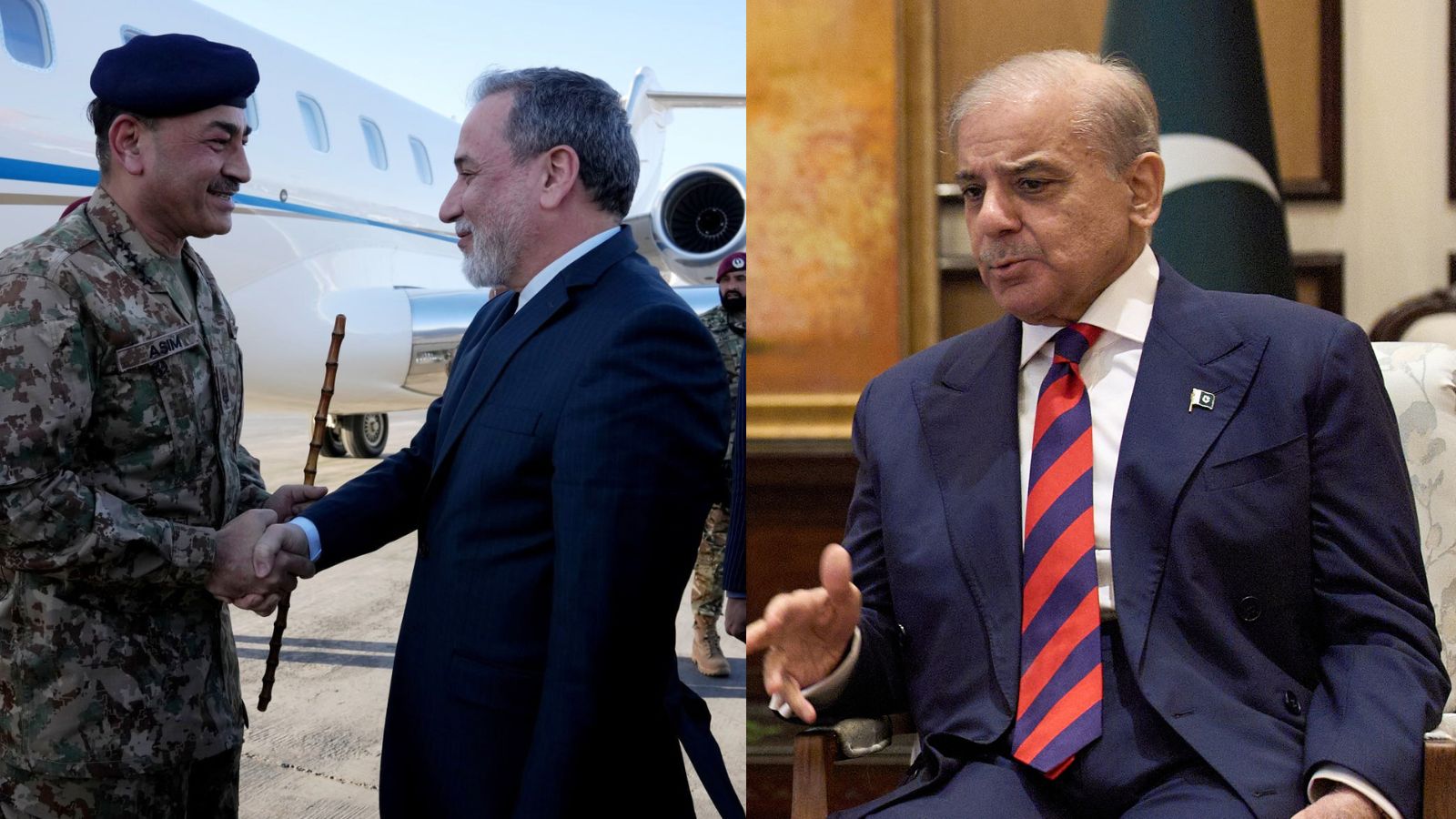
Pakistan Army Chief Field Marshal Asim Munir arrived in Tehran and Prime Minister Shehbaz Sharif reached Saudi Arabia Wednesday as Islamabad looked to leverage its role as key mediator between the United States and Iran amid a fragile ceasefire.
Pakistan’s effort form part of its renewed diplomatic efforts to ease tensions and push forward stalled negotiations between the two warring nations.
Mediators are now working to bridge key disagreements, including Iran’s nuclear programme, control of the Strait of Hormuz, and compensation linked to the conflict, that derailed earlier talks, AP reported.
The Pakistani military said the delegation includes Munir, along with senior security officials, describing the visit as part of ongoing mediation efforts in the region.
The move comes days after Pakistan offered to host a second round of US-Iran talks, possibly this week. The first round of direct talks in Islamabad ended without agreement, raising doubts over the future of a fragile ceasefire set to expire on April 22.
Tensions have remained high since the US imposed a naval blockade on Iranian ports. President Donald Trump said Iran “would like to make a deal very badly”, while Vice President JD Vance described Iran’s actions in the Strait of Hormuz as “economic terrorism”.
Iran has responded with warnings of retaliation, including threats targeting ports across the Persian Gulf and the Gulf of Oman, further escalating concerns over regional trade and energy supplies.
Iranian Foreign Ministry spokesperson Esmail Baghaei said Islamabad “has held discussions with the Americans and has also heard our stances”, adding that the visit would allow both sides’ views to be discussed in detail.
The war, now in its seventh week, has disrupted global shipping routes and pushed up energy prices, adding pressure on all sides to reach a deal.
Meanwhile, fighting has continued in Lebanon, with Israeli strikes reported in the south even as diplomatic channels remain open, underlining the fragile gap between negotiations and the situation on the ground.
Stay updated with the latest - Click here to follow us on Instagram
Pakistan Army Chief Field Marshal Asim Munir arrived in Tehran and Prime Minister Shehbaz Sharif reached Saudi Arabia Wednesday as Islamabad looked to leverage its role as key mediator between the United States and Iran amid a fragile ceasefire.
Pakistan’s effort form part of its renewed diplomatic efforts to ease tensions and push forward stalled negotiations between the two warring nations.
Mediators are now working to bridge key disagreements, including Iran’s nuclear programme, control of the Strait of Hormuz, and compensation linked to the conflict, that derailed earlier talks, AP reported.
The Pakistani military said the delegation includes Munir, along with senior security officials, describing the visit as part of ongoing mediation efforts in the region.
The move comes days after Pakistan offered to host a second round of US-Iran talks, possibly this week. The first round of direct talks in Islamabad ended without agreement, raising doubts over the future of a fragile ceasefire set to expire on April 22.
Tensions have remained high since the US imposed a naval blockade on Iranian ports. President Donald Trump said Iran “would like to make a deal very badly”, while Vice President JD Vance described Iran’s actions in the Strait of Hormuz as “economic terrorism”.
Iran has responded with warnings of retaliation, including threats targeting ports across the Persian Gulf and the Gulf of Oman, further escalating concerns over regional trade and energy supplies.
Iranian Foreign Ministry spokesperson Esmail Baghaei said Islamabad “has held discussions with the Americans and has also heard our stances”, adding that the visit would allow both sides’ views to be discussed in detail.
The war, now in its seventh week, has disrupted global shipping routes and pushed up energy prices, adding pressure on all sides to reach a deal.
Meanwhile, fighting has continued in Lebanon, with Israeli strikes reported in the south even as diplomatic channels remain open, underlining the fragile gap between negotiations and the situation on the ground.