

Why are Pakistan, Afghanistan fighting again? What triggered the airstrikes that killed 11 children
Following a deadly militant attack on its security forces, Pakistan launched retailatory airstrikes into Afghanistan that killed 13 people, including 11 children.
Pakistan launched fresh airstrikes targeting Afghan territory on Wednesday, killing at least 13 people, including 11 children, and wounding 14 others, the Taliban government in Kabul said, marking a sharp new escalation in months of deadly fighting between the two neighbours.
Taliban chief spokesperson Zabihullah Mujahid said the strikes hit the Afghan provinces of Khost, Kunar, and Paktika. Among the dead were 11 children, one woman, and one elderly man. Pakistan’s Ministry of Foreign Affairs and military had not acknowledged the strikes at the time of reporting, news agency Associated Press reported.
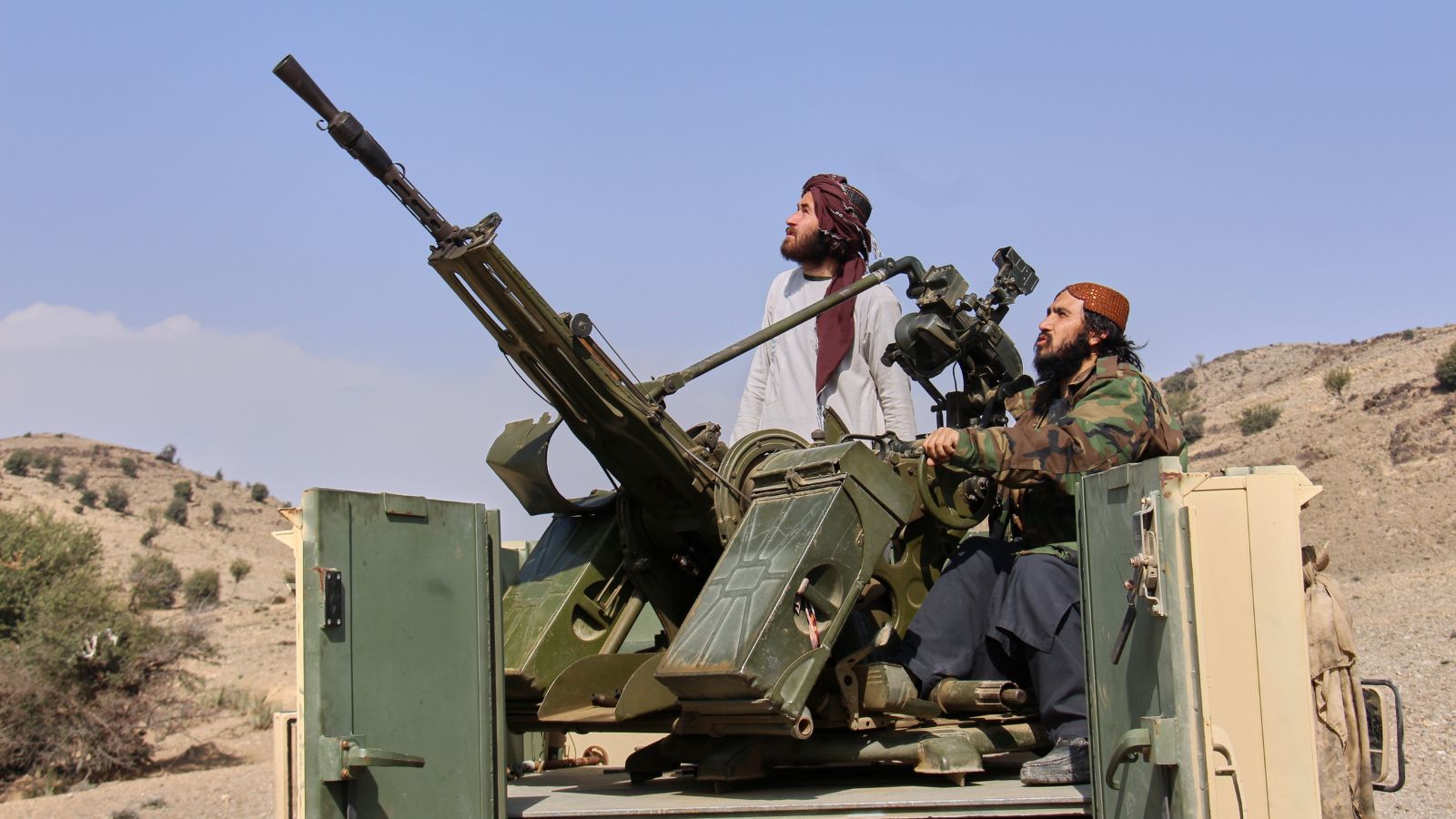
The latest escalation reflects Pakistan’s long-standing accusation that Taliban-run Afghanistan is failing to curb the Pakistani Taliban, or TTP, which Islamabad blames for a surge in attacks inside its territory.
The airstrikes came a day after suspected Pakistani Taliban militants attacked a security post in the Hasan Khel area of Khyber Pakhtunkhwa province, bordering Afghanistan. Six members of the Federal Constabulary were killed, and several others were wounded in the gun battle that followed, Pakistan’s Interior Ministry said. Security forces killed eight of the attackers and repelled the attempt to overrun the checkpoint.
Pakistan’s Interior Minister Mohsin Naqvi attended the funeral prayers for the killed personnel in Peshawar. “Their sacrifices would not be forgotten,” he said, adding that “operations against groups threatening peace and security would be intensified.”
The current round of hostilities goes back to late February, when Afghanistan launched a cross-border attack on Pakistan in retaliation for Pakistani airstrikes inside Afghan territory. Pakistan subsequently declared it was in a state of “open war” with Afghanistan, citing a sustained surge in militant attacks on its civilians and security forces.
The situation worsened in March, when Afghanistan claimed the strike killed more than 400 people, a figure denied by Pakistan and not independently verified. Pakistan denied targeting civilians, saying it had struck an ammunition depot.
At the heart of the conflict is Islamabad’s accusation that the Afghan Taliban government is sheltering the Tehrik-e-Taliban Pakistan, or TTP – the Pakistani Taliban – and allowing it to plan and carry out attacks inside Pakistan from Afghan soil. The TTP is a separate organisation from the Afghan Taliban but is ideologically aligned with it. The Afghan Taliban seized power in Kabul in 2021 following the withdrawal of US-led forces. Kabul denies harbouring the TTP.
Masood Khan, an Islamabad-based security analyst, said Pakistan’s core demand is straightforward: that the TTP be
reined in. He pointed to a decree by Afghan Taliban supreme leader Mullah Haibatullah Akhundzada ordering the TTP to halt attacks on Pakistan. “That decree must be implemented sincerely and faithfully,” Khan said.
The dispute is also shaped by the Durand Line — the 2,600-km frontier drawn during British rule that Afghanistan has never formally recognised as an international border.
Earlier this year, China hosted peace talks between the two sides in Urumqi. Beijing subsequently said both countries had agreed not to escalate their conflict and to work toward a resolution. Pakistani authorities have said that China and other friendly countries continue to press both sides to reach a durable peace agreement. The border between Pakistan and Afghanistan has remained closed to bilateral trade since October, leaving thousands of people stranded.
Despite the diplomatic efforts, Wednesday’s strikes and the Taliban’s reported civilian death toll signal that the path to de-escalation remains uncertain. Though the border was reported calm hours after the strikes, Kabul has previously responded to Pakistani airstrikes by targeting Pakistani posts along the frontier.
(With inputs from AP)
Stay updated with the latest - Click here to follow us on Instagram
Pakistan launched fresh airstrikes targeting Afghan territory on Wednesday, killing at least 13 people, including 11 children, and wounding 14 others, the Taliban government in Kabul said, marking a sharp new escalation in months of deadly fighting between the two neighbours.
Taliban chief spokesperson Zabihullah Mujahid said the strikes hit the Afghan provinces of Khost, Kunar, and Paktika. Among the dead were 11 children, one woman, and one elderly man. Pakistan’s Ministry of Foreign Affairs and military had not acknowledged the strikes at the time of reporting, news agency Associated Press reported.
The latest escalation reflects Pakistan’s long-standing accusation that Taliban-run Afghanistan is failing to curb the Pakistani Taliban, or TTP, which Islamabad blames for a surge in attacks inside its territory.
The airstrikes came a day after suspected Pakistani Taliban militants attacked a security post in the Hasan Khel area of Khyber Pakhtunkhwa province, bordering Afghanistan. Six members of the Federal Constabulary were killed, and several others were wounded in the gun battle that followed, Pakistan’s Interior Ministry said. Security forces killed eight of the attackers and repelled the attempt to overrun the checkpoint.
Pakistan’s Interior Minister Mohsin Naqvi attended the funeral prayers for the killed personnel in Peshawar. “Their sacrifices would not be forgotten,” he said, adding that “operations against groups threatening peace and security would be intensified.”
The current round of hostilities goes back to late February, when Afghanistan launched a cross-border attack on Pakistan in retaliation for Pakistani airstrikes inside Afghan territory. Pakistan subsequently declared it was in a state of “open war” with Afghanistan, citing a sustained surge in militant attacks on its civilians and security forces.
The situation worsened in March, when Afghanistan claimed the strike killed more than 400 people, a figure denied by Pakistan and not independently verified. Pakistan denied targeting civilians, saying it had struck an ammunition depot.
At the heart of the conflict is Islamabad’s accusation that the Afghan Taliban government is sheltering the Tehrik-e-Taliban Pakistan, or TTP – the Pakistani Taliban – and allowing it to plan and carry out attacks inside Pakistan from Afghan soil. The TTP is a separate organisation from the Afghan Taliban but is ideologically aligned with it. The Afghan Taliban seized power in Kabul in 2021 following the withdrawal of US-led forces. Kabul denies harbouring the TTP.
Masood Khan, an Islamabad-based security analyst, said Pakistan’s core demand is straightforward: that the TTP be
reined in. He pointed to a decree by Afghan Taliban supreme leader Mullah Haibatullah Akhundzada ordering the TTP to halt attacks on Pakistan. “That decree must be implemented sincerely and faithfully,” Khan said.
The dispute is also shaped by the Durand Line — the 2,600-km frontier drawn during British rule that Afghanistan has never formally recognised as an international border.
Earlier this year, China hosted peace talks between the two sides in Urumqi. Beijing subsequently said both countries had agreed not to escalate their conflict and to work toward a resolution. Pakistani authorities have said that China and other friendly countries continue to press both sides to reach a durable peace agreement. The border between Pakistan and Afghanistan has remained closed to bilateral trade since October, leaving thousands of people stranded.
Despite the diplomatic efforts, Wednesday’s strikes and the Taliban’s reported civilian death toll signal that the path to de-escalation remains uncertain. Though the border was reported calm hours after the strikes, Kabul has previously responded to Pakistani airstrikes by targeting Pakistani posts along the frontier.
(With inputs from AP)