

Nobel laureate Narges Mohammadi recounts abuse inside Iranian prisons in secret memoir
Narges Mohammadi’s prison memoir recounts alleged torture, isolation and denial of medical care inside Iran’s Evin, Qarchak and Zanjan prisons.
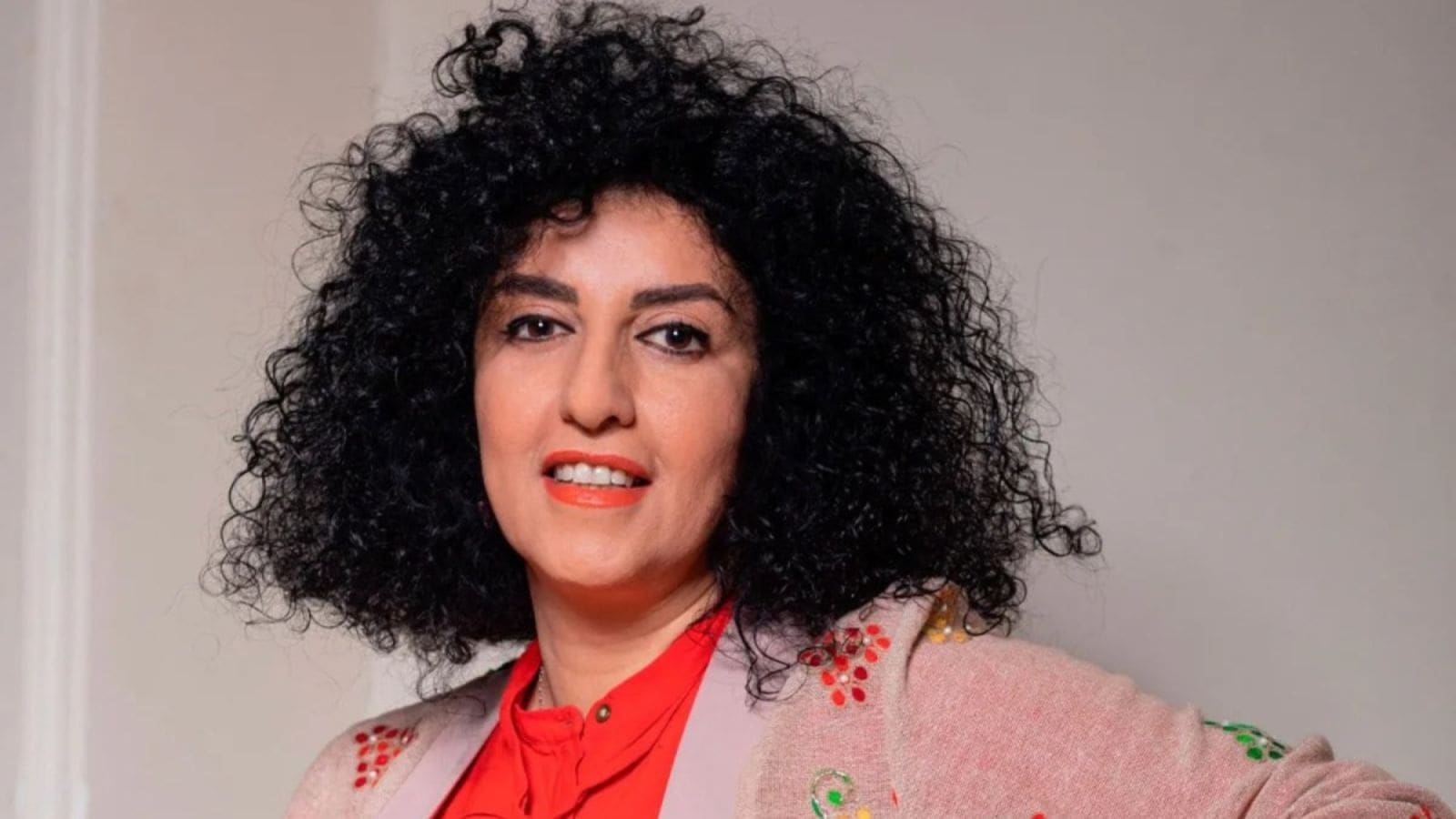
Iranian Nobel Peace Prize laureate Narges Mohammadi has detailed years of beatings, solitary confinement and alleged medical neglect in Iranian prisons in a memoir smuggled out of jail, according to a report by The Guardian.
The memoir, ‘A Woman Never Stops Fighting’ recounts her experiences inside Iran’s Evin, Qarchak and Zanjan prisons, where she says, authorities repeatedly denied her medical treatment despite severe health complications, including pulmonary embolism, seizures and heart problems.
Mohammadi even compared solitary confinement to “white torture” in her excerpts published by The Guardian. By stating that the Iranian prisons use isolation, intimidation, and denial of medical care to break prisoners mentally, she indirectly disclosed the psychological torture inflicted through these methods. Besides that, she mentioned that repeated interrogations in combination with solitary confinement seriously undermine the physical and mental health of detainees.
Mohammadi, who was recently awarded the Nobel Peace Prize for her work in promoting women’s rights and abolishing the death penalty in Iran, has been arrested several times by the authorities. The Iranian judicial system has imposed multiple long-term imprisonments on her, as well as lashes for the charges related to her activism.
The report comes amid growing international concern over Mohammadi’s health. Reports say this week that the activist was transferred from prison to a Tehran hospital after suffering serious cardiac complications. Her family and supporters have warned that her condition remains critical and have demanded her unconditional release.
Mohammadi has marked herself as one of the leading voices for the women-led protests that blew up after the death of Mahsa Amini in police custody in 2022. The “Women Life Freedom” protests in Iran were the trigger for these demonstrations. By continuing her work of highlighting the plight of female prisoners and exposing the use of solitary confinement in Iran, she has even risked her own life as a prisoner to do so.
(The author, Samiksha Choudhary, is an intern with The Indian Express)
Stay updated with the latest - Click here to follow us on Instagram
Iranian Nobel Peace Prize laureate Narges Mohammadi has detailed years of beatings, solitary confinement and alleged medical neglect in Iranian prisons in a memoir smuggled out of jail, according to a report by The Guardian.
The memoir, ‘A Woman Never Stops Fighting’ recounts her experiences inside Iran’s Evin, Qarchak and Zanjan prisons, where she says, authorities repeatedly denied her medical treatment despite severe health complications, including pulmonary embolism, seizures and heart problems.
Mohammadi even compared solitary confinement to “white torture” in her excerpts published by The Guardian. By stating that the Iranian prisons use isolation, intimidation, and denial of medical care to break prisoners mentally, she indirectly disclosed the psychological torture inflicted through these methods. Besides that, she mentioned that repeated interrogations in combination with solitary confinement seriously undermine the physical and mental health of detainees.
Mohammadi, who was recently awarded the Nobel Peace Prize for her work in promoting women’s rights and abolishing the death penalty in Iran, has been arrested several times by the authorities. The Iranian judicial system has imposed multiple long-term imprisonments on her, as well as lashes for the charges related to her activism.
The report comes amid growing international concern over Mohammadi’s health. Reports say this week that the activist was transferred from prison to a Tehran hospital after suffering serious cardiac complications. Her family and supporters have warned that her condition remains critical and have demanded her unconditional release.
Mohammadi has marked herself as one of the leading voices for the women-led protests that blew up after the death of Mahsa Amini in police custody in 2022. The “Women Life Freedom” protests in Iran were the trigger for these demonstrations. By continuing her work of highlighting the plight of female prisoners and exposing the use of solitary confinement in Iran, she has even risked her own life as a prisoner to do so.
(The author, Samiksha Choudhary, is an intern with The Indian Express)