

Meet Nepal PM’s Cabinet: Inexperienced, yet committed to delivering on promises
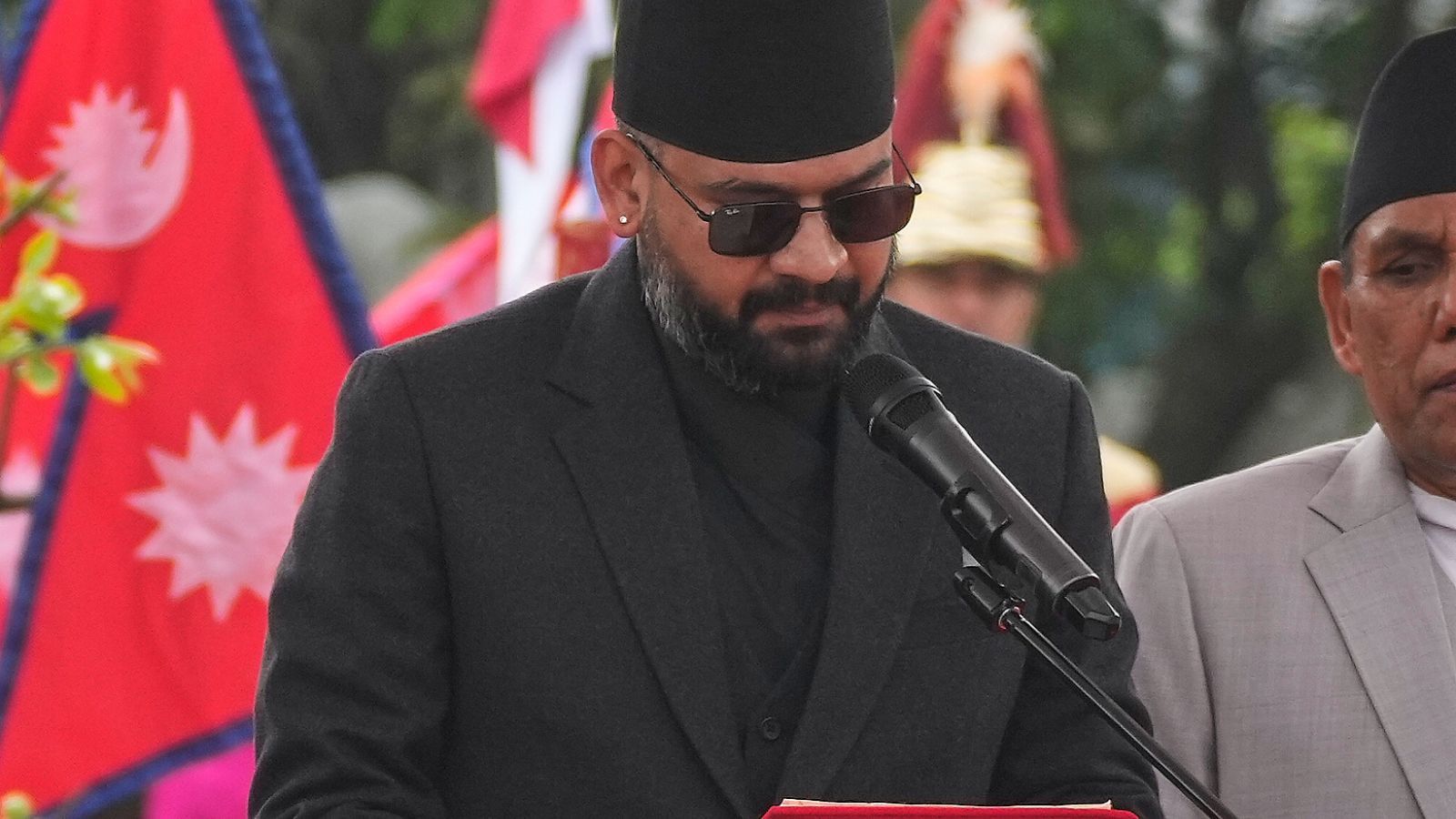
A week after assuming office, Balen has successfully showed that vision and actions along with the right teams - cabinet and secretariat - are more powerful components than anything else to garner public trust.
Balen Shah chose to speak very few words during the run-up to the first elections after the GenZ protests, but his party Rastriya Swatantra Party (RSP) swept the poll with nearly two third majority in Parliament.
His name, his style and his silence – together constituted an image of hope, which the politically unstable Nepal and its frustrated citizens were looking for.
But he continuously sent one particular message – he preferred action over words.
A week after assuming office, Balen has successfully showed that vision and actions along with the right teams – cabinet and secretariat – are more powerful components than anything else to garner public trust.
He picked people of his choice and vouched for their dedication to the cause. He assigned them the duties that could be fulfilled with expertise. He didn’t forget those who stood behind him firmly in pursuit of his ambition to occupy the Prime Minister’s chair.
Among his team members, the most talked about person is Sudhan Gurung, the Home Minister, a former DJ and a social worker who has worked for the people during several crises the country has witnessed. Gurung planned with senior police authorities about how to arrest former Prime Minister K P Oli and former Home Minister Ramesh Lekhak, both wanted in the alleged atrocities against GenZ protestors.
Sudhan, 37, who holds A-level degree, perhaps is the least educated in the cabinet of ministers. His loyalty, perhaps, makes his the most trusted minister in Shah cabinet. He is hailed for bringing Balen Shah and Rabi Lamichhane together in a locked up room, with his holding the key in December, that literally opened the prospect of Balen’s take over.
Balen is known to be harsh on those who criticise him. Manish Jha, despite being seen as a Communication Minister, was excluded as he told the Media during the election campaign that ‘Balen should respond to the charges about his using a luxury vehicle allegedly gifted by a controversial businessman’
Swarnim Wagle, 51, the oldest in the cabinet- had been told long ago by Lamichhane that he should start working on the budget. Next in seniority to the Prime Minister, Wagle has worked as the Vice-Chairman of the Planning Commission when Sdher Bahadur Deuba of the Nepali Congress was the PM about a decade ago.
But he switched sides in the faction ridden Nepali Congress and then joined the RSP winning parliamentary seat from Tanahu when Ram Chandra Poudel vacated the seat following his election as Nepal’s President.
A reputed Economist, Wagle has served in the World Bank and UNDP. He co-authored the Human Development 2013, the Rise of the South, during his stint with the UNDP. Wagle , a Ph.D from Australian University, has at times, been part controversial for his rigid political stance, especially when he suggested slashing the size of the Nepal Army .But with strict disciplinary dictate from Head Master Balen, he will be busy more into putting economy on track, creating jobs and securing more investment, than doing politics. Son of a school teacher, he studied in London School of Economics (LSE) and Harvard University.
Sishir Khanal, has worked for the right to quality Education for under privileged and Rural children under the aegis of ‘Teach for Nepal’. He moved to politics and won the election last time as a RSP person. He was briefly the Education Minister when RSP was in coalition with the K P Oli led government. Given his academic credentials from the University of Wisconsin, Madison, and his expertise, he was tipped as the Foreign Minister this time.
Emphasising that Nepal will continue to pursue the Non-aligned Foreign Policy as it is “enshrined in the constitution”, Khanal faces a challenging task of balancing relations between India and China on one hand, and not to be seen too American. With the PM apparently reluctant to visit any country at least for first two years, Khanal may be Nepal’s face to the world outside.
Shovita Gautam, a second term MP, holding Master’s degree in Law is the new Parliamentary Affairs Minister. She defeated Renu Dahal, daughter of Maoist leader Pushpa Kamal Dahal Prachanda from Chitwan.
Shah’s classmate Sunil Kafle, who topped Masters in Structural Engineering, is now the Minister for Physical Infrastructure, which is likely to be one of the most important ministries determined to execute projects in a time bound manner.
Five out of 15 ministers are women, and the most talked about is Sita Badi. Her parents still work as labourers in western Nepal’s Surkhet, She struggled to get enrolled in the school, eventually completed her Masters in Political Science with the help of NGOs.
Neesha Mehta, who entered Parliament as a proportional representation candidate, did her B.Sc. in Nursing from AIIMS, New Delhi and resigned the job to join the party.
As the new Health Minister, the first decision she took was to recall doctors who were working in Kathmandu for months despite being posted in the rural areas.
Stay updated with the latest - Click here to follow us on Instagram
Balen Shah chose to speak very few words during the run-up to the first elections after the GenZ protests, but his party Rastriya Swatantra Party (RSP) swept the poll with nearly two third majority in Parliament.
His name, his style and his silence – together constituted an image of hope, which the politically unstable Nepal and its frustrated citizens were looking for.
But he continuously sent one particular message – he preferred action over words.
A week after assuming office, Balen has successfully showed that vision and actions along with the right teams – cabinet and secretariat – are more powerful components than anything else to garner public trust.
He picked people of his choice and vouched for their dedication to the cause. He assigned them the duties that could be fulfilled with expertise. He didn’t forget those who stood behind him firmly in pursuit of his ambition to occupy the Prime Minister’s chair.
Among his team members, the most talked about person is Sudhan Gurung, the Home Minister, a former DJ and a social worker who has worked for the people during several crises the country has witnessed. Gurung planned with senior police authorities about how to arrest former Prime Minister K P Oli and former Home Minister Ramesh Lekhak, both wanted in the alleged atrocities against GenZ protestors.
Sudhan, 37, who holds A-level degree, perhaps is the least educated in the cabinet of ministers. His loyalty, perhaps, makes his the most trusted minister in Shah cabinet. He is hailed for bringing Balen Shah and Rabi Lamichhane together in a locked up room, with his holding the key in December, that literally opened the prospect of Balen’s take over.
Balen is known to be harsh on those who criticise him. Manish Jha, despite being seen as a Communication Minister, was excluded as he told the Media during the election campaign that ‘Balen should respond to the charges about his using a luxury vehicle allegedly gifted by a controversial businessman’
Swarnim Wagle, 51, the oldest in the cabinet- had been told long ago by Lamichhane that he should start working on the budget. Next in seniority to the Prime Minister, Wagle has worked as the Vice-Chairman of the Planning Commission when Sdher Bahadur Deuba of the Nepali Congress was the PM about a decade ago.
But he switched sides in the faction ridden Nepali Congress and then joined the RSP winning parliamentary seat from Tanahu when Ram Chandra Poudel vacated the seat following his election as Nepal’s President.
A reputed Economist, Wagle has served in the World Bank and UNDP. He co-authored the Human Development 2013, the Rise of the South, during his stint with the UNDP. Wagle , a Ph.D from Australian University, has at times, been part controversial for his rigid political stance, especially when he suggested slashing the size of the Nepal Army .But with strict disciplinary dictate from Head Master Balen, he will be busy more into putting economy on track, creating jobs and securing more investment, than doing politics. Son of a school teacher, he studied in London School of Economics (LSE) and Harvard University.
Sishir Khanal, has worked for the right to quality Education for under privileged and Rural children under the aegis of ‘Teach for Nepal’. He moved to politics and won the election last time as a RSP person. He was briefly the Education Minister when RSP was in coalition with the K P Oli led government. Given his academic credentials from the University of Wisconsin, Madison, and his expertise, he was tipped as the Foreign Minister this time.
Emphasising that Nepal will continue to pursue the Non-aligned Foreign Policy as it is “enshrined in the constitution”, Khanal faces a challenging task of balancing relations between India and China on one hand, and not to be seen too American. With the PM apparently reluctant to visit any country at least for first two years, Khanal may be Nepal’s face to the world outside.
Shovita Gautam, a second term MP, holding Master’s degree in Law is the new Parliamentary Affairs Minister. She defeated Renu Dahal, daughter of Maoist leader Pushpa Kamal Dahal Prachanda from Chitwan.
Shah’s classmate Sunil Kafle, who topped Masters in Structural Engineering, is now the Minister for Physical Infrastructure, which is likely to be one of the most important ministries determined to execute projects in a time bound manner.
Five out of 15 ministers are women, and the most talked about is Sita Badi. Her parents still work as labourers in western Nepal’s Surkhet, She struggled to get enrolled in the school, eventually completed her Masters in Political Science with the help of NGOs.
Neesha Mehta, who entered Parliament as a proportional representation candidate, did her B.Sc. in Nursing from AIIMS, New Delhi and resigned the job to join the party.
As the new Health Minister, the first decision she took was to recall doctors who were working in Kathmandu for months despite being posted in the rural areas.