

llegal miners extract billions in Amazon gold despite Brazil crackdown, Greenpeace finds
Greenpeace found illegal Amazon gold mining persists in Brazil through “ghost permits” used to launder billions in gold, threatening Indigenous lands, rivers and protected rainforest areas.
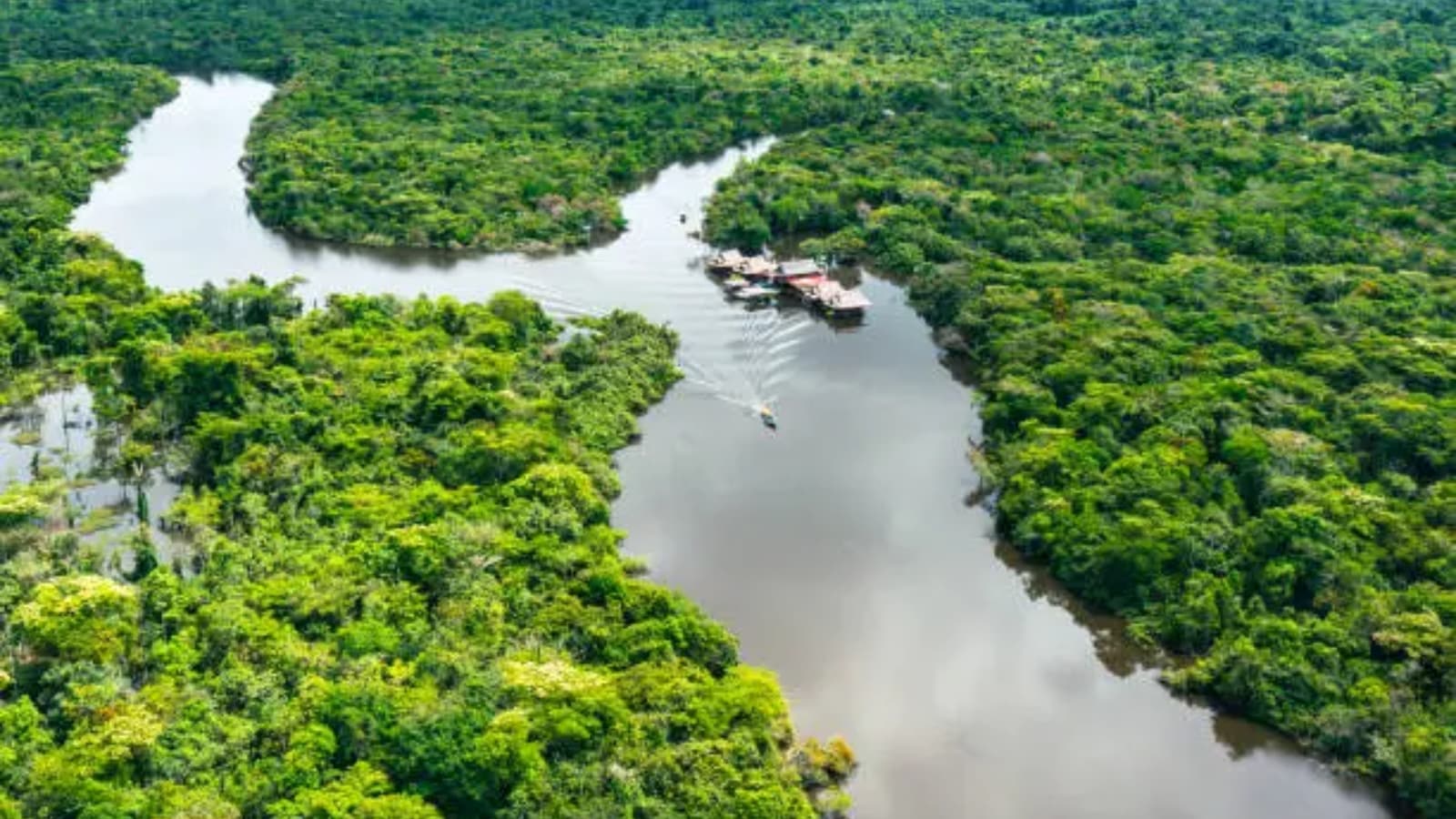
Billions of dollars worth of gold is still being extracted illegally from Brazil’s Amazon rainforest, a study by nonprofit watchdog Greenpeace found, despite efforts by President Luiz Inacio Lula da Silva to crack down on wildcat mining.
Lula pledged upon taking office in 2023 to eliminate illegal gold mining from Indigenous lands and protected areas after years of expansion encouraged by far-right former President Jair Bolsonaro. Last year, Brazil’s Federal Police seized a record 447 kg (985 pounds) of illegally mined gold.
But as gold prices hit record highs amid intense geopolitical instability, the Greenpeace study found that miners have adapted by using permits from places with no mining activity to falsify the origin of illegally mined gold.
Greenpeace analysed 187 forest areas with gold mining permits issued by the Brazilian mining agency ANM near Indigenous lands and protected areas in the Amazon and found that 98 of them showed no signs of mining.
Still, so-called “ghost permits” from those areas were used to justify the sale of 26.8 metric tons of gold worth an estimated $3.88 billion between 2018 and March 2026.
Reuters flew over two of the permitted areas in the dataset and verified that, despite paperwork for huge output from surface mining, there was no activity to be seen. Six minutes away by air, journalists spotted a large active illegal operation in a protected area.
It was not clear where all the gold backed by so-called “ghost permits” originated, but researchers and investigators believe much of it is extracted from protected areas and Indigenous lands, such as the Kayapo people’s territory in Para state.
Kayapo chief Megaron Txucarramae expressed frustration at the government’s failure to act.
“I don’t know what else is needed to solve illegal mining on Indigenous land,” he said. “It destroys the land, pollutes the rivers, and Indigenous people, without realizing it, end up eating poisoned fish.”
ANM said in a statement that it was monitoring the permits that Greenpeace denounced for any irregularities and added that, with thousands of permits issued, the Amazon region imposes “large-scale logistical and oversight challenges.”
“As long as it is possible to launder gold using mining permits, there will be an expansion of the activity in the Amazon,” said Greenpeace Brasil spokesperson Danicley Aguiar.
Stay updated with the latest - Click here to follow us on Instagram
Billions of dollars worth of gold is still being extracted illegally from Brazil’s Amazon rainforest, a study by nonprofit watchdog Greenpeace found, despite efforts by President Luiz Inacio Lula da Silva to crack down on wildcat mining.
Lula pledged upon taking office in 2023 to eliminate illegal gold mining from Indigenous lands and protected areas after years of expansion encouraged by far-right former President Jair Bolsonaro. Last year, Brazil’s Federal Police seized a record 447 kg (985 pounds) of illegally mined gold.
But as gold prices hit record highs amid intense geopolitical instability, the Greenpeace study found that miners have adapted by using permits from places with no mining activity to falsify the origin of illegally mined gold.
Greenpeace analysed 187 forest areas with gold mining permits issued by the Brazilian mining agency ANM near Indigenous lands and protected areas in the Amazon and found that 98 of them showed no signs of mining.
Still, so-called “ghost permits” from those areas were used to justify the sale of 26.8 metric tons of gold worth an estimated $3.88 billion between 2018 and March 2026.
Reuters flew over two of the permitted areas in the dataset and verified that, despite paperwork for huge output from surface mining, there was no activity to be seen. Six minutes away by air, journalists spotted a large active illegal operation in a protected area.
It was not clear where all the gold backed by so-called “ghost permits” originated, but researchers and investigators believe much of it is extracted from protected areas and Indigenous lands, such as the Kayapo people’s territory in Para state.
Kayapo chief Megaron Txucarramae expressed frustration at the government’s failure to act.
“I don’t know what else is needed to solve illegal mining on Indigenous land,” he said. “It destroys the land, pollutes the rivers, and Indigenous people, without realizing it, end up eating poisoned fish.”
ANM said in a statement that it was monitoring the permits that Greenpeace denounced for any irregularities and added that, with thousands of permits issued, the Amazon region imposes “large-scale logistical and oversight challenges.”
“As long as it is possible to launder gold using mining permits, there will be an expansion of the activity in the Amazon,” said Greenpeace Brasil spokesperson Danicley Aguiar.