

‘Boom, boom, boom… we stopped counting’: Reporter on Israeli attacks on Lebanon’s Beirut
Fear spread just as quickly inside the news agency's office building, where a staff member ran in from downstairs, and her face was pale and her lips trembling with the shock that gripped those caught in the moment.
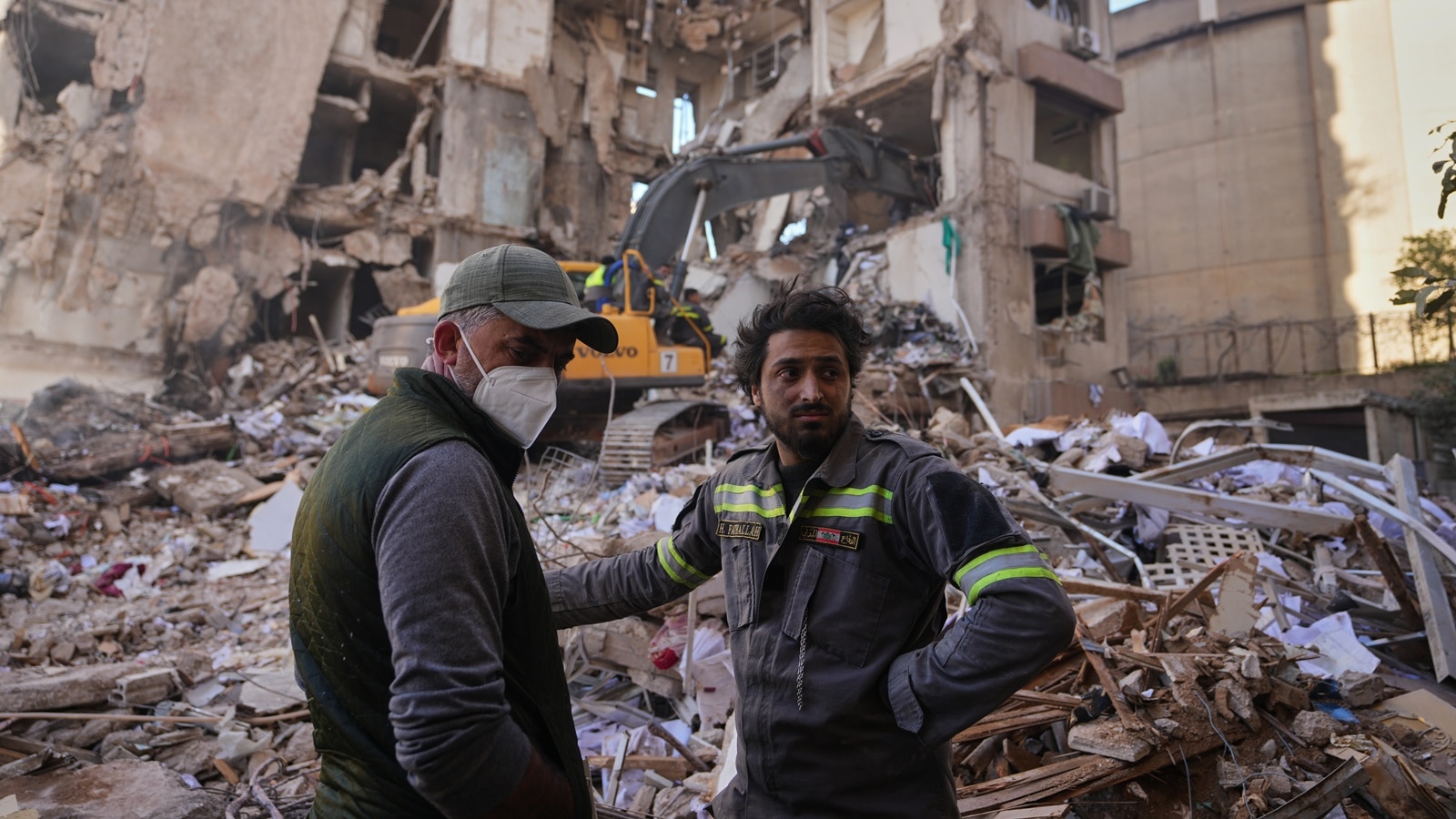
A series of explosions tore through Beirut on Thursday afternoon, shattering any sense of normalcy within minutes. At 2.14 pm, the first blast hit with a force that mimicked the crash of heavy metal collapsing nearby. What initially felt like a single incident quickly escalated into something far more devastating. Within seconds multiple strikes followed, echoing across the city.
A reporter of the news agency Associated Press recalled the horrifying moments when smoke swelled over Beirut’s skyline, stretching from the seaside corniche to its busiest junctions, cutting across both wealthy districts and poorer neighbourhoods. The blasts came one after another.
Then came the repeated blasts. Boom. Boom. Boom. Soon, people stopped counting, the AP reporter recalled.
Fear spread just as quickly inside the news agency’s office building, where a staff member ran in from downstairs, and her face was pale and her lips trembling with the shock that gripped those caught in the moment.
More than 300 people were killed, including more than 100 women, children and the elderly. Late-night TV shows said it rivalled one of the worst days during Israel’s 1982 invasion of Beirut, in August of that year, when roughly 300 people were killed over some 10 hours of bombardment. Acrid smoke, frantic calls and looks of horror followed across the city, the AP reporter said.
Before Wednesday’s bombardment, many Lebanese had hoped that a ceasefire announced hours earlier in the Iran war would bring a pause in the more than a month of fighting between Israel and the Iran-backed militant group Hezbollah, the report said. It is still not clear what the targets were. Israel said it hit Hezbollah command and control centres, but the only Hezbollah official it reported killing was an aide to the group’s secretary general.
As bombs fell, panicked commuters got stuck in traffic while trying to rush home to move their families, unsure where Israel might hit next. Others made frantic calls on an overwhelmed communication network, looking for loved ones or yelling at relatives to pack up and leave. Confused drivers stared at the acrid black and white smoke billowing over the city, trying to determine which road to take.
Across the street, Sahar Charara was huddled in her apartment. When the dust cleared, she saw an elderly woman frozen in place and screaming for minutes, AP reported. “There were so much horror and fear in her screaming,” said Charara. Later, she learned that another neighbour had fallen from a balcony and died from the impact.
A strike hit near the home of Nahida Khalil, close to the corniche. Then she saw smoke also coming from the direction of her brother’s building. The next 15 minutes felt like an eternity as she tried to call her brother. When his wife responded, she was screaming that their building had been hit. “I lived through all the wars since 1975. I never felt this fear,” said Khalil. “These strikes are meant to terrorise… and to spoil the ceasefire and cause division” between the Lebanese.
The last strike came shortly after midnight, hitting Beirut’s southern suburbs. Mohammed Mehdi’s barbershop, in operation for 30 years, was destroyed. “They carried out 100 strikes. Ours was the 101st,” he said. “I am still in shock, and I don’t know where things are going. I lost my job, and this loss may last for a while.”
(With inputs from AP)
Stay updated with the latest - Click here to follow us on Instagram
A series of explosions tore through Beirut on Thursday afternoon, shattering any sense of normalcy within minutes. At 2.14 pm, the first blast hit with a force that mimicked the crash of heavy metal collapsing nearby. What initially felt like a single incident quickly escalated into something far more devastating. Within seconds multiple strikes followed, echoing across the city.
A reporter of the news agency Associated Press recalled the horrifying moments when smoke swelled over Beirut’s skyline, stretching from the seaside corniche to its busiest junctions, cutting across both wealthy districts and poorer neighbourhoods. The blasts came one after another.
Then came the repeated blasts. Boom. Boom. Boom. Soon, people stopped counting, the AP reporter recalled.
Fear spread just as quickly inside the news agency’s office building, where a staff member ran in from downstairs, and her face was pale and her lips trembling with the shock that gripped those caught in the moment.
More than 300 people were killed, including more than 100 women, children and the elderly. Late-night TV shows said it rivalled one of the worst days during Israel’s 1982 invasion of Beirut, in August of that year, when roughly 300 people were killed over some 10 hours of bombardment. Acrid smoke, frantic calls and looks of horror followed across the city, the AP reporter said.
Before Wednesday’s bombardment, many Lebanese had hoped that a ceasefire announced hours earlier in the Iran war would bring a pause in the more than a month of fighting between Israel and the Iran-backed militant group Hezbollah, the report said. It is still not clear what the targets were. Israel said it hit Hezbollah command and control centres, but the only Hezbollah official it reported killing was an aide to the group’s secretary general.
As bombs fell, panicked commuters got stuck in traffic while trying to rush home to move their families, unsure where Israel might hit next. Others made frantic calls on an overwhelmed communication network, looking for loved ones or yelling at relatives to pack up and leave. Confused drivers stared at the acrid black and white smoke billowing over the city, trying to determine which road to take.
Across the street, Sahar Charara was huddled in her apartment. When the dust cleared, she saw an elderly woman frozen in place and screaming for minutes, AP reported. “There were so much horror and fear in her screaming,” said Charara. Later, she learned that another neighbour had fallen from a balcony and died from the impact.
A strike hit near the home of Nahida Khalil, close to the corniche. Then she saw smoke also coming from the direction of her brother’s building. The next 15 minutes felt like an eternity as she tried to call her brother. When his wife responded, she was screaming that their building had been hit. “I lived through all the wars since 1975. I never felt this fear,” said Khalil. “These strikes are meant to terrorise… and to spoil the ceasefire and cause division” between the Lebanese.
The last strike came shortly after midnight, hitting Beirut’s southern suburbs. Mohammed Mehdi’s barbershop, in operation for 30 years, was destroyed. “They carried out 100 strikes. Ours was the 101st,” he said. “I am still in shock, and I don’t know where things are going. I lost my job, and this loss may last for a while.”
(With inputs from AP)