

Iran Supreme Leader Khamenei warns US bases in Gulf ‘no longer have safe haven’ amid Hormuz talks
Mojtaba Khamenei's message comes even as US Secretary of State Marco Rubio said a possible understanding with Iran could still take “a few more days”, even as fresh US military strikes in southern Iran have raised tensions.
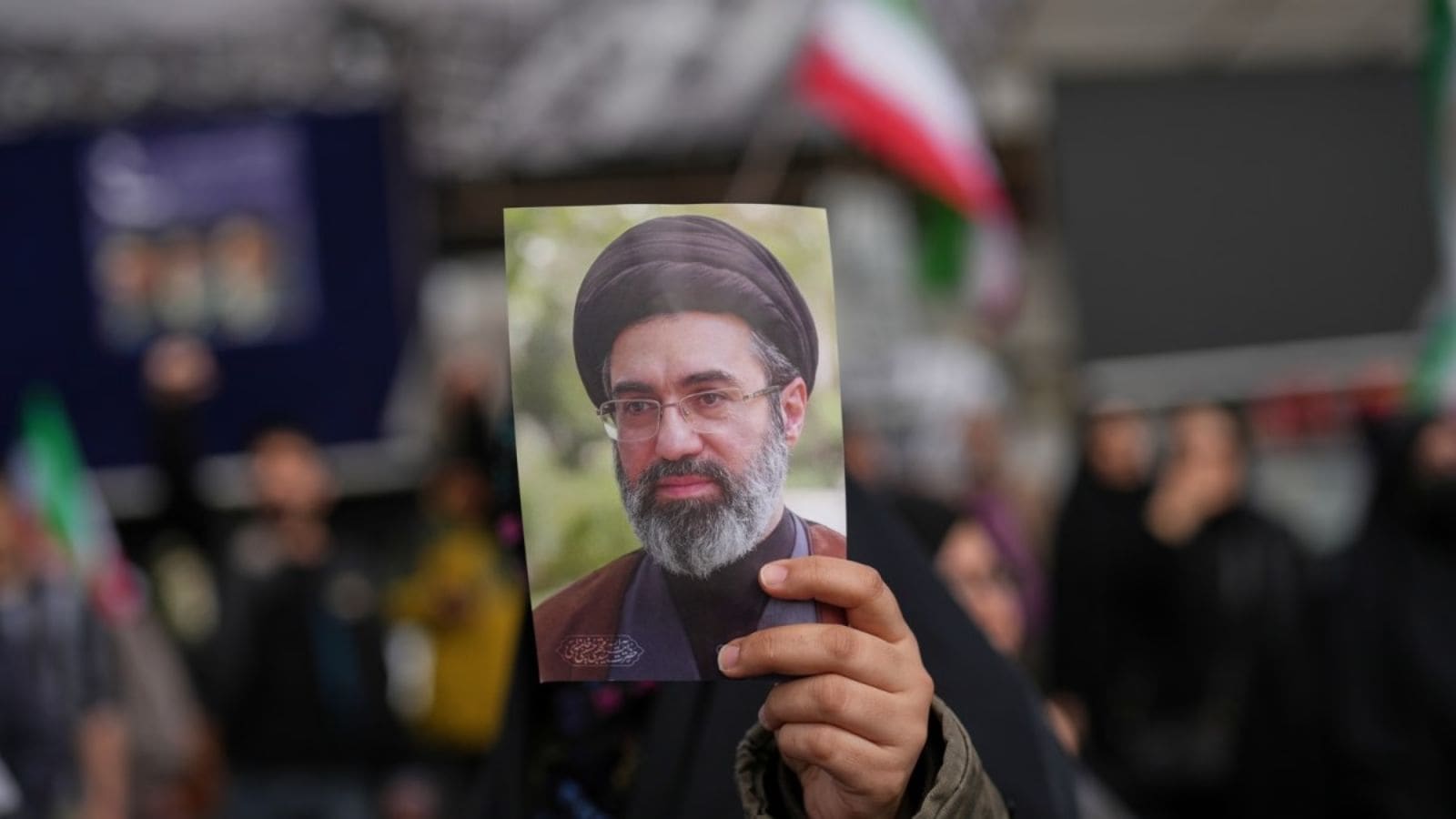
Iran’s Supreme Leader Mojtaba Khamenei on Monday warned that American military bases across the Gulf would no longer have a “safe haven”, hinting at a sharper tone from Tehran even as diplomatic efforts continue to prevent a wider regional escalation, news agency AFP reported.
“What is certain in this regard is that the hands of time will not turn backwards, and the nations and lands of the region will no longer serve as shields for American bases,” said Khamenei, who has not appeared in public since he took office in March, in a message marking the Eid al-Adha holiday, AFP reported.
The statement comes amid renewed negotiations involving US and Iranian officials over de-escalation and the future of the Strait of Hormuz.
The warning is being seen as one of Tehran’s strongest public messages in recent weeks, directed at both Washington and Gulf Arab states hosting American military infrastructure. Analysts say the remarks underscore Iran’s efforts to maintain strategic pressure while talks remain underway in Doha and other regional channels.
Reuters reported that Khamenei’s comments come at a delicate moment in ongoing diplomacy, with negotiators still attempting to stabilise maritime traffic through the Strait of Hormuz and reduce the risk of direct military confrontation. US Secretary of State Marco Rubio said on Monday that a possible understanding with Iran could still take “a few more days”, even as fresh US military strikes in southern Iran have raised tensions.
Recent reporting by The Guardian also noted that Khamenei’s remarks reflect Tehran’s broader push to frame the current crisis as a turning point in regional geopolitics, with Iran calling for stronger Muslim regional alignment independent of US security influence.
The latest rhetoric is likely to deepen concerns around the security of US bases in countries such as Bahrain, Qatar and the United Arab Emirates, all of which remain central to Washington’s military footprint in the Gulf.
Despite the hardening language, backchannel negotiations between Tehran and Washington have not broken down. But with mistrust still high and military activity continuing across the region, Khamenei’s warning adds another layer of uncertainty to already fragile efforts to avoid a broader Middle East conflict.
Stay updated with the latest - Click here to follow us on Instagram
Iran’s Supreme Leader Mojtaba Khamenei on Monday warned that American military bases across the Gulf would no longer have a “safe haven”, hinting at a sharper tone from Tehran even as diplomatic efforts continue to prevent a wider regional escalation, news agency AFP reported.
“What is certain in this regard is that the hands of time will not turn backwards, and the nations and lands of the region will no longer serve as shields for American bases,” said Khamenei, who has not appeared in public since he took office in March, in a message marking the Eid al-Adha holiday, AFP reported.
The statement comes amid renewed negotiations involving US and Iranian officials over de-escalation and the future of the Strait of Hormuz.
The warning is being seen as one of Tehran’s strongest public messages in recent weeks, directed at both Washington and Gulf Arab states hosting American military infrastructure. Analysts say the remarks underscore Iran’s efforts to maintain strategic pressure while talks remain underway in Doha and other regional channels.
Reuters reported that Khamenei’s comments come at a delicate moment in ongoing diplomacy, with negotiators still attempting to stabilise maritime traffic through the Strait of Hormuz and reduce the risk of direct military confrontation. US Secretary of State Marco Rubio said on Monday that a possible understanding with Iran could still take “a few more days”, even as fresh US military strikes in southern Iran have raised tensions.
Recent reporting by The Guardian also noted that Khamenei’s remarks reflect Tehran’s broader push to frame the current crisis as a turning point in regional geopolitics, with Iran calling for stronger Muslim regional alignment independent of US security influence.
The latest rhetoric is likely to deepen concerns around the security of US bases in countries such as Bahrain, Qatar and the United Arab Emirates, all of which remain central to Washington’s military footprint in the Gulf.
Despite the hardening language, backchannel negotiations between Tehran and Washington have not broken down. But with mistrust still high and military activity continuing across the region, Khamenei’s warning adds another layer of uncertainty to already fragile efforts to avoid a broader Middle East conflict.