

Earthquake of magnitude 6.1 jolts northeastern Japan; no tsunami warning issued
Authorities have cautioned that further aftershocks are possible. The recent string of earthquakes, coupled with the ongoing typhoon season, has raised concerns over the risk of landslides in vulnerable areas.
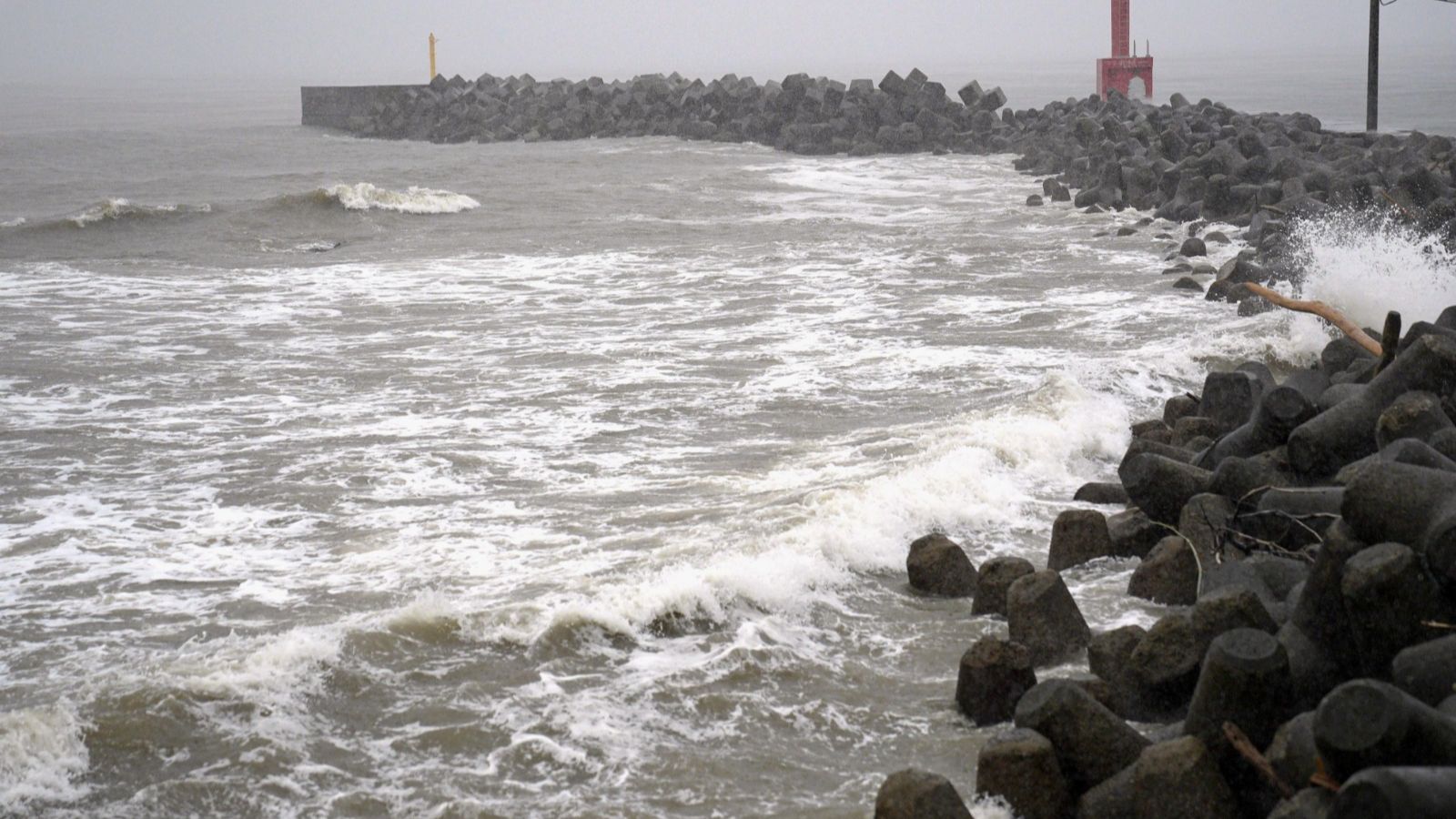
An earthquake of magnitude 6.1 struck Japan’s northeastern coast early Sunday, shaking parts of Iwate and neighbouring prefectures, according to the Japan Meteorological Agency (JMA). No tsunami warning was issued, and there were no immediate reports of damage or casualties.
The earthquake hit at 7.25 am local time off the coast of Iwate Prefecture at a depth of about 40 km. Tremors were also felt in Aomori Prefecture and other nearby areas.
The latest temblor comes days after a stronger 7.2-magnitude earthquake jolted the same region on Thursday. The JMA had initially estimated the quake at magnitude 7.0 before revising it upward to 7.2.
Authorities have cautioned that further aftershocks are possible. The recent string of earthquakes, coupled with the ongoing typhoon season, has raised concerns over the risk of landslides in vulnerable areas.
On Friday, another earthquake measuring magnitude 5.6 shook Yamanashi Prefecture and surrounding areas near Mount Fuji, west of Tokyo.
Japan, located along the seismically active Pacific Ring of Fire, is one of the world’s most earthquake-prone countries and regularly experiences strong tremors.
The death toll from the powerful earthquakes that struck Venezuela earlier this week climbed to 1,430 on Saturday, as rescue teams and residents continued searching for survivors beneath collapsed buildings across the country’s northern coast.
Officials said at least 68,900 people had been reported missing as of Saturday morning, three days after back-to-back earthquakes measuring magnitude 7.2 and 7.5 devastated several parts of the South American nation.
In La Guaira, one of the worst-affected states, families and volunteers searched for missing relatives and neighbours using shovels, ropes, heavy machinery and even their bare hands. Many residents complained that emergency responders were overwhelmed, forcing civilians to lead rescue efforts.
Public frustration grew over what many described as an inadequate government response. Amid mounting criticism, U.S.-backed interim Venezuelan leader Delcy Rodríguez said the country was “not alone” as international rescue teams and humanitarian assistance continued to arrive.
(With Agencies Input)
Stay updated with the latest - Click here to follow us on Instagram
An earthquake of magnitude 6.1 struck Japan’s northeastern coast early Sunday, shaking parts of Iwate and neighbouring prefectures, according to the Japan Meteorological Agency (JMA). No tsunami warning was issued, and there were no immediate reports of damage or casualties.
The earthquake hit at 7.25 am local time off the coast of Iwate Prefecture at a depth of about 40 km. Tremors were also felt in Aomori Prefecture and other nearby areas.
The latest temblor comes days after a stronger 7.2-magnitude earthquake jolted the same region on Thursday. The JMA had initially estimated the quake at magnitude 7.0 before revising it upward to 7.2.
Authorities have cautioned that further aftershocks are possible. The recent string of earthquakes, coupled with the ongoing typhoon season, has raised concerns over the risk of landslides in vulnerable areas.
On Friday, another earthquake measuring magnitude 5.6 shook Yamanashi Prefecture and surrounding areas near Mount Fuji, west of Tokyo.
Japan, located along the seismically active Pacific Ring of Fire, is one of the world’s most earthquake-prone countries and regularly experiences strong tremors.
The death toll from the powerful earthquakes that struck Venezuela earlier this week climbed to 1,430 on Saturday, as rescue teams and residents continued searching for survivors beneath collapsed buildings across the country’s northern coast.
Officials said at least 68,900 people had been reported missing as of Saturday morning, three days after back-to-back earthquakes measuring magnitude 7.2 and 7.5 devastated several parts of the South American nation.
In La Guaira, one of the worst-affected states, families and volunteers searched for missing relatives and neighbours using shovels, ropes, heavy machinery and even their bare hands. Many residents complained that emergency responders were overwhelmed, forcing civilians to lead rescue efforts.
Public frustration grew over what many described as an inadequate government response. Amid mounting criticism, U.S.-backed interim Venezuelan leader Delcy Rodríguez said the country was “not alone” as international rescue teams and humanitarian assistance continued to arrive.
(With Agencies Input)