

Israeli military vows to stay in Lebanon in blow to US-Iran peace talks
Israel refuses to withdraw troops from Lebanon, following the memorandum of understanding filed between the US and Iran.
Israel will not withdraw troops from southern Lebanon “even if there is an American demand,” a top defence official said in Tel Aviv, complicating the US-Iran peace talks. While there is no such demand from the United States yet, the statement from Israel Katz, the defence minister of Israel, comes as the country finds itself in divergence from US goals.
Speaking in an interview in Tel Aviv, Katz said, “The IDF is prepared … and we are not retreating. We announced that in any case we are not withdrawing, and as of this moment – and this is a political achievement – there is no American demand for Israel to withdraw from Lebanon.”
The memorandum of understanding (MOU) signed between the US and Iran last week, halted the war and also imposed a ceasefire between Israel and Hezbollah in Lebanon. The first obstacle to permanent peace came after Israel continued its campaign in Lebanon, following which Iran threatened to close the Strait of Hormuz.
A ‘security zone’ is controlled by Israel in southern Lebanon, which stretches across the shared border and into Lebanese territory. According to the Memorandum of Understanding, Iran had insisted that Israel stops its war there and withdraws its troops, in sharp contrast to Trump saying on Wednesday that Iran was “agreeing to everything I want”.
Israel wants to hand over the territory to the Lebanese army, which will be entrusted with ensuring that the area stays free of Hezbollah fighters. But the US-mediated talks regarding Israeli withdrawal from the region do not involve Hezbollah, casting doubts on their effectiveness.
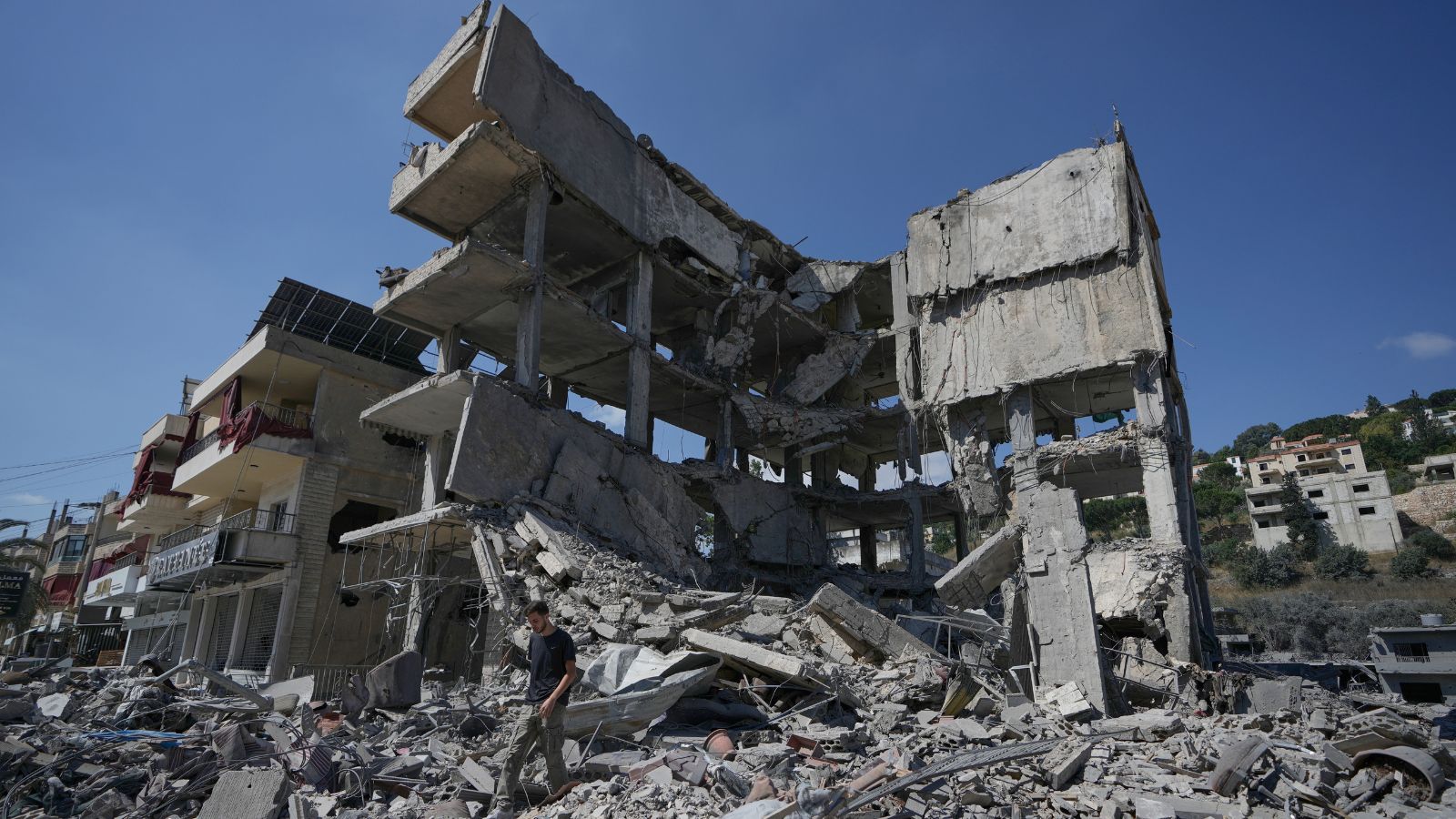
The violence in Lebanon has not subsided, as Israel targeted a vehicle near the town of Kfar Rumman on Wednesday, killing two people, according to Lebanese state media. An Israeli Defence Forces (IDF) military official confirmed to news agency Times of Israel that a strike was carried out against Hezbollah operatives where a drone targeted a car near town.
As Hezbollah accused Israel of violating the ceasefire, Israeli military said that troops of its Givati Brigade’s Reconnaissance Unit, operating in the Ali Taher ridge area near Nabatieh, had also targeted two Hezbollah fighters near the city, who “posed a threat to forces operating in the security zone.”
Israeli Defence Forces (IDF) spokesperson Col. Avichay Adraee also posted imaged of the gunmen on social media platform X.
🔴بعد بالقرب من المنطقة الأمنية: جيش الدفاع يهاجم استهدف مسلحين اثنين من حزب الله شكّلا تهديدًا لقواتنا في منطقة تلة علي الطاهر
🔸رصدت قوات لواء غفعاتي العاملة في مرتفعات علي الطاهر صباح اليوم مخربين مسلحين اثنين من حزب الله شكّلا تهديدًا لقواتنا العاملة في المنطقة الأمنية.… pic.twitter.com/ELWwbqeQcB
— افيخاي ادرعي (@AvichayAdraee) June 24, 2026
Iran’s Parliament Speaker Mohammad Bagher Ghalibag, a key member of the negotiating team from Tehran, had emphasised the importance of a ceasefire in Iran during a meeting in Baku. “For us, a ceasefire in Lebanon is as important as a ceasefire in Iran, and further, an end to the war in Lebanon is as important as an end to the war in Iran,” he said.
Attacks started in the region on 2 March, when Hezbollah launched rockets at Israel in retaliation for the killing of then Supreme Leader Ayatollah Ali Khamenei. Israel launched an invasion in response, and has killed more than 4,200 people since, while Hezbollah attacks have killed at least 36 Israeli soldiers in Lebanon and three Israeli civilians.
US Secretary of State Marco Rubio is currently on a three-day tour to the Arab Gulf, hoping to allay concerns from allies that the MoU signed last week was too pacifying. Rubio is visiting the United Arab Emirates (UAE), Kuwait, and Bahrain, all three struck by Iranian strikes during the four-month war. Iran defended its stance saying they hosted US bases that made them legitimate targets.
“We want to hear from our partners,” Rubio said when asked about the concerns of their allies in Abu Dhabi. “We want to make sure that their views are taken into account, and we understand their security concerns, their regional economic concerns as well.”
In a meeting with NATO chief, Mark Rutte, Trump acknowledged he had failed to inform the alliance of his plans to start the war, but said he felt “let down” by them. European leaders are expected to convince Trump to remain committed to the alliance, as he plans to travel to Turkey for a NATO summit next month.
On Wednesday, Trump said that no money had been given to Iran, and that there would be no tolls charged on ships going through the strait of Hormuz. However, a diplomat told news agency Reuters that Iran is pushing for transit fees for vessels sailing through the strait.
According to a statement by Trump, Iran had also allowed inspections into its nuclear sites as part of last week’s agreement. The US had said that stopping Iran’s nuclear programme was one of its key objectives. Iran’s deputy foreign minister Kazem Gharibabadi denied the request for a meeting with International Atomic Energy Agency chief Rafael Grossi, and said that no inspections would take place until a final agreement was in place.
Direct talks between Israel and Lebanon are expected to conclude on Thursday, with the US reportedly hoping that Israel will agree to a partial withdrawal from the territory, where the Lebanese army would replace IDF troops.
(This story was written by Sneha Sharma, an intern with the indianexpress.com)
Stay updated with the latest - Click here to follow us on Instagram
Israel will not withdraw troops from southern Lebanon “even if there is an American demand,” a top defence official said in Tel Aviv, complicating the US-Iran peace talks. While there is no such demand from the United States yet, the statement from Israel Katz, the defence minister of Israel, comes as the country finds itself in divergence from US goals.
Speaking in an interview in Tel Aviv, Katz said, “The IDF is prepared … and we are not retreating. We announced that in any case we are not withdrawing, and as of this moment – and this is a political achievement – there is no American demand for Israel to withdraw from Lebanon.”
The memorandum of understanding (MOU) signed between the US and Iran last week, halted the war and also imposed a ceasefire between Israel and Hezbollah in Lebanon. The first obstacle to permanent peace came after Israel continued its campaign in Lebanon, following which Iran threatened to close the Strait of Hormuz.
A ‘security zone’ is controlled by Israel in southern Lebanon, which stretches across the shared border and into Lebanese territory. According to the Memorandum of Understanding, Iran had insisted that Israel stops its war there and withdraws its troops, in sharp contrast to Trump saying on Wednesday that Iran was “agreeing to everything I want”.
Israel wants to hand over the territory to the Lebanese army, which will be entrusted with ensuring that the area stays free of Hezbollah fighters. But the US-mediated talks regarding Israeli withdrawal from the region do not involve Hezbollah, casting doubts on their effectiveness.
The violence in Lebanon has not subsided, as Israel targeted a vehicle near the town of Kfar Rumman on Wednesday, killing two people, according to Lebanese state media. An Israeli Defence Forces (IDF) military official confirmed to news agency Times of Israel that a strike was carried out against Hezbollah operatives where a drone targeted a car near town.
As Hezbollah accused Israel of violating the ceasefire, Israeli military said that troops of its Givati Brigade’s Reconnaissance Unit, operating in the Ali Taher ridge area near Nabatieh, had also targeted two Hezbollah fighters near the city, who “posed a threat to forces operating in the security zone.”
Israeli Defence Forces (IDF) spokesperson Col. Avichay Adraee also posted imaged of the gunmen on social media platform X.
🔴بعد بالقرب من المنطقة الأمنية: جيش الدفاع يهاجم استهدف مسلحين اثنين من حزب الله شكّلا تهديدًا لقواتنا في منطقة تلة علي الطاهر
🔸رصدت قوات لواء غفعاتي العاملة في مرتفعات علي الطاهر صباح اليوم مخربين مسلحين اثنين من حزب الله شكّلا تهديدًا لقواتنا العاملة في المنطقة الأمنية.… pic.twitter.com/ELWwbqeQcB
— افيخاي ادرعي (@AvichayAdraee) June 24, 2026
Iran’s Parliament Speaker Mohammad Bagher Ghalibag, a key member of the negotiating team from Tehran, had emphasised the importance of a ceasefire in Iran during a meeting in Baku. “For us, a ceasefire in Lebanon is as important as a ceasefire in Iran, and further, an end to the war in Lebanon is as important as an end to the war in Iran,” he said.
Attacks started in the region on 2 March, when Hezbollah launched rockets at Israel in retaliation for the killing of then Supreme Leader Ayatollah Ali Khamenei. Israel launched an invasion in response, and has killed more than 4,200 people since, while Hezbollah attacks have killed at least 36 Israeli soldiers in Lebanon and three Israeli civilians.
US Secretary of State Marco Rubio is currently on a three-day tour to the Arab Gulf, hoping to allay concerns from allies that the MoU signed last week was too pacifying. Rubio is visiting the United Arab Emirates (UAE), Kuwait, and Bahrain, all three struck by Iranian strikes during the four-month war. Iran defended its stance saying they hosted US bases that made them legitimate targets.
“We want to hear from our partners,” Rubio said when asked about the concerns of their allies in Abu Dhabi. “We want to make sure that their views are taken into account, and we understand their security concerns, their regional economic concerns as well.”
In a meeting with NATO chief, Mark Rutte, Trump acknowledged he had failed to inform the alliance of his plans to start the war, but said he felt “let down” by them. European leaders are expected to convince Trump to remain committed to the alliance, as he plans to travel to Turkey for a NATO summit next month.
On Wednesday, Trump said that no money had been given to Iran, and that there would be no tolls charged on ships going through the strait of Hormuz. However, a diplomat told news agency Reuters that Iran is pushing for transit fees for vessels sailing through the strait.
According to a statement by Trump, Iran had also allowed inspections into its nuclear sites as part of last week’s agreement. The US had said that stopping Iran’s nuclear programme was one of its key objectives. Iran’s deputy foreign minister Kazem Gharibabadi denied the request for a meeting with International Atomic Energy Agency chief Rafael Grossi, and said that no inspections would take place until a final agreement was in place.
Direct talks between Israel and Lebanon are expected to conclude on Thursday, with the US reportedly hoping that Israel will agree to a partial withdrawal from the territory, where the Lebanese army would replace IDF troops.
(This story was written by Sneha Sharma, an intern with the indianexpress.com)