

Israel, Lebanon renew ceasefire, agree on ‘pilot’ security zones free of Hezbollah
Both countries also agreed to another round of talks during the week of June 22, as they eye “reaching a comprehensive agreement.”
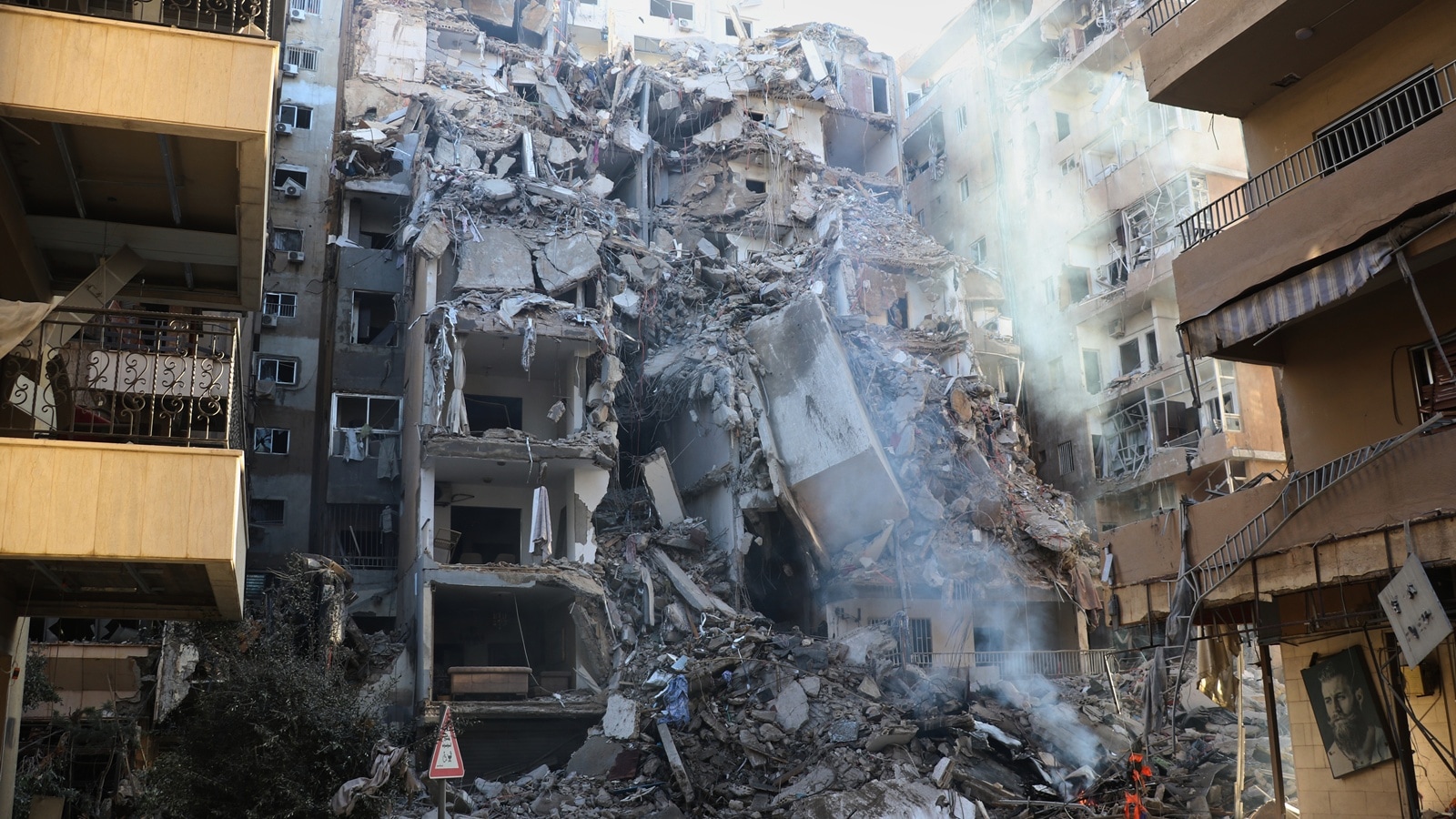
After weeks of intense fighting, Israel and Lebanon agreed on Wednesday to renew their fragile ceasefire and introduce a number of “pilot” security zones inside Lebanon from where Hezbollah militants would be banned, the Associated Press reported.
In a joint statement released after a fourth round of US-mediated talks at the State Department, the two sides said the ceasefire “is contingent on a complete cessation of Hezbollah fire and the evacuation of all Hezbollah operatives” from areas south of the Litani River.
The agreement comes just two days after Hezbollah agreed to a US-backed plan involving “mutual cessation of attacks” with Israel. According to the Lebanese embassy in Washington, the Iran-backed group agreed to halt attacks in exchange for Israel refraining from launching strikes in Beirut, news agency Reuters reported.
To secure the region, both nations — Lebanon and Israel — in their renewed deal, agreed to “swiftly advance the creation of pilot zones in which the Lebanese Armed Forces will take exclusive control of the territory to the exclusion of all non-state actors.”
Both delegations discussed a security framework that aims to ensuring the sovereignty, security and territorial integrity of Lebanon and Israel, according to the statement. This framework, it added, includes the dismantling of non-state armed groups, and the prevention of their re-emergence.
“These steps will enable progress towards a comprehensive peace and security agreement,” the statement read.
“All countries reaffirmed that the future of the relationship between Israel and Lebanon must be decided by the two sovereign governments. They rejected any attempt, by any state or non-state actor, to hold Lebanon’s future hostage,” it added.
Hezbollah has not been a part of the Israel-Lebanon talks being held since the beginning of last month.
“All parties condemned Iran’s attacks on countries in the region, and ongoing activities that undermine stability throughout the Middle East, whether through support for proxies and all other acts of aggression,” the statement said.
Both countries also agreed to another round of talks in the weeks around June 22, as they eye “reaching a comprehensive agreement.”
Stay updated with the latest - Click here to follow us on Instagram
After weeks of intense fighting, Israel and Lebanon agreed on Wednesday to renew their fragile ceasefire and introduce a number of “pilot” security zones inside Lebanon from where Hezbollah militants would be banned, the Associated Press reported.
In a joint statement released after a fourth round of US-mediated talks at the State Department, the two sides said the ceasefire “is contingent on a complete cessation of Hezbollah fire and the evacuation of all Hezbollah operatives” from areas south of the Litani River.
The agreement comes just two days after Hezbollah agreed to a US-backed plan involving “mutual cessation of attacks” with Israel. According to the Lebanese embassy in Washington, the Iran-backed group agreed to halt attacks in exchange for Israel refraining from launching strikes in Beirut, news agency Reuters reported.
To secure the region, both nations — Lebanon and Israel — in their renewed deal, agreed to “swiftly advance the creation of pilot zones in which the Lebanese Armed Forces will take exclusive control of the territory to the exclusion of all non-state actors.”
Both delegations discussed a security framework that aims to ensuring the sovereignty, security and territorial integrity of Lebanon and Israel, according to the statement. This framework, it added, includes the dismantling of non-state armed groups, and the prevention of their re-emergence.
“These steps will enable progress towards a comprehensive peace and security agreement,” the statement read.
“All countries reaffirmed that the future of the relationship between Israel and Lebanon must be decided by the two sovereign governments. They rejected any attempt, by any state or non-state actor, to hold Lebanon’s future hostage,” it added.
Hezbollah has not been a part of the Israel-Lebanon talks being held since the beginning of last month.
“All parties condemned Iran’s attacks on countries in the region, and ongoing activities that undermine stability throughout the Middle East, whether through support for proxies and all other acts of aggression,” the statement said.
Both countries also agreed to another round of talks in the weeks around June 22, as they eye “reaching a comprehensive agreement.”