

Trump’s blockade, oil shock, toll: Key questions answered on renewed Iran war
On July 6, Iran’s Islamic Revolutionary Guard Corps (IRGC) struck three commercial vessels, including a Qatari liquefied natural gas tanker, off Oman.
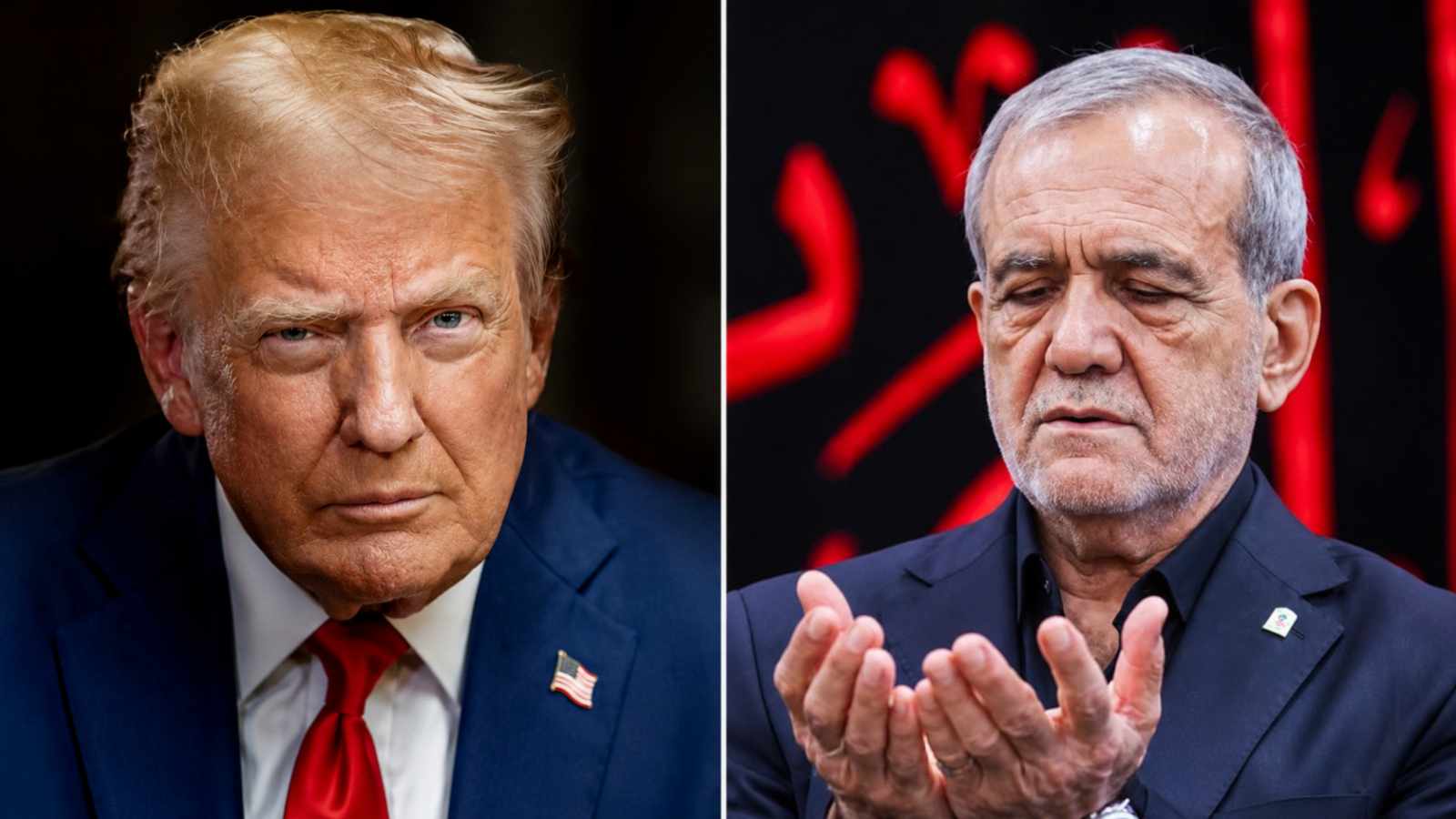
The tensions in the Middle East have spiralled with the US and Iran exchanging a fresh round of strikes for the third consecutive night. US President Donald Trump has said that the US would reinstate a naval blockade of Iranian ports and impose a 20 per cent levy on cargo passing through the Strait of Hormuz, framing it as compensation for American forces securing the route.
This comes after Iran shut down the strategic waterway on Sunday following an escalation in the offensive in the Gulf.
The oil prices have surged 2 per cent to a four-week high amid the renewed conflict between the US and Iran. Brent crude futures rose by $1.68, or 2 per cent, to $84.98 a barrel, while US West Texas Intermediate (WTI) crude rose by $1.65, or 2.1 per cent, to $79.79 a barrel as of 00.51 GMT.
This increase followed Brent crude’s 9.6 per cent rise — the sharpest single-day climb since May 2020.
The US said the latest wave of attacks on Iran on Monday night lasted five hours. In this, the US forces “successfully” struck Iranian military targets such as Bushehr, Chah Bahar, Jask, Konarak, Abu Musa, and Bandar Abbas, the United States Central Command (CENTCOM) said in a statement.
It said that the forces “employed precision munitions against Iranian coastal defense systems, missile and drone sites, and maritime capabilities”, to degrade further “Iran’s ability to attack commercial shipping”.
Iran retaliated by targeting Bahrain and two tankers linked to the United Arab Emirates on the Strait of Hormuz with drones and missiles, killing one Indian mariner and injuring eight others. Of the eight wounded, six were Indians.
The Islamic Revolutionary Guard Corps (IRGC) said it struck “several weapons storage depots, a satellite communications centre, and a building housing US forces” at Bahrain’s Al Juffair base.
It said the attacks were part of the second phase of its “retaliation operation”.
What happened on Sunday?
CENTCOM earlier said the US on Sunday hit “dozens of targets at multiple locations” that included “Iranian military air-defense systems, coastal radar sites, missile and drone capabilities, and small boats”. Iran said the US forces attacked at least eight locations across Khuzestan overnight. A person was killed, and four were wounded when a projectile hit an agricultural water-pumping station in Mahshahr. Meanwhile, a US-manufactured LUCAS suicide drone was “accurately” shot down in Bandar Abbas, a city on the Strait of Hormuz, Iranian media reported.
In response, Iran attacked Oman, Bahrain, Jordan, and Kuwait.
The IRGC said it targeted “the FPS long-range aerial radar and the vessel detection radar in Oman”, adding that these radar systems were destroyed. It used missiles and drones to attack “installations and infrastructure of the aggressive US army” in Juffair, and targeted several facilities at the Sheikh Isa Air Base in Bahrain.
While the IRGC said it struck Jordan’s Prince Hassan Air Base and set fire to several fuel depots and ammunition storage facilities, Jordan’s military said it intercepted “four missiles that entered Jordanian airspace” from Iranian territory.
In Kuwait, the IRGC attacked a US surface-to-surface missile base, setting ablaze “two HIMARS missile launchers and missile-packed warehouses, completely destroying them”.
The fragile ceasefire that was reached as part of the Iran-US peace deal was unravelled on July 6 when the IRGC struck three commercial vessels, including a Qatari liquefied natural gas tanker, off Oman. The next day, the US responded by attacking Iranian military targets, prompting Tehran’s counterattack with missiles and drones on military bases across the Gulf. The day after, Trump declared that the “ceasefire is over“.
Hossein Kermanpour, head of public relations, Iranian health ministry, said at least 17 people were killed and 115 others injured in the attacks by the US in the first three days of renewed conflict since July 6.
In the latest round of escalation, an Indian sailor was killed in an Iranian missile strike on a UAE-linked tanker on Hormuz, taking the total number of casualties to at least 18.
Lodging a protest with Iran over the attack on Indian seafarers in Hormuz, India’s Ministry of External Affairs has summoned Iran’s Deputy Chief of Mission.
The summons comes after an Indian crew member was killed in an attack on two UAE oil tankers in the Strait of Hormuz. After the Iranian attack, the UAE’s Ministry of Defence issued a statement, saying that the two tankers, Mombasa and Al Bahiyah, came under attack while passing through the southern shipping lane of the Strait of Hormuz.
Declaring an end to the ceasefire on July 8, the US has now reimposed its blockade on Iranian ports and announced a 20 per cent levy on cargo through Hormuz. Speaking to Newsmac, Trump said, “Now, they (Iranians) have something left, but it’s been largely taken away. As an example, their military had 159 ships; 159 ships are under the sea.”
He claimed that the 200 aeroplanes that Iran had “are all gone.” “Their radars gone, their anti-aircraft is gone, their weapon-making capability is largely gone – about 84 percent – and, you know, it’s largely gone. So they are a much different country than they were four months ago,” he said. “In four months, we’ve brought them back to the Stone Ages to a large extent,” Trump said.
Iran was a bully in the Middle East, but it couldn’t have bullied him, Trump said.
The IRGC on Sunday announced the closure of the Strait of Hormuz “until further notice”, warning that no vessels would be allowed to pass until what it called “American interventions” in the region ended.
— with inputs from Al Jazeera, CNN
Stay updated with the latest - Click here to follow us on Instagram
The tensions in the Middle East have spiralled with the US and Iran exchanging a fresh round of strikes for the third consecutive night. US President Donald Trump has said that the US would reinstate a naval blockade of Iranian ports and impose a 20 per cent levy on cargo passing through the Strait of Hormuz, framing it as compensation for American forces securing the route.
This comes after Iran shut down the strategic waterway on Sunday following an escalation in the offensive in the Gulf.
The oil prices have surged 2 per cent to a four-week high amid the renewed conflict between the US and Iran. Brent crude futures rose by $1.68, or 2 per cent, to $84.98 a barrel, while US West Texas Intermediate (WTI) crude rose by $1.65, or 2.1 per cent, to $79.79 a barrel as of 00.51 GMT.
This increase followed Brent crude’s 9.6 per cent rise — the sharpest single-day climb since May 2020.
The US said the latest wave of attacks on Iran on Monday night lasted five hours. In this, the US forces “successfully” struck Iranian military targets such as Bushehr, Chah Bahar, Jask, Konarak, Abu Musa, and Bandar Abbas, the United States Central Command (CENTCOM) said in a statement.
It said that the forces “employed precision munitions against Iranian coastal defense systems, missile and drone sites, and maritime capabilities”, to degrade further “Iran’s ability to attack commercial shipping”.
Iran retaliated by targeting Bahrain and two tankers linked to the United Arab Emirates on the Strait of Hormuz with drones and missiles, killing one Indian mariner and injuring eight others. Of the eight wounded, six were Indians.
The Islamic Revolutionary Guard Corps (IRGC) said it struck “several weapons storage depots, a satellite communications centre, and a building housing US forces” at Bahrain’s Al Juffair base.
It said the attacks were part of the second phase of its “retaliation operation”.
What happened on Sunday?
CENTCOM earlier said the US on Sunday hit “dozens of targets at multiple locations” that included “Iranian military air-defense systems, coastal radar sites, missile and drone capabilities, and small boats”. Iran said the US forces attacked at least eight locations across Khuzestan overnight. A person was killed, and four were wounded when a projectile hit an agricultural water-pumping station in Mahshahr. Meanwhile, a US-manufactured LUCAS suicide drone was “accurately” shot down in Bandar Abbas, a city on the Strait of Hormuz, Iranian media reported.
In response, Iran attacked Oman, Bahrain, Jordan, and Kuwait.
The IRGC said it targeted “the FPS long-range aerial radar and the vessel detection radar in Oman”, adding that these radar systems were destroyed. It used missiles and drones to attack “installations and infrastructure of the aggressive US army” in Juffair, and targeted several facilities at the Sheikh Isa Air Base in Bahrain.
While the IRGC said it struck Jordan’s Prince Hassan Air Base and set fire to several fuel depots and ammunition storage facilities, Jordan’s military said it intercepted “four missiles that entered Jordanian airspace” from Iranian territory.
In Kuwait, the IRGC attacked a US surface-to-surface missile base, setting ablaze “two HIMARS missile launchers and missile-packed warehouses, completely destroying them”.
The fragile ceasefire that was reached as part of the Iran-US peace deal was unravelled on July 6 when the IRGC struck three commercial vessels, including a Qatari liquefied natural gas tanker, off Oman. The next day, the US responded by attacking Iranian military targets, prompting Tehran’s counterattack with missiles and drones on military bases across the Gulf. The day after, Trump declared that the “ceasefire is over“.
Hossein Kermanpour, head of public relations, Iranian health ministry, said at least 17 people were killed and 115 others injured in the attacks by the US in the first three days of renewed conflict since July 6.
In the latest round of escalation, an Indian sailor was killed in an Iranian missile strike on a UAE-linked tanker on Hormuz, taking the total number of casualties to at least 18.
Lodging a protest with Iran over the attack on Indian seafarers in Hormuz, India’s Ministry of External Affairs has summoned Iran’s Deputy Chief of Mission.
The summons comes after an Indian crew member was killed in an attack on two UAE oil tankers in the Strait of Hormuz. After the Iranian attack, the UAE’s Ministry of Defence issued a statement, saying that the two tankers, Mombasa and Al Bahiyah, came under attack while passing through the southern shipping lane of the Strait of Hormuz.
Declaring an end to the ceasefire on July 8, the US has now reimposed its blockade on Iranian ports and announced a 20 per cent levy on cargo through Hormuz. Speaking to Newsmac, Trump said, “Now, they (Iranians) have something left, but it’s been largely taken away. As an example, their military had 159 ships; 159 ships are under the sea.”
He claimed that the 200 aeroplanes that Iran had “are all gone.” “Their radars gone, their anti-aircraft is gone, their weapon-making capability is largely gone – about 84 percent – and, you know, it’s largely gone. So they are a much different country than they were four months ago,” he said. “In four months, we’ve brought them back to the Stone Ages to a large extent,” Trump said.
Iran was a bully in the Middle East, but it couldn’t have bullied him, Trump said.
The IRGC on Sunday announced the closure of the Strait of Hormuz “until further notice”, warning that no vessels would be allowed to pass until what it called “American interventions” in the region ended.
— with inputs from Al Jazeera, CNN