

US-Iran conflict intensifies: Key developments, oil price surge and impact on India
Here are the latest developments in the West Asia escalation in 5 key points
The US has said it has concluded its latest round of strikes on Iran, which lasted for seven hours. The strikes targeted missile and drone sites as the US resumed the naval blockade on Iran, responding to attacks on ships transiting the Strait of Hormuz.
The US Central Command (CENTCOM) said, “US fighter aircraft, drones, and naval vessels launched precision munitions against Iranian missile and drone sites, naval capabilities, and coastal defense systems” during the operation.
In retaliation, Tehran targeted the US infrastructure in the Middle East.
The fresh round of US air strikes on Tuesday night targeted several locations along Iran’s southern coast.
Explosions were reported in Qeshm and Hengam islands, close to the Strait of Hormuz. Similar reports emerged from Bandar Abbas, Sirik, Ahvaz, and Bushehr, where air defence systems were activated, Al Jazeera reported.
A bottled water facility in Dehloran, and a military base in Bampur, in southeastern Sistan and Baluchestan province, were also struck, with projectiles hitting soldiers’ accommodation quarters. However, there was no confirmation of casualties, according to a report by Al Jazeera.
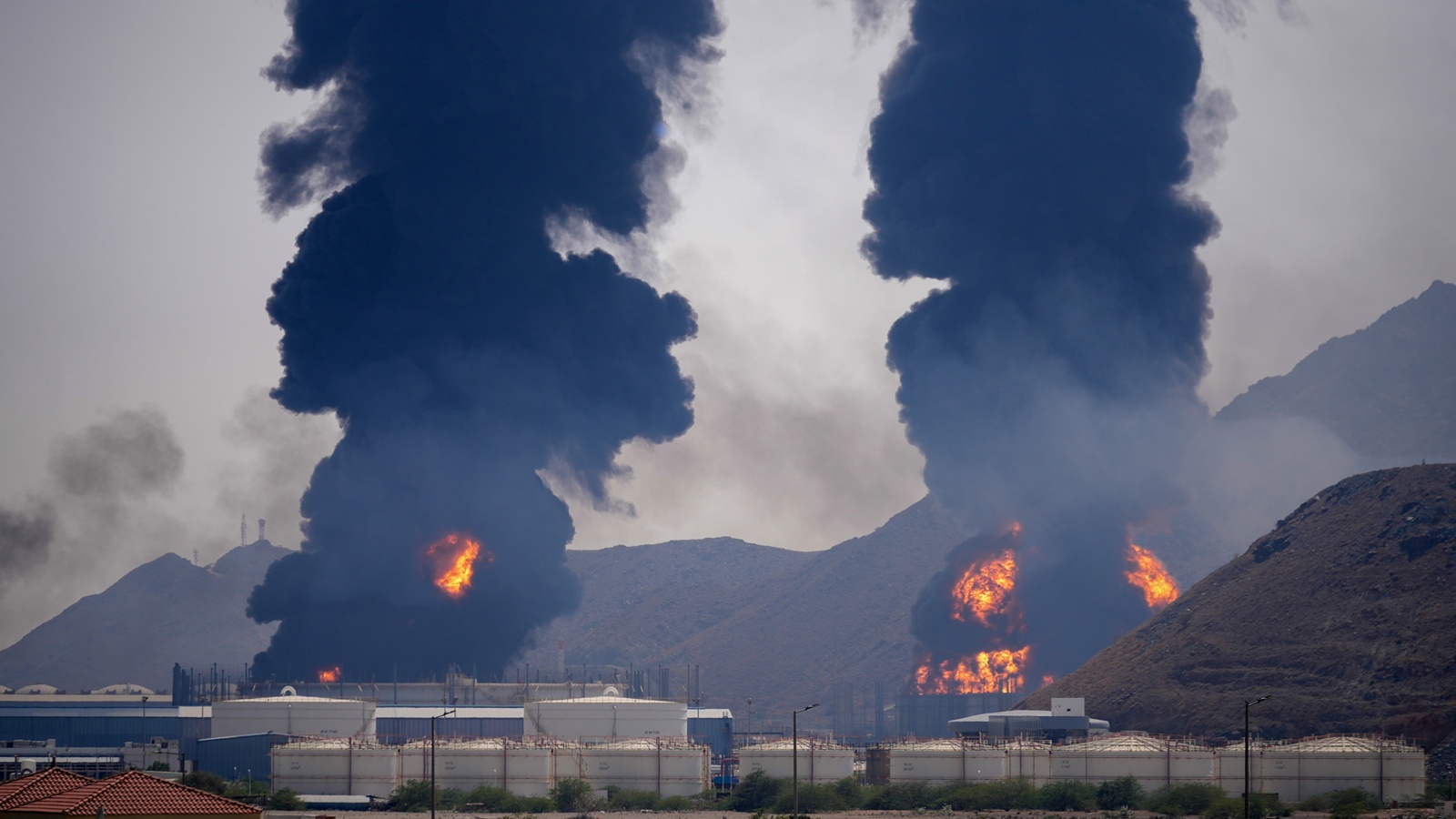
Iran hit US military bases in Bahrain, Kuwait, and Jordan. Iran’s Revolutionary Guard Corps (IRGC) said it destroyed the command control centre, naval support management centre, fuel tanks, and warehouses at the US Fifth Fleet base in Bahrain this morning.
In Kuwait’s Mina Abdullah, Tehran targeted the US military’s main logistics and support centre in Middle East. The IRGC said the strike gutted the facility during the fourth wave of the “Nasr 2” operation.
The army also said drone attacks were launched in areas where F-18 fighter jets and large equipment hangars were housed at Jordan’s Azraq airbase for the second time.
The Iranian government said at least 30 people were killed by the US targeting Iran in “recent days”. The comment from Fatemeh Mohajerani came on Wednesday as a Health Ministry spokesperson said more than 260 people had been wounded in overnight strikes in Iran.
However, the time period Mohajerani was referring to was not clear.
Meanwhile, the tally of deaths among US military personnel in the Iran war is now 14, the latest being that of a Navy pilot in a helicopter crash over the Arabian Sea in early July, Associated Press (AP) reported.
Brent crude climbed $1.46 to $86.19 per barrel on Wednesday morning, while WTI rose $1.11, or 1.4%, to $80.40, following the reimposition of the blockade on Iranian ports, Reuters reported.
On Tuesday, oil prices hit a four-week high, rising 2%, as attacks deepened a supply crisis in the Strait of Hormuz.
As the escalating situation in West Asia, along with the US restoration of the naval blockade, continues to drive up global oil prices, it would very likely widen India’s import bill and fiscal deficit, given the country’s heavy dependence on energy imports. This would result in inflation and the squeezing of corporate margins.
The Iranian military has said that the Hormuz waterway will remain shut “until the end of America’s evils”.
In a statement, the IRGC accused the US of “inciting vessels to use an illegal route” and said any alliance with the “aggressor enemy” would only lead to damage and delays in the reopening of the Strait of Hormuz and aggravate the global energy crisis.
The IRGC said the US military hit Iranian bases “under the pretext of hitting offending ships.. to hide its defeat and inability”.
However, it stated that “no ship dared to violate [the Hormuz blockade by Iran] or accompany the US”. Therefore, “naturally, there were no hits”, the statement noted.
Meanwhile, US President Donald Trump has said the attacks on Iran will go on “until I say enough”, mentioning potential targets as power plants and bridges. Speaking from the White House, Trump blamed Iran for triggering the breakdown of the ceasefire achieved during the peace deal signed between the two nations on June 7.
“They shot first, and that was a big mistake that they shot first because we have been knocking the hell out of them. They’re very difficult people,” Al Jazeera quoted Trump as saying.
Stay updated with the latest - Click here to follow us on Instagram
The US has said it has concluded its latest round of strikes on Iran, which lasted for seven hours. The strikes targeted missile and drone sites as the US resumed the naval blockade on Iran, responding to attacks on ships transiting the Strait of Hormuz.
The US Central Command (CENTCOM) said, “US fighter aircraft, drones, and naval vessels launched precision munitions against Iranian missile and drone sites, naval capabilities, and coastal defense systems” during the operation.
In retaliation, Tehran targeted the US infrastructure in the Middle East.
The fresh round of US air strikes on Tuesday night targeted several locations along Iran’s southern coast.
Explosions were reported in Qeshm and Hengam islands, close to the Strait of Hormuz. Similar reports emerged from Bandar Abbas, Sirik, Ahvaz, and Bushehr, where air defence systems were activated, Al Jazeera reported.
A bottled water facility in Dehloran, and a military base in Bampur, in southeastern Sistan and Baluchestan province, were also struck, with projectiles hitting soldiers’ accommodation quarters. However, there was no confirmation of casualties, according to a report by Al Jazeera.
Iran hit US military bases in Bahrain, Kuwait, and Jordan. Iran’s Revolutionary Guard Corps (IRGC) said it destroyed the command control centre, naval support management centre, fuel tanks, and warehouses at the US Fifth Fleet base in Bahrain this morning.
In Kuwait’s Mina Abdullah, Tehran targeted the US military’s main logistics and support centre in Middle East. The IRGC said the strike gutted the facility during the fourth wave of the “Nasr 2” operation.
The army also said drone attacks were launched in areas where F-18 fighter jets and large equipment hangars were housed at Jordan’s Azraq airbase for the second time.
The Iranian government said at least 30 people were killed by the US targeting Iran in “recent days”. The comment from Fatemeh Mohajerani came on Wednesday as a Health Ministry spokesperson said more than 260 people had been wounded in overnight strikes in Iran.
However, the time period Mohajerani was referring to was not clear.
Meanwhile, the tally of deaths among US military personnel in the Iran war is now 14, the latest being that of a Navy pilot in a helicopter crash over the Arabian Sea in early July, Associated Press (AP) reported.
Brent crude climbed $1.46 to $86.19 per barrel on Wednesday morning, while WTI rose $1.11, or 1.4%, to $80.40, following the reimposition of the blockade on Iranian ports, Reuters reported.
On Tuesday, oil prices hit a four-week high, rising 2%, as attacks deepened a supply crisis in the Strait of Hormuz.
As the escalating situation in West Asia, along with the US restoration of the naval blockade, continues to drive up global oil prices, it would very likely widen India’s import bill and fiscal deficit, given the country’s heavy dependence on energy imports. This would result in inflation and the squeezing of corporate margins.
The Iranian military has said that the Hormuz waterway will remain shut “until the end of America’s evils”.
In a statement, the IRGC accused the US of “inciting vessels to use an illegal route” and said any alliance with the “aggressor enemy” would only lead to damage and delays in the reopening of the Strait of Hormuz and aggravate the global energy crisis.
The IRGC said the US military hit Iranian bases “under the pretext of hitting offending ships.. to hide its defeat and inability”.
However, it stated that “no ship dared to violate [the Hormuz blockade by Iran] or accompany the US”. Therefore, “naturally, there were no hits”, the statement noted.
Meanwhile, US President Donald Trump has said the attacks on Iran will go on “until I say enough”, mentioning potential targets as power plants and bridges. Speaking from the White House, Trump blamed Iran for triggering the breakdown of the ceasefire achieved during the peace deal signed between the two nations on June 7.
“They shot first, and that was a big mistake that they shot first because we have been knocking the hell out of them. They’re very difficult people,” Al Jazeera quoted Trump as saying.