

‘Big sense of betrayal’: Angry Qatar PM Abdulrahman al Thani criticises Iranian strikes
Al Thani underlined that military escalation would only aggravate the crisis and that the responsibility to retract lies with all sides including US and Iran.
As Qatari defence forces have been fighting Iranian missiles and drone attacks since the beginning of the US-Israel Iran war, the Middle Eastern nation’s Prime Minister Sheikh Mohammed bin Abdulrahman al Thani got furious over the neighbouring country’s actions and called it a “big sense of betrayal”.
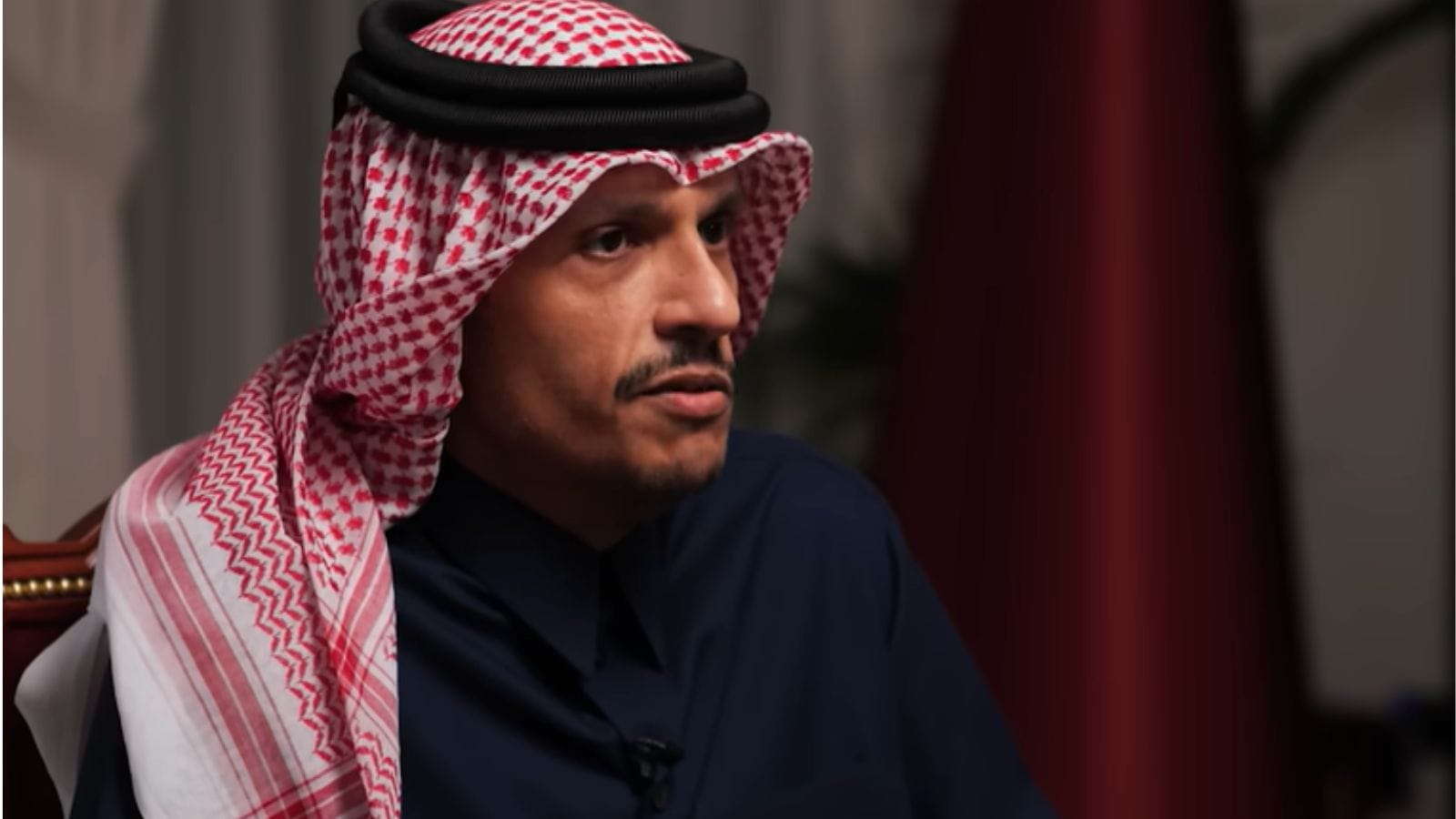
In his first interview to the media since the war began, Al Thani told Sky News, “It is a big sense of betrayal.” Visibly furious, he termed Iranian strikes on Gulf countries a “dangerous miscalculation and said, “Just an hour after the start of the war, Qatar and other Gulf countries have been attacked. We made clear that we were not going to take part in any wars against our neighbours.”
With its energy facility in Ras Laffan belonging to QatarEnergy hit by Iranian drones and civilians remaining cautious amid the hostilities, Al Thani said the country had entered what he called “a very difficult period”. He also lauded the army and air forces for their professionalism.
As the war rages, oil prices surged above $100 barrel in a record leap and share markets fell, forecasting higher living costs and repercussions in the global economy. Warning of an oil crisis, on Friday, Qatari Energy Minister Saad al-Kaabi told the Financial Times that all of the region’s producers could soon be forced to halt production and that prices could hit $150 a barrel.
For long, Doha held diplomatic channels open with Tehran and the continuous attacks came as a shock. “All the attacks on the Gulf countries – we never expected this from our neighbour,” Al Thani said. “We have always tried to preserve a good relationship with Iran, but the justifications and pretexts they are using are completely rejected.”
Al Thani underlined that military escalation would only aggravate the crisis and that the responsibility to retract lies with all sides including US and Iran. “We continue to seek de-escalation,” he said. “They are our neighbours – it’s our destiny.”
To push out of the crisis, diplomacy is the way to go, according to Al Thani. “The miscalculation by the Iranians to attack Gulf countries has destroyed everything,” he said, but insisted the answer now must be renewed negotiations.
While Iran claimed that the strikes were targeted against military infrastructure, Al Thani rebuffed it saying, “25% of the attacks are targeting civilian facilities. What has this got to do with the war? What do they want to achieve?”
Speaking about the global impact of the West Asian conflict, he said that what happens in the Gulf won’t stay in the Gulf.
His reaction came on a day Ayatollah Ali Khamenei’s son Majtaba Khamenei was named the new Supreme Leader of Iran. The 56-year-old Shi’ite cleric has been declared unacceptable by US President Donald Trump. The Republican president, who is on the biggest global diplomacy gamble, has sought Iran’s unconditional surrender.
Washington initially said its aim was to destroy Iran’s missile capabilities and nuclear programme, but Trump later said the war could end only with a compliant Iranian government. Israel had said it would kill whoever succeeded the elder Khamenei unless Iran ended its hostile policies.
Stay updated with the latest - Click here to follow us on Instagram
As Qatari defence forces have been fighting Iranian missiles and drone attacks since the beginning of the US-Israel Iran war, the Middle Eastern nation’s Prime Minister Sheikh Mohammed bin Abdulrahman al Thani got furious over the neighbouring country’s actions and called it a “big sense of betrayal”.
In his first interview to the media since the war began, Al Thani told Sky News, “It is a big sense of betrayal.” Visibly furious, he termed Iranian strikes on Gulf countries a “dangerous miscalculation and said, “Just an hour after the start of the war, Qatar and other Gulf countries have been attacked. We made clear that we were not going to take part in any wars against our neighbours.”
With its energy facility in Ras Laffan belonging to QatarEnergy hit by Iranian drones and civilians remaining cautious amid the hostilities, Al Thani said the country had entered what he called “a very difficult period”. He also lauded the army and air forces for their professionalism.
As the war rages, oil prices surged above $100 barrel in a record leap and share markets fell, forecasting higher living costs and repercussions in the global economy. Warning of an oil crisis, on Friday, Qatari Energy Minister Saad al-Kaabi told the Financial Times that all of the region’s producers could soon be forced to halt production and that prices could hit $150 a barrel.
For long, Doha held diplomatic channels open with Tehran and the continuous attacks came as a shock. “All the attacks on the Gulf countries – we never expected this from our neighbour,” Al Thani said. “We have always tried to preserve a good relationship with Iran, but the justifications and pretexts they are using are completely rejected.”
Al Thani underlined that military escalation would only aggravate the crisis and that the responsibility to retract lies with all sides including US and Iran. “We continue to seek de-escalation,” he said. “They are our neighbours – it’s our destiny.”
To push out of the crisis, diplomacy is the way to go, according to Al Thani. “The miscalculation by the Iranians to attack Gulf countries has destroyed everything,” he said, but insisted the answer now must be renewed negotiations.
While Iran claimed that the strikes were targeted against military infrastructure, Al Thani rebuffed it saying, “25% of the attacks are targeting civilian facilities. What has this got to do with the war? What do they want to achieve?”
Speaking about the global impact of the West Asian conflict, he said that what happens in the Gulf won’t stay in the Gulf.
His reaction came on a day Ayatollah Ali Khamenei’s son Majtaba Khamenei was named the new Supreme Leader of Iran. The 56-year-old Shi’ite cleric has been declared unacceptable by US President Donald Trump. The Republican president, who is on the biggest global diplomacy gamble, has sought Iran’s unconditional surrender.
Washington initially said its aim was to destroy Iran’s missile capabilities and nuclear programme, but Trump later said the war could end only with a compliant Iranian government. Israel had said it would kill whoever succeeded the elder Khamenei unless Iran ended its hostile policies.