

How countries have responded to sharp rise in crude oil price
The 30-share BSE Sensex crashed 2,494.35 points or 3.16 per cent to reach 76,424.55 while the 50-share NSE Nifty dropped 752.65 points or 3.07 per cent to 23,697.80.
Global markets tumbled on Monday with a steep surge in oil prices to their highest levels since 2022, triggering a broad sell-off in equities across Asia.
In India, Sensex and Nifty crashed over 3 per cent on Monday as war in Middle East caused crude oil prices to shoot up 30% early Monday to nearly $120 per barrel. The 30-share BSE Sensex crashed 2,494.35 points or 3.16 per cent to reach 76,424.55 while the 50-share NSE Nifty dropped 752.65 points or 3.07 per cent to 23,697.80. Facing the heat, several countries resorted to damage control measures.
Philippines
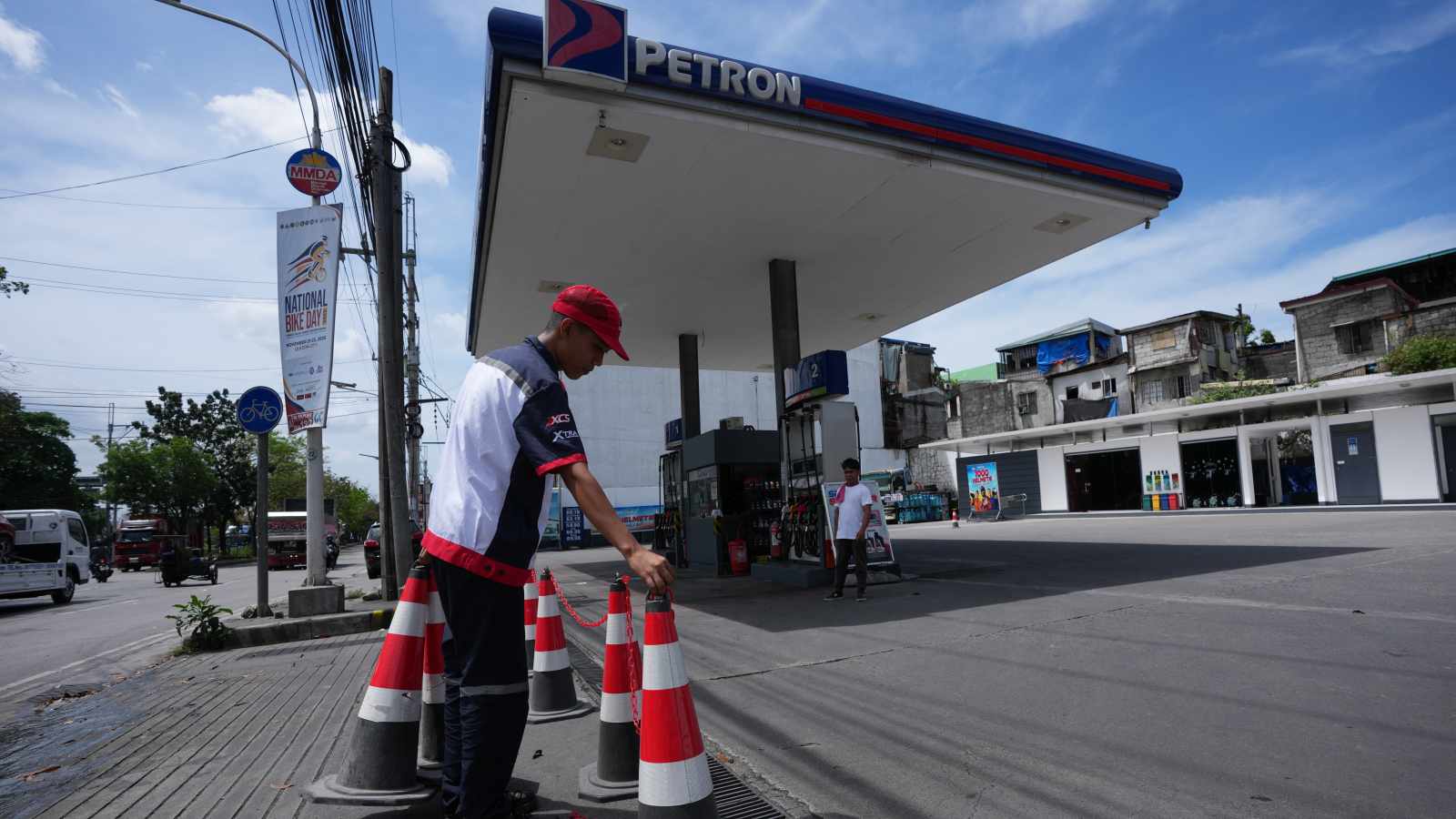
In Philippines, private firms have been asked to try a four-day work week. Philippines senator Francis Escudero backed the decision after President Ferdinand R Marcos Jr. started it for government offices on Monday. The move aims at fewer commutes, lower costs and less traffic, resulting in lesser fuel consumption.
Bangladesh
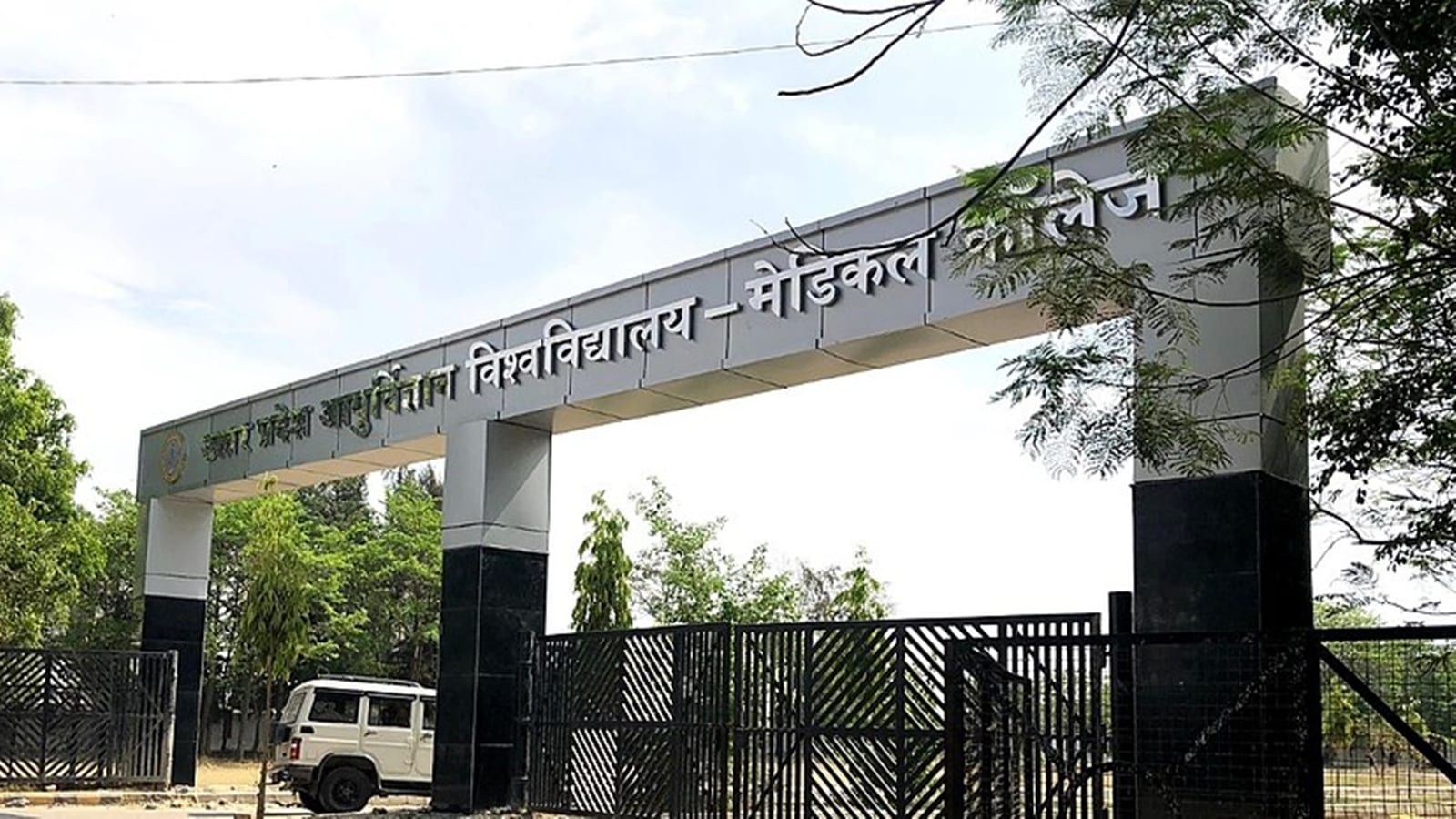
Bangladesh, meanwhile has shuts its universities and starting rationing of fuel amid a widening energy crisis due to the Middle East conflict. Authorities closed all the public and private universities across the country from Monday, bringing forward the holidays for Eid al-Fitr as part of emergency measures in order to conserve electricity and fuel.
South Korea
For the first time in 30 years, South Korea will cap domestic fuel prices following the tensions in the Strait of Hormuz region. South Korean President Lee Jae-myung said that the country will seek alternative energy shipments beyond the Strait of Hormuz, and if needed, a market stabilisation programme worth 100 trillion won will be expanded.
Japan
Akira Nagatsuma said the Japanese government has instructed a national oil reserve to prepare itself for a possible crude release. The details regarding the possible release are still unclear. Akira Nagatsuma is a member of the Japanese opposition party, the Centrist Reform Alliance.
Vietnam
To ensure a stable fuel supply, Vietnam plans to remove the import tariffs. Since the onset of the US-Israel-Iran conflict, the fuel prices in the country have already risen 21 to 32 per cent.
Indonesia
Indonesia’s finance minister said that it will increase the fuel subsidy allocations in its state budget. The government allocated around 381.3 trillion rupiah to subsidise energy and compensate Pertamina and PLN state firms for keeping fuel and electricity affordable.
The oil prices have surged above 100 dollars per barrel, and the rupiah exchange rates came around 16,500 per dollar. Indonesian Finance Minister Purbaya Yudhi Sadewa said that the government is reviewing the situation, and the subsidy budget may increase depending on how long prices remain high.
(With Reuters input)
Stay updated with the latest - Click here to follow us on Instagram
Global markets tumbled on Monday with a steep surge in oil prices to their highest levels since 2022, triggering a broad sell-off in equities across Asia.
In India, Sensex and Nifty crashed over 3 per cent on Monday as war in Middle East caused crude oil prices to shoot up 30% early Monday to nearly $120 per barrel. The 30-share BSE Sensex crashed 2,494.35 points or 3.16 per cent to reach 76,424.55 while the 50-share NSE Nifty dropped 752.65 points or 3.07 per cent to 23,697.80. Facing the heat, several countries resorted to damage control measures.
Philippines
In Philippines, private firms have been asked to try a four-day work week. Philippines senator Francis Escudero backed the decision after President Ferdinand R Marcos Jr. started it for government offices on Monday. The move aims at fewer commutes, lower costs and less traffic, resulting in lesser fuel consumption.
Bangladesh
Bangladesh, meanwhile has shuts its universities and starting rationing of fuel amid a widening energy crisis due to the Middle East conflict. Authorities closed all the public and private universities across the country from Monday, bringing forward the holidays for Eid al-Fitr as part of emergency measures in order to conserve electricity and fuel.
South Korea
For the first time in 30 years, South Korea will cap domestic fuel prices following the tensions in the Strait of Hormuz region. South Korean President Lee Jae-myung said that the country will seek alternative energy shipments beyond the Strait of Hormuz, and if needed, a market stabilisation programme worth 100 trillion won will be expanded.
Japan
Akira Nagatsuma said the Japanese government has instructed a national oil reserve to prepare itself for a possible crude release. The details regarding the possible release are still unclear. Akira Nagatsuma is a member of the Japanese opposition party, the Centrist Reform Alliance.
Vietnam
To ensure a stable fuel supply, Vietnam plans to remove the import tariffs. Since the onset of the US-Israel-Iran conflict, the fuel prices in the country have already risen 21 to 32 per cent.
Indonesia
Indonesia’s finance minister said that it will increase the fuel subsidy allocations in its state budget. The government allocated around 381.3 trillion rupiah to subsidise energy and compensate Pertamina and PLN state firms for keeping fuel and electricity affordable.
The oil prices have surged above 100 dollars per barrel, and the rupiah exchange rates came around 16,500 per dollar. Indonesian Finance Minister Purbaya Yudhi Sadewa said that the government is reviewing the situation, and the subsidy budget may increase depending on how long prices remain high.
(With Reuters input)