

Mughal history in crossfire: Iconic Golestan Palace damaged in Tehran airstrike as UNESCO issues urgent warning
UNESCO said that Golestan Palace is protected under international law, notably the 1954 Hague Convention for the Protection of Cultural Property in the Event of Armed Conflict.
The ongoing cycle of violence in the Middle East is leading to loss of lives, resources and also UNESCO world heritage sites.
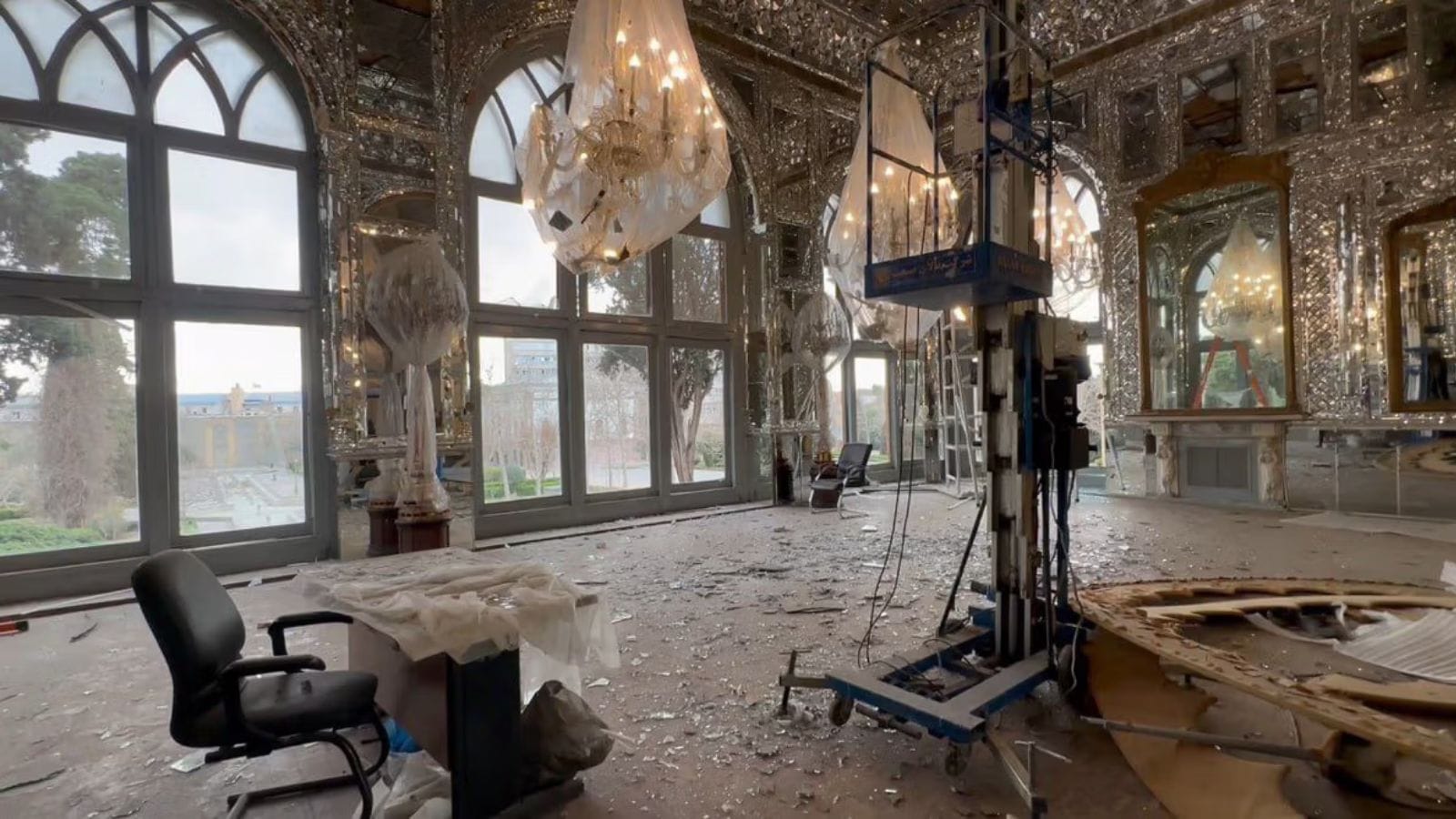
The United Nations Educational, Scientific and Cultural Organization (UNESCO) said that the Golestan Palace in Iran’s capital city of Tehran, was damaged due to an airstrike in its vicinity. In a statement, UNESCO voiced its concern saying that the Palace was damaged due to debris and the shock wave following an airstrike in the Arag Square.
“UNESCO continues to closely monitor the situation of cultural heritage in the country and across the region, with a view to ensuring its protection,” the organisation said in its statement.
Damage to UNESCO-listed Golestan Palace has been reported following recent U.S. and Zionist regime attacks. Cultural Heritage Minister Seyed Reza Salehi Amiri visited the site, as officials assessed the impact on this historic landmark.#iran https://t.co/OdBZ0bXcHc pic.twitter.com/hFOdvSufxz
— Government of the Islamic Republic of Iran (@Iran_GOV) March 2, 2026
The Golestan Palace is protected under international law, the 1954 Hague Convention for the Protection of Cultural Property in the Event of Armed Conflict.
The monument is known as a masterpiece of the Qajar era, embodying the “successful integration of earlier Persian crafts and architecture with Western influences,” according to a description on the UNESCO website.
Several international as well as Iranian media outlets reported the damage suffered by the palace, with some also sharing video clips of its facade and interior rooms.
One of the oldest structures in Tehran, the Golestan Palace consists of eight key palace structures. The palace was originally built during the reign of Tahmasp I, the second Shah of Safavid Iran. The structure of the palace was later revamped by Abbas the Great, the fifth Safavid Shah of Iran.
“The walled Palace, one of the oldest groups of buildings in Teheran, became the seat of government of the Qajar family, which came into power in 1779 and made Teheran the capital of the country,” reads the description on the UNESCO website.
It is built around a garden featuring pools as well as planted areas, the palace’s most characteristic features and rich ornaments date from the 19th century.
The complex, presently consisting of eight principle structures, houses historical pieces and museums. UNESCO included the palace in its list of world heritage sites for its representation of “a new style incorporating traditional Persian arts and crafts and elements of 18th century architecture and technology.”
Among the multiple structures in the Golestan Palace is the Salam Hall, which temporarily housed the iconic Peacock Throne, which was looted by Nader Shah from Delhi, India.
The Peacock Throne was a legendary, jewel-encrusted seat of power commissioned by Mughal Emperor Shah Jahan in the early 17th century. The throne was built around 1635 for the Red Fort in Delhi, and was adorned with diamonds.
Nader Shah, who was the ruler of Iran (then Persia), marched into the Mughal capital of Delhi in 1739 during the invasion, after he defeated Emperor Muhammad Shah. The Persian invasion led to a massive transfer of wealth from the Mughals, including the Peacock Throne, which was seen as a symbol of power.
The Peacock Throne is now lost, while some believe that it was likely dismantled for its jewels after Nader Shah’s assassination in 1747. Till then, it was housed in the Golestan Palace.
Stay updated with the latest - Click here to follow us on Instagram
The ongoing cycle of violence in the Middle East is leading to loss of lives, resources and also UNESCO world heritage sites.
The United Nations Educational, Scientific and Cultural Organization (UNESCO) said that the Golestan Palace in Iran’s capital city of Tehran, was damaged due to an airstrike in its vicinity. In a statement, UNESCO voiced its concern saying that the Palace was damaged due to debris and the shock wave following an airstrike in the Arag Square.
“UNESCO continues to closely monitor the situation of cultural heritage in the country and across the region, with a view to ensuring its protection,” the organisation said in its statement.
Damage to UNESCO-listed Golestan Palace has been reported following recent U.S. and Zionist regime attacks. Cultural Heritage Minister Seyed Reza Salehi Amiri visited the site, as officials assessed the impact on this historic landmark.#iran https://t.co/OdBZ0bXcHc pic.twitter.com/hFOdvSufxz
— Government of the Islamic Republic of Iran (@Iran_GOV) March 2, 2026
The Golestan Palace is protected under international law, the 1954 Hague Convention for the Protection of Cultural Property in the Event of Armed Conflict.
The monument is known as a masterpiece of the Qajar era, embodying the “successful integration of earlier Persian crafts and architecture with Western influences,” according to a description on the UNESCO website.
Several international as well as Iranian media outlets reported the damage suffered by the palace, with some also sharing video clips of its facade and interior rooms.
One of the oldest structures in Tehran, the Golestan Palace consists of eight key palace structures. The palace was originally built during the reign of Tahmasp I, the second Shah of Safavid Iran. The structure of the palace was later revamped by Abbas the Great, the fifth Safavid Shah of Iran.
“The walled Palace, one of the oldest groups of buildings in Teheran, became the seat of government of the Qajar family, which came into power in 1779 and made Teheran the capital of the country,” reads the description on the UNESCO website.
It is built around a garden featuring pools as well as planted areas, the palace’s most characteristic features and rich ornaments date from the 19th century.
The complex, presently consisting of eight principle structures, houses historical pieces and museums. UNESCO included the palace in its list of world heritage sites for its representation of “a new style incorporating traditional Persian arts and crafts and elements of 18th century architecture and technology.”
Among the multiple structures in the Golestan Palace is the Salam Hall, which temporarily housed the iconic Peacock Throne, which was looted by Nader Shah from Delhi, India.
The Peacock Throne was a legendary, jewel-encrusted seat of power commissioned by Mughal Emperor Shah Jahan in the early 17th century. The throne was built around 1635 for the Red Fort in Delhi, and was adorned with diamonds.
Nader Shah, who was the ruler of Iran (then Persia), marched into the Mughal capital of Delhi in 1739 during the invasion, after he defeated Emperor Muhammad Shah. The Persian invasion led to a massive transfer of wealth from the Mughals, including the Peacock Throne, which was seen as a symbol of power.
The Peacock Throne is now lost, while some believe that it was likely dismantled for its jewels after Nader Shah’s assassination in 1747. Till then, it was housed in the Golestan Palace.