

Cyclone Senyar wiped out 7% of Tapanuli orangutans, pushing world’s rarest great ape closer to extinction
Cyclone Senyar-triggered landslides in Sumatra killed over 1,000 people and wiped out around 7% of the critically endangered Tapanuli orangutan population, raising extinction concerns.
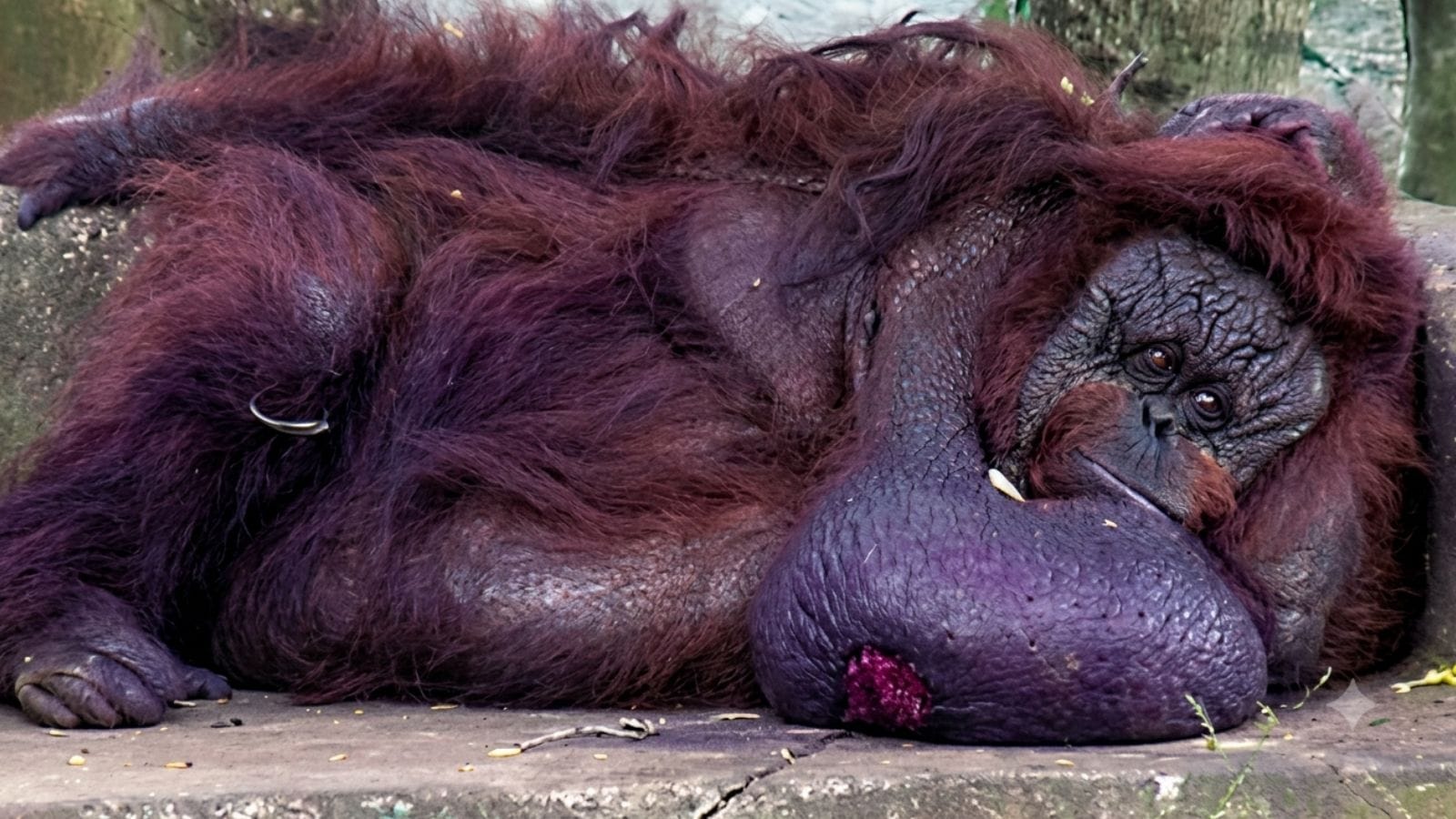
Four days of intensive rainfall and landslides caused by Cyclone Senyar that struck Sumatra in late November 2025 killed more than a thousand people across Southeast Asia, causing a catastrophic blow to the most endangered animals, the great ape. A recent study published in Current Biology estimated that 58 Tapanuli orangutans were killed, which is roughly 7 per cent of the entire species, reported the BBC.
The Tapanuli orangutan was named as a distinct species in 2017 and is also critically endangered. Scientists are warning that if we lose more than 1 per cent of its population annually, the species will become extinct. Cyclone Senyar exceeded that threshold sevenfold in a single event. The death figure excludes the losses from canopy damage and reduced food availability in the aftermath.
The carcass of a Tapanuli orangutan, which was found by A humanitarian worker, was semi-buried in logs and mud in the Tapanuli district. Prof. Erik Meijaard, who led the research, described the scene: “If a few hectares of forest come down in massive landslides, even powerful orangutans are helpless and just get mangled.”
The Researchers noted that the human caused climate change played a major role and intensive rainfall events in the region’s chances have become increasingly frequent, leading to an existential threat to both species and the habitat.
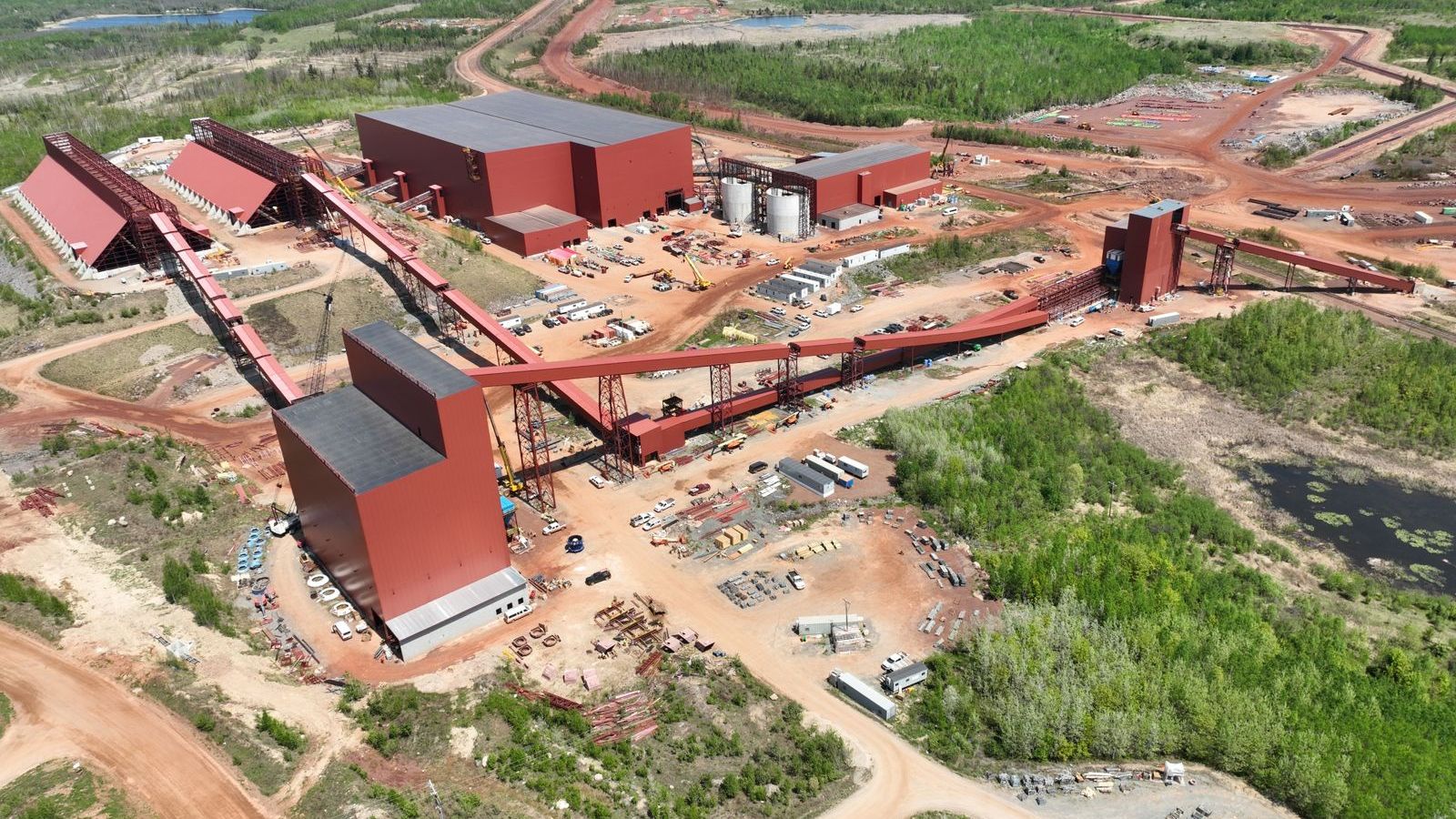
The Indonesian government has temporarily ceased significant developments in the Batang Toru protected forest which hydropower expansion, oil palm and mining. This gives conservationists the opportunity to assess and act. The study’s authors call for global financial assistance, sustained international support, and climate-responsive planning for the prevention of extinction of great ape species.
(This article has been curated by Seekriti Saha, who is an intern at The Indian Express)
Stay updated with the latest - Click here to follow us on Instagram
Four days of intensive rainfall and landslides caused by Cyclone Senyar that struck Sumatra in late November 2025 killed more than a thousand people across Southeast Asia, causing a catastrophic blow to the most endangered animals, the great ape. A recent study published in Current Biology estimated that 58 Tapanuli orangutans were killed, which is roughly 7 per cent of the entire species, reported the BBC.
The Tapanuli orangutan was named as a distinct species in 2017 and is also critically endangered. Scientists are warning that if we lose more than 1 per cent of its population annually, the species will become extinct. Cyclone Senyar exceeded that threshold sevenfold in a single event. The death figure excludes the losses from canopy damage and reduced food availability in the aftermath.
The carcass of a Tapanuli orangutan, which was found by A humanitarian worker, was semi-buried in logs and mud in the Tapanuli district. Prof. Erik Meijaard, who led the research, described the scene: “If a few hectares of forest come down in massive landslides, even powerful orangutans are helpless and just get mangled.”
The Researchers noted that the human caused climate change played a major role and intensive rainfall events in the region’s chances have become increasingly frequent, leading to an existential threat to both species and the habitat.
The Indonesian government has temporarily ceased significant developments in the Batang Toru protected forest which hydropower expansion, oil palm and mining. This gives conservationists the opportunity to assess and act. The study’s authors call for global financial assistance, sustained international support, and climate-responsive planning for the prevention of extinction of great ape species.
(This article has been curated by Seekriti Saha, who is an intern at The Indian Express)