

West London flooding found an ingenious solution with two large front teeth
A family of beavers has succeeded where years of engineering proposals struggled, helping reduce chronic flooding in west London's Paradise Fields. Reintroduced as part of the Ealing Beaver Project, the animals have transformed the landscape by building natural dams that slow water flow, create wetlands and support biodiversity.
For years, a West London district struggled with heavy rain and flooding problems, and decades of engineering, proposals, and planning could not find a solution that stuck; Until they turned to a family of five beavers. Yes, beavers.
The Ealing Beaver Project used the family of beavers to reduce chronic flooding in Paradise Fields, Greenford. In a corner of Ealing, which was flooded by rainfall, beavers came to the rescue.
Heavy rainfall had always disrupted daily life at Paradise Fields. Greenford Station’s surrounding areas endured frequent flooding during heavy rainfall, blocking the way to London’s subway network.
Local authorities had considered costly flood-control measures such as reservoirs and engineered drainage systems. However, a local group of conservationists suggested something different.
“Why don’t we try a nature-based solution?” said Sean McCormack, a veterinarian, wildlife conservationist, and project leader at the Ealing Beaver Project. He suggested reintroducing beavers, a species absent from London for about 400 years.
Beavers, renowned as “ecosystem engineers,” instinctively construct dams, ponds, and wetlands, using branches, logs, mud, and stones. These dams slow the flow of water, creating ponds and wetlands that help prevent flooding, improve water quality, and store water during dry periods. Within months of their arrival, they built multiple dams along Costons Brook.
The Ealing Beaver Project says that the dams constructed by beavers now act as a natural sponge in the area; they help regulate water levels during storms while reducing the pressure on urban drainage systems. Project leaders say the site experienced its first year without major flooding after the beavers’ arrival.
The project has also delivered environmental benefits beyond flood prevention. The wetlands act as forest fire prevention and encourage the return of a wide range of wildlife. Birds, insects, amphibians, and other species have been observed in increasing numbers since the wetlands expanded.
Beavers, renowned as “ecosystem engineers,” instinctively construct dams, ponds, and wetlands, using branches, logs, mud, and stones. These dams slow the flow of water, creating ponds and wetlands that help prevent flooding, improve water quality, and store water during dry periods. Within months of their arrival, they built multiple dams along Costons Brook.
The Ealing Beaver Project says that the constructed dams now act as a natural sponge in the area; they help regulate water levels during storms while reducing the pressure on urban drainage systems. Project leaders say the site experienced its first year without major flooding after the beavers’ arrival.
The project has also delivered environmental benefits beyond flood prevention. The wetlands act as a prevention against forest fire due to the damp land and encourage the return of a wide range of wildlife to the locality. Birds, insects, amphibians, and other species have been observed in increasing numbers since the wetlands expanded.
Today, almost three years later, the original family has grown to at least eight beavers and many new offspring, called kits. This marks one of London’s most successful urban re-wilding efforts. Conservationists say the project demonstrates how nature-based solutions can help cities adapt to climate change while boosting biodiversity.
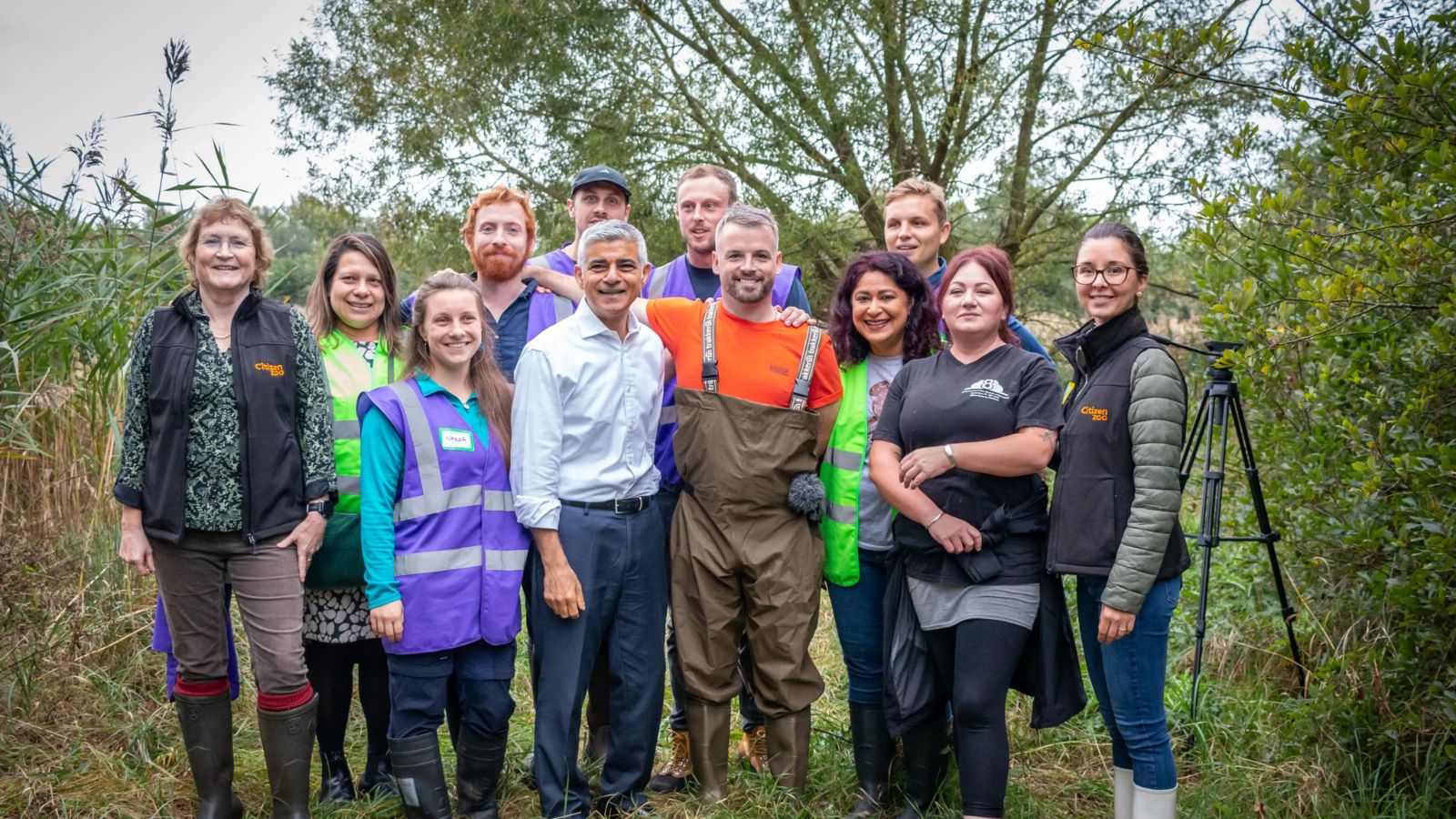
The Ealing Beaver Project claims to be London’s first fully accessible urban beaver reintroduction site. Its goal is not just to restore wildlife, but also to foster a connection between local communities and nature. Public education, biodiversity enhancement, and flood mitigation are the project’s three core objectives.
As climate change intensifies the frequency of extreme weather events, supporters of the project believe Ealing’s beavers could serve as a model for other cities seeking sustainable, cost-effective flood management solutions.
What started as an urban re–wilding experiment has transformed into a remarkable example of how a species once driven to extinction in Britain can address modern environmental challenges – one dam at a time.
(The story was written by Navya Roshan, an intern at The Indian Express)
Stay updated with the latest - Click here to follow us on Instagram
For years, a West London district struggled with heavy rain and flooding problems, and decades of engineering, proposals, and planning could not find a solution that stuck; Until they turned to a family of five beavers. Yes, beavers.
The Ealing Beaver Project used the family of beavers to reduce chronic flooding in Paradise Fields, Greenford. In a corner of Ealing, which was flooded by rainfall, beavers came to the rescue.
Heavy rainfall had always disrupted daily life at Paradise Fields. Greenford Station’s surrounding areas endured frequent flooding during heavy rainfall, blocking the way to London’s subway network.
Local authorities had considered costly flood-control measures such as reservoirs and engineered drainage systems. However, a local group of conservationists suggested something different.
“Why don’t we try a nature-based solution?” said Sean McCormack, a veterinarian, wildlife conservationist, and project leader at the Ealing Beaver Project. He suggested reintroducing beavers, a species absent from London for about 400 years.
Beavers, renowned as “ecosystem engineers,” instinctively construct dams, ponds, and wetlands, using branches, logs, mud, and stones. These dams slow the flow of water, creating ponds and wetlands that help prevent flooding, improve water quality, and store water during dry periods. Within months of their arrival, they built multiple dams along Costons Brook.
The Ealing Beaver Project says that the dams constructed by beavers now act as a natural sponge in the area; they help regulate water levels during storms while reducing the pressure on urban drainage systems. Project leaders say the site experienced its first year without major flooding after the beavers’ arrival.
The project has also delivered environmental benefits beyond flood prevention. The wetlands act as forest fire prevention and encourage the return of a wide range of wildlife. Birds, insects, amphibians, and other species have been observed in increasing numbers since the wetlands expanded.
Beavers, renowned as “ecosystem engineers,” instinctively construct dams, ponds, and wetlands, using branches, logs, mud, and stones. These dams slow the flow of water, creating ponds and wetlands that help prevent flooding, improve water quality, and store water during dry periods. Within months of their arrival, they built multiple dams along Costons Brook.
The Ealing Beaver Project says that the constructed dams now act as a natural sponge in the area; they help regulate water levels during storms while reducing the pressure on urban drainage systems. Project leaders say the site experienced its first year without major flooding after the beavers’ arrival.
The project has also delivered environmental benefits beyond flood prevention. The wetlands act as a prevention against forest fire due to the damp land and encourage the return of a wide range of wildlife to the locality. Birds, insects, amphibians, and other species have been observed in increasing numbers since the wetlands expanded.
Today, almost three years later, the original family has grown to at least eight beavers and many new offspring, called kits. This marks one of London’s most successful urban re-wilding efforts. Conservationists say the project demonstrates how nature-based solutions can help cities adapt to climate change while boosting biodiversity.
The Ealing Beaver Project claims to be London’s first fully accessible urban beaver reintroduction site. Its goal is not just to restore wildlife, but also to foster a connection between local communities and nature. Public education, biodiversity enhancement, and flood mitigation are the project’s three core objectives.
As climate change intensifies the frequency of extreme weather events, supporters of the project believe Ealing’s beavers could serve as a model for other cities seeking sustainable, cost-effective flood management solutions.
What started as an urban re–wilding experiment has transformed into a remarkable example of how a species once driven to extinction in Britain can address modern environmental challenges – one dam at a time.
(The story was written by Navya Roshan, an intern at The Indian Express)