

Ayatollah Ali Khamenei assassination: How US’s CIA, Israeli’s Mossad planned and killed Iran’s Supreme Leader
The timing of the assassination was decided based on the information Central Intelligence Agency gained about a meeting of top Iranian officials scheduled for February 28 morning in the heart of Tehran.
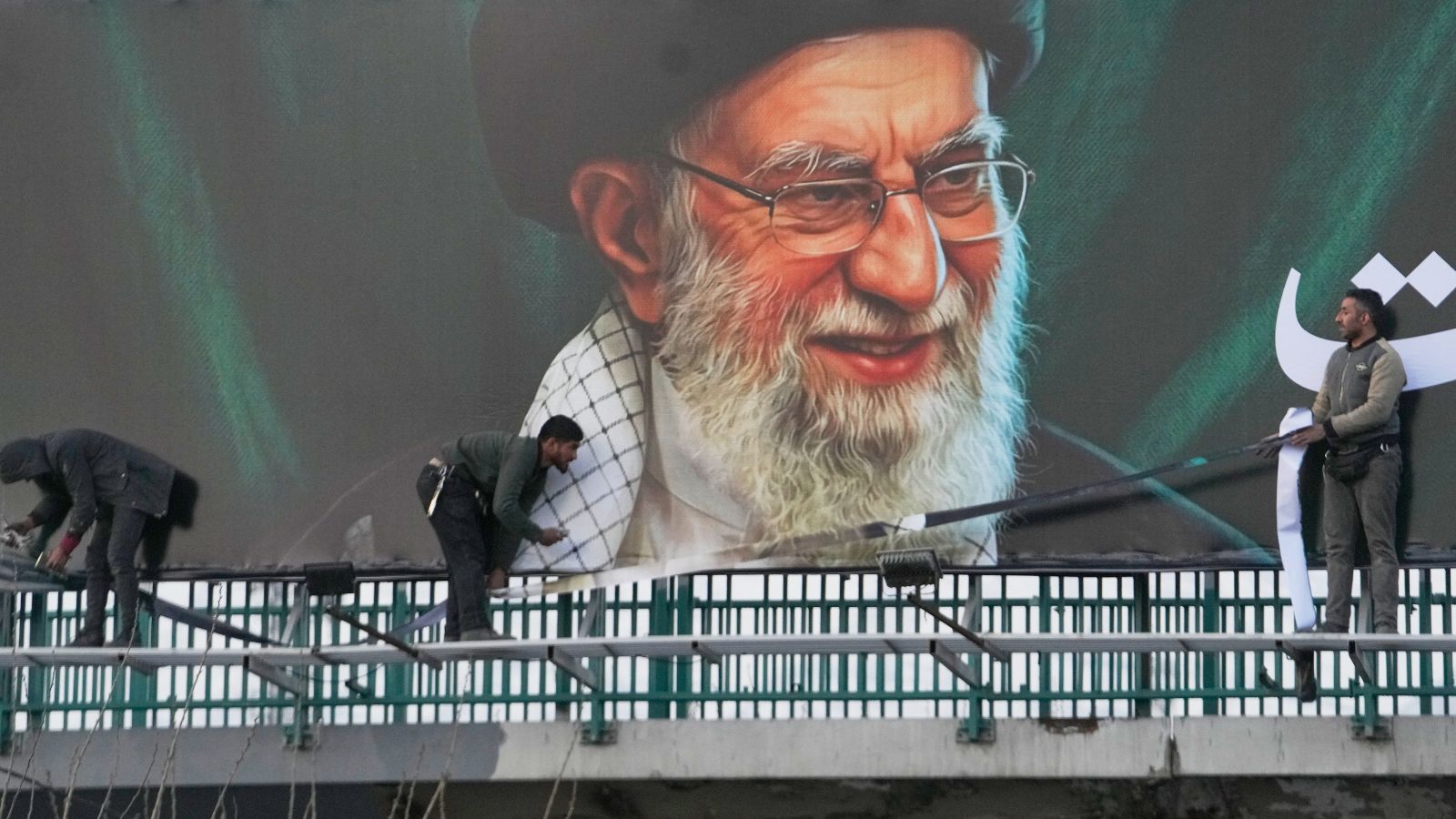
Ayatollah Ali Khamenei killing: The killing of Iran’s Supreme Leader Ayatollah Ali Khamenei, who ruled the country with an iron fist for 36 years, involved painstaking intelligence gathering by Israeli secret services, with crucial technological resources and manpower provided over the last six months by the CIA and other US intelligence services.
With a pandora’s box opened in the Middle East and tensions spreading through the wider region, the decapitation of the Iranian regime is likely to have prolonged repercussions.
At the time of the US-Israel joint attack, the 86-year-old leader of the Islamic Republic was at his office, and his family members were also not spared in the series of air strikes. In the major blow to Iran, seven “members of the top Iranian security leadership who had gathered at several locations in Tehran” were killed along with forty other senior Iranian leaders, The Guardian report said.
The timing of the assassination was decided based on the information the Central Intelligence Agency gained about a meeting of top Iranian officials scheduled for February 28 morning in the heart of Tehran. The CIA was able to inform its Israeli counterparts that Khamenei would be at the site and timing of the meeting, The New York Times reported.
“Sixty seconds. That’s all it took for this operation, but it is the product of years in the making,” Oded Ailam, a former head of the Mossad’s counter-terrorism division and a researcher at the Jerusalem Center for Security and Foreign Affairs, told The Guardian. “The modern battlefield is no longer defined only by tanks and aircraft. It is defined by data, access, trust and timing. One minute can change a region.”
The Financial Times reported that those involved in the surveillance and monitoring of their target “knew Tehran like they knew Jerusalem” much before the bombs exploded. “And when you know [a place] as well as you know the street you grew up on, you notice a single thing that’s out of place,” an Israeli intelligence official told FT.
In the bid to make a foolproof attack, even all the traffic cameras in Tehran were hacked for years, their images encrypted and transmitted to servers in Tel Aviv and southern Israel, two sources told FT. One of the cameras was positioned in such a way that it provided details on even how men preferred to park their cars and gave a glimpse of the workings of a mundane part of the closely guarded compound.
Complex algorithms provided details on security personnel, including their addresses, hours of duty, routes they travelled, and who they are assigned to. The intelligence officers, hence, seemed to comprehend the “pattern of life”.
Apart from that, signals from the mobile phone towers near Pasteur Street were disrupted in such a way that the receivers seemed busy when called and prevented warnings on threats against Khamenei.
The “intelligence picture” of the attack was a culmination of laborious data collection done by Israel’s sophisticated signals intelligence Unit 8200. People involved were recruited by a foreign intelligence agency, the Mossad and a large amount of data was assessed by military intelligence in their daily briefs.
The precision of the attack is attributed to the mathematical method deployed by Israel — social network analysis. The Israelis assessed billions of data points to find out the less probable centres of decision-making gravity and locate fresh targets to surveil and kill, a source told FT.
“In Israeli intelligence culture, targeting intelligence is the most essential tactical issue — it is designed to enable a strategy,” said Itai Shapira, a brigadier general in the Israeli military reserves and 25-year veteran of its intelligence directorate, who was quoted as saying by FT. “If the decision maker decides that someone has to be assassinated, in Israel the culture is: ‘We will provide the targeting intelligence.’”
The killing of Khamenei was a political decision, rather than a technological achievement, several Israeli intelligence officers confirmed to FT. “The problem is that Israel is in love with assassinations … and we never learn that it is not the solution. We have killed all the leaders of Hamas. They are still there. It’s the same with Hezbollah. The leaders are always replaced,” said Yossi Melman, an Israeli analyst and author specialising in intelligence, who was quoted as saying by The Guardian.
The US-Israel anticipated that hunting the key Iranian leaders would be hard once they start an all-out war, as their foes have had the practise of heading to underground bunkers immune to bombs from Jerusalem.
Unlike his ally, Hezbollah leader Hassan Nasrallah, Khamenei did not live in disguise. Nasrallah was able to protect himself from relentless Israeli assassination attempts until September 2024, as he spent years in underground bunkers. It took as many as 80 bombs over his hideout in Beirut to finally assassinate him.
Meanwhile, the leader known for fierceness had even mused in public about the chances of being killed, dubbing his own life as inconsequential to the fate of the Islamic Republic. Iran experts also raised speculation that he had expected to be martyred.
“It was unusual for him to not be in his bunker — he had two bunkers — and if he had been, Israel wouldn’t have been able to reach him with the bombs that they have,” a person told FT.
The attack came as a shock and surprise for many as negotiations over the Islamic Republic’s nuclear programme between the US and Iran were ongoing. Oman had said Iran was willing for adjustments to prevent a war and had described the recent meeting as fruitful. Even though US President Donald Trump said things were moving too slowly, a person familiar with the matter told FT, Trump was “dissatisfied with the Iranian responses”, paving the way for war.
A person briefed on the operation said the attack on Iran had been planned for months, but officials adjusted their operation after the US and Israeli intelligence confirmed that Khamenei and his senior officials would be meeting in his compound in Tehran on Saturday morning.
Over the years, Israel had automated the laborious task of tracking individual targets requiring visual confirmation and flushing out false confirmations. While the Israeli military doctrine required two separate senior officers, independently working and confirming with certainty that their target is in the location, Americans had something even more concrete – a human source.
Eventually, the accurate information prompted Israeli jets to arrive on time at the right location, to fire off as many as 30 precision munitions, a former senior Israeli intelligence official told FT.
Stay updated with the latest - Click here to follow us on Instagram
Ayatollah Ali Khamenei killing: The killing of Iran’s Supreme Leader Ayatollah Ali Khamenei, who ruled the country with an iron fist for 36 years, involved painstaking intelligence gathering by Israeli secret services, with crucial technological resources and manpower provided over the last six months by the CIA and other US intelligence services.
With a pandora’s box opened in the Middle East and tensions spreading through the wider region, the decapitation of the Iranian regime is likely to have prolonged repercussions.
At the time of the US-Israel joint attack, the 86-year-old leader of the Islamic Republic was at his office, and his family members were also not spared in the series of air strikes. In the major blow to Iran, seven “members of the top Iranian security leadership who had gathered at several locations in Tehran” were killed along with forty other senior Iranian leaders, The Guardian report said.
The timing of the assassination was decided based on the information the Central Intelligence Agency gained about a meeting of top Iranian officials scheduled for February 28 morning in the heart of Tehran. The CIA was able to inform its Israeli counterparts that Khamenei would be at the site and timing of the meeting, The New York Times reported.
“Sixty seconds. That’s all it took for this operation, but it is the product of years in the making,” Oded Ailam, a former head of the Mossad’s counter-terrorism division and a researcher at the Jerusalem Center for Security and Foreign Affairs, told The Guardian. “The modern battlefield is no longer defined only by tanks and aircraft. It is defined by data, access, trust and timing. One minute can change a region.”
The Financial Times reported that those involved in the surveillance and monitoring of their target “knew Tehran like they knew Jerusalem” much before the bombs exploded. “And when you know [a place] as well as you know the street you grew up on, you notice a single thing that’s out of place,” an Israeli intelligence official told FT.
In the bid to make a foolproof attack, even all the traffic cameras in Tehran were hacked for years, their images encrypted and transmitted to servers in Tel Aviv and southern Israel, two sources told FT. One of the cameras was positioned in such a way that it provided details on even how men preferred to park their cars and gave a glimpse of the workings of a mundane part of the closely guarded compound.
Complex algorithms provided details on security personnel, including their addresses, hours of duty, routes they travelled, and who they are assigned to. The intelligence officers, hence, seemed to comprehend the “pattern of life”.
Apart from that, signals from the mobile phone towers near Pasteur Street were disrupted in such a way that the receivers seemed busy when called and prevented warnings on threats against Khamenei.
The “intelligence picture” of the attack was a culmination of laborious data collection done by Israel’s sophisticated signals intelligence Unit 8200. People involved were recruited by a foreign intelligence agency, the Mossad and a large amount of data was assessed by military intelligence in their daily briefs.
The precision of the attack is attributed to the mathematical method deployed by Israel — social network analysis. The Israelis assessed billions of data points to find out the less probable centres of decision-making gravity and locate fresh targets to surveil and kill, a source told FT.
“In Israeli intelligence culture, targeting intelligence is the most essential tactical issue — it is designed to enable a strategy,” said Itai Shapira, a brigadier general in the Israeli military reserves and 25-year veteran of its intelligence directorate, who was quoted as saying by FT. “If the decision maker decides that someone has to be assassinated, in Israel the culture is: ‘We will provide the targeting intelligence.’”
The killing of Khamenei was a political decision, rather than a technological achievement, several Israeli intelligence officers confirmed to FT. “The problem is that Israel is in love with assassinations … and we never learn that it is not the solution. We have killed all the leaders of Hamas. They are still there. It’s the same with Hezbollah. The leaders are always replaced,” said Yossi Melman, an Israeli analyst and author specialising in intelligence, who was quoted as saying by The Guardian.
The US-Israel anticipated that hunting the key Iranian leaders would be hard once they start an all-out war, as their foes have had the practise of heading to underground bunkers immune to bombs from Jerusalem.
Unlike his ally, Hezbollah leader Hassan Nasrallah, Khamenei did not live in disguise. Nasrallah was able to protect himself from relentless Israeli assassination attempts until September 2024, as he spent years in underground bunkers. It took as many as 80 bombs over his hideout in Beirut to finally assassinate him.
Meanwhile, the leader known for fierceness had even mused in public about the chances of being killed, dubbing his own life as inconsequential to the fate of the Islamic Republic. Iran experts also raised speculation that he had expected to be martyred.
“It was unusual for him to not be in his bunker — he had two bunkers — and if he had been, Israel wouldn’t have been able to reach him with the bombs that they have,” a person told FT.
The attack came as a shock and surprise for many as negotiations over the Islamic Republic’s nuclear programme between the US and Iran were ongoing. Oman had said Iran was willing for adjustments to prevent a war and had described the recent meeting as fruitful. Even though US President Donald Trump said things were moving too slowly, a person familiar with the matter told FT, Trump was “dissatisfied with the Iranian responses”, paving the way for war.
A person briefed on the operation said the attack on Iran had been planned for months, but officials adjusted their operation after the US and Israeli intelligence confirmed that Khamenei and his senior officials would be meeting in his compound in Tehran on Saturday morning.
Over the years, Israel had automated the laborious task of tracking individual targets requiring visual confirmation and flushing out false confirmations. While the Israeli military doctrine required two separate senior officers, independently working and confirming with certainty that their target is in the location, Americans had something even more concrete – a human source.
Eventually, the accurate information prompted Israeli jets to arrive on time at the right location, to fire off as many as 30 precision munitions, a former senior Israeli intelligence official told FT.