

Who is Andy Burnham, the Labour leader set to become Britain’s next Prime Minister?
At the age of 31, he was elected MP for Leigh in 2001, beginning a parliamentary career that would span more than 15 years.
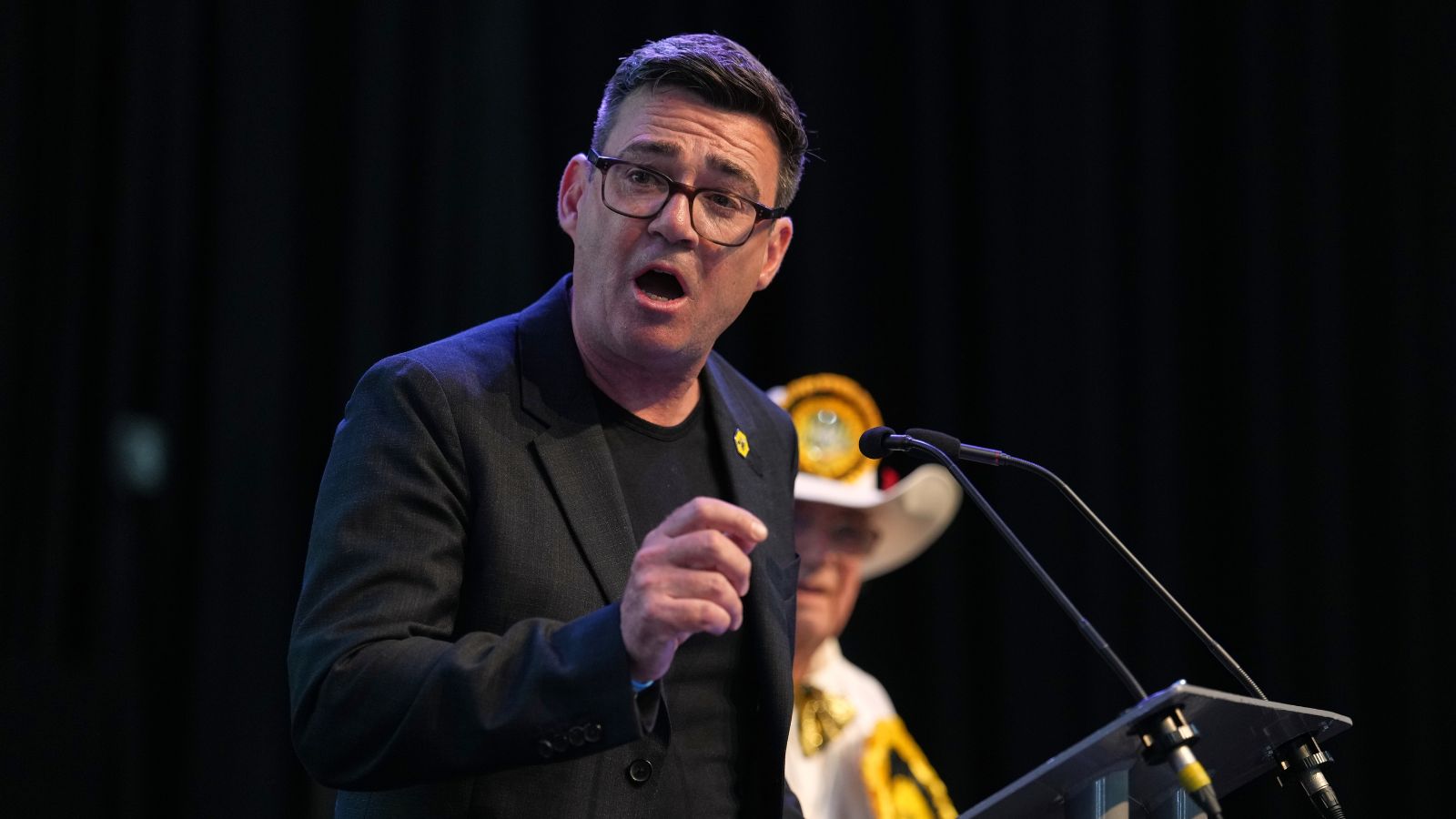
Andy Burnham is on course to become the United Kingdom’s next Prime Minister after securing overwhelming backing from Labour MPs to succeed Keir Starmer as party leader. On the opening day of nominations, Burnham won the support of 322 of Labour’s 403 MPs, leaving virtually no mathematical path for a rival candidate to enter the contest. If no challenger emerges before nominations close, the former Greater Manchester mayor will be confirmed as Labour leader before taking office as Prime Minister later this month.
Born in Liverpool in 1970, Burnham entered politics at a young age. He worked as a Labour parliamentary researcher before becoming a special adviser at 28. At the age of 31, he was elected MP for Leigh in 2001, beginning a parliamentary career that would span more than 15 years.
Burnham quickly rose through Labour’s ranks, serving in senior positions under Prime Ministers Tony Blair and Gordon Brown. His ministerial roles included Chief Secretary to the Treasury, Culture Secretary, and Secretary of State for Health between 2009 and 2010.
He twice contested the Labour leadership — in 2010 and 2015 — losing first to Ed Miliband and later to Jeremy Corbyn.
Following Labour’s defeat in the 2015 general election, Burnham stepped away from Westminster politics and was elected the inaugural Mayor of Greater Manchester in 2017. He won re-election twice, building a reputation as one of Britain’s most recognisable regional leaders.
During the COVID-19 pandemic, Burnham gained national prominence after publicly clashing with Boris Johnson’s Conservative government over financial support for northern England during local lockdowns. His campaign for greater regional powers and investment helped strengthen his image as a champion of devolution.
His return to Parliament came through the Makerfield by-election in northwest England, restoring his place at Westminster after nine years and positioning him as Labour’s leading contender following Starmer’s resignation.
Although once associated with Labour’s soft-left, Burnham has shifted towards a more centrist platform during his leadership campaign.
On immigration, he has backed Home Secretary Shabana Mahmood’s proposals to end permanent refugee status and has retreated from earlier calls to extend welfare benefits to migrants without settled status.
He has also softened previous criticism of Labour’s fiscal rules, signalling support for tighter spending discipline following market concerns.
Burnham has consistently sought to strengthen ties between Greater Manchester and India, viewing the country as a key economic and strategic partner. As Mayor of Greater Manchester, he worked to promote trade, investment, education and people-to-people exchanges with India.
In December 2025, Burnham met Indian High Commissioner to the UK Vikram K. Doraiswami in Manchester, where the two discussed expanding commercial cooperation, boosting investment and facilitating a mayoral trade delegation to India. He also interacted with Indian businesses and members of the Manchester-India Partnership, highlighting the role of the Indian diaspora in deepening bilateral ties
If formally confirmed, Burnham will become Britain’s seventh Prime Minister in a decade, inheriting a Labour government under pressure after disappointing local election results that prompted Keir Starmer’s resignation.
Stay updated with the latest - Click here to follow us on Instagram
Andy Burnham is on course to become the United Kingdom’s next Prime Minister after securing overwhelming backing from Labour MPs to succeed Keir Starmer as party leader. On the opening day of nominations, Burnham won the support of 322 of Labour’s 403 MPs, leaving virtually no mathematical path for a rival candidate to enter the contest. If no challenger emerges before nominations close, the former Greater Manchester mayor will be confirmed as Labour leader before taking office as Prime Minister later this month.
Born in Liverpool in 1970, Burnham entered politics at a young age. He worked as a Labour parliamentary researcher before becoming a special adviser at 28. At the age of 31, he was elected MP for Leigh in 2001, beginning a parliamentary career that would span more than 15 years.
Burnham quickly rose through Labour’s ranks, serving in senior positions under Prime Ministers Tony Blair and Gordon Brown. His ministerial roles included Chief Secretary to the Treasury, Culture Secretary, and Secretary of State for Health between 2009 and 2010.
He twice contested the Labour leadership — in 2010 and 2015 — losing first to Ed Miliband and later to Jeremy Corbyn.
Following Labour’s defeat in the 2015 general election, Burnham stepped away from Westminster politics and was elected the inaugural Mayor of Greater Manchester in 2017. He won re-election twice, building a reputation as one of Britain’s most recognisable regional leaders.
During the COVID-19 pandemic, Burnham gained national prominence after publicly clashing with Boris Johnson’s Conservative government over financial support for northern England during local lockdowns. His campaign for greater regional powers and investment helped strengthen his image as a champion of devolution.
His return to Parliament came through the Makerfield by-election in northwest England, restoring his place at Westminster after nine years and positioning him as Labour’s leading contender following Starmer’s resignation.
Although once associated with Labour’s soft-left, Burnham has shifted towards a more centrist platform during his leadership campaign.
On immigration, he has backed Home Secretary Shabana Mahmood’s proposals to end permanent refugee status and has retreated from earlier calls to extend welfare benefits to migrants without settled status.
He has also softened previous criticism of Labour’s fiscal rules, signalling support for tighter spending discipline following market concerns.
Burnham has consistently sought to strengthen ties between Greater Manchester and India, viewing the country as a key economic and strategic partner. As Mayor of Greater Manchester, he worked to promote trade, investment, education and people-to-people exchanges with India.
In December 2025, Burnham met Indian High Commissioner to the UK Vikram K. Doraiswami in Manchester, where the two discussed expanding commercial cooperation, boosting investment and facilitating a mayoral trade delegation to India. He also interacted with Indian businesses and members of the Manchester-India Partnership, highlighting the role of the Indian diaspora in deepening bilateral ties
If formally confirmed, Burnham will become Britain’s seventh Prime Minister in a decade, inheriting a Labour government under pressure after disappointing local election results that prompted Keir Starmer’s resignation.