

Heavy firing on Afghanistan-Pakistan border as Islamabad prepares to mediate US-Iran talks
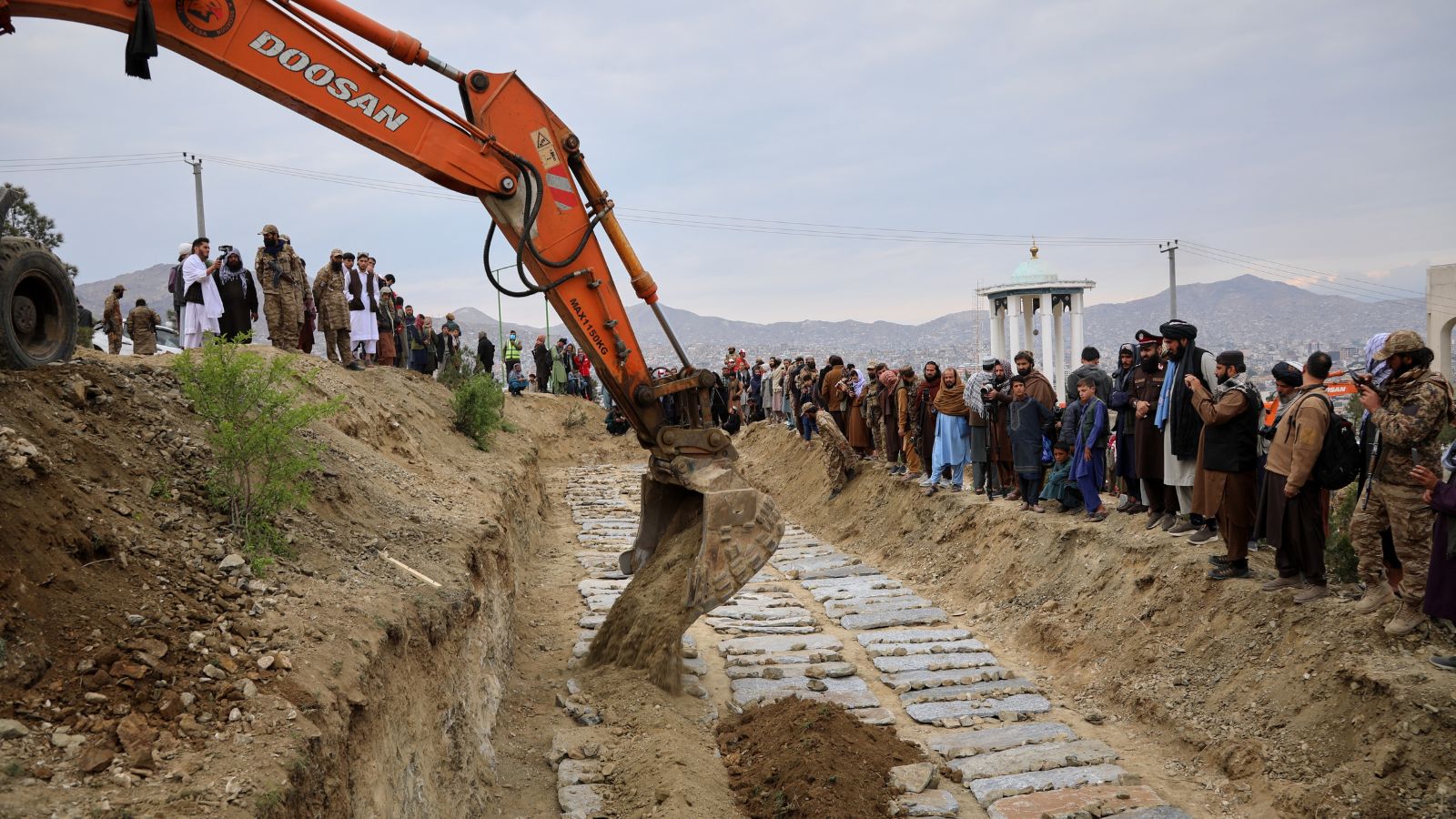
Earlier this month, Taliban-ruled Afghanistan said at least 400 people were killed, and 250 were injured in a Pakistani airstrike on a drug rehabilitation hospital in Kabul.
Afghanistan and Pakistan exchanged heavy fire on Sunday (Mar 29), said both sides, days after the countries announced a temporary ceasefire, heightening tensions in the region.
The escalation comes as Islamabad prepares to host talks between the United States and Iran, aiming to de-escalate the conflict in the Middle East.
The clashes on the border involved artillery and heavy weapons, targeting locations in Afghanistan’s Kunar province and Pakistan’s Bajur district.
Pakistan claimed that it only responded to Afghanistan’s shelling, with security officials denying targeting any of the civilian locations.
On the other hand, Afghanistan said that Pakistan’s fire killed one and injured 16 others.
Deputy government spokesperson Hamdullah Fitrat said that most of the injured included women and children.
Pakistan attack on Kabul hospital kills at least 400, says Afghanistan
Earlier this month, Taliban-ruled Afghanistan said at least 400 people were killed, and 250 were injured in a Pakistani airstrike on a drug rehabilitation hospital in Kabul.
Fitrat said the strike hit the Omar Addiction Treatment Hospital, causing widespread destruction across the 2,000-bed facility. He described the aftermath as catastrophic, stating that the hospital, once a place of recovery, had been turned into a site of mass casualties following the strike.
Calling the strikes a violation of its sovereignty, the Afghan government spokesman Zabihullah Mujahid condemned the attack and accused Pakistan of “targeting hospitals and civilian sites to perpetrate horrors”.
Pakistan’s Ministry of Information said the strikes “precisely targeted military installations and terrorist support infrastructure, including technical equipment storage and ammunition storage of Afghan Taliban” and Afghanistan-based Pakistani militants in Kabul and Nangarhar. Islamabad alleged that the facilities were being used against innocent Pakistani civilians and said Pakistan’s strikes were “precise and carefully undertaken to ensure no collateral damage is inflicted”.
Stay updated with the latest - Click here to follow us on Instagram
Afghanistan and Pakistan exchanged heavy fire on Sunday (Mar 29), said both sides, days after the countries announced a temporary ceasefire, heightening tensions in the region.
The escalation comes as Islamabad prepares to host talks between the United States and Iran, aiming to de-escalate the conflict in the Middle East.
The clashes on the border involved artillery and heavy weapons, targeting locations in Afghanistan’s Kunar province and Pakistan’s Bajur district.
Pakistan claimed that it only responded to Afghanistan’s shelling, with security officials denying targeting any of the civilian locations.
On the other hand, Afghanistan said that Pakistan’s fire killed one and injured 16 others.
Deputy government spokesperson Hamdullah Fitrat said that most of the injured included women and children.
Pakistan attack on Kabul hospital kills at least 400, says Afghanistan
Earlier this month, Taliban-ruled Afghanistan said at least 400 people were killed, and 250 were injured in a Pakistani airstrike on a drug rehabilitation hospital in Kabul.
Fitrat said the strike hit the Omar Addiction Treatment Hospital, causing widespread destruction across the 2,000-bed facility. He described the aftermath as catastrophic, stating that the hospital, once a place of recovery, had been turned into a site of mass casualties following the strike.
Calling the strikes a violation of its sovereignty, the Afghan government spokesman Zabihullah Mujahid condemned the attack and accused Pakistan of “targeting hospitals and civilian sites to perpetrate horrors”.
Pakistan’s Ministry of Information said the strikes “precisely targeted military installations and terrorist support infrastructure, including technical equipment storage and ammunition storage of Afghan Taliban” and Afghanistan-based Pakistani militants in Kabul and Nangarhar. Islamabad alleged that the facilities were being used against innocent Pakistani civilians and said Pakistan’s strikes were “precise and carefully undertaken to ensure no collateral damage is inflicted”.