



‘Shouldn’t have rushed it’: Sam Altman says OpenAI is amending deal with DoW after backlash
OpenAI's new additions bar the use of its AI models for domestic surveillance of Americans and prohibit their deployment by US intel agencies like the NSA.
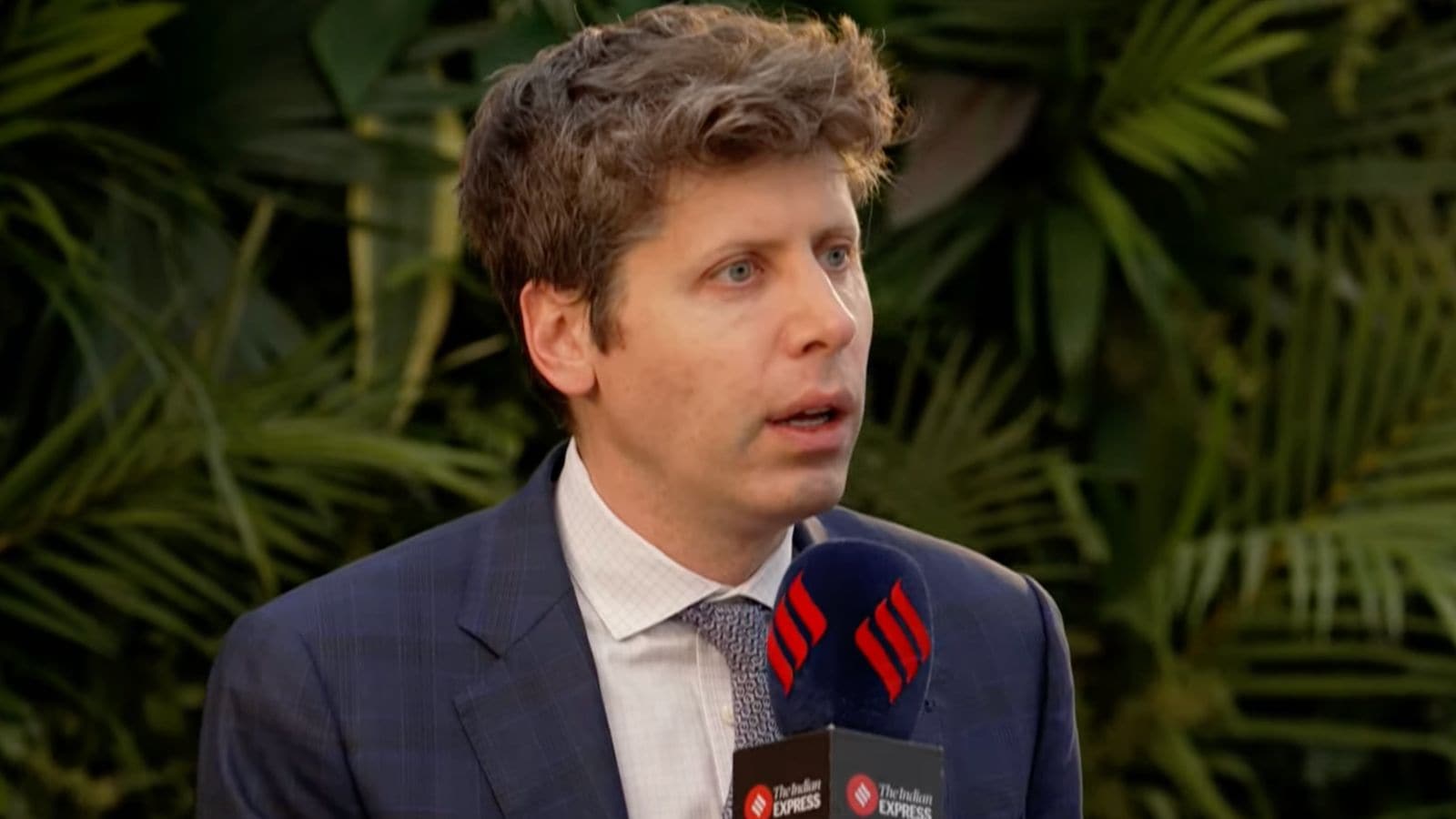
Amid mounting backlash over the military use of its AI models by the US government, OpenAI CEO Sam Altman said the company is revisiting its agreement with the US Department of War (DoW) to add clearer language about how its technology can and cannot be used.
OpenAI is amending its partnership with the DoW to include language that explicitly prohibits the use of its AI systems for domestic surveillance of US citizens, Altman said in a post on X on Tuesday, March 3. Another update to the deal prohibits the use of commercial bulk data on Americans for the purposes of surveillance.
“Consistent with applicable laws, including the Fourth Amendment to the United States Constitution, National Security Act of 1947, FISA Act of 1978, the AI system shall not be intentionally used for domestic surveillance of US persons and nationals,” reads one of the two new additions.
“For the avoidance of doubt, the Department understands this limitation to prohibit deliberate tracking, surveillance, or monitoring of US persons or nationals, including through the procurement or use of commercially acquired personal or identifiable information,” the other addition reads.
Based on Altman’s post, it remains unclear how the DoW views the proposed additions, or whether the changes have been finalised or still under discussion. Altman has said that “our team and the DoW team did a great job working on it.”
The DoW, as per Altman, has agreed that OpenAI’s models will not be used by US intelligence agencies such as the National Security Agency (NSA), and that any services provided to those agencies would require a follow-on modification to the contract.
Here is re-post of an internal post:
We have been working with the DoW to make some additions in our agreement to make our principles very clear.
1. We are going to amend our deal to add this language, in addition to everything else:
“• Consistent with applicable laws,…
— Sam Altman (@sama) March 3, 2026
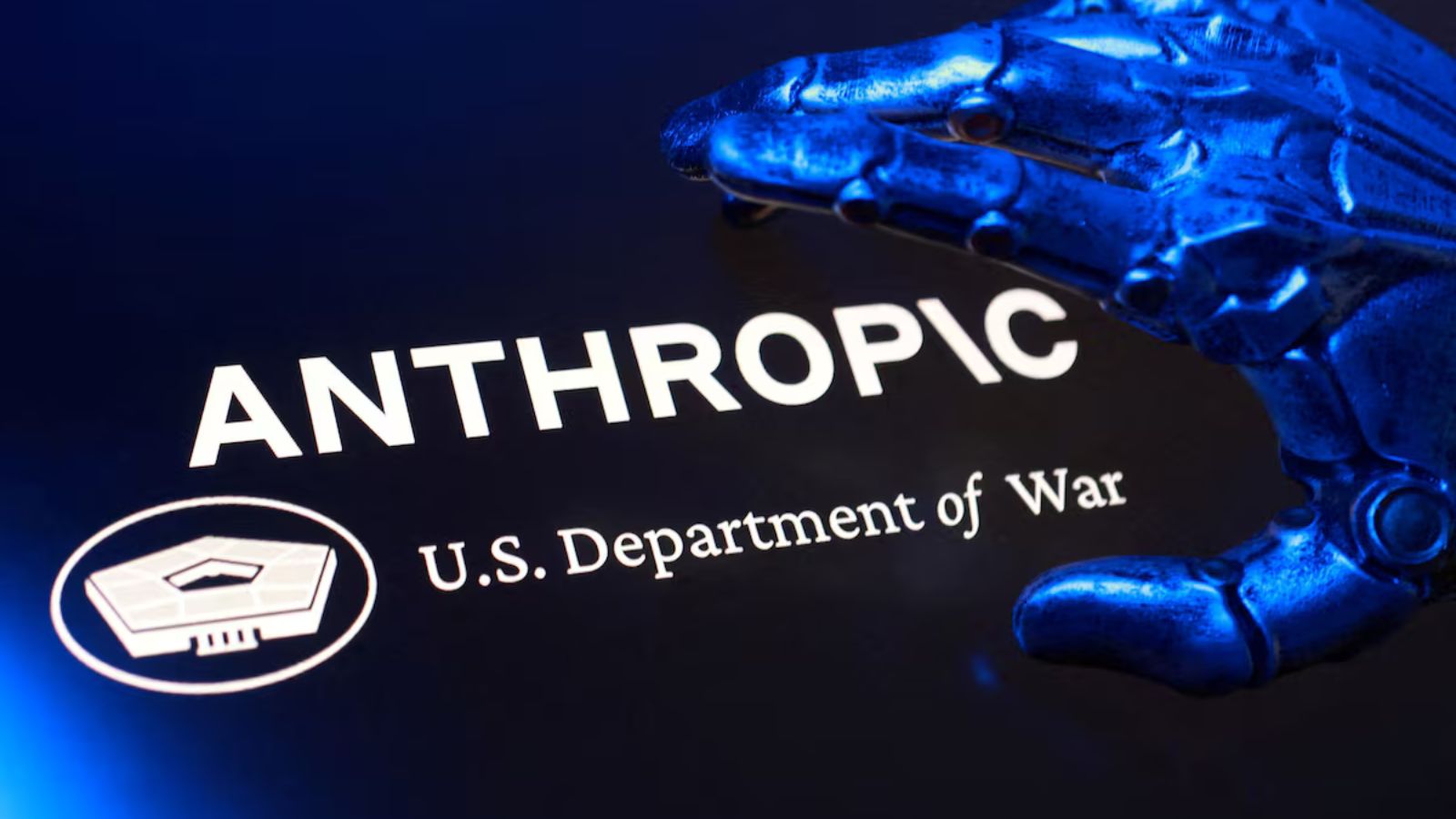
These updates to the OpenAI-DoW deal come as a high-stakes dispute over the military use of AI models erupted last week. US President Donald Trump and Defence Secretary Pete Hegseth accused OpenAI rival Anthropic of endangering national security, after its CEO Dario Amodei refused to back down over concerns that the company’s AI products could be used for domestic surveillance in the US and fully autonomous armed drones. The DoW had also wanted Anthropic to allow for the collection and analysis of unclassified, commercial bulk data on Americans, such as geolocation and web browsing data, as per The New York Times.
Following the impasse and a deadline, Hegseth brusquely terminated Anthropic’s work with the Pentagon and other government agencies, with the AI firm being labelled a “supply chain risk to national security”, a designation that the US typically reserves for adversarial foreign companies, marking the first time it has been used against a US company.
Soon after, Altman announced that OpenAI had instead reached an agreement with the DoW to provide its AI models and tools for classified systems. However, the ChatGPT maker has faced backlash from users for swooping in, with ‘Cancel ChatGPT’ trending on X and Reddit.
On Tuesday, Altman acknowledged that he had made a mistake by rushing the announcement of the company’s deal with DoW.
“One thing I think I did wrong: we shouldn’t have rushed to get this out on Friday. The issues are super complex, and demand clear communication. We were genuinely trying to de-escalate things and avoid a much worse outcome, but I think it just looked opportunistic and sloppy,” he wrote.
Altman further said that he continued to oppose Anthropic’s ‘supply chain risk’ designation during his conversations with the DoW over the weekend. Additionally, he said that he would rather go to jail than follow an unconstitutional order.
“It’s critical to protect the civil liberties of Americans, and there was so much focus on this, that we wanted to make this point especially clear, including around commercially acquired information. Just like everything we do with iterative deployment, we will continue to learn and refine as we go,” Altman said.
Stating that the relationship between governments and AI companies is critical, Altman said, “There should not be games and fights in the press like this; drastic government action should be avoided.” “We need to work with governments, but also we need to make sure individuals get increasing power,” he added.
Altman has been resolute about the role of AI companies and governments. On February 20, at Express Adda, when asked if AI companies should work with government on defence and where they should draw the line if the ask is about getting into war, the OpenAI chief shared that AI systems should not be used to make war-fighting decisions. He explained that today’s models are not reliable or sophisticated for those kinds of use cases.
OpenAI is hosting an all-hands meeting tomorrow (March 4) to answer employees’ questions on the DoW deal. “There are many things the technology just isn’t ready for, and many areas we don’t yet understand the tradeoffs required for safety. We will work through these, slowly, with the DoW, with technical safeguards and other methods,” Altman said.
Amid mounting backlash over the military use of its AI models by the US government, OpenAI CEO Sam Altman said the company is revisiting its agreement with the US Department of War (DoW) to add clearer language about how its technology can and cannot be used.
OpenAI is amending its partnership with the DoW to include language that explicitly prohibits the use of its AI systems for domestic surveillance of US citizens, Altman said in a post on X on Tuesday, March 3. Another update to the deal prohibits the use of commercial bulk data on Americans for the purposes of surveillance.
“Consistent with applicable laws, including the Fourth Amendment to the United States Constitution, National Security Act of 1947, FISA Act of 1978, the AI system shall not be intentionally used for domestic surveillance of US persons and nationals,” reads one of the two new additions.
“For the avoidance of doubt, the Department understands this limitation to prohibit deliberate tracking, surveillance, or monitoring of US persons or nationals, including through the procurement or use of commercially acquired personal or identifiable information,” the other addition reads.
Based on Altman’s post, it remains unclear how the DoW views the proposed additions, or whether the changes have been finalised or still under discussion. Altman has said that “our team and the DoW team did a great job working on it.”
The DoW, as per Altman, has agreed that OpenAI’s models will not be used by US intelligence agencies such as the National Security Agency (NSA), and that any services provided to those agencies would require a follow-on modification to the contract.
Here is re-post of an internal post:
We have been working with the DoW to make some additions in our agreement to make our principles very clear.
1. We are going to amend our deal to add this language, in addition to everything else:
“• Consistent with applicable laws,…
— Sam Altman (@sama) March 3, 2026
These updates to the OpenAI-DoW deal come as a high-stakes dispute over the military use of AI models erupted last week. US President Donald Trump and Defence Secretary Pete Hegseth accused OpenAI rival Anthropic of endangering national security, after its CEO Dario Amodei refused to back down over concerns that the company’s AI products could be used for domestic surveillance in the US and fully autonomous armed drones. The DoW had also wanted Anthropic to allow for the collection and analysis of unclassified, commercial bulk data on Americans, such as geolocation and web browsing data, as per The New York Times.
Following the impasse and a deadline, Hegseth brusquely terminated Anthropic’s work with the Pentagon and other government agencies, with the AI firm being labelled a “supply chain risk to national security”, a designation that the US typically reserves for adversarial foreign companies, marking the first time it has been used against a US company.
Soon after, Altman announced that OpenAI had instead reached an agreement with the DoW to provide its AI models and tools for classified systems. However, the ChatGPT maker has faced backlash from users for swooping in, with ‘Cancel ChatGPT’ trending on X and Reddit.
On Tuesday, Altman acknowledged that he had made a mistake by rushing the announcement of the company’s deal with DoW.
“One thing I think I did wrong: we shouldn’t have rushed to get this out on Friday. The issues are super complex, and demand clear communication. We were genuinely trying to de-escalate things and avoid a much worse outcome, but I think it just looked opportunistic and sloppy,” he wrote.
Altman further said that he continued to oppose Anthropic’s ‘supply chain risk’ designation during his conversations with the DoW over the weekend. Additionally, he said that he would rather go to jail than follow an unconstitutional order.
“It’s critical to protect the civil liberties of Americans, and there was so much focus on this, that we wanted to make this point especially clear, including around commercially acquired information. Just like everything we do with iterative deployment, we will continue to learn and refine as we go,” Altman said.
Stating that the relationship between governments and AI companies is critical, Altman said, “There should not be games and fights in the press like this; drastic government action should be avoided.” “We need to work with governments, but also we need to make sure individuals get increasing power,” he added.
Altman has been resolute about the role of AI companies and governments. On February 20, at Express Adda, when asked if AI companies should work with government on defence and where they should draw the line if the ask is about getting into war, the OpenAI chief shared that AI systems should not be used to make war-fighting decisions. He explained that today’s models are not reliable or sophisticated for those kinds of use cases.
OpenAI is hosting an all-hands meeting tomorrow (March 4) to answer employees’ questions on the DoW deal. “There are many things the technology just isn’t ready for, and many areas we don’t yet understand the tradeoffs required for safety. We will work through these, slowly, with the DoW, with technical safeguards and other methods,” Altman said.