



‘Scale, speed, and the entire stack’: Sam Altman on why India matters to OpenAI
Speaking at the OpenAI India event in New Delhi, Sam Altman said the company’s growing focus on India is driven by scale, speed, and long-term partnerships.
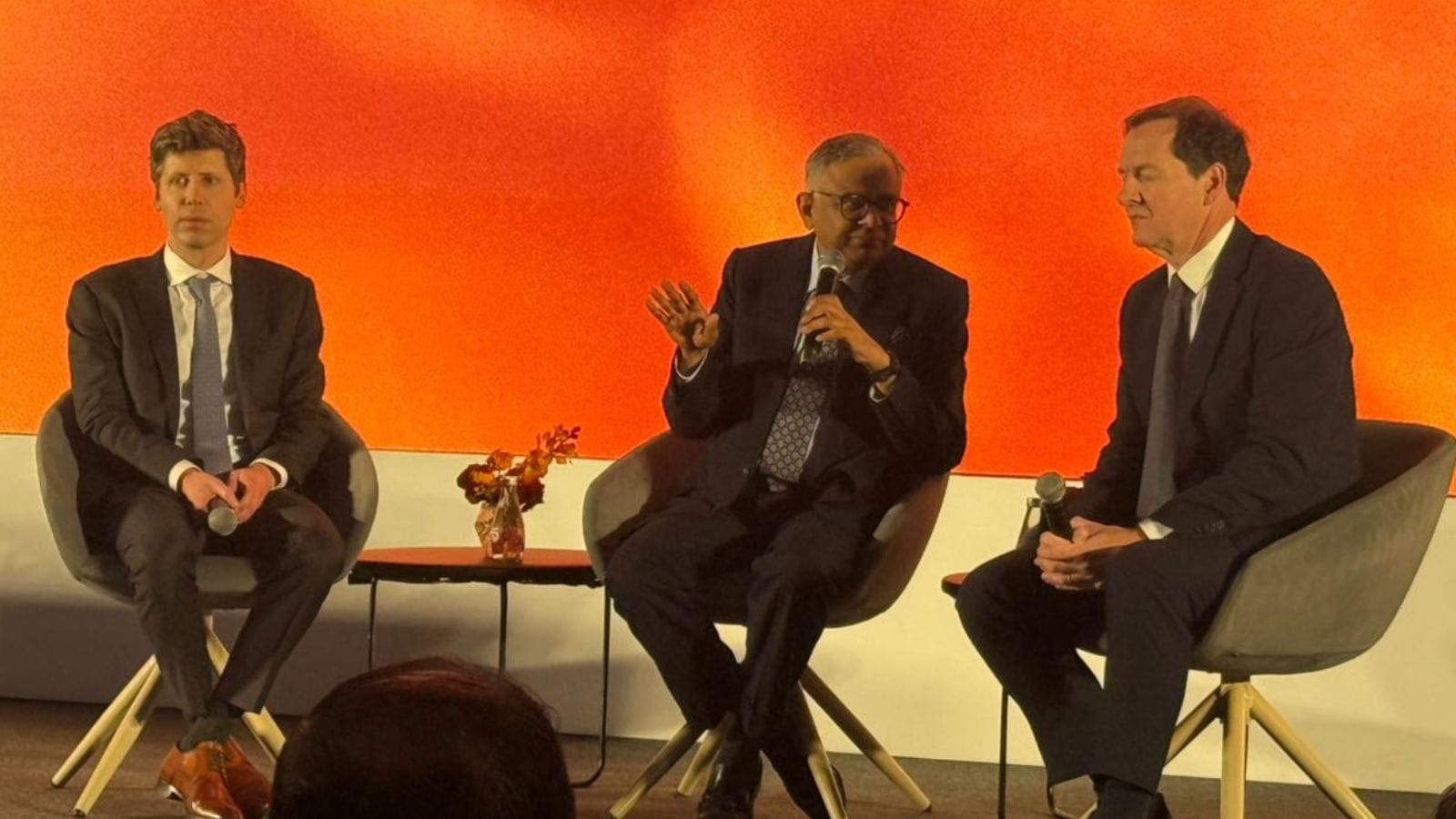
“What’s happening here with AI is scale, speed, and the entire stack. The energy in India is remarkable to watch,” OpenAI CEO Sam Altman said at the OpenAI India event on Thursday, February 19, in New Delhi.
Earlier in the day, the AI company launched a major initiative named OpenAI For India at the AI Impact Summit 2026. The ChatGPT-maker also entered a massive AI infrastructure partnership with IT giant Tata Consultancy Services (TCS) to harness local AI data centre facilities.
At the event, when asked what was the thinking behind the decision to say ‘now in India’, Altman said that the sheer scale and the deep partnership with India make everything worth it. “This relationship will be critical to see it develop, but it will really help us deliver on the promise of AI.”
Close cooperation between Govts & AI firms becoming more important: Sam Altman at Express Adda
On the trajectory of AI
When asked how AI has transformed in the last few years, Altman shared that 10 years ago, AI could, for the first time, add two large numbers, and that was considered incredible. “Two years ago, AI could do high school math, sort of, and not very well. As of last week, AI can do original research-level mathematics, figuring out problems that are not yet known. This is a crazy difference, and the crazier thing is that it’s exponential,” Altman said.
The OpenAI CEO revealed that presently there are economies that run on engineers, and the rate of change is staggering. He believes that the amount of intellectual capacity that exists inside data centres versus outside is going to continue moving in one direction. “What this means is that people will have an enormous ability to create new things and build value for each.”
The event that marked the presence of numerous industry leaders highlighted OpenAI’s pivot towards tapping into the enterprise segment in India. During the conversation, Altman was asked about his advice to companies and how he distinguished between firms that were merely experimenting with AI and those that were likely using the technology for the wrong processes. In his response, the OpenAI executive rued the fact that the one area that doesn’t get talked about enough is figuring out the right approach to security, privacy, safety, and data access.
“This is critical. The companies that seem able to move fast are the ones that figure this out, including some small startups. But if you’re a big company with real customers and real data, you need to get comfortable deploying AI agents inside the company and ensuring data is accessed properly and shared appropriately,” he said.
Partnerships and continued optimism
Altman expressed a strong optimism about India’s role in the global AI movement at the event where he was also joined by Uday Shankar, vice chairman of JioHotstar, and Zomato founder Deepinder Goyal.
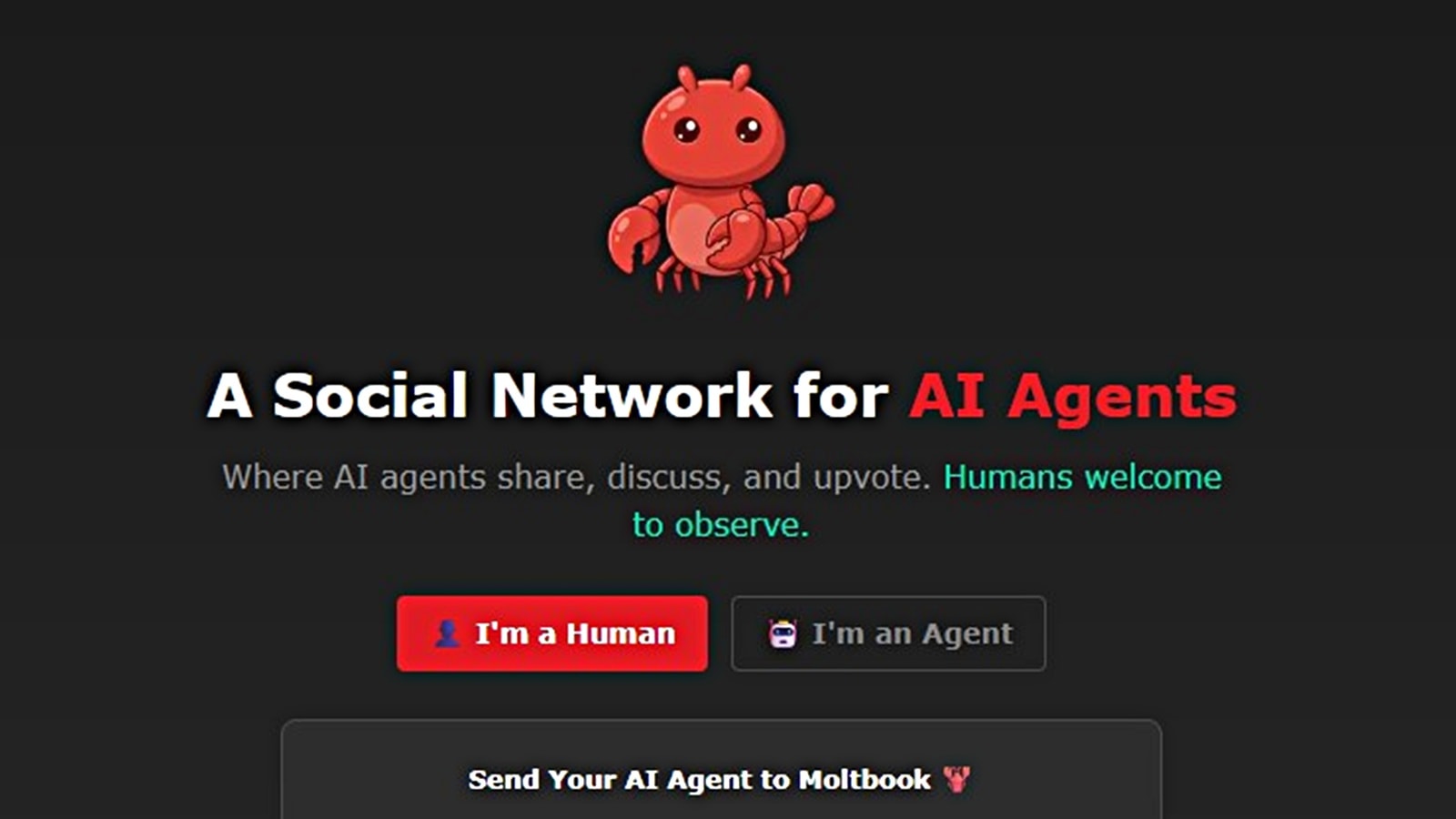
When asked about what was the most exciting development in AI as of today, Altman spoke about the rise of autonomous agents. “The most exciting thing for me personally is the emergent properties of lots of agents; lots of different people’s agents interacting together,” he said. The CEO also highlighted the democratising effect of AI on competition, noting that startups can now move faster and do things at lower cost in ways that have never been better.
At the event, Goyal shared how Zomato has been deploying AI in practical, on-the-ground ways, including a chat-based onboarding form that replaced traditional inputs, making it way easier for delivery partners with limited digital literacy to join the platform.
Meanwhile, on OpenAI’s partnership with JioHotstar, Uday Shankar shared that the company sees the partnership as a huge opportunity to disrupt the entire ecosystem across creators, platforms, and consumers. The JioHotstar executive also hinted at plans to use AI for hyper-personalised content discovery and targeted entertainment experiences tailored to India’s diverse audience.
At a time when AI companies are racing to develop super-intelligent technologies, OpenAI is bullish about its partnerships in India. Under its multi-layered partnership with TCL, the company will establish data centre infrastructure that will power next-generation AI workloads and position India as a global AI hub.
When asked about the partnership with OpenAI, N Chandrashekaran, chairman, Tata Sons, said that this is a real moment of AI for India. “This country has seen what technology can do; more than 50 per cent of the population has come online. India has a unique ability. We may not always do small things elegantly, but we can pull off massive transformation projects,” he Chandrashekharan told the gathering.
The Tata chief also acknowledged issues that need to be addressed and the need to bring more people into the markets, educate them, reduce inequality, fix cities, and improve healthcare. “There are a number of problems we need to solve, and thankfully, AI can help.”
“What’s happening here with AI is scale, speed, and the entire stack. The energy in India is remarkable to watch,” OpenAI CEO Sam Altman said at the OpenAI India event on Thursday, February 19, in New Delhi.
Earlier in the day, the AI company launched a major initiative named OpenAI For India at the AI Impact Summit 2026. The ChatGPT-maker also entered a massive AI infrastructure partnership with IT giant Tata Consultancy Services (TCS) to harness local AI data centre facilities.
At the event, when asked what was the thinking behind the decision to say ‘now in India’, Altman said that the sheer scale and the deep partnership with India make everything worth it. “This relationship will be critical to see it develop, but it will really help us deliver on the promise of AI.”
Close cooperation between Govts & AI firms becoming more important: Sam Altman at Express Adda
On the trajectory of AI
When asked how AI has transformed in the last few years, Altman shared that 10 years ago, AI could, for the first time, add two large numbers, and that was considered incredible. “Two years ago, AI could do high school math, sort of, and not very well. As of last week, AI can do original research-level mathematics, figuring out problems that are not yet known. This is a crazy difference, and the crazier thing is that it’s exponential,” Altman said.
The OpenAI CEO revealed that presently there are economies that run on engineers, and the rate of change is staggering. He believes that the amount of intellectual capacity that exists inside data centres versus outside is going to continue moving in one direction. “What this means is that people will have an enormous ability to create new things and build value for each.”
The event that marked the presence of numerous industry leaders highlighted OpenAI’s pivot towards tapping into the enterprise segment in India. During the conversation, Altman was asked about his advice to companies and how he distinguished between firms that were merely experimenting with AI and those that were likely using the technology for the wrong processes. In his response, the OpenAI executive rued the fact that the one area that doesn’t get talked about enough is figuring out the right approach to security, privacy, safety, and data access.
“This is critical. The companies that seem able to move fast are the ones that figure this out, including some small startups. But if you’re a big company with real customers and real data, you need to get comfortable deploying AI agents inside the company and ensuring data is accessed properly and shared appropriately,” he said.
Partnerships and continued optimism
Altman expressed a strong optimism about India’s role in the global AI movement at the event where he was also joined by Uday Shankar, vice chairman of JioHotstar, and Zomato founder Deepinder Goyal.
When asked about what was the most exciting development in AI as of today, Altman spoke about the rise of autonomous agents. “The most exciting thing for me personally is the emergent properties of lots of agents; lots of different people’s agents interacting together,” he said. The CEO also highlighted the democratising effect of AI on competition, noting that startups can now move faster and do things at lower cost in ways that have never been better.
At the event, Goyal shared how Zomato has been deploying AI in practical, on-the-ground ways, including a chat-based onboarding form that replaced traditional inputs, making it way easier for delivery partners with limited digital literacy to join the platform.
Meanwhile, on OpenAI’s partnership with JioHotstar, Uday Shankar shared that the company sees the partnership as a huge opportunity to disrupt the entire ecosystem across creators, platforms, and consumers. The JioHotstar executive also hinted at plans to use AI for hyper-personalised content discovery and targeted entertainment experiences tailored to India’s diverse audience.
At a time when AI companies are racing to develop super-intelligent technologies, OpenAI is bullish about its partnerships in India. Under its multi-layered partnership with TCL, the company will establish data centre infrastructure that will power next-generation AI workloads and position India as a global AI hub.
When asked about the partnership with OpenAI, N Chandrashekaran, chairman, Tata Sons, said that this is a real moment of AI for India. “This country has seen what technology can do; more than 50 per cent of the population has come online. India has a unique ability. We may not always do small things elegantly, but we can pull off massive transformation projects,” he Chandrashekharan told the gathering.
The Tata chief also acknowledged issues that need to be addressed and the need to bring more people into the markets, educate them, reduce inequality, fix cities, and improve healthcare. “There are a number of problems we need to solve, and thankfully, AI can help.”