



Block cuts 4,000 jobs amid shift to AI tools, Jack Dorsey says work is changing ‘rapidly’
Block is cutting more than 4,000 jobs, nearly half its workforce. Founder Jack Dorsey insists the move is strategic, not financial, but critics question the timing.
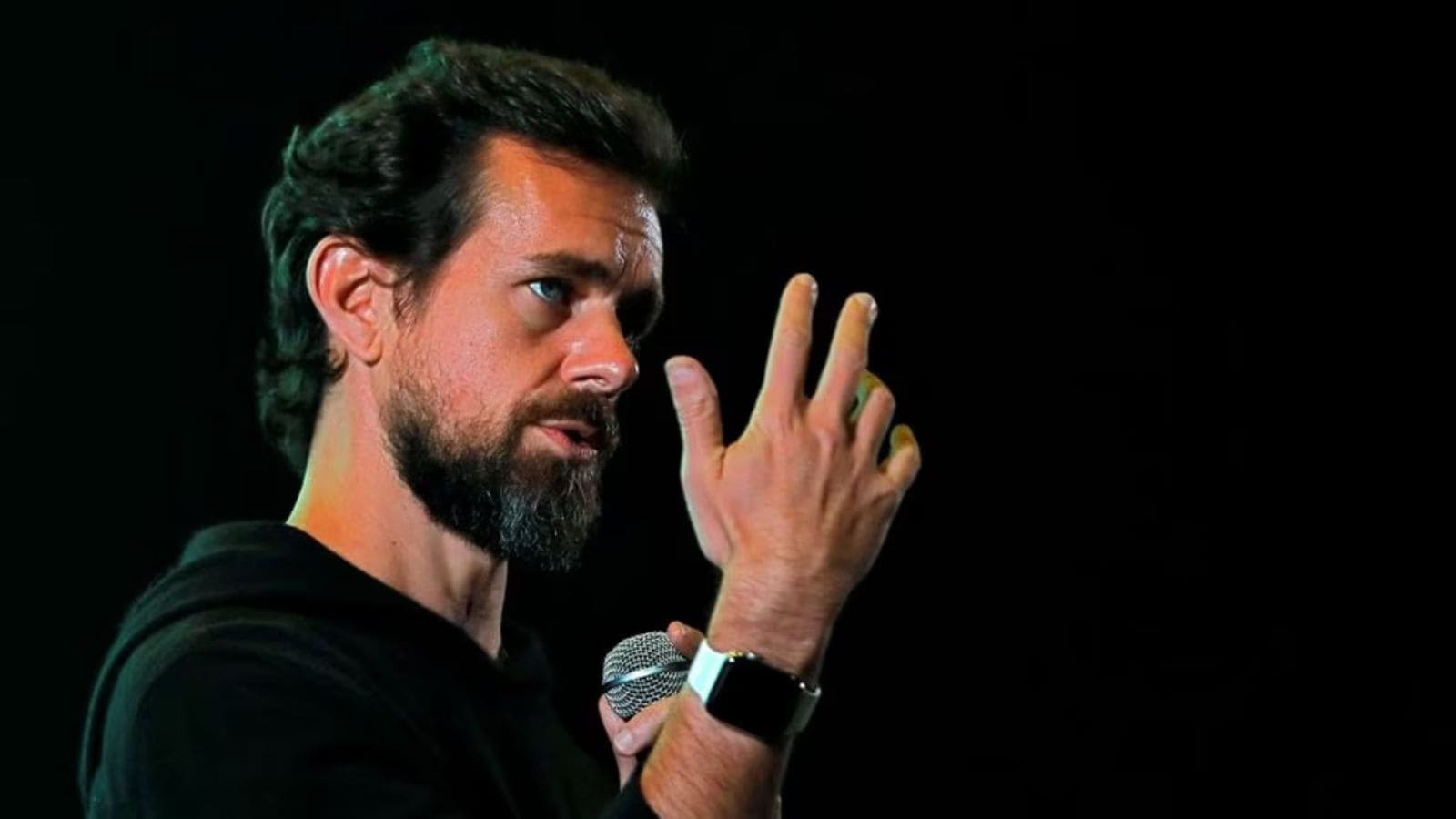
Amid the ongoing spate of layoffs led by artificial intelligence’s (AI) potential disruption, former Twitter Inc co-founder Jack Dorsey has announced one of the biggest restructuring moves in the history of his company Block Inc. Dorsey took to X (formerly Twitter) to share a long post announcing his plans to reduce the workforce by nearly 50 per cent as the company moves towards a more AI-driven way of working.
In a message to employees, the entrepreneur said that the company will reduce its headcount from over 10,000 to just under 6,000, essentially meaning over 4,000 employees will either be asked to leave or enter consultation. Block Inc is a technology company and a financial services provider for consumers and merchants.
“Today we’re making one of the hardest decisions in the history of our company,” Dorsey wrote. “That means over 4,000 of you are being asked to leave or entering into consultation. I’ll be straight about what’s happening, why, and what it means for everyone.”
Dorsey also outlined a severance package for those impacted by the layoffs, stating that the affected staff will be entitled to 20 weeks of salary, an additional week for every year of their tenure. He said that equity will vest through the end of May, with six months of healthcare coverage, retention of corporate devices, and a $5,000 transition support. Meanwhile, employees stationed outside the US will also get similar support, which will be adjusted as per local regulations.
“Everyone will be notified today, whether you’re being asked to leave, enter consultation, or asked to stay,” he said.
Not driven by financial distress
The founder asserted that the decision was not due to financial distress, stressing that the company’s fundamentals remain strong. “We’re not making this decision because we’re in trouble,” he wrote.
“Our business is strong. Gross profit continues to grow, we continue to serve more and more customers, and profitability is improving.”
Conversely, Dorsey highlighted the deeper structural shift happening in how companies are built and operated, driven by advances in intelligence tools and smaller, flatter teams. “We’re already seeing that the intelligence tools we’re creating and using, paired with smaller and flatter teams, are enabling a new way of working which fundamentally changes what it means to build and run a company,” he said.
The founder of Bluesky revealed that he faced a choice between gradual layoffs over time or taking a single decisive action right now, and that he opted for the latter to avoid prolonged uncertainty.
“Repeated rounds of cuts are destructive to morale, to focus, and to the trust that customers and shareholders place in our ability to lead,” he wrote. “I’d rather take a hard, clear action now and build from a position we believe in.”
The 49-year-old added that a smaller organisation would allow the company to grow “on our own terms, instead of constantly reacting to market pressures”.
Admitting risks and uncertainties
Dorsey has described the move as risky and shared that the leadership had conducted a full review of the roles needed to grow the business and pressure-tested its decisions. He also admitted that there could be mistakes.
“I accept that we may have gotten some of them wrong,” he said, adding that flexibility had been built in to course-correct if needed.
Maintaining a humane tone, the CEO added that his company would not abruptly cut off communication for departing employees. Slack and email access will remain open through Thursday evening (Pacific time), and he also shared his plans to host a live video session to thank employees. “I know doing it this way might feel awkward,” he wrote. “I’d rather it feel awkward and human than efficient and cold.”
On the other hand, while addressing employees who are leaving, the founder expressed gratitude as well as regret. “You built what this company is today… That’s a fact that I’ll honour forever. This decision is not a reflection of what you contributed.”
And, for those remaining, Dorsey said he would take full responsibility for the decision and asked them to help build the company’s next phase. “We’re going to build this company with intelligence at the core of everything we do,” he said, pointing to a future where customers can build their own features using the company’s tools and interfaces.
Sharply divided reaction
Dorsey’s announcement triggered a sharply divided reaction. While investors cheered the move, sending Block’s shares sharply higher on the view that a smaller, AI-leaning workforce would improve efficiency and margins. Even though Dorsey framed the cuts as a strategic reset rather than a response to financial stress, critics were less convinced.
Reportedly, former employees and labour advocates described the layoffs as abrupt and poorly communicated, while many observers accused Block of using AI as a convenient justification for correcting years of over-hiring, despite the company remaining profitable.
Across the tech industry, the move seems to be widely interpreted as a bellwether moment, reinforcing apprehensions that even healthy companies are willing to shed thousands of jobs in the name of automation and shareholder confidence.
Amid the ongoing spate of layoffs led by artificial intelligence’s (AI) potential disruption, former Twitter Inc co-founder Jack Dorsey has announced one of the biggest restructuring moves in the history of his company Block Inc. Dorsey took to X (formerly Twitter) to share a long post announcing his plans to reduce the workforce by nearly 50 per cent as the company moves towards a more AI-driven way of working.
In a message to employees, the entrepreneur said that the company will reduce its headcount from over 10,000 to just under 6,000, essentially meaning over 4,000 employees will either be asked to leave or enter consultation. Block Inc is a technology company and a financial services provider for consumers and merchants.
“Today we’re making one of the hardest decisions in the history of our company,” Dorsey wrote. “That means over 4,000 of you are being asked to leave or entering into consultation. I’ll be straight about what’s happening, why, and what it means for everyone.”
Dorsey also outlined a severance package for those impacted by the layoffs, stating that the affected staff will be entitled to 20 weeks of salary, an additional week for every year of their tenure. He said that equity will vest through the end of May, with six months of healthcare coverage, retention of corporate devices, and a $5,000 transition support. Meanwhile, employees stationed outside the US will also get similar support, which will be adjusted as per local regulations.
“Everyone will be notified today, whether you’re being asked to leave, enter consultation, or asked to stay,” he said.
Not driven by financial distress
The founder asserted that the decision was not due to financial distress, stressing that the company’s fundamentals remain strong. “We’re not making this decision because we’re in trouble,” he wrote.
“Our business is strong. Gross profit continues to grow, we continue to serve more and more customers, and profitability is improving.”
Conversely, Dorsey highlighted the deeper structural shift happening in how companies are built and operated, driven by advances in intelligence tools and smaller, flatter teams. “We’re already seeing that the intelligence tools we’re creating and using, paired with smaller and flatter teams, are enabling a new way of working which fundamentally changes what it means to build and run a company,” he said.
The founder of Bluesky revealed that he faced a choice between gradual layoffs over time or taking a single decisive action right now, and that he opted for the latter to avoid prolonged uncertainty.
“Repeated rounds of cuts are destructive to morale, to focus, and to the trust that customers and shareholders place in our ability to lead,” he wrote. “I’d rather take a hard, clear action now and build from a position we believe in.”
The 49-year-old added that a smaller organisation would allow the company to grow “on our own terms, instead of constantly reacting to market pressures”.
Admitting risks and uncertainties
Dorsey has described the move as risky and shared that the leadership had conducted a full review of the roles needed to grow the business and pressure-tested its decisions. He also admitted that there could be mistakes.
“I accept that we may have gotten some of them wrong,” he said, adding that flexibility had been built in to course-correct if needed.
Maintaining a humane tone, the CEO added that his company would not abruptly cut off communication for departing employees. Slack and email access will remain open through Thursday evening (Pacific time), and he also shared his plans to host a live video session to thank employees. “I know doing it this way might feel awkward,” he wrote. “I’d rather it feel awkward and human than efficient and cold.”
On the other hand, while addressing employees who are leaving, the founder expressed gratitude as well as regret. “You built what this company is today… That’s a fact that I’ll honour forever. This decision is not a reflection of what you contributed.”
And, for those remaining, Dorsey said he would take full responsibility for the decision and asked them to help build the company’s next phase. “We’re going to build this company with intelligence at the core of everything we do,” he said, pointing to a future where customers can build their own features using the company’s tools and interfaces.
Sharply divided reaction
Dorsey’s announcement triggered a sharply divided reaction. While investors cheered the move, sending Block’s shares sharply higher on the view that a smaller, AI-leaning workforce would improve efficiency and margins. Even though Dorsey framed the cuts as a strategic reset rather than a response to financial stress, critics were less convinced.
Reportedly, former employees and labour advocates described the layoffs as abrupt and poorly communicated, while many observers accused Block of using AI as a convenient justification for correcting years of over-hiring, despite the company remaining profitable.
Across the tech industry, the move seems to be widely interpreted as a bellwether moment, reinforcing apprehensions that even healthy companies are willing to shed thousands of jobs in the name of automation and shareholder confidence.