

Destiny’s child: How Andreeva turned a mother’s dream into a French Open title
The 19-year-old Russian defeated qualifier Maja Chwalinska 6-3 6-2 to claim her first Major title at Roland Garros
Mirra Andreeva was on a tennis court by the age of 2. She was putting balls back into play by the time she was six. At 12, she had already come to the notice of IMG, the influential global sports and entertainment agency. As she turned 16, she and her sister Erika, three years her elder, were already being mentioned in the same breath as the Williamses. Successful tennis sisters always make for a feel-good story.
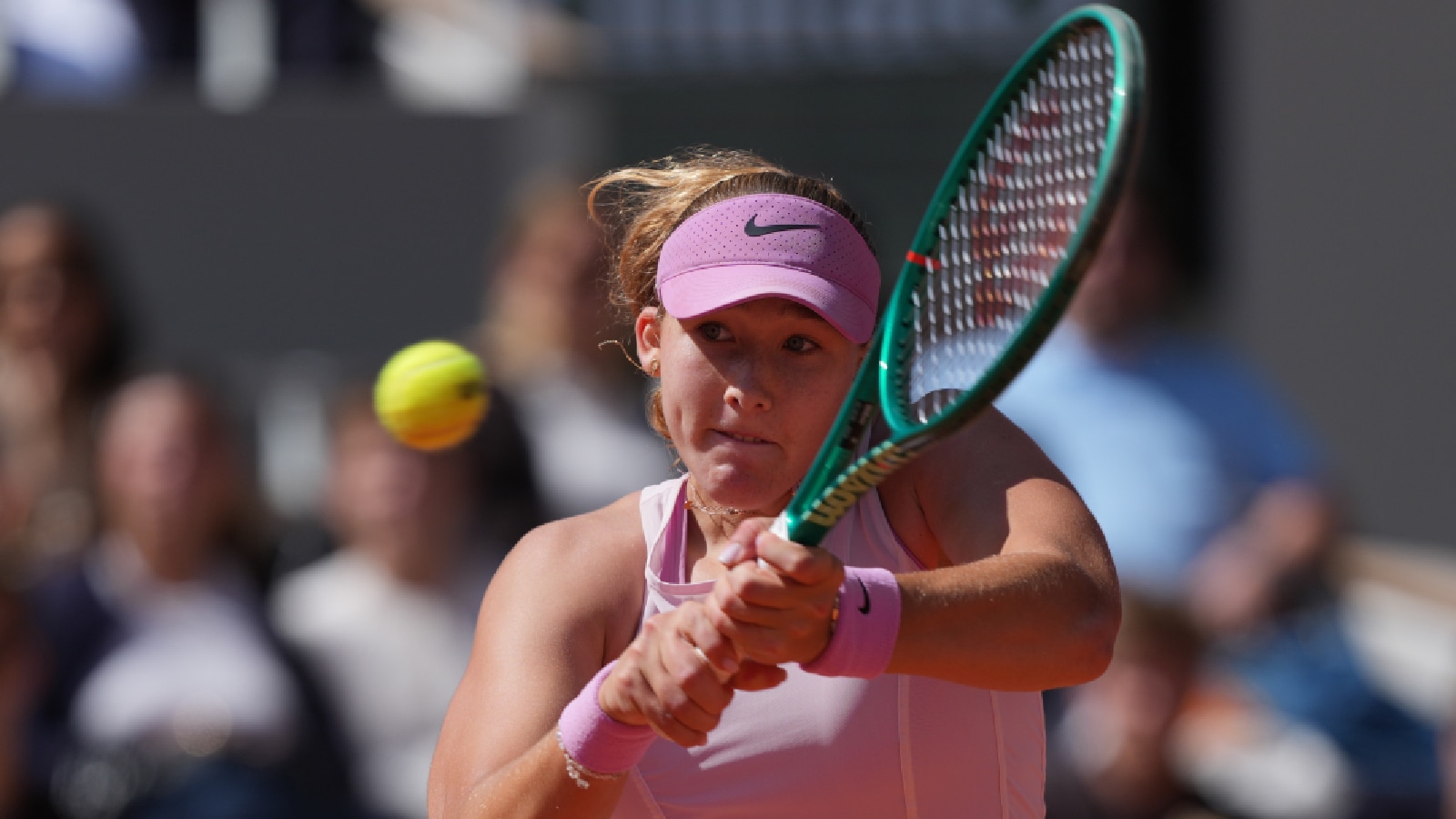
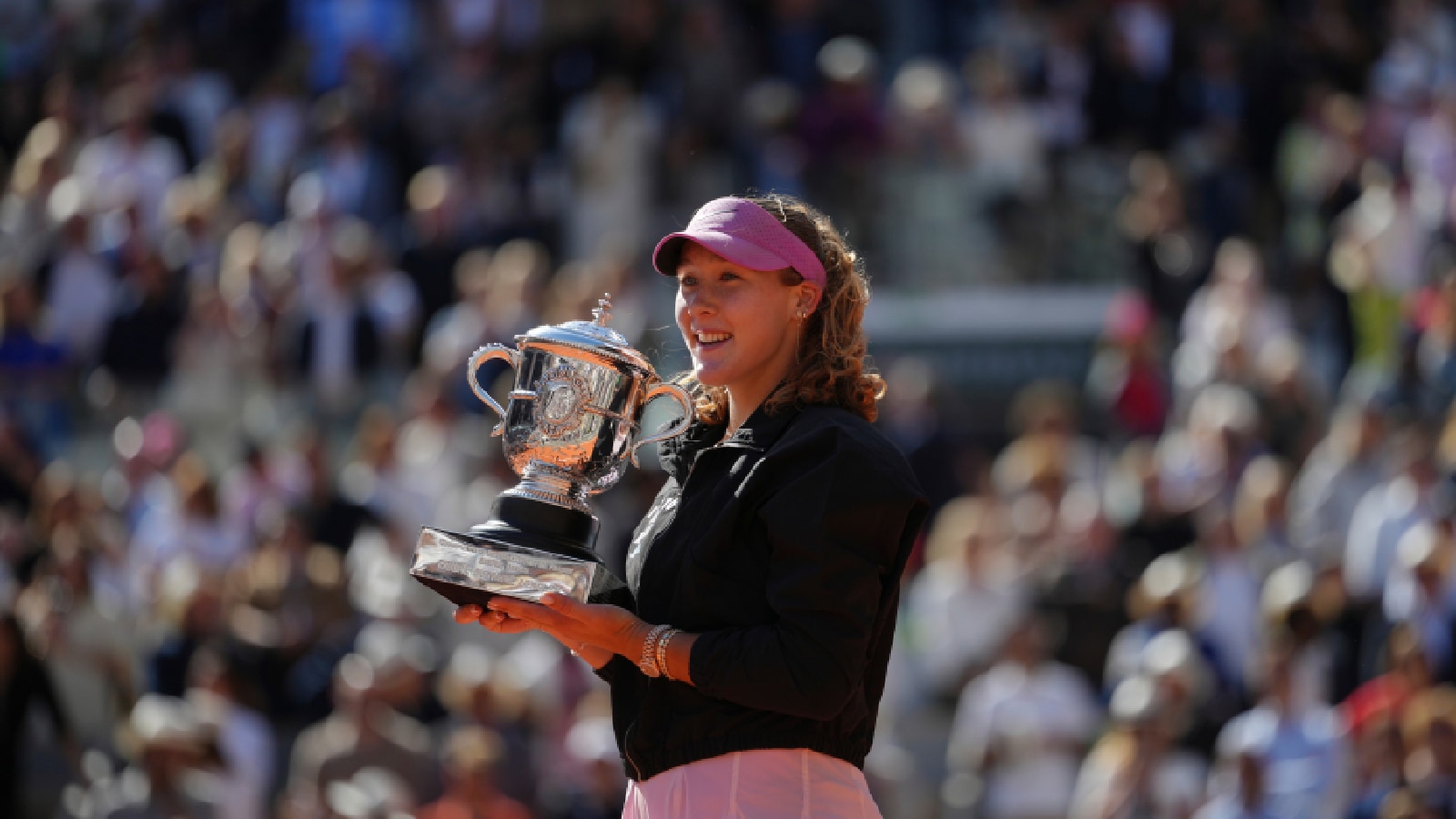
Forgive her, then, if relief accompanied joy in equal parts as she fell to the red dirt of Court Philippe Chatrier on Saturday. Life as a prodigy can be hectic. Realising one’s potential, matching the hype, can be a burden. With laser-eyed focus and consistency that was on show throughout the tournament, Andreeva firmly did so at this year’s French Open. The Russian 19-year-old defeated unlikely opponent Polish qualifier Maja Chwalinska 6-3 6-2 to win her first Major title in her first final.
The victory had been decades in the making. Andreeva’s path, the story goes, was laid even before her birth. So inspired was her mother, Raisa, to see a Russian win a Major title, specifically Marat Safin at the Australian Open in 2005, that she decided both her daughters must choose tennis as their sport. Climate in their Siberian region during their upbringing was not conducive to the family’s ambitions. They eventually moved to Sochi, before funding enabled them to go to a full-time academy in Cannes, the town on the French Riviera.
Lift it high, Mirra 👏#RolandGarros pic.twitter.com/ilKdudsYIy
— Roland-Garros (@rolandgarros) June 6, 2026
Erika, currently ranked 230th in the world, did not quite make the sister-act story come true. But her sister kept going from strength to strength. By the time she was 16, Andreeva was beating top 20 opponents by day and completing her schooling via online classes at night.
But the chasm between promise and success can often be huge. Andreeva kept growing in ranking and stature. She drew the attention of tennis legend Conchita Martinez, now her coach. She won big titles to establish herself in the top 10. Yet results at the Majors went missing. Replicating success on the big stage is a daunting step that many burned-out prodigies simply fail to take.
Consistency, and not the flash of her youth, led to her first breakthrough. Conditions at Roland Garros would prove to be atypically tough this year, high heat on some days, high wind on others. A host of the best players in the world tumbled out of the draw, paving the way for Chwalinska. The Pole entered the draw through qualifying, ranked 114th in the world, one spot behind her career best ranking. Her patient, dogged style may seem outdated on most days, but was proving effective for these conditions. Not against Andreeva. The Russian had not blinked this fortnight, and her steely resolve and ruthless aggression from the baseline carried her over the line in the final.
Nerves were evident as play began with the duo trading breaks in the first four games. But as the dust settled and Andreeva got a read on Chwalinska’s gameplan, using slow groundstrokes, slices and moonballs to take advantage of the wind, Andreeva took control from the baseline and rattled off nine games in a row to place one hand on the trophy.
Mirra’s championship point 💫#RolandGarros pic.twitter.com/xvlAgRUBrA
— Roland-Garros (@rolandgarros) June 6, 2026
The greatest test was to come. As she failed to serve out the win in the second set, the anticipation of years of expectations seemed to weigh her down. A collapse there could have derailed everything that followed. She kept her cool, rattled winners to break her opponent in the next game and left with the title.
At 19, there is ostensibly much more left to come. That does not change that the breakthrough was years in the making. Little wonder, then, about the words that adorned her jacket as she lifted the trophy: ‘I want to thank myself.’
Mirra Andreeva was on a tennis court by the age of 2. She was putting balls back into play by the time she was six. At 12, she had already come to the notice of IMG, the influential global sports and entertainment agency. As she turned 16, she and her sister Erika, three years her elder, were already being mentioned in the same breath as the Williamses. Successful tennis sisters always make for a feel-good story.
Forgive her, then, if relief accompanied joy in equal parts as she fell to the red dirt of Court Philippe Chatrier on Saturday. Life as a prodigy can be hectic. Realising one’s potential, matching the hype, can be a burden. With laser-eyed focus and consistency that was on show throughout the tournament, Andreeva firmly did so at this year’s French Open. The Russian 19-year-old defeated unlikely opponent Polish qualifier Maja Chwalinska 6-3 6-2 to win her first Major title in her first final.
The victory had been decades in the making. Andreeva’s path, the story goes, was laid even before her birth. So inspired was her mother, Raisa, to see a Russian win a Major title, specifically Marat Safin at the Australian Open in 2005, that she decided both her daughters must choose tennis as their sport. Climate in their Siberian region during their upbringing was not conducive to the family’s ambitions. They eventually moved to Sochi, before funding enabled them to go to a full-time academy in Cannes, the town on the French Riviera.
Lift it high, Mirra 👏#RolandGarros pic.twitter.com/ilKdudsYIy
— Roland-Garros (@rolandgarros) June 6, 2026
Erika, currently ranked 230th in the world, did not quite make the sister-act story come true. But her sister kept going from strength to strength. By the time she was 16, Andreeva was beating top 20 opponents by day and completing her schooling via online classes at night.
But the chasm between promise and success can often be huge. Andreeva kept growing in ranking and stature. She drew the attention of tennis legend Conchita Martinez, now her coach. She won big titles to establish herself in the top 10. Yet results at the Majors went missing. Replicating success on the big stage is a daunting step that many burned-out prodigies simply fail to take.
Consistency, and not the flash of her youth, led to her first breakthrough. Conditions at Roland Garros would prove to be atypically tough this year, high heat on some days, high wind on others. A host of the best players in the world tumbled out of the draw, paving the way for Chwalinska. The Pole entered the draw through qualifying, ranked 114th in the world, one spot behind her career best ranking. Her patient, dogged style may seem outdated on most days, but was proving effective for these conditions. Not against Andreeva. The Russian had not blinked this fortnight, and her steely resolve and ruthless aggression from the baseline carried her over the line in the final.
Nerves were evident as play began with the duo trading breaks in the first four games. But as the dust settled and Andreeva got a read on Chwalinska’s gameplan, using slow groundstrokes, slices and moonballs to take advantage of the wind, Andreeva took control from the baseline and rattled off nine games in a row to place one hand on the trophy.
Mirra’s championship point 💫#RolandGarros pic.twitter.com/xvlAgRUBrA
— Roland-Garros (@rolandgarros) June 6, 2026
The greatest test was to come. As she failed to serve out the win in the second set, the anticipation of years of expectations seemed to weigh her down. A collapse there could have derailed everything that followed. She kept her cool, rattled winners to break her opponent in the next game and left with the title.
At 19, there is ostensibly much more left to come. That does not change that the breakthrough was years in the making. Little wonder, then, about the words that adorned her jacket as she lifted the trophy: ‘I want to thank myself.’