

Why French Open boycott over prize share might not happen despite loud rumblings
A boycott in 1973 didn't achieve much substantially, but tennis players in 2026 are once again unhappy about low percentage of prize money share out of total revenue that Grand Slams make
1973 was the year Vijay Amritraj notched his best-ever finish at a Major, at a Wimbledon tournament that saw the Czech clay-court savant, Jan Kodes, triumph on grass. The historical oddity took place as a result of a large-scale boycott within the men’s draw; 81 players, including 12 of the 16 seeds, skipped the tournament after the ATP, then a mere players’ union, staged a protest over a harsh ban on their No. 1-ranked player Nikola Pilic. Things went on as usual. Kodes won an event that saw the second-highest attendance up to that date. Alongside Amritraj, a 17-year-old Bjorn Borg and a 20-year-old Jimmy Connors made the last eight of a Major for the first time in their careers.
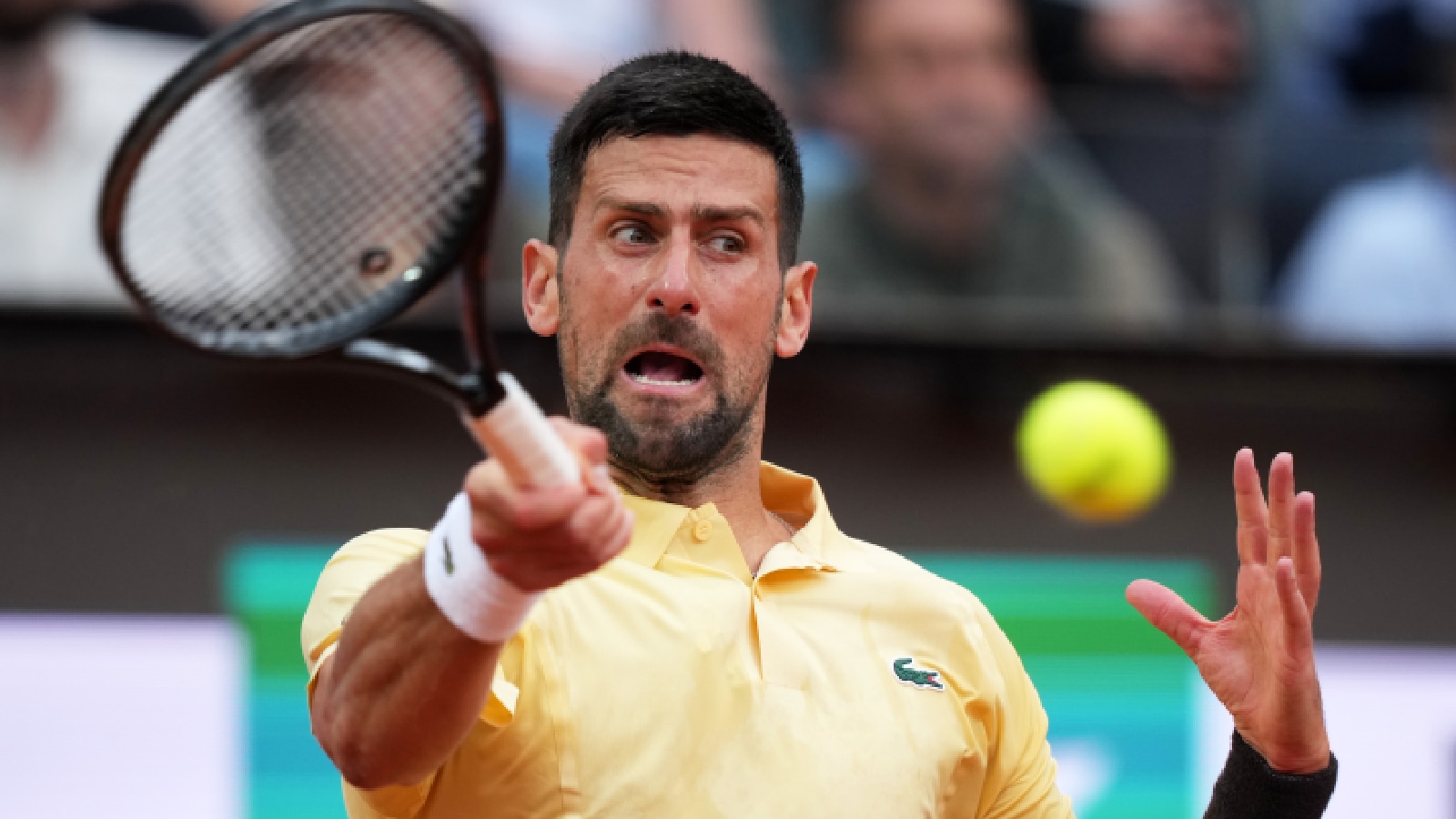
53 years later and tennis’s stakeholder bodies – splintered and protecting varied interests – face the spectre of collective action once again. World No. 1 Aryna Sabalenka feels the players must boycott a Slam to have their voices heard; her male counterpart, Jannik Sinner, believes the players are not getting the respect they deserve.
But how real is the prospect of a boycott, and would it even work to service the players’ demands? What is the evidence that points to a different outcome than 1973?
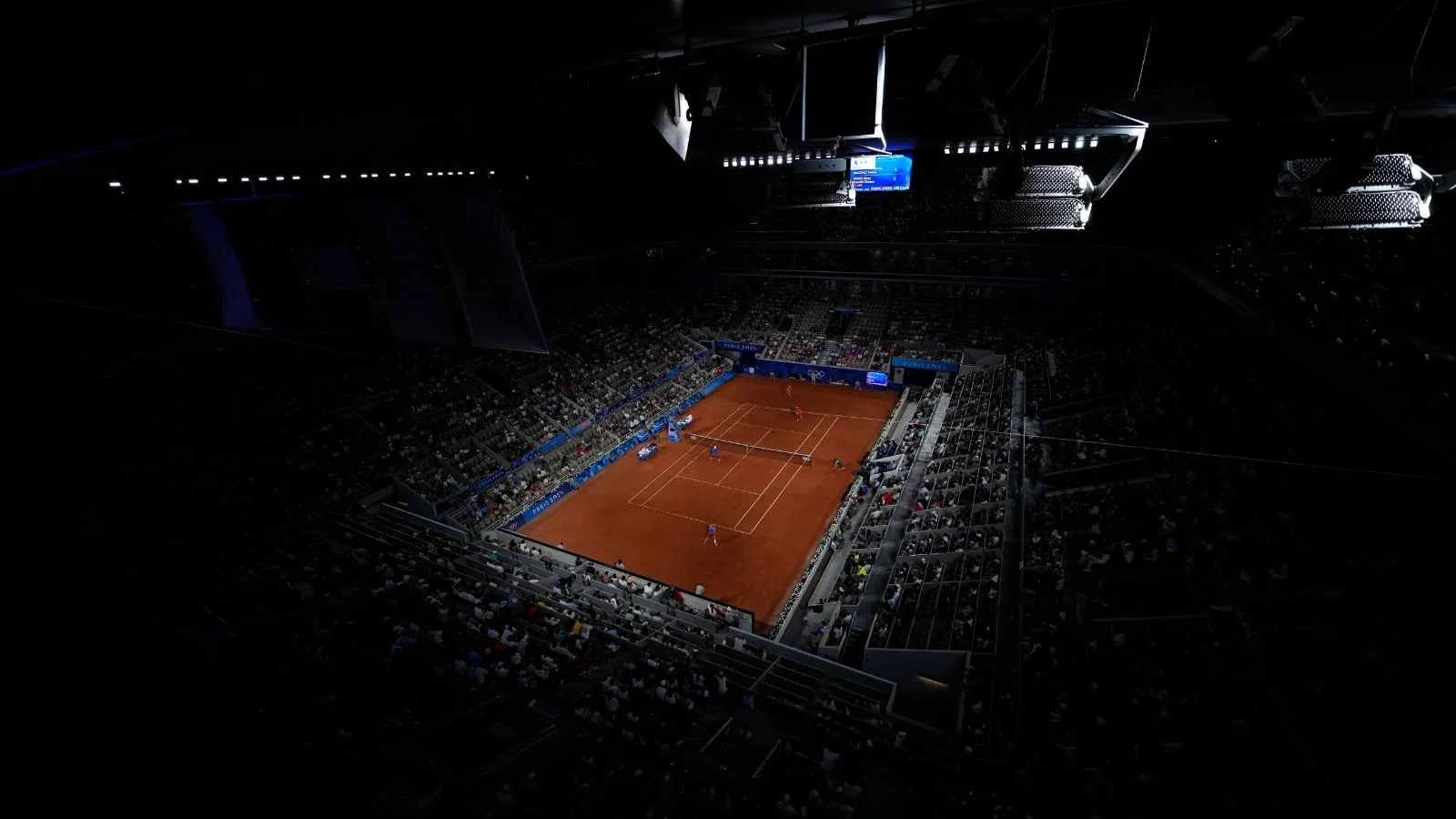
Calls for a boycott stem from a list of demands made by the players to the Grand Slam tournaments that their share in the total revenue from the Majors should rise to 22 per cent, as opposed to an average of 16 per cent through the four. The ire was ignited as the French Open announced their prize money for this year’s edition, beginning in May. Although the entire pool increased by 9.5 per cent, it was a big margin off from the players’ demand.
It’s tough to suggest the players don’t have a point. The men’s and women’s champions at Roland Garros will collect a paycheck of roughly $3.3million. Rory McIlroy bagged $4.5 million from winning the Masters – golf’s nearest equivalent to Wimbledon. That’s not taking into account the healthy prize money at the less flashy golf tour events, and the better distribution of the total pie.
Players boycotts have loomed over Majors in the past. Men’s players were demanding 30 per cent of tournament revenue in 2004 but failed to organise themselves. The women’s field planned a strike in 2006 that never came to pass.
Tennis may be one of the most popular commercialised sports in the world, but the reasons why its players are inadequately rewarded – those outside the top 100 often struggle to break even – stem from a series of blockades.
Its governance causes a major hindrance. Seven separate bodies are in charge of administering and growing the game: each of the four Slams operating separately, the two players’ associations (ATP and WTA) and the International Tennis Federation (ITF). To bring all of them together to agree on a common programme is nearly impossible. It is why the French Open increased its prize money only by 9.5 per cent this year, significantly less than the US Open (20 per cent) and Australian Open (16 per cent). It also does not serve the other Slams’ interests to rally behind Roland Garros.
So, collective action does little to make a lasting impact. Even more so because it is not truly collective. 1973’s protest made a strong statement but did little else other than becoming an amusing historical footnote. Fundamentally, one player’s loss is another’s gain; the prospect of wolfing up prize money and ranking points left behind by the top players as a result of a boycott will be too tempting. It is how Kodes won the most significant tournament of his life and how Amritraj announced himself to the world. The ability to be able to get all of the top players in the world together is very unlikely.
Tennis is also far less powered than by the big personalities of a decade ago. A rising newer generation has made waves, but doesn’t hold the celebrity power of Roger Federer or Serena Williams. Attendances are likely to remain high at the Majors that are now considered high society lifestyle events as much as they are sporting competitions. Boycotts are unlikely to affect viewers’ interest and curiosity over who wins a Major, even if the victory has an asterisk over it.
The players may come together for their demands and make change happen. But it is likely to be a result of boardroom schemings, not a statement-making public spectacle.
1973 was the year Vijay Amritraj notched his best-ever finish at a Major, at a Wimbledon tournament that saw the Czech clay-court savant, Jan Kodes, triumph on grass. The historical oddity took place as a result of a large-scale boycott within the men’s draw; 81 players, including 12 of the 16 seeds, skipped the tournament after the ATP, then a mere players’ union, staged a protest over a harsh ban on their No. 1-ranked player Nikola Pilic. Things went on as usual. Kodes won an event that saw the second-highest attendance up to that date. Alongside Amritraj, a 17-year-old Bjorn Borg and a 20-year-old Jimmy Connors made the last eight of a Major for the first time in their careers.
53 years later and tennis’s stakeholder bodies – splintered and protecting varied interests – face the spectre of collective action once again. World No. 1 Aryna Sabalenka feels the players must boycott a Slam to have their voices heard; her male counterpart, Jannik Sinner, believes the players are not getting the respect they deserve.
But how real is the prospect of a boycott, and would it even work to service the players’ demands? What is the evidence that points to a different outcome than 1973?
Calls for a boycott stem from a list of demands made by the players to the Grand Slam tournaments that their share in the total revenue from the Majors should rise to 22 per cent, as opposed to an average of 16 per cent through the four. The ire was ignited as the French Open announced their prize money for this year’s edition, beginning in May. Although the entire pool increased by 9.5 per cent, it was a big margin off from the players’ demand.
It’s tough to suggest the players don’t have a point. The men’s and women’s champions at Roland Garros will collect a paycheck of roughly $3.3million. Rory McIlroy bagged $4.5 million from winning the Masters – golf’s nearest equivalent to Wimbledon. That’s not taking into account the healthy prize money at the less flashy golf tour events, and the better distribution of the total pie.
Players boycotts have loomed over Majors in the past. Men’s players were demanding 30 per cent of tournament revenue in 2004 but failed to organise themselves. The women’s field planned a strike in 2006 that never came to pass.
Tennis may be one of the most popular commercialised sports in the world, but the reasons why its players are inadequately rewarded – those outside the top 100 often struggle to break even – stem from a series of blockades.
Its governance causes a major hindrance. Seven separate bodies are in charge of administering and growing the game: each of the four Slams operating separately, the two players’ associations (ATP and WTA) and the International Tennis Federation (ITF). To bring all of them together to agree on a common programme is nearly impossible. It is why the French Open increased its prize money only by 9.5 per cent this year, significantly less than the US Open (20 per cent) and Australian Open (16 per cent). It also does not serve the other Slams’ interests to rally behind Roland Garros.
So, collective action does little to make a lasting impact. Even more so because it is not truly collective. 1973’s protest made a strong statement but did little else other than becoming an amusing historical footnote. Fundamentally, one player’s loss is another’s gain; the prospect of wolfing up prize money and ranking points left behind by the top players as a result of a boycott will be too tempting. It is how Kodes won the most significant tournament of his life and how Amritraj announced himself to the world. The ability to be able to get all of the top players in the world together is very unlikely.
Tennis is also far less powered than by the big personalities of a decade ago. A rising newer generation has made waves, but doesn’t hold the celebrity power of Roger Federer or Serena Williams. Attendances are likely to remain high at the Majors that are now considered high society lifestyle events as much as they are sporting competitions. Boycotts are unlikely to affect viewers’ interest and curiosity over who wins a Major, even if the victory has an asterisk over it.
The players may come together for their demands and make change happen. But it is likely to be a result of boardroom schemings, not a statement-making public spectacle.