

SRH skipper Pat Cummins explains why T20 format’s slam-bang nature is liberating as a bowler
As Pat Cummins pointed out: ‘(T20 cricket can feel) so tilted in the batter's favor that you can actually have more impact just by bowling a good couple of balls.”
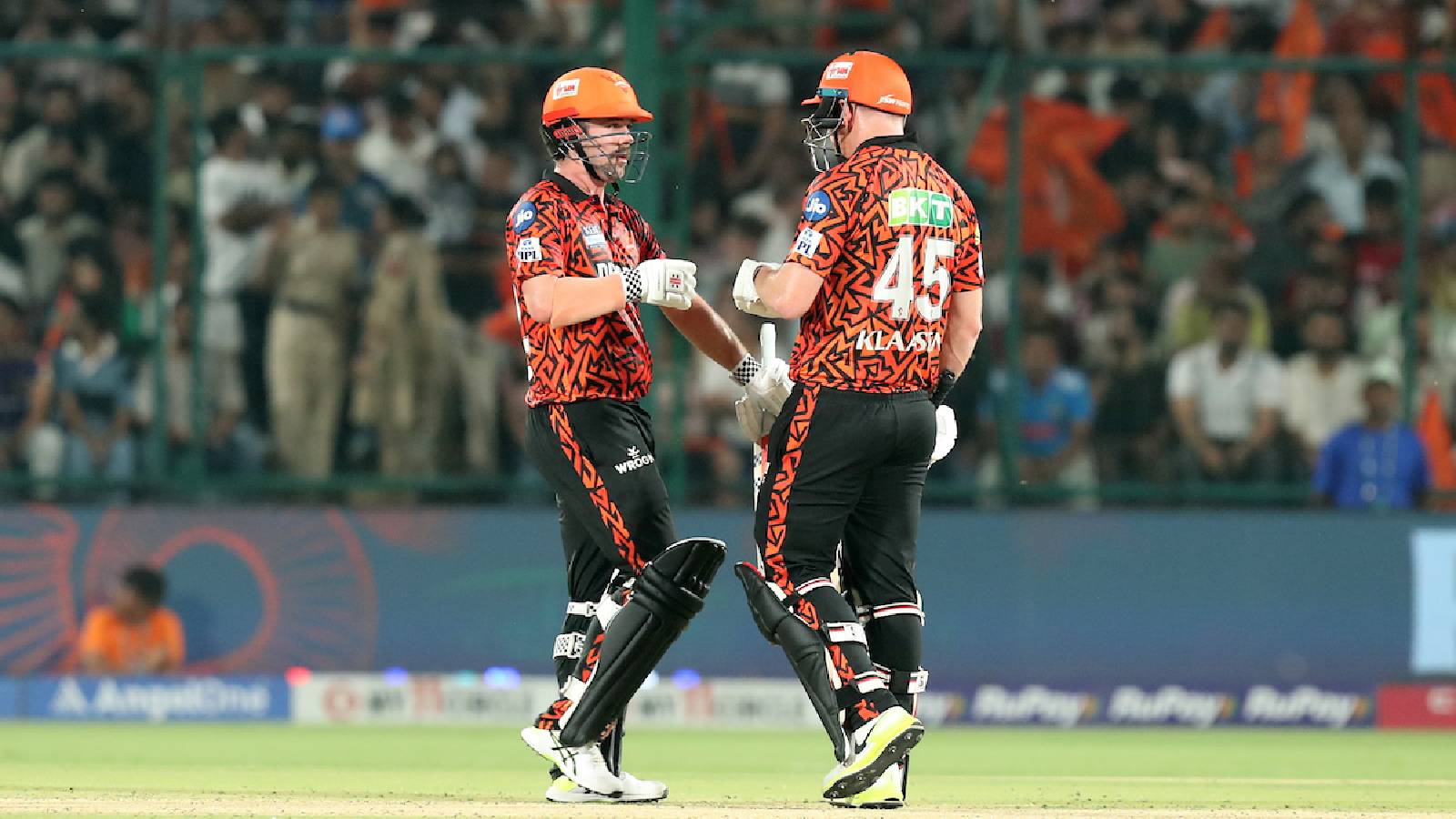
Over the last few years as team totals of 200+ runs have become more commonplace in T20 cricket, the balance of the game has tipped in favour of batters. This contrast between bat and ball is also very stark in the Indian Premier League (IPL) where last season Sunrisers Hyderabad (SRH) showed the devastation their batting order can wreak with multiple heavy-hitters like Travis Head, Abhishek Sharma, Heinrich Klaasen and Ishan Kishan in their ranks. But for Pat Cummins, the charge of T20 cricket towards being a batsman’s game has had a liberating effect.
“You just have to reset your expectations (as a bowler and as a captain). Going for eight runs an over used to be considered quite high. Now, if you bowl at the start and the end of the innings and you only go for 11 runs an over, that can be match-winning. You just have to reset those expectations within the playing group,” Cummins said in a conversation with the Business of Sport YouTube channel.
“In some ways, it’s more fun. You can be more creative and you don’t have to be perfect. Some days it doesn’t come off, but one really good over could win you a match. I actually enjoy the challenge; it feels so tilted in the batter’s favor that you can actually have more impact just by bowling a good couple of balls,” the SRH captain added.
While talking about SRH’s philosophy, Cummins pointed out that their batting line-up was not constructed for consistency, but shock and awe.
“It’s very deliberate. We’ve deliberately set up the team to be super aggressive. We’re not aiming to be consistent; we’re aiming to blow other teams out of the water, hopefully in more games than not.”
Cummins pointed out how that evolution had come about.
“When T20 cricket first started, everyone looked to Test cricket as a model, treating it like a faster version of that format. You still wanted your batters to bat through the innings, taking their first 10 or 20 balls to build an innings that way. I don’t think that really makes sense in T20 cricket anymore. In fact, I think in some Test matches it doesn’t even make sense, which seemed to be a lot of the conversation around the Ashes series this summer,” Cummins said.
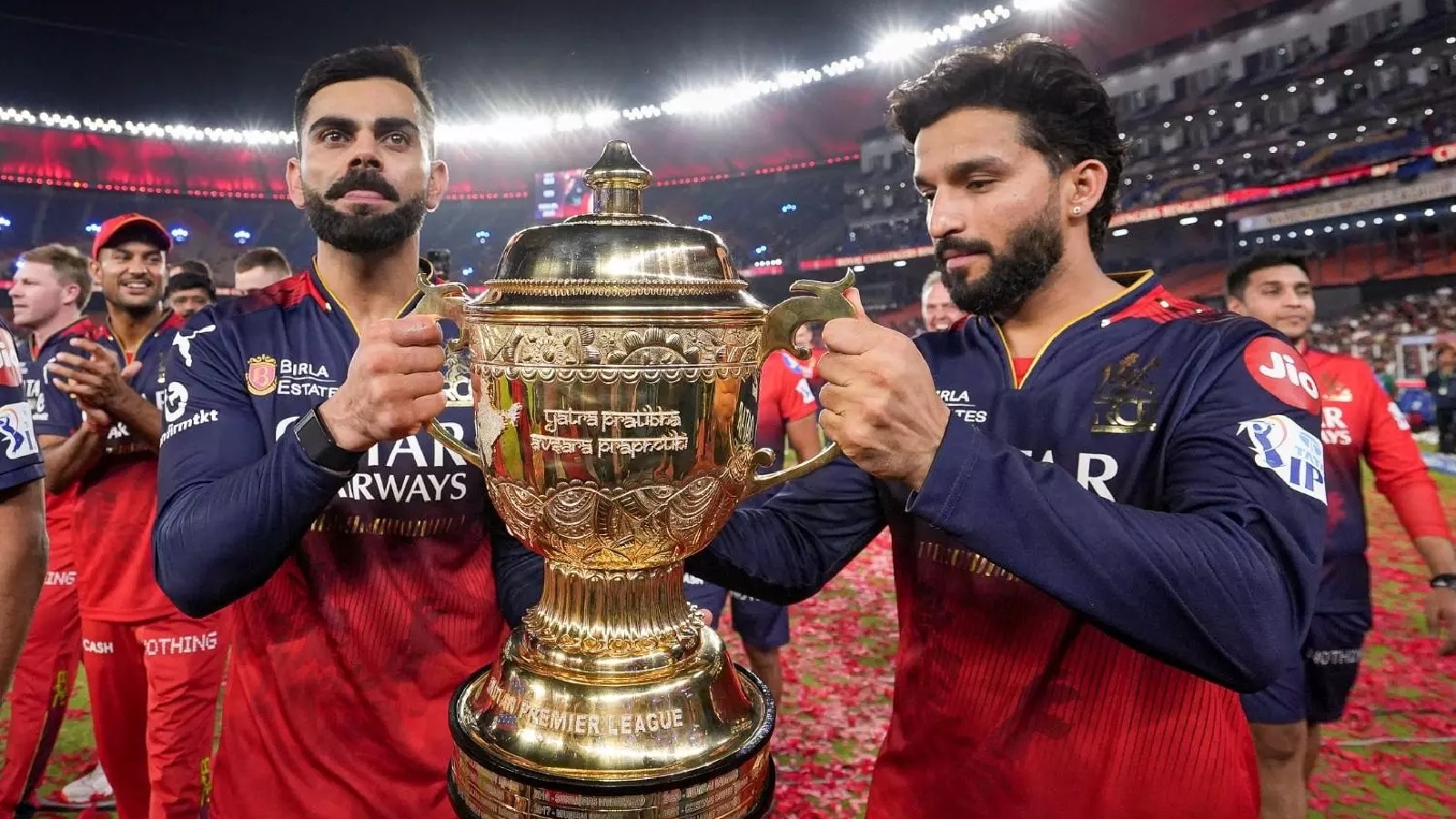
“We are pretty deliberate in that we bat very deep. There is a change of rule as well—we essentially get an extra batter nowadays. Pitches are very good, and I think players, particularly the young guys, are just learning just how good they are; they surprise themselves. Even someone like Virat Kohli seemed to play a bit more aggressively last season and probably scored more runs because of it. It seems to be a format where the more aggressive you are, the more things seem to fall in your favor. We really lean into that style. It’s also a lot more fun to just let them loose.”
Get latest updates on IPL 2026 from IPL Points Table to Teams, Schedule, Most Runs and Most Wickets along with live cricket score updates for all matches. Also get Sports news and more cricket updates.
Over the last few years as team totals of 200+ runs have become more commonplace in T20 cricket, the balance of the game has tipped in favour of batters. This contrast between bat and ball is also very stark in the Indian Premier League (IPL) where last season Sunrisers Hyderabad (SRH) showed the devastation their batting order can wreak with multiple heavy-hitters like Travis Head, Abhishek Sharma, Heinrich Klaasen and Ishan Kishan in their ranks. But for Pat Cummins, the charge of T20 cricket towards being a batsman’s game has had a liberating effect.
“You just have to reset your expectations (as a bowler and as a captain). Going for eight runs an over used to be considered quite high. Now, if you bowl at the start and the end of the innings and you only go for 11 runs an over, that can be match-winning. You just have to reset those expectations within the playing group,” Cummins said in a conversation with the Business of Sport YouTube channel.
“In some ways, it’s more fun. You can be more creative and you don’t have to be perfect. Some days it doesn’t come off, but one really good over could win you a match. I actually enjoy the challenge; it feels so tilted in the batter’s favor that you can actually have more impact just by bowling a good couple of balls,” the SRH captain added.
While talking about SRH’s philosophy, Cummins pointed out that their batting line-up was not constructed for consistency, but shock and awe.
“It’s very deliberate. We’ve deliberately set up the team to be super aggressive. We’re not aiming to be consistent; we’re aiming to blow other teams out of the water, hopefully in more games than not.”
Cummins pointed out how that evolution had come about.
“When T20 cricket first started, everyone looked to Test cricket as a model, treating it like a faster version of that format. You still wanted your batters to bat through the innings, taking their first 10 or 20 balls to build an innings that way. I don’t think that really makes sense in T20 cricket anymore. In fact, I think in some Test matches it doesn’t even make sense, which seemed to be a lot of the conversation around the Ashes series this summer,” Cummins said.
“We are pretty deliberate in that we bat very deep. There is a change of rule as well—we essentially get an extra batter nowadays. Pitches are very good, and I think players, particularly the young guys, are just learning just how good they are; they surprise themselves. Even someone like Virat Kohli seemed to play a bit more aggressively last season and probably scored more runs because of it. It seems to be a format where the more aggressive you are, the more things seem to fall in your favor. We really lean into that style. It’s also a lot more fun to just let them loose.”