

India’s 2036 Olympic pitch faces IOC question: Can it become a multi-sport nation?
IOC's Future Hosts Commission asks how will country move beyond being a single-sport nation
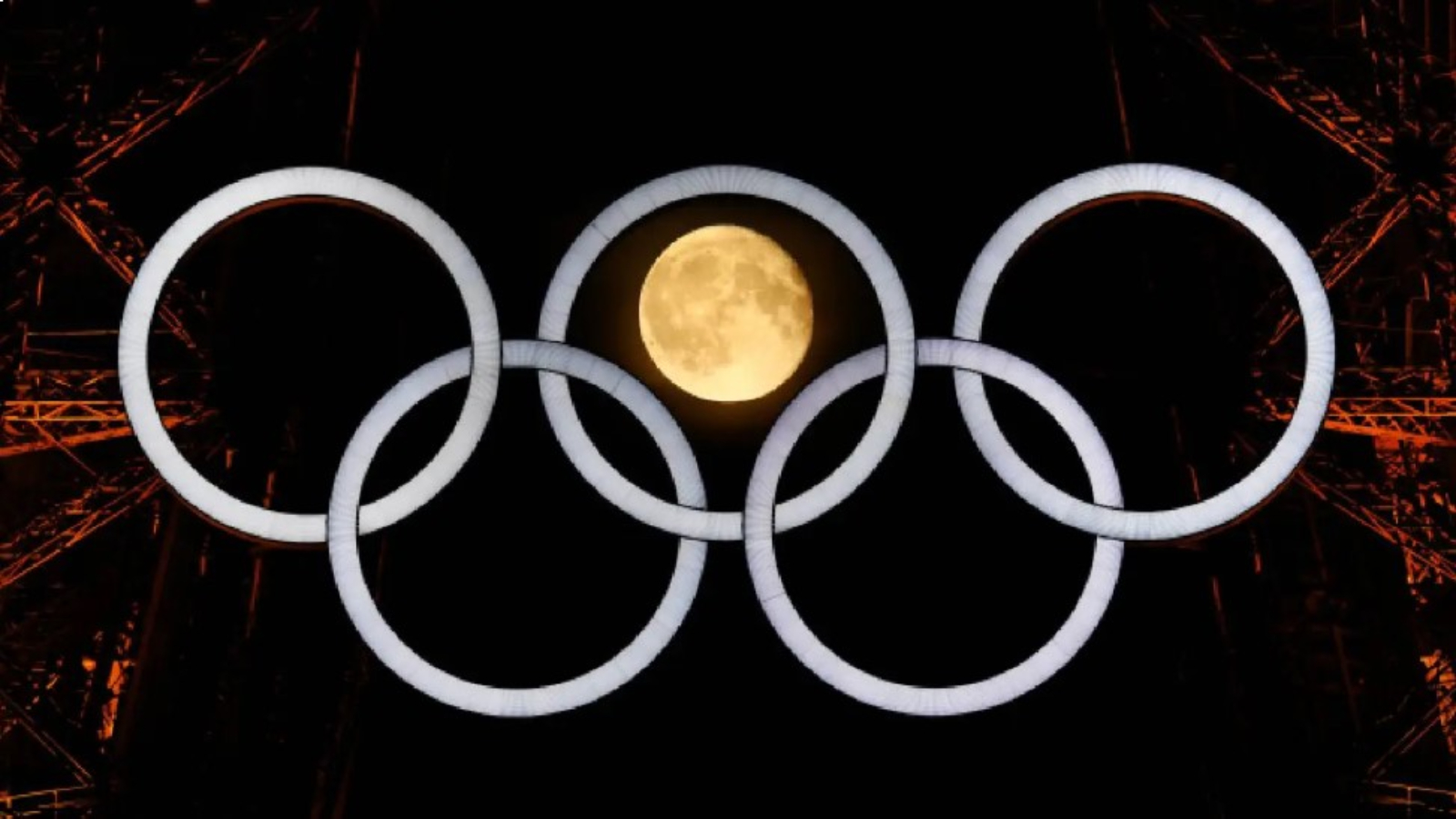
India’s delegation escaped awkward questions on the country’s troubled sports governance and doping record, but the International Olympic Committee’s (IOC’s) Future Hosts Commission did have one question for the team pitching the 2036 Olympic bid: How does India move beyond being a single-sport nation?
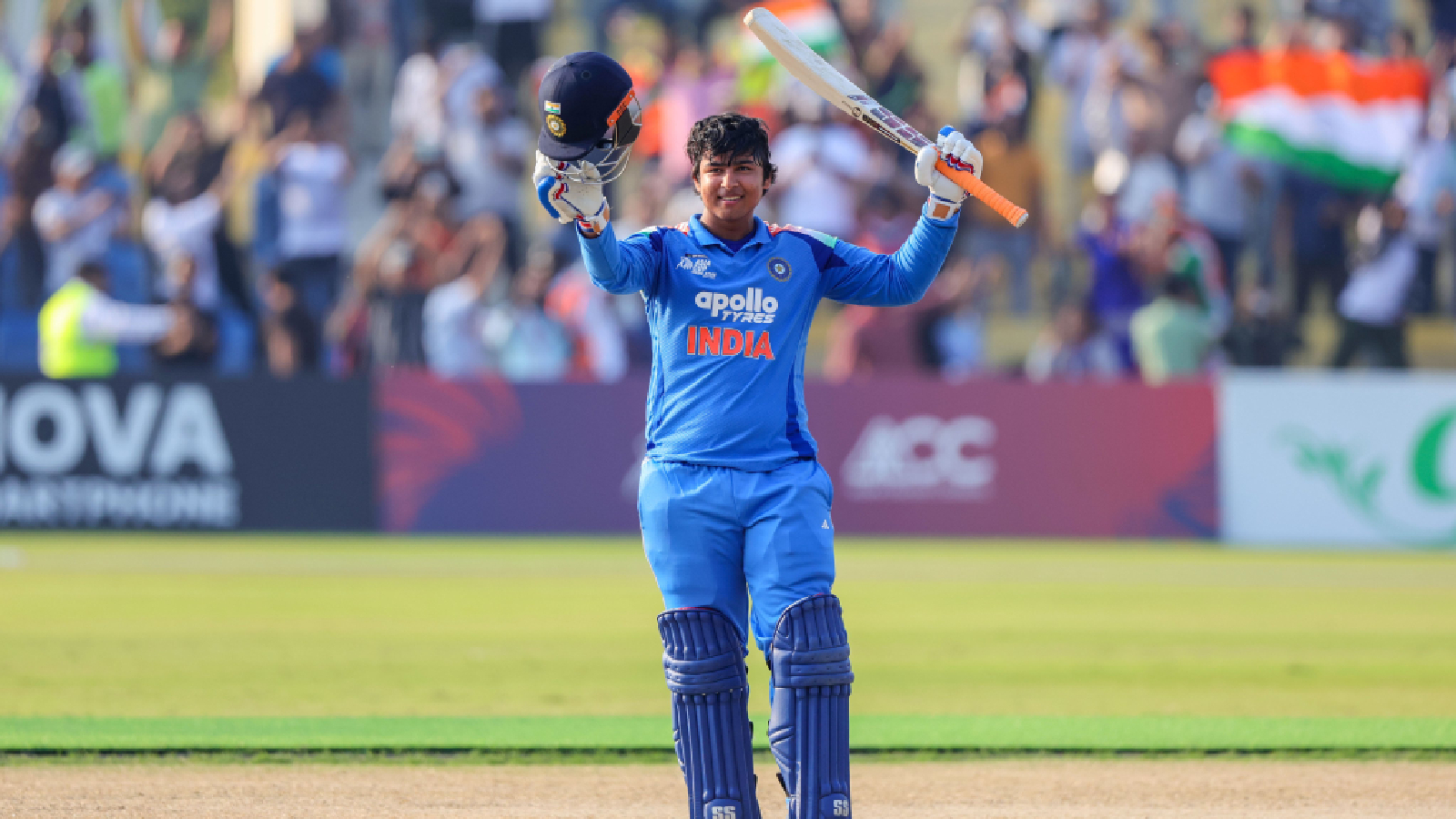
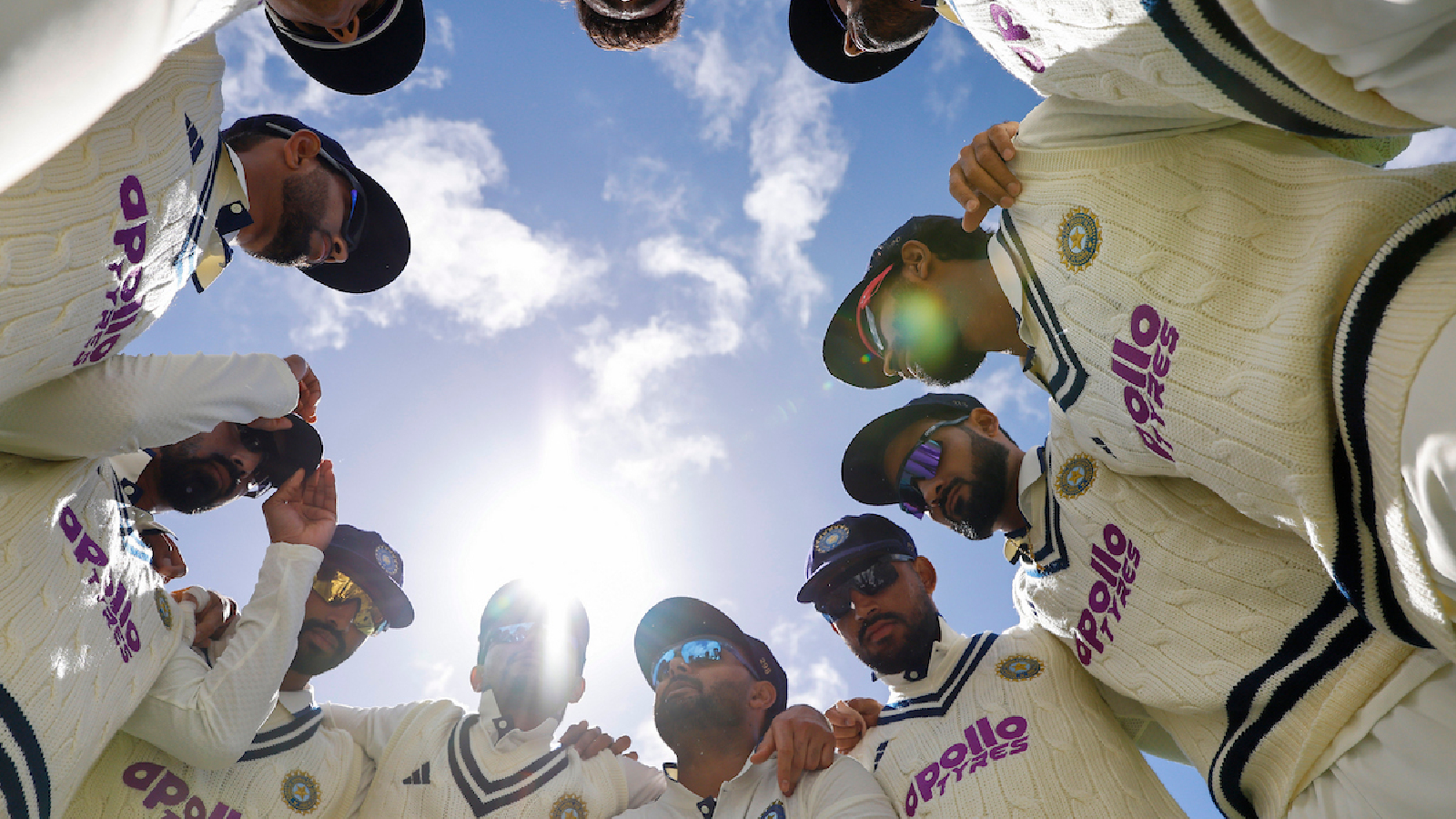
The question was not about India’s Olympic medal tally – two gold medals since the turn of the century and six medals overall at Paris 2024 – but about how the country plans to broaden its sporting base in a landscape dominated by cricket.
The 10-member Indian delegation – led by union sports minister Mansukh Mandaviya and comprising IOC member Nita Ambani and Gujarat’s deputy chief minister Harsh Sanghavi, among others – pointed to the two athletes in the room as examples: former athlete PT Usha, the outgoing Indian Olympic Association president, and shuttler PV Sindhu.
“Our answer was that we have heroes like PT Usha and PV (Sindhu), who have played key roles in revolutionising athletics and badminton in the country. Once you create a hero, the fan following builds and people take up the sport,” IOC chief executive Raghuram Iyer, who was a part of the presentation team, told The Indian Express.
“We also explained to the Commission how all stakeholders are together putting structures in place for all the other leagues that are coming up in various sports. The role of the Khelo India programme for grassroots development was also highlighted.”
The Indian delegation’s virtual presentation to the Future Hosts Commission on Thursday focused largely on the technical aspects of the proposed 2036 Olympic Games bid, with infrastructure, funding and the venue masterplan forming the bulk of the discussions. The Commission is headed by former Croatia president Kolinda Grabar-Kitarovic and has eight other members.
The presentation lasted around 25 minutes, followed by a question-and-answer session and a further 20 minutes of interaction with the Commission. “The presentation was very good. It was cordial and nice. They asked pertinent questions,” Iyer said after the meeting.
India is among seven National Olympic Committees currently in the IOC’s continuous dialogue phase for the 2036 Games. The others are Germany, Hungary, Qatar, South Korea, South Africa and Turkey.
Although the Commission didn’t raise the issue, the Indian delegation also addressed the doping menace, with India recording the most anti-doping rule violations, according to the World Anti-Doping Agency.
“We spoke about the efforts undertaken by the National Anti-Doping Agency and the National Anti-Doping Act as strict measures to curb the menace,” Iyer said.
The discussion, however, was largely centred on India’s preparedness to host the Games, particularly its infrastructure plans. India highlighted the upcoming 2030 Commonwealth Games as an important stepping stone towards possibly hosting the Olympics six years later. The delegation told the Commission that venues being developed for the CWG would also be used for the Olympics.
India’s proposed venue masterplan is spread across seven clusters, with Ahmedabad and Gandhinagar forming the centrepiece. The Sardar Vallabhbhai Patel Sports Enclave in Ahmedabad’s Motera area is expected to be a key hub, with the proposed Olympic Village and several sporting venues forming part of the wider development plan.
The masterplan envisages a concentration of venues around Ahmedabad and Gandhinagar, with the possibility of using existing sporting infrastructure in other cities for select events. Previous plans have identified venues in centres such as Mumbai, Pune, Bhopal and Goa for disciplines that can be held outside Gujarat.
The Paralympic Games and accessibility of infrastructure also came up during the discussion. The delegation was asked how the proposed venues and supporting facilities would cater to athletes with disabilities.
“We highlighted how the Olympics and Paralympics will improve accessibility in the city, which will hugely benefit the wider population,” Iyer said.
The next major milestone in the selection process is expected in March 2027, when the IOC will complete its feasibility assessments and the Executive Board will decide which interested parties advance to the Strategic Dialogue phase. Those shortlisted will undergo a more detailed evaluation, including site visits by the Future Hosts Commission and scrutiny of their venue plans, funding strategies and other guarantees.
The IOC is expected to open a Targeted Dialogue with its preferred hosts in December 2028, before the host of the 2036 Olympics is elected by IOC members in mid-2029.