

Messi, Messi, Messi: That familiar World Cup chant restarts after Argentina’s 3-0 win
Argentina began their title defence with a 3-0 win and Messi, playing in a record sixth World Cup, played the central role once again with a hat-trick
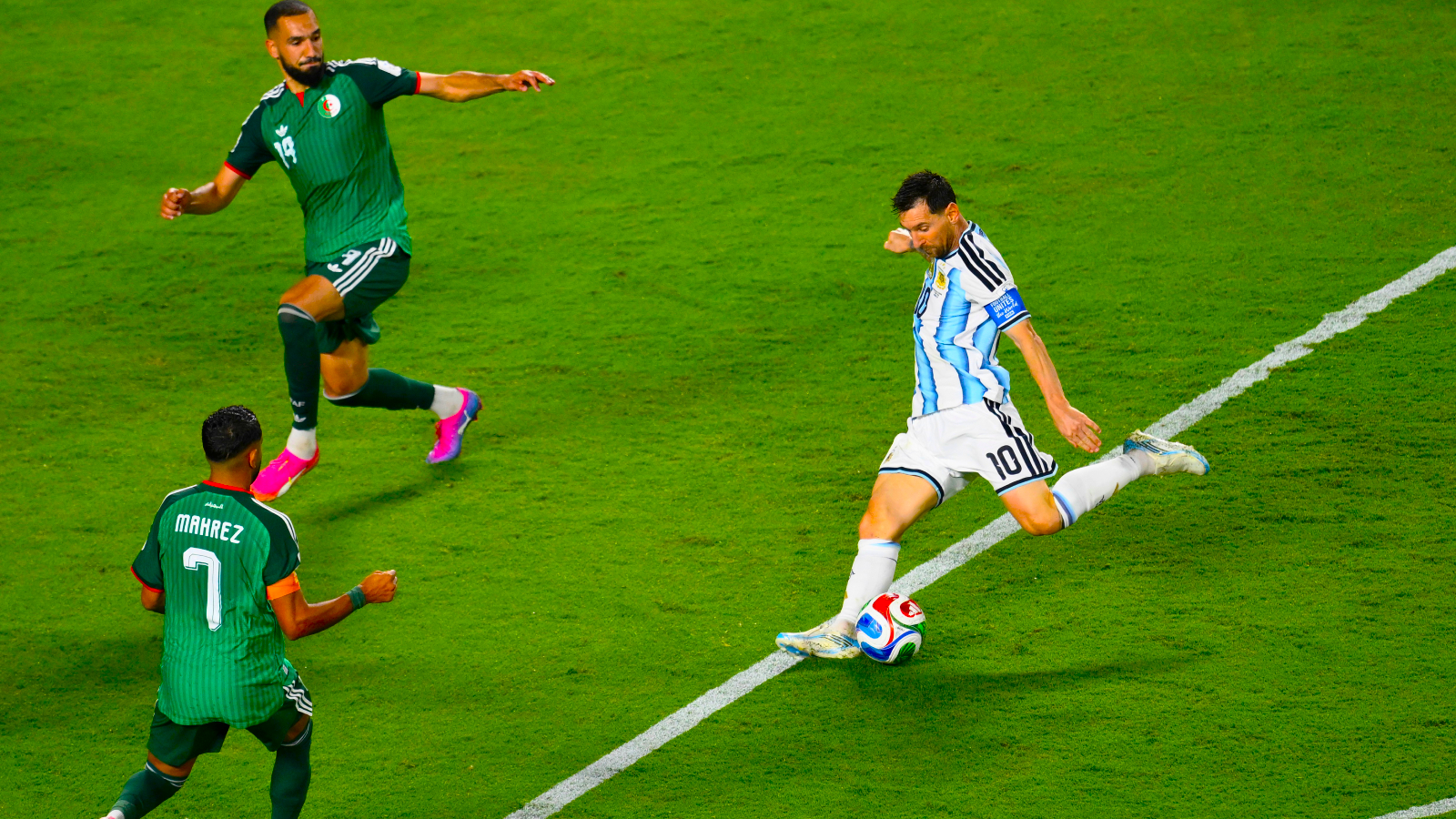
In the 17th minute of the game, Lionel Messi turned 17 again. He breezed unchecked into the space between Algeria’s defensive lines, found the ball on his feet, he twisted his body with a dancer’s svelte, paused, took two steps, the mind configuring the direction of the ball, and then with a sweet sweep of his left-foot, he curled the ball into the top corner, beating the goalkeeper’s feeble punch with the sheer velocity.
Messi netted two more goals, completing his first hat-trick in six appearances in the tournament. Each strike displayed a different dimension of his indecipherable genius. The third made him the joint highest goal-scorer in the tournament with Miroslav Klose, a record he could break in the group stage alone.
But the first was the most Messi-esque of Messi’s three goals of the night in Kansas. With his left foot, just outside the box, the ball bending unstoppably onto the nets, past the stretched arms of Luca Zidane, him managing but a faint brush off the gloves. When he had the ball on his feet, and his left leg began to coil for the shot, two Algerians defenders threw themselves at the ball’s potential track. But Messi kneaded the ball through the space between. Several generations of defenders would vouch for the illusion of a Messi shot. They presume they had covered the angle, the bend and drop, everything, but somehow the ball escapes them. It’s not where they thought the ball was. It was not where they thought the ball would end up either.
The second, in the second half, was a poacher’s delight, latching onto a rebound. He poaches more goals that those entrusted to poach. Just that he does a lot of things so ethereally that this dimension is understated. The movements were exquisite. He was deep on the left when he stabbed the ball into the box, where Alexis Mac Allister had a shy on goal. His shot was blocked, but the ball tumbled out of Zidane’s palms. Messi was right under his nose to hook the ball into the nets.
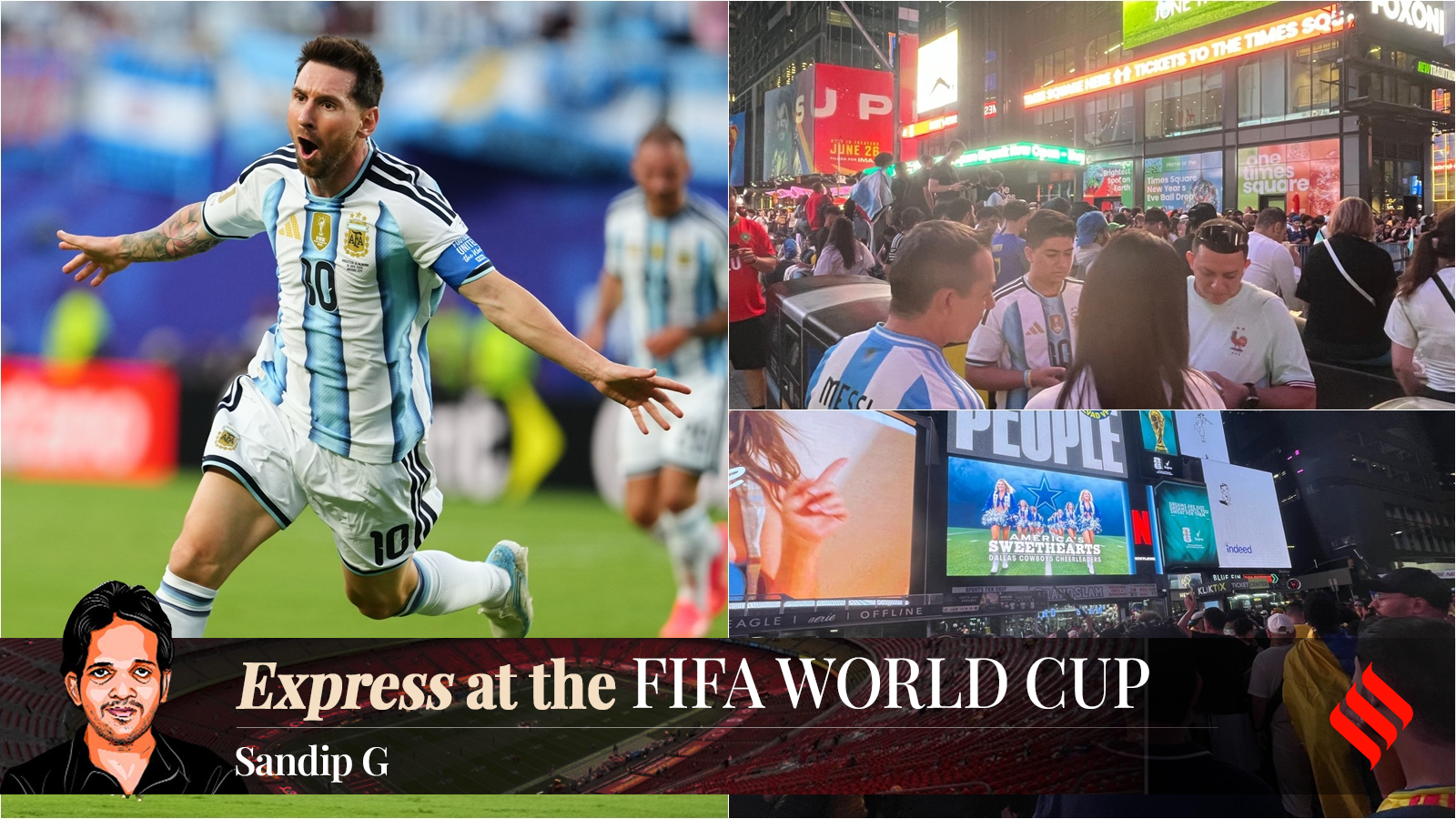
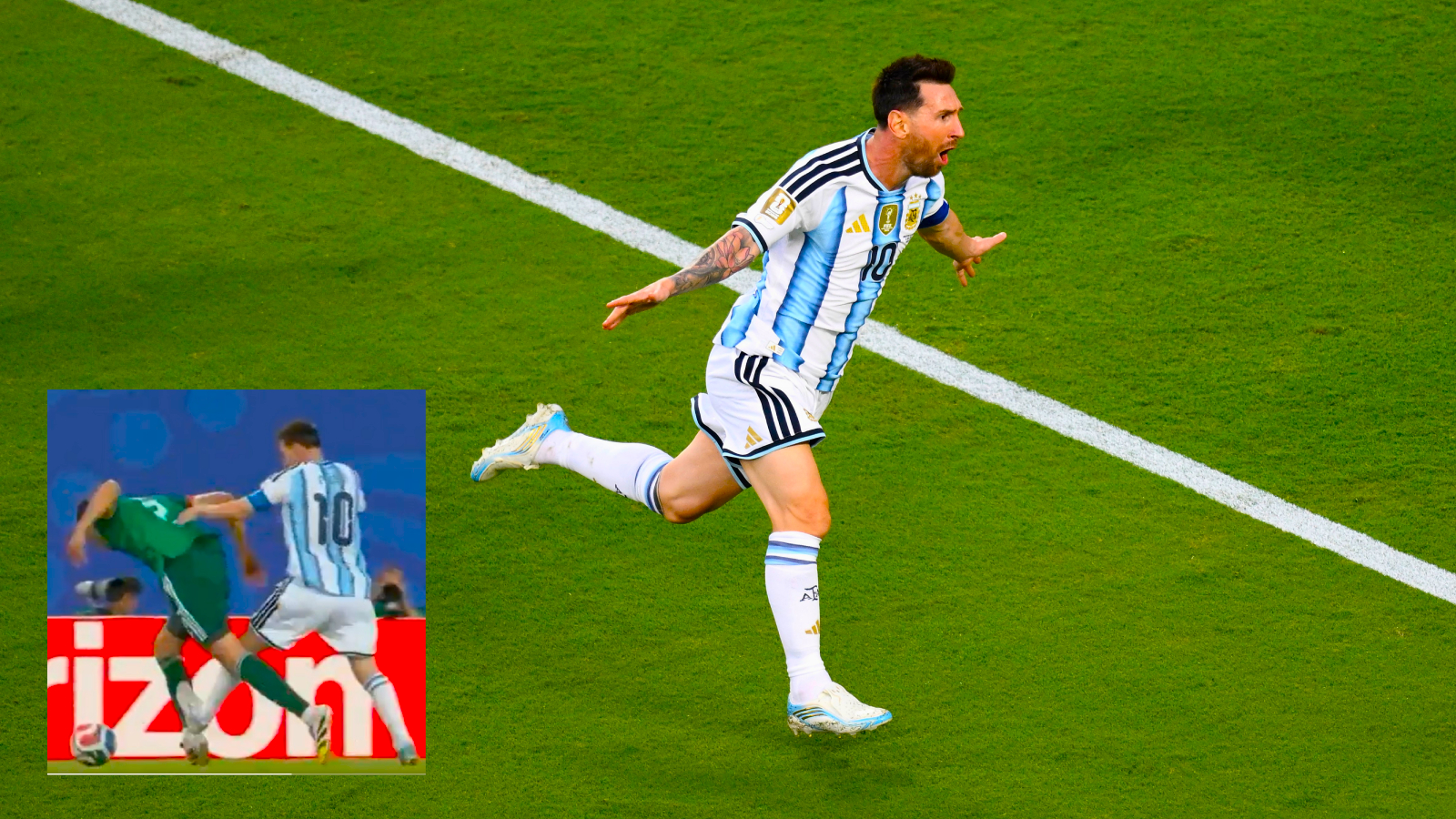
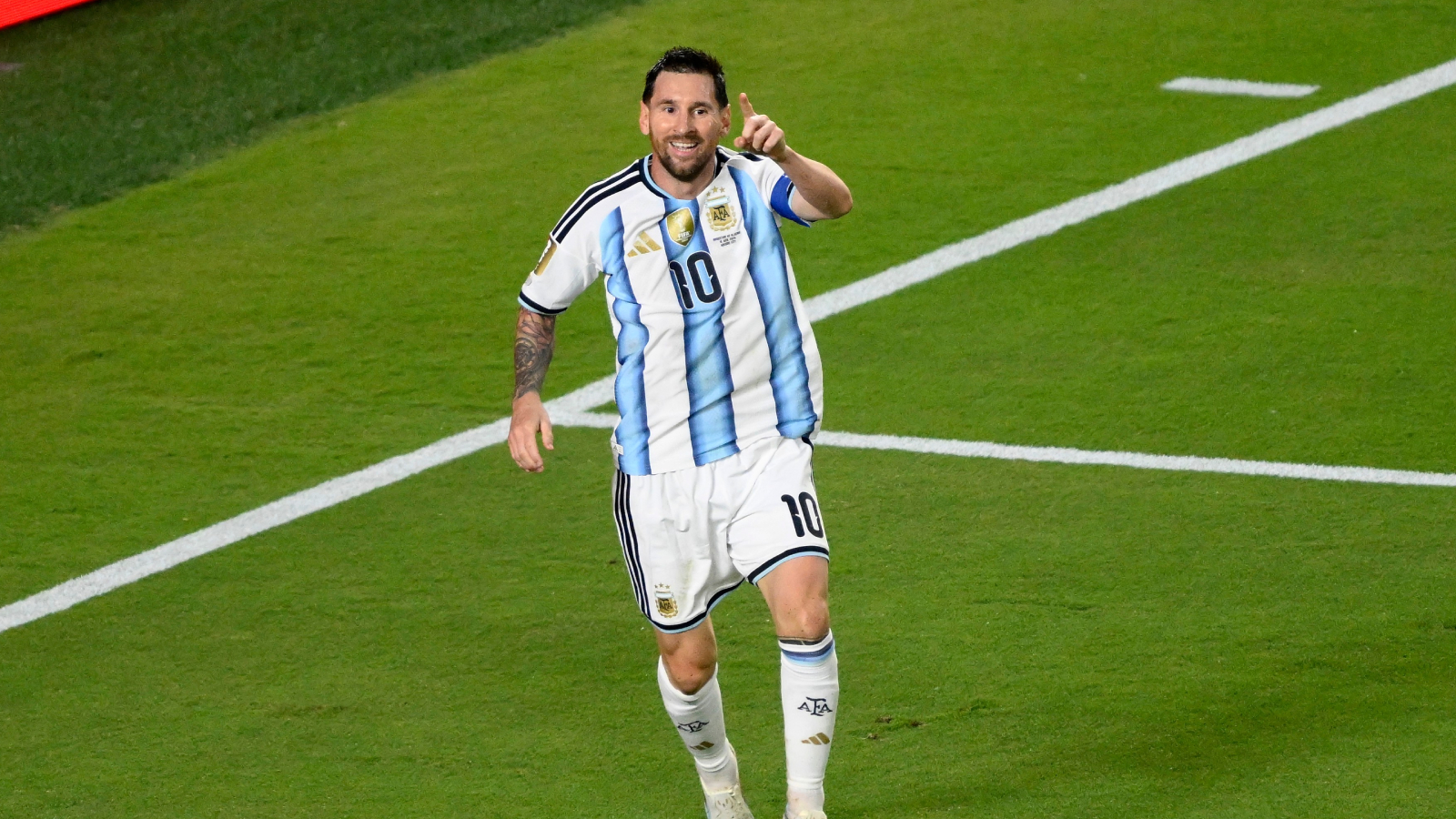
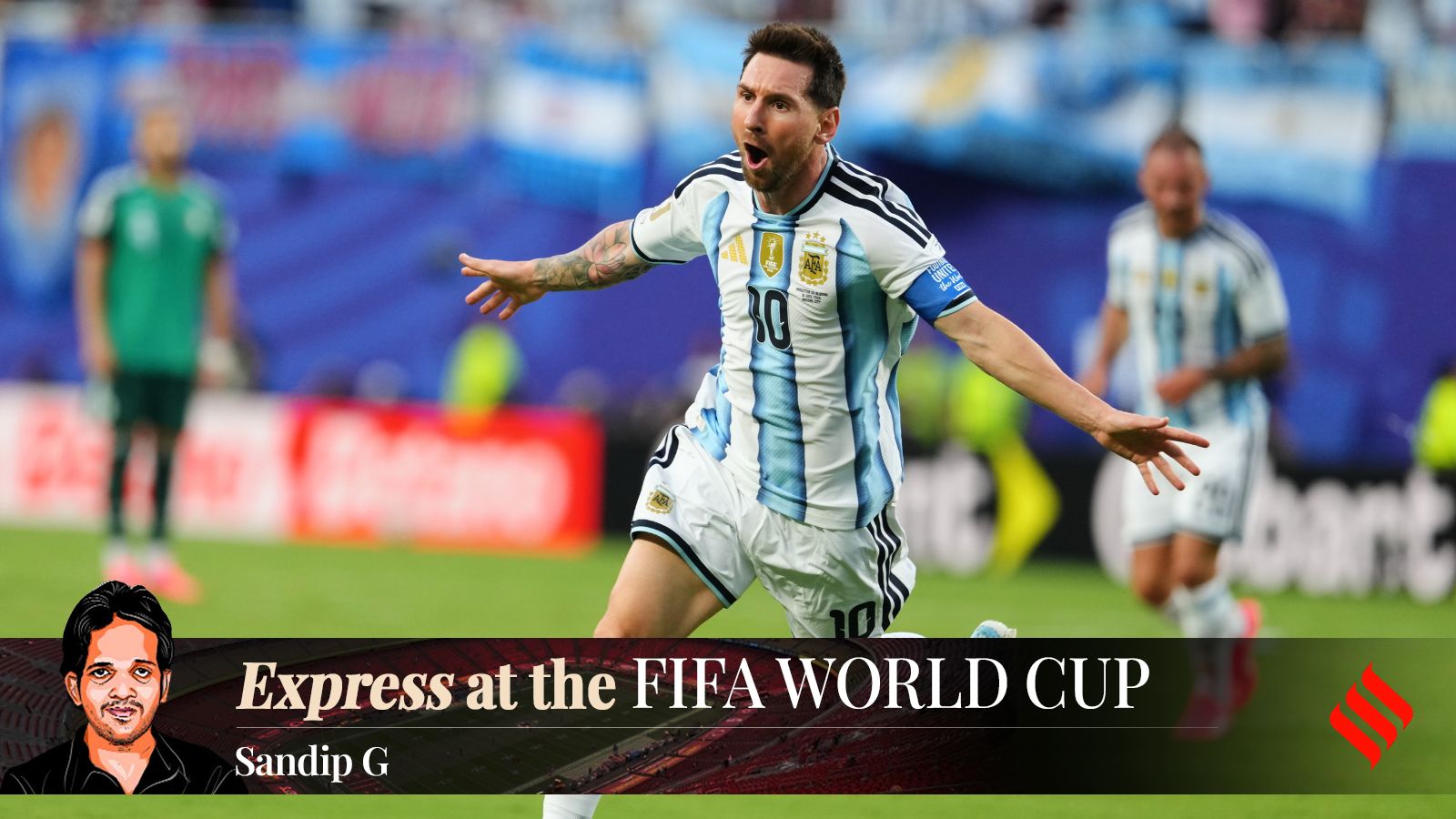
The third one owed to his supreme balance. Nico Gonzalez found him in a central position on the edge of the box. He steadied himself with a velvet touch, slouched low and slashed a side-foot shot from the edge of the box to the bottom corner. He smiled contently, offered a silent prayer skywards with both his arms aloft and index fingers pointing up. It’s a portrait worthy of adorning the ceilings of the Sistine Chapel. It’s the frame that defines football in the 21st century.
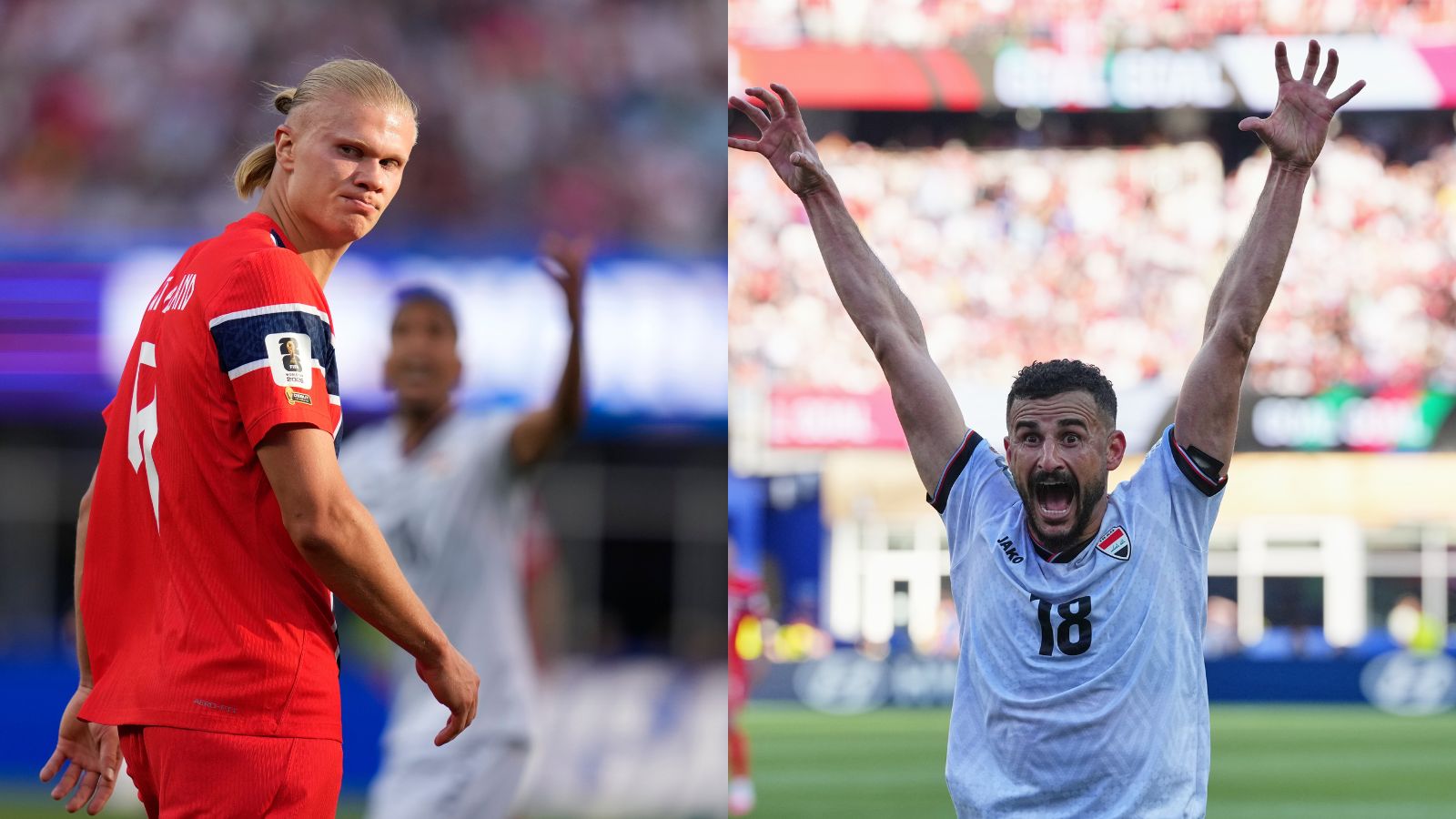
His hat-trick signed off a day two of his heirs-designate, France’s Kylian Mbappe and Norway’s Erling Haaland, scored a brace apiece. But there was a difference. Messi would 39 in a week; Mbappe is 12 years younger than him; Haaland is only 25. The Norwegian wrote on Snapchat: “Messi is a madman.” Only men of such madness could be a visionary too.
To contextualise his age, Luca Zidane’s legendary father Zinedine, who watched the game from the stands, featured in the same World Cup when Messi made his debut. That was 2006. What has extended the run is not simply endurance but reinvention. Messi at 38 is not Messi at 28, but he is still the most dangerous player on the pitch. The younger players around him absorb the additional burden without complaint. They understand, without needing it explained, that they cannot do in their prime what he does now.
But Messi is not a detached figure exuding a sense of entitlement. He is Argentina’s buzzing brain, their creative fountain. The pass to Alexis Mac Allister before the goal was wrapped in satin with the sharpness of a machete. From a window in the gallery, Zidane watched the game mesmerised by Messi’s startling virtues, even though his glory came at the expense of his son. He puts on the protective elder brother avatar, arguing with referees when he felt a player of his was penalised unfairly or a foul went uncalled. He doesn’t stray from doing the dirty work of defending. A tackle of his was too exuberant that another day, he could have been sent off.
Those that wondered about Messi’s physical state or his readiness to perform at the grandest stage got adequate rejoinders. His movements were fluent, the energy and commitment to the game unwavering. A Messi unburdened from the World Cup pressure is perhaps the most dangerous Messi avatar. When he decides to play for fun, when he becomes a child again. “I just want to enjoy this moment, to enjoy today the way we do,” he said, with a naughty smile playing on his lips. And he ensures that two decades after he first strode out for a World Cup, the football world is still living in a Messi timeline. And it’s not that Messi wants to leave football, but football doesn’t want Messi to leave it.
In the 17th minute of the game, Lionel Messi turned 17 again. He breezed unchecked into the space between Algeria’s defensive lines, found the ball on his feet, he twisted his body with a dancer’s svelte, paused, took two steps, the mind configuring the direction of the ball, and then with a sweet sweep of his left-foot, he curled the ball into the top corner, beating the goalkeeper’s feeble punch with the sheer velocity.
Messi netted two more goals, completing his first hat-trick in six appearances in the tournament. Each strike displayed a different dimension of his indecipherable genius. The third made him the joint highest goal-scorer in the tournament with Miroslav Klose, a record he could break in the group stage alone.
But the first was the most Messi-esque of Messi’s three goals of the night in Kansas. With his left foot, just outside the box, the ball bending unstoppably onto the nets, past the stretched arms of Luca Zidane, him managing but a faint brush off the gloves. When he had the ball on his feet, and his left leg began to coil for the shot, two Algerians defenders threw themselves at the ball’s potential track. But Messi kneaded the ball through the space between. Several generations of defenders would vouch for the illusion of a Messi shot. They presume they had covered the angle, the bend and drop, everything, but somehow the ball escapes them. It’s not where they thought the ball was. It was not where they thought the ball would end up either.
The second, in the second half, was a poacher’s delight, latching onto a rebound. He poaches more goals that those entrusted to poach. Just that he does a lot of things so ethereally that this dimension is understated. The movements were exquisite. He was deep on the left when he stabbed the ball into the box, where Alexis Mac Allister had a shy on goal. His shot was blocked, but the ball tumbled out of Zidane’s palms. Messi was right under his nose to hook the ball into the nets.
The third one owed to his supreme balance. Nico Gonzalez found him in a central position on the edge of the box. He steadied himself with a velvet touch, slouched low and slashed a side-foot shot from the edge of the box to the bottom corner. He smiled contently, offered a silent prayer skywards with both his arms aloft and index fingers pointing up. It’s a portrait worthy of adorning the ceilings of the Sistine Chapel. It’s the frame that defines football in the 21st century.
His hat-trick signed off a day two of his heirs-designate, France’s Kylian Mbappe and Norway’s Erling Haaland, scored a brace apiece. But there was a difference. Messi would 39 in a week; Mbappe is 12 years younger than him; Haaland is only 25. The Norwegian wrote on Snapchat: “Messi is a madman.” Only men of such madness could be a visionary too.
To contextualise his age, Luca Zidane’s legendary father Zinedine, who watched the game from the stands, featured in the same World Cup when Messi made his debut. That was 2006. What has extended the run is not simply endurance but reinvention. Messi at 38 is not Messi at 28, but he is still the most dangerous player on the pitch. The younger players around him absorb the additional burden without complaint. They understand, without needing it explained, that they cannot do in their prime what he does now.
But Messi is not a detached figure exuding a sense of entitlement. He is Argentina’s buzzing brain, their creative fountain. The pass to Alexis Mac Allister before the goal was wrapped in satin with the sharpness of a machete. From a window in the gallery, Zidane watched the game mesmerised by Messi’s startling virtues, even though his glory came at the expense of his son. He puts on the protective elder brother avatar, arguing with referees when he felt a player of his was penalised unfairly or a foul went uncalled. He doesn’t stray from doing the dirty work of defending. A tackle of his was too exuberant that another day, he could have been sent off.
Those that wondered about Messi’s physical state or his readiness to perform at the grandest stage got adequate rejoinders. His movements were fluent, the energy and commitment to the game unwavering. A Messi unburdened from the World Cup pressure is perhaps the most dangerous Messi avatar. When he decides to play for fun, when he becomes a child again. “I just want to enjoy this moment, to enjoy today the way we do,” he said, with a naughty smile playing on his lips. And he ensures that two decades after he first strode out for a World Cup, the football world is still living in a Messi timeline. And it’s not that Messi wants to leave football, but football doesn’t want Messi to leave it.