

FIFA World Cup: VAR (Video Assistant Referee) explained after Mexico game
So what is VAR technology, and how is it implemented in football? We explain:
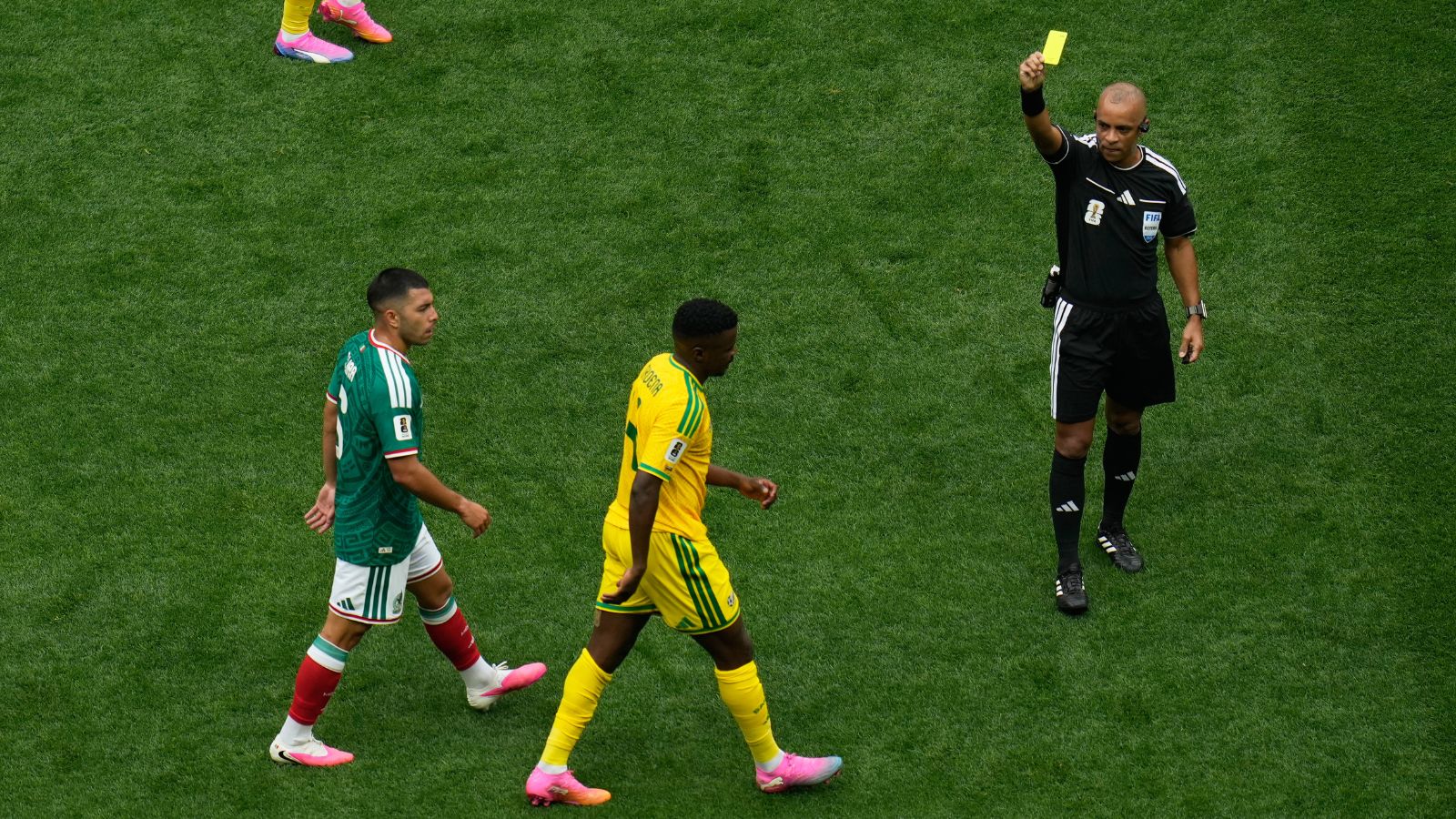
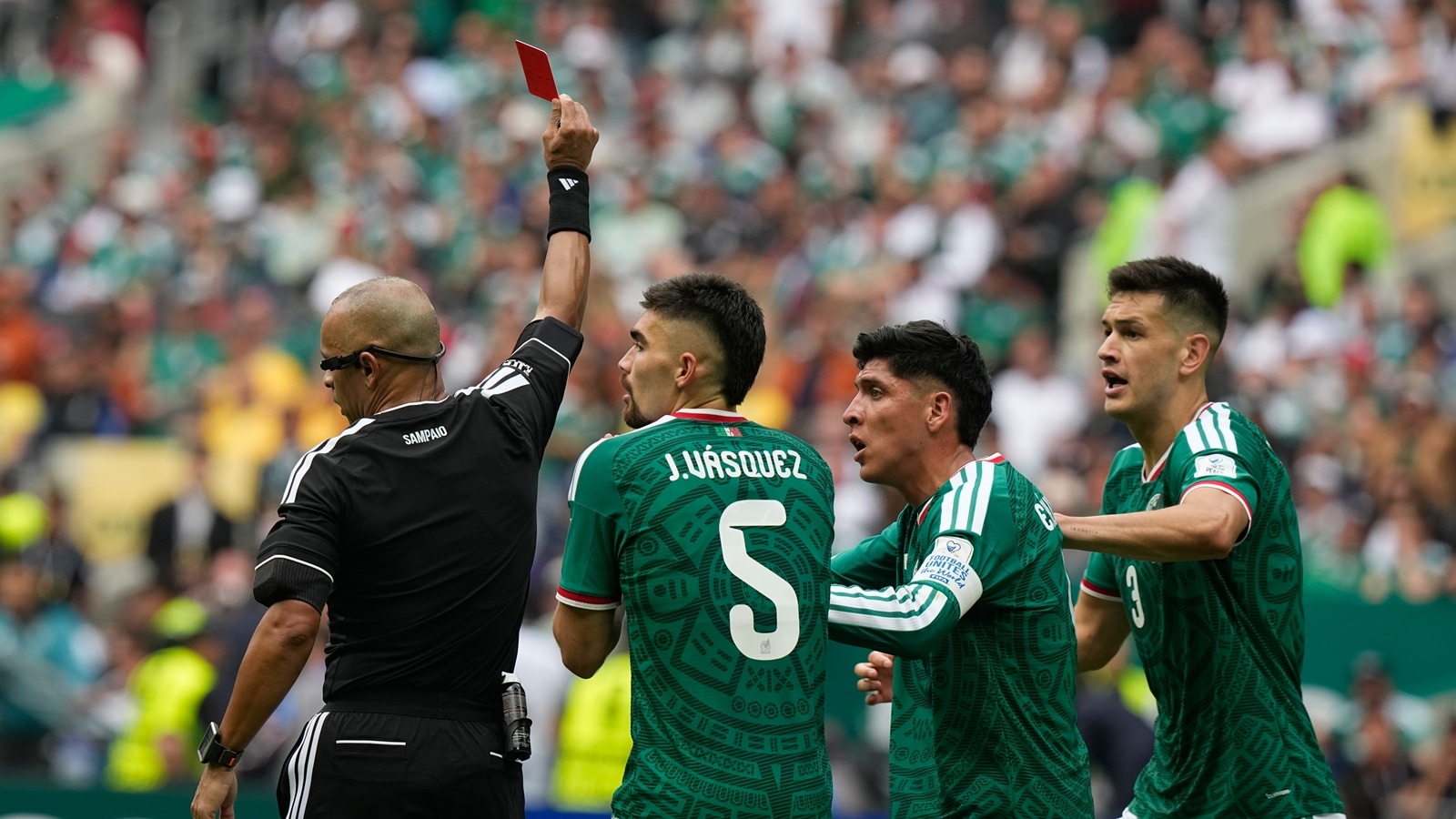
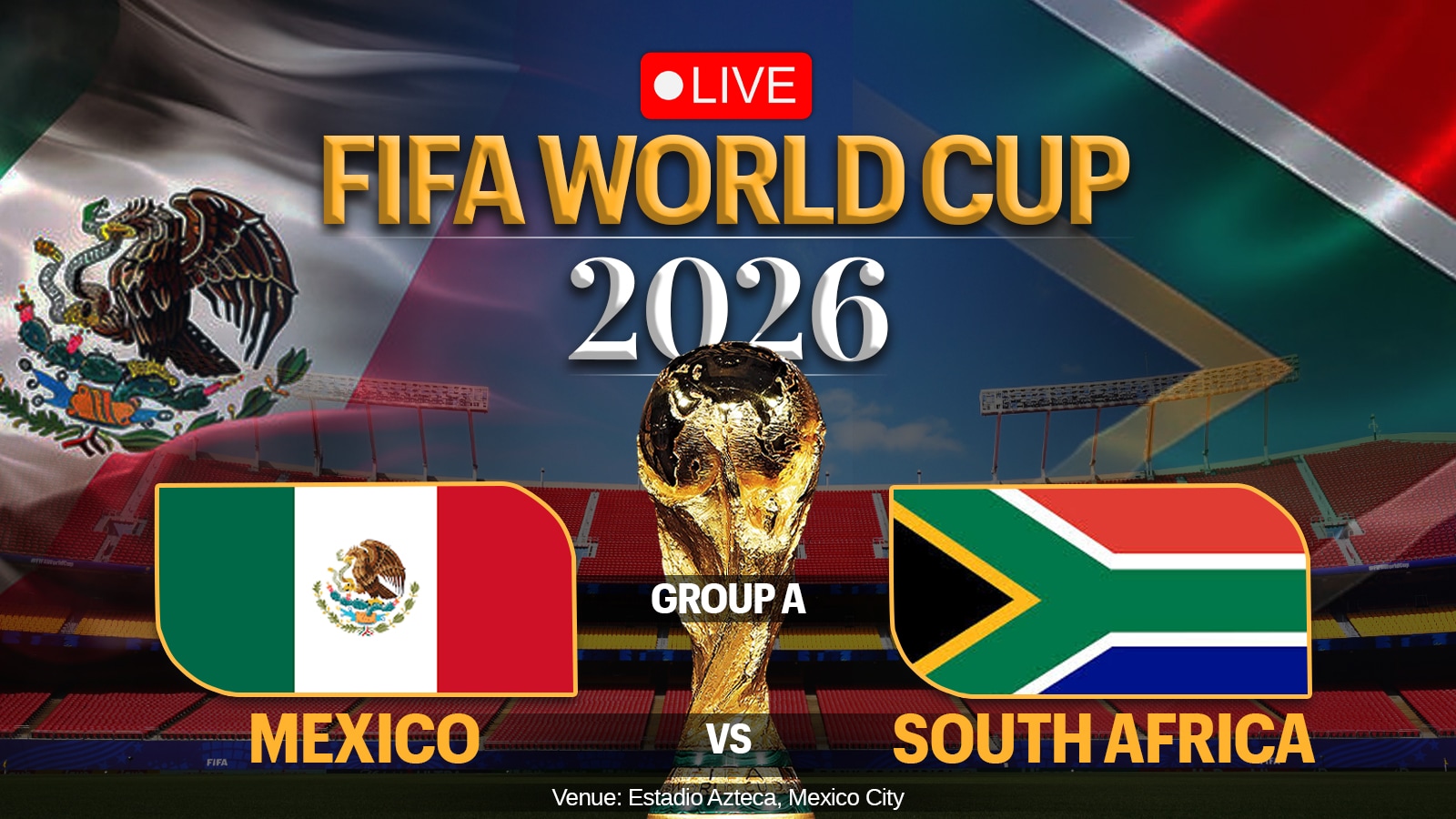
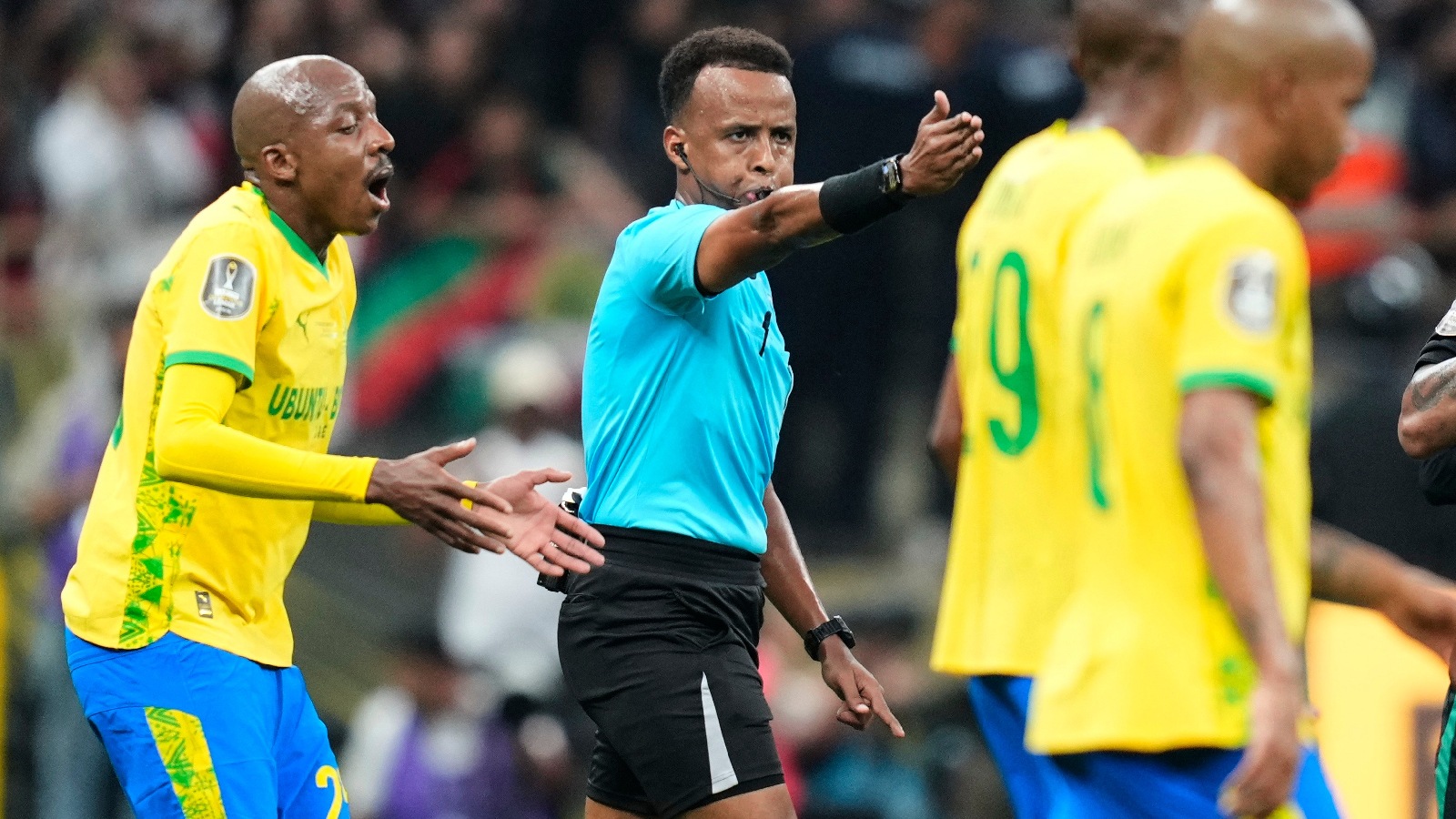
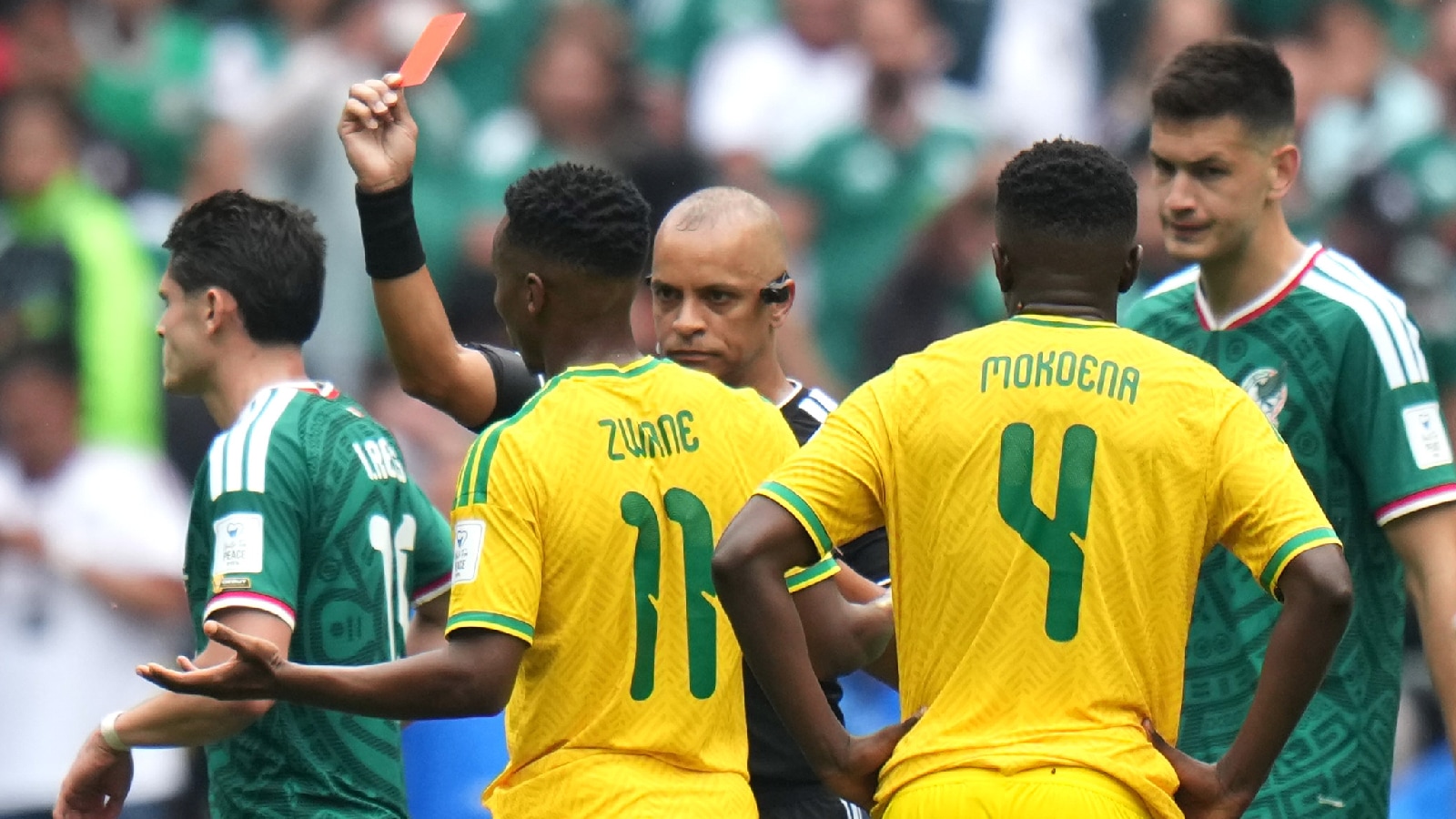
We’re just one game into the FIFA World Cup 2026 but the conversation is already about VAR. In the Mexico vs South Africa game on Thursday night, where three red cards were shown, VAR assisted with the second red card of the day. South Africa’s Themba Zwane was sent off by referee Wilton Sampaio after checking replays on the screen.
So what is VAR technology, and how is it implemented in football? We explain:
VAR is Video Assistant Referee. It’s a person who acts as an aide for the on-field referees. This VAR comes into play after a referee has already made a decision. VAR is a qualified referee themself who watches the match from a room in the stadium through a number of screens. So the VAR can view slow-motion replays of incidents which in turn enables them to advise the on-field referee. It must be noted that the VAR’s job is to advise the referee. They cannot over-rule the referee officiating a game.
The use of video assistant referees in football was first included in the Laws of the Game in 2018/19.
The VAR is used in many of the world’s top football leagues.
According to the English Premier League own stats, in 2018/19, before VAR was introduced by the league, the percentage of correct key match decisions was 82 per cent. After VAR was introduced the next season, this rose to 94 per cent. The Premier League also points out that over the course of 2019/20, over 2,400 incidents were checked and 109 decisions were overturned by the VAR, an average of an overturned decision every 3.5 matches.
There are five main incidents that require an intervention by VAR:
Goals: When a goal is scored, a VAR checks if there was a foul or a handball in the build up to the goal. A VAR will also check if the ball trickled out of bounds. Or if there is any other interference (from the attacking team on the team that conceded the goal) which caused a goal. In these cases, the goal can be disallowed (or allowed if it was originally called off).
Penalty kicks: Since the on-field referee cannot always be in a great spot to see where the infringement was committed for a foul that leads to a penalty kick, the VAR could look at replays and rule out a penalty in cases where the foul happened outside the box or there was a player offside or if the ball was out of play.
Corner kicks: At the FIFA World Cup, even corner kicks can be reviewed.
Red cards: VAR can advise whether a red card was harshly given to a player or could advise that a red card was necessary rather than a yellow card.
Mistaken identity: At the FIFA World Cup, VARs can also advise the on-field ref if the player being booked is the wrong one.
We’re just one game into the FIFA World Cup 2026 but the conversation is already about VAR. In the Mexico vs South Africa game on Thursday night, where three red cards were shown, VAR assisted with the second red card of the day. South Africa’s Themba Zwane was sent off by referee Wilton Sampaio after checking replays on the screen.
So what is VAR technology, and how is it implemented in football? We explain:
VAR is Video Assistant Referee. It’s a person who acts as an aide for the on-field referees. This VAR comes into play after a referee has already made a decision. VAR is a qualified referee themself who watches the match from a room in the stadium through a number of screens. So the VAR can view slow-motion replays of incidents which in turn enables them to advise the on-field referee. It must be noted that the VAR’s job is to advise the referee. They cannot over-rule the referee officiating a game.
The use of video assistant referees in football was first included in the Laws of the Game in 2018/19.
The VAR is used in many of the world’s top football leagues.
According to the English Premier League own stats, in 2018/19, before VAR was introduced by the league, the percentage of correct key match decisions was 82 per cent. After VAR was introduced the next season, this rose to 94 per cent. The Premier League also points out that over the course of 2019/20, over 2,400 incidents were checked and 109 decisions were overturned by the VAR, an average of an overturned decision every 3.5 matches.
There are five main incidents that require an intervention by VAR:
Goals: When a goal is scored, a VAR checks if there was a foul or a handball in the build up to the goal. A VAR will also check if the ball trickled out of bounds. Or if there is any other interference (from the attacking team on the team that conceded the goal) which caused a goal. In these cases, the goal can be disallowed (or allowed if it was originally called off).
Penalty kicks: Since the on-field referee cannot always be in a great spot to see where the infringement was committed for a foul that leads to a penalty kick, the VAR could look at replays and rule out a penalty in cases where the foul happened outside the box or there was a player offside or if the ball was out of play.
Corner kicks: At the FIFA World Cup, even corner kicks can be reviewed.
Red cards: VAR can advise whether a red card was harshly given to a player or could advise that a red card was necessary rather than a yellow card.
Mistaken identity: At the FIFA World Cup, VARs can also advise the on-field ref if the player being booked is the wrong one.