

Yellow card given, revoked, then given to another player: What happened?
USA-Paraguay match saw the first use of new ‘mistaken identity’ rule; Tim Ream was booked, then let off, with player of opposition punished for diving, after VAR’s intervention
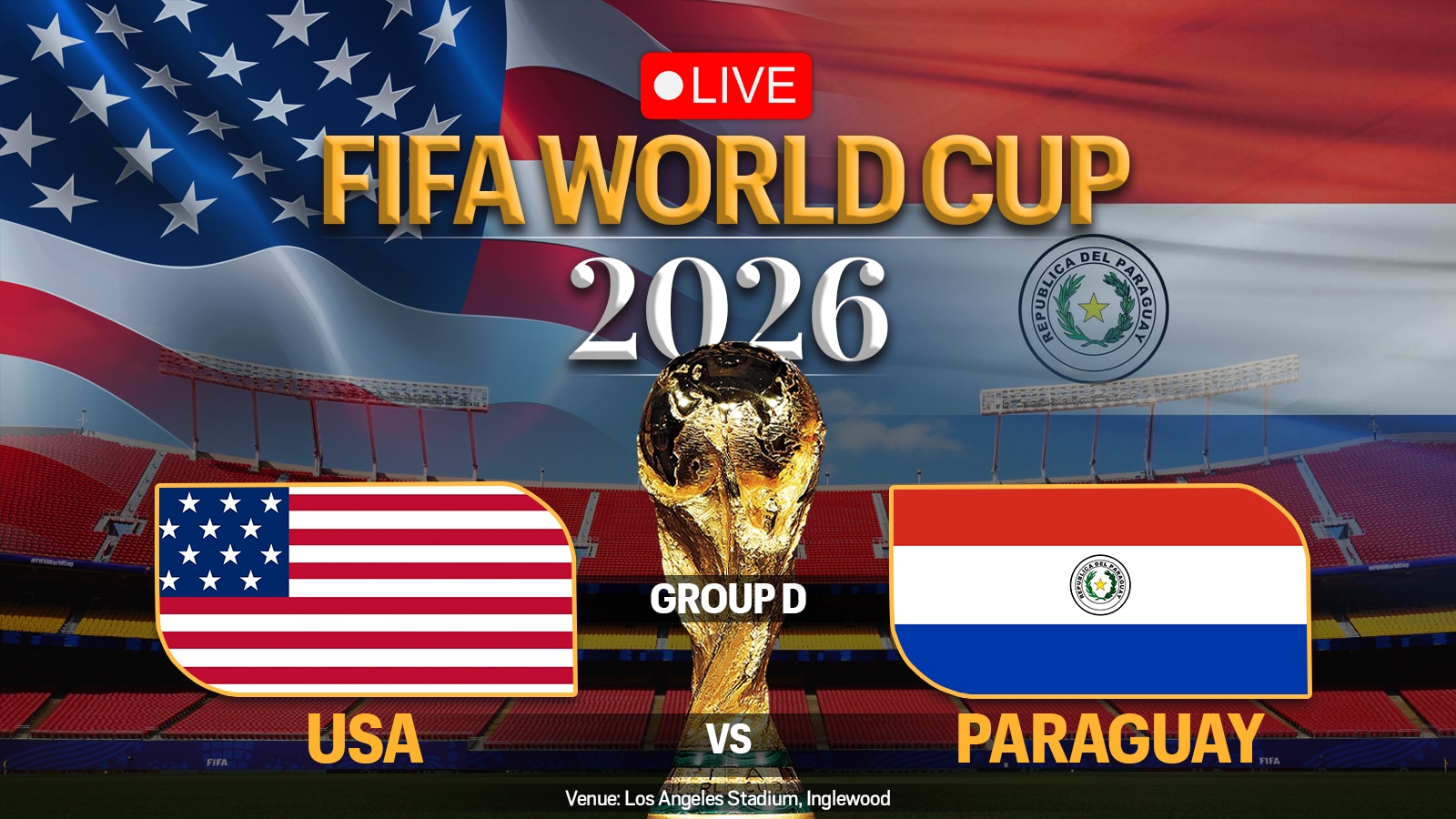
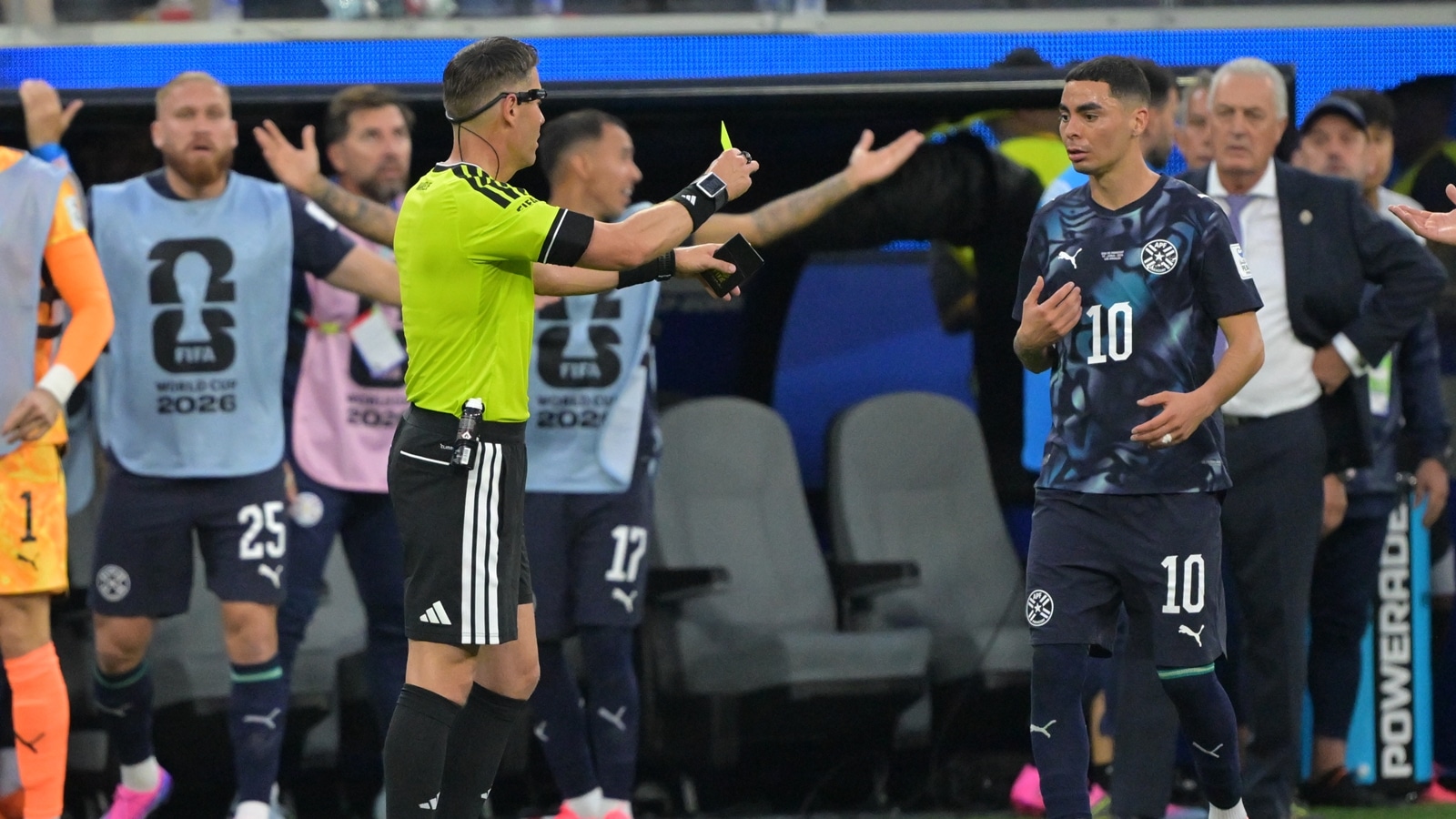
The United States’ 4-1 victory over Paraguay on the opening night of 2026 World Cup action on American soil was a historic occasion, but history of a different sort was also made in the game when a yellow card was handed, then revoked before being brandished on a player of the other team.
The match saw the first intervention by the video assistant referee (VAR) for mistaken identity at the World Cup, and US defender Tim Ream was the beneficiary.
The 38-year-old had been booked after a tackle on Paraguay’s Miguel Almiron. Despite his protests, the free kick was taken before VAR Carlos del Cerro Grande asked on-field Dutch referee Danny Makkelie to go to the pitch-side TV screen. Makkelie subsequently revoked his decision and gave a yellow card to Almiron for ‘simulation’, a euphemism for diving.
This is something new as generally, after the game restarts, the referee cannot revisit an earlier passage of play. But a rule change for this World Cup addresses any case of mistaken identity. It states that if a player is booked or sent off – but the foul was actually committed by the opposition team – the decision can be changed.
Another new law states that second yellow cards – leading to a red – can be reviewed, but not the first. Makkelie needed to use the mistaken identity clause to rescind his decision. Cards are reset after the group stage, and if it had stood, Ream – who became the oldest USA player to play a World Cup game – would have been walking a tightrope through the rest of the group stage as two cards automatically mean a one-game suspension.
Since the home team was already ahead 3-0 and the game was already in the second half when the incident took place, it wasn’t expected to have a major bearing on the outcome.
The most common application of the changed rule was expected in the case of red or yellow cards issued during a mass confrontation among players, where a referee’s view would be obscured. But its interpretation in Los Angeles was different.
Former players watching the game agreed that the right decision was made.
“Any adaptation of the rules which means diving gets more punishment is good,” former England midfielder Danny Murphy said on BBC Sport.
Ex-Everton defender Ashley Williams acknowledged that the interpretation of the rule was unusual but correct.
“They let them take the free kick, which was bizarre but clearly the right decision. It’s the first time we have seen it but fair play,” he said.
The United States’ 4-1 victory over Paraguay on the opening night of 2026 World Cup action on American soil was a historic occasion, but history of a different sort was also made in the game when a yellow card was handed, then revoked before being brandished on a player of the other team.
The match saw the first intervention by the video assistant referee (VAR) for mistaken identity at the World Cup, and US defender Tim Ream was the beneficiary.
The 38-year-old had been booked after a tackle on Paraguay’s Miguel Almiron. Despite his protests, the free kick was taken before VAR Carlos del Cerro Grande asked on-field Dutch referee Danny Makkelie to go to the pitch-side TV screen. Makkelie subsequently revoked his decision and gave a yellow card to Almiron for ‘simulation’, a euphemism for diving.
This is something new as generally, after the game restarts, the referee cannot revisit an earlier passage of play. But a rule change for this World Cup addresses any case of mistaken identity. It states that if a player is booked or sent off – but the foul was actually committed by the opposition team – the decision can be changed.
Another new law states that second yellow cards – leading to a red – can be reviewed, but not the first. Makkelie needed to use the mistaken identity clause to rescind his decision. Cards are reset after the group stage, and if it had stood, Ream – who became the oldest USA player to play a World Cup game – would have been walking a tightrope through the rest of the group stage as two cards automatically mean a one-game suspension.
Since the home team was already ahead 3-0 and the game was already in the second half when the incident took place, it wasn’t expected to have a major bearing on the outcome.
The most common application of the changed rule was expected in the case of red or yellow cards issued during a mass confrontation among players, where a referee’s view would be obscured. But its interpretation in Los Angeles was different.
Former players watching the game agreed that the right decision was made.
“Any adaptation of the rules which means diving gets more punishment is good,” former England midfielder Danny Murphy said on BBC Sport.
Ex-Everton defender Ashley Williams acknowledged that the interpretation of the rule was unusual but correct.
“They let them take the free kick, which was bizarre but clearly the right decision. It’s the first time we have seen it but fair play,” he said.