

‘Beer should be better in 2026’: WC to boost global sales by a billion pints
Expanded 104-match tournament and favourable time zones put brewers in sweet spot after years of declining sales
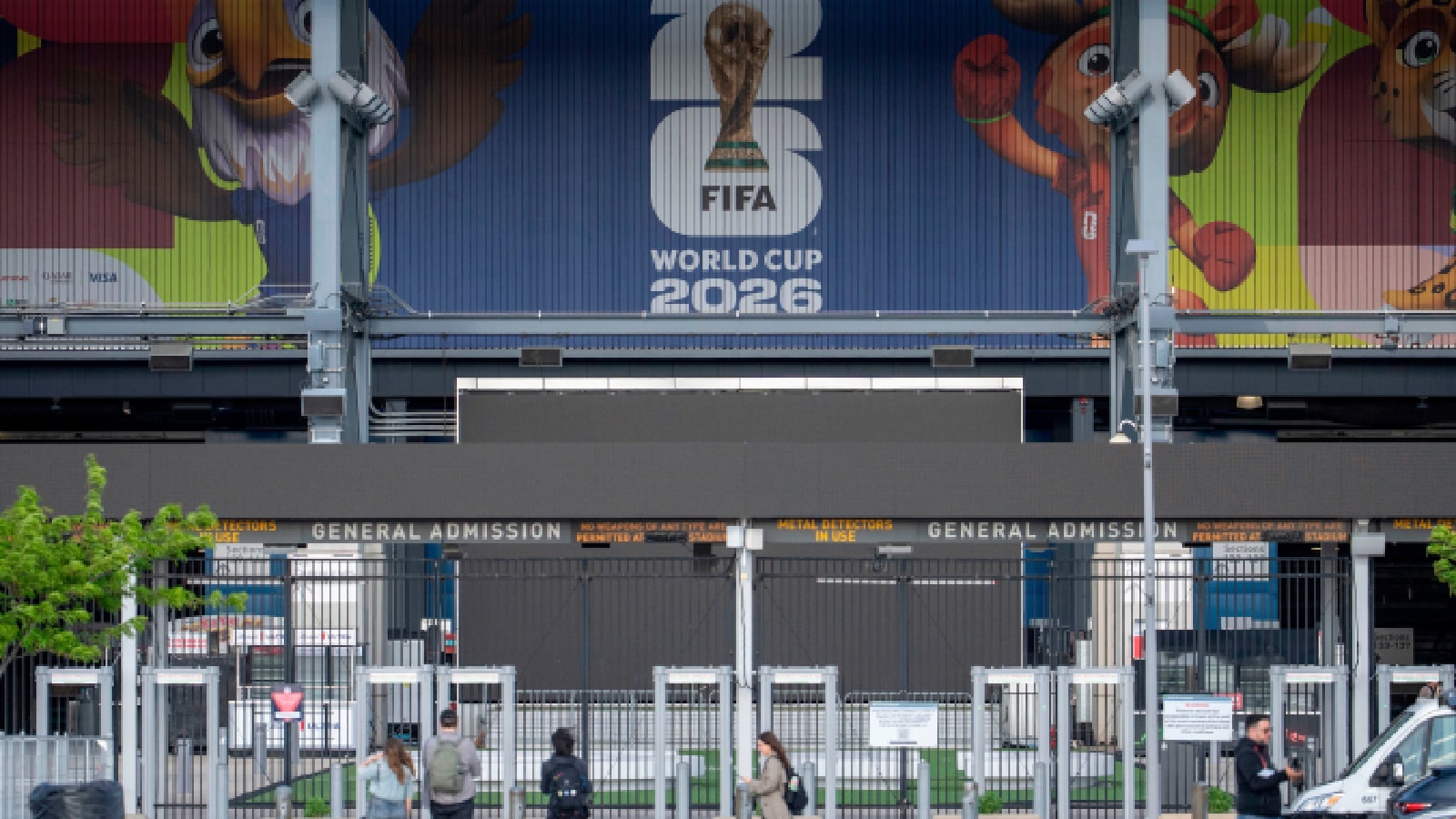
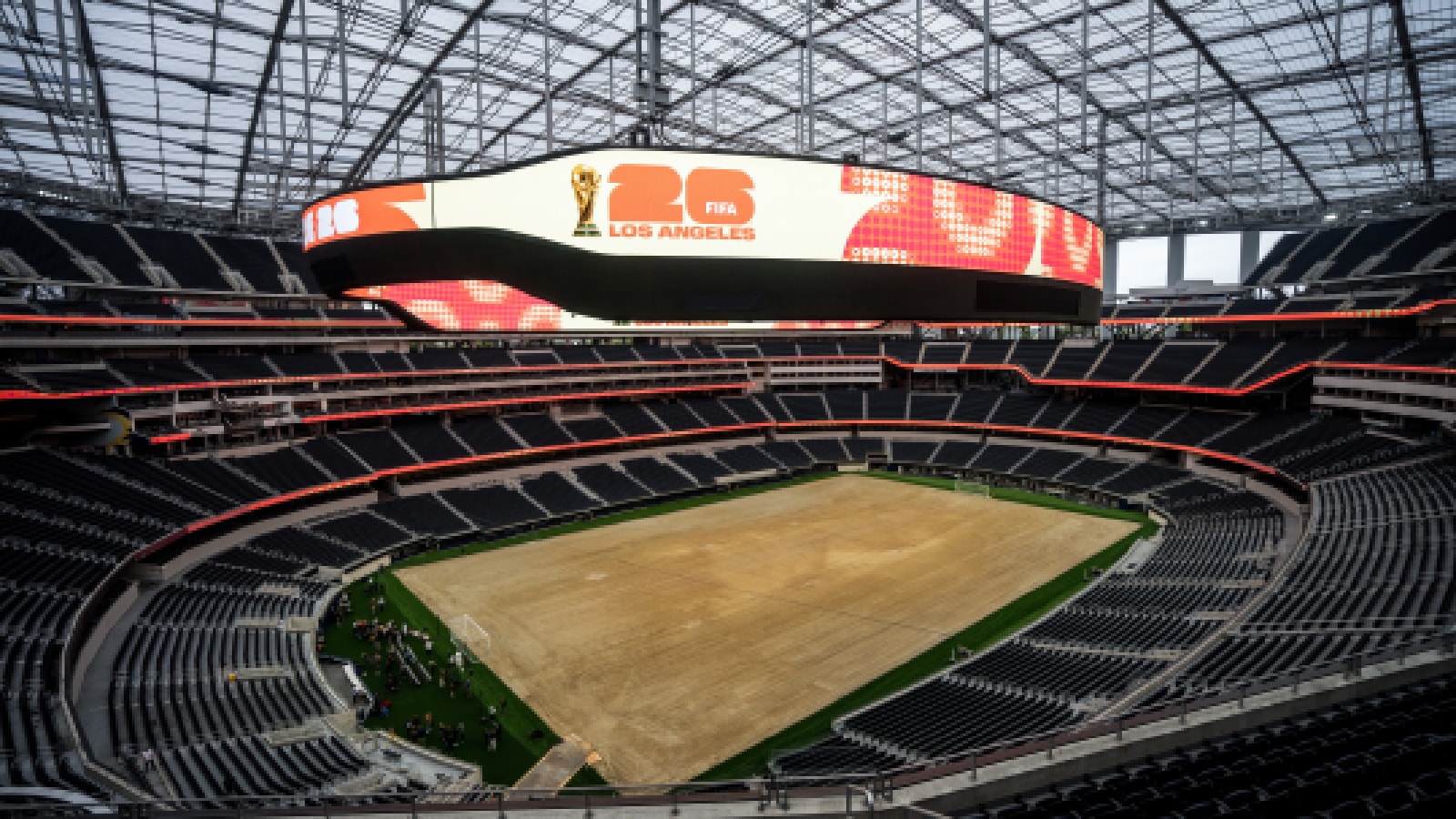
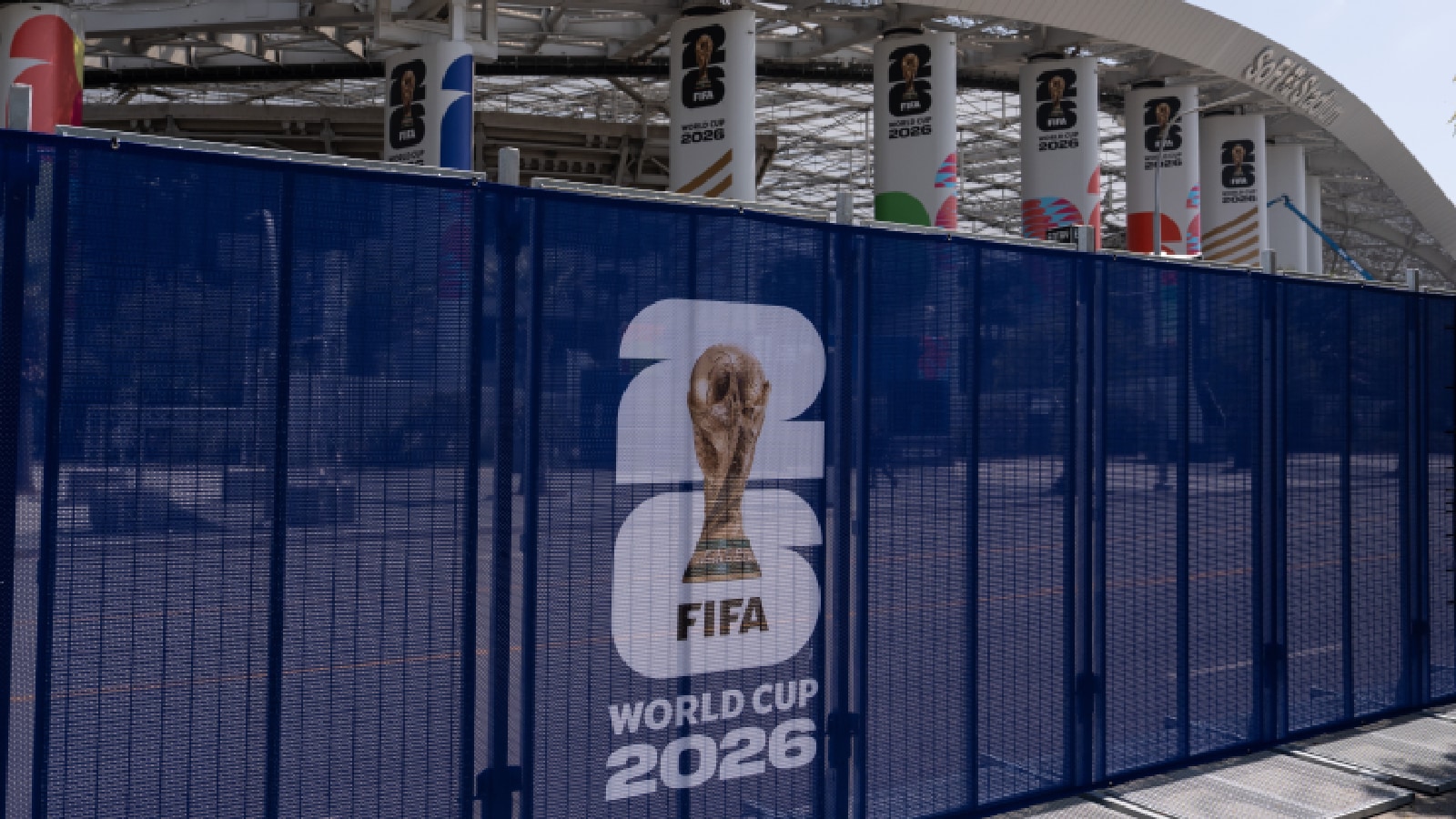
The 2026 FIFA World Cup is expected to drive an additional one billion pints of beer consumed worldwide, providing a much-needed boost to an industry that has struggled with declining sales and shifting consumer habits in recent years, according to a study by US investment bank Jefferies.
The tournament, which runs from June 11 to July 19 across the United States, Canada and Mexico, will add 568 million litres to global beer consumption, representing a 0.3% increase in total industry volumes for the year. Jefferies analysts described the mood simply: “After five successive years of volatility, beer should be better in 2026.”
The expanded format is a significant factor. With 104 matches scheduled compared to 64 in Qatar four years ago, the tournament is roughly 62% larger, runs 39 days rather than the approximately 32 days of previous editions, and features 48 teams instead of 32. More matches mean more drinking occasions, particularly in bars and pubs where the impact is most directly felt. Off-trade consumption, meaning beer bought at supermarkets and drunk at home, is expected to remain largely flat.
Geography and timing work in the industry’s favour too. Roughly 75% of matches will be played in the United States, and 84% of games involving participating countries fall in what Jefferies calls beer-friendly time zones, broadly defined as between 5pm and 11pm local time. Western Europe, with its deep football culture and pub-going habits, is expected to see the strongest gains.
Anheuser-Busch InBev, maker of Budweiser and the official beer sponsor of the World Cup, is seen as the primary beneficiary by analysts at Jefferies, Bernstein and Goldman Sachs. Heineken, with strong exposure to Latin America and Europe, is also expected to gain.
Historical data supports the optimism. Beer sales rose 3.6% in Germany during the 2006 World Cup and by the same amount in South Africa in 2010. Brazil saw a 4.8% jump in 2014 and Russia 5.3% in 2018. Qatar in 2022 was a special case: a 26% surge driven by tourist influx into a market where alcohol is ordinarily heavily restricted.
The broader economic impact of the tournament extends well beyond beer. A joint FIFA and World Trade Organization study projects the event will boost global GDP by roughly 41 billion dollars. Investment bank B. Riley separately estimates 13.1 million visitors will generate 21.3 million hotel room nights across the three host nations.
Goldman Sachs, however, has cautioned that historical data shows World Cup GDP boosts tend to be statistically insignificant in the long run, with economic activity largely redirected rather than newly created.
The 2026 FIFA World Cup is expected to drive an additional one billion pints of beer consumed worldwide, providing a much-needed boost to an industry that has struggled with declining sales and shifting consumer habits in recent years, according to a study by US investment bank Jefferies.
The tournament, which runs from June 11 to July 19 across the United States, Canada and Mexico, will add 568 million litres to global beer consumption, representing a 0.3% increase in total industry volumes for the year. Jefferies analysts described the mood simply: “After five successive years of volatility, beer should be better in 2026.”
The expanded format is a significant factor. With 104 matches scheduled compared to 64 in Qatar four years ago, the tournament is roughly 62% larger, runs 39 days rather than the approximately 32 days of previous editions, and features 48 teams instead of 32. More matches mean more drinking occasions, particularly in bars and pubs where the impact is most directly felt. Off-trade consumption, meaning beer bought at supermarkets and drunk at home, is expected to remain largely flat.
Geography and timing work in the industry’s favour too. Roughly 75% of matches will be played in the United States, and 84% of games involving participating countries fall in what Jefferies calls beer-friendly time zones, broadly defined as between 5pm and 11pm local time. Western Europe, with its deep football culture and pub-going habits, is expected to see the strongest gains.
Anheuser-Busch InBev, maker of Budweiser and the official beer sponsor of the World Cup, is seen as the primary beneficiary by analysts at Jefferies, Bernstein and Goldman Sachs. Heineken, with strong exposure to Latin America and Europe, is also expected to gain.
Historical data supports the optimism. Beer sales rose 3.6% in Germany during the 2006 World Cup and by the same amount in South Africa in 2010. Brazil saw a 4.8% jump in 2014 and Russia 5.3% in 2018. Qatar in 2022 was a special case: a 26% surge driven by tourist influx into a market where alcohol is ordinarily heavily restricted.
The broader economic impact of the tournament extends well beyond beer. A joint FIFA and World Trade Organization study projects the event will boost global GDP by roughly 41 billion dollars. Investment bank B. Riley separately estimates 13.1 million visitors will generate 21.3 million hotel room nights across the three host nations.
Goldman Sachs, however, has cautioned that historical data shows World Cup GDP boosts tend to be statistically insignificant in the long run, with economic activity largely redirected rather than newly created.