

England vs Croatia: Modric, missiles and the midfield that won’t grow old
Eight years after Moscow, they meet again. Croatia are older, injured and still dangerous.
“They should be more humble and respect their opponents more.”
Luka Modric‘s rebuke had arrived with the relief of vindication. It was directed not at England’s players but at the journalists and pundits who had spent the week calling Croatia tired, the walking dead, a team running on fumes after three successive extra-time matches. In the 109th minute in Moscow, Mario Mandžukić ended the argument. England went home.
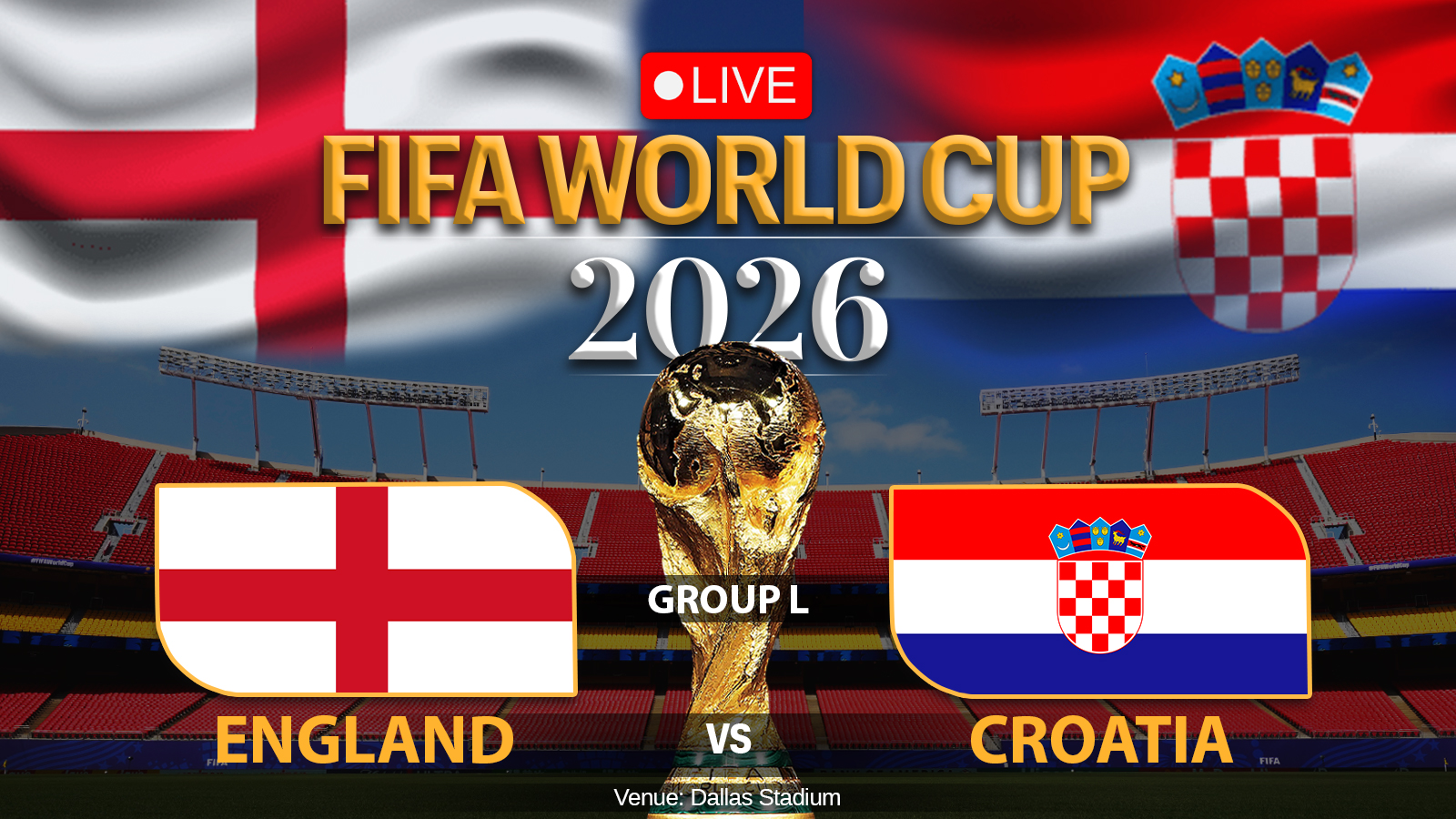
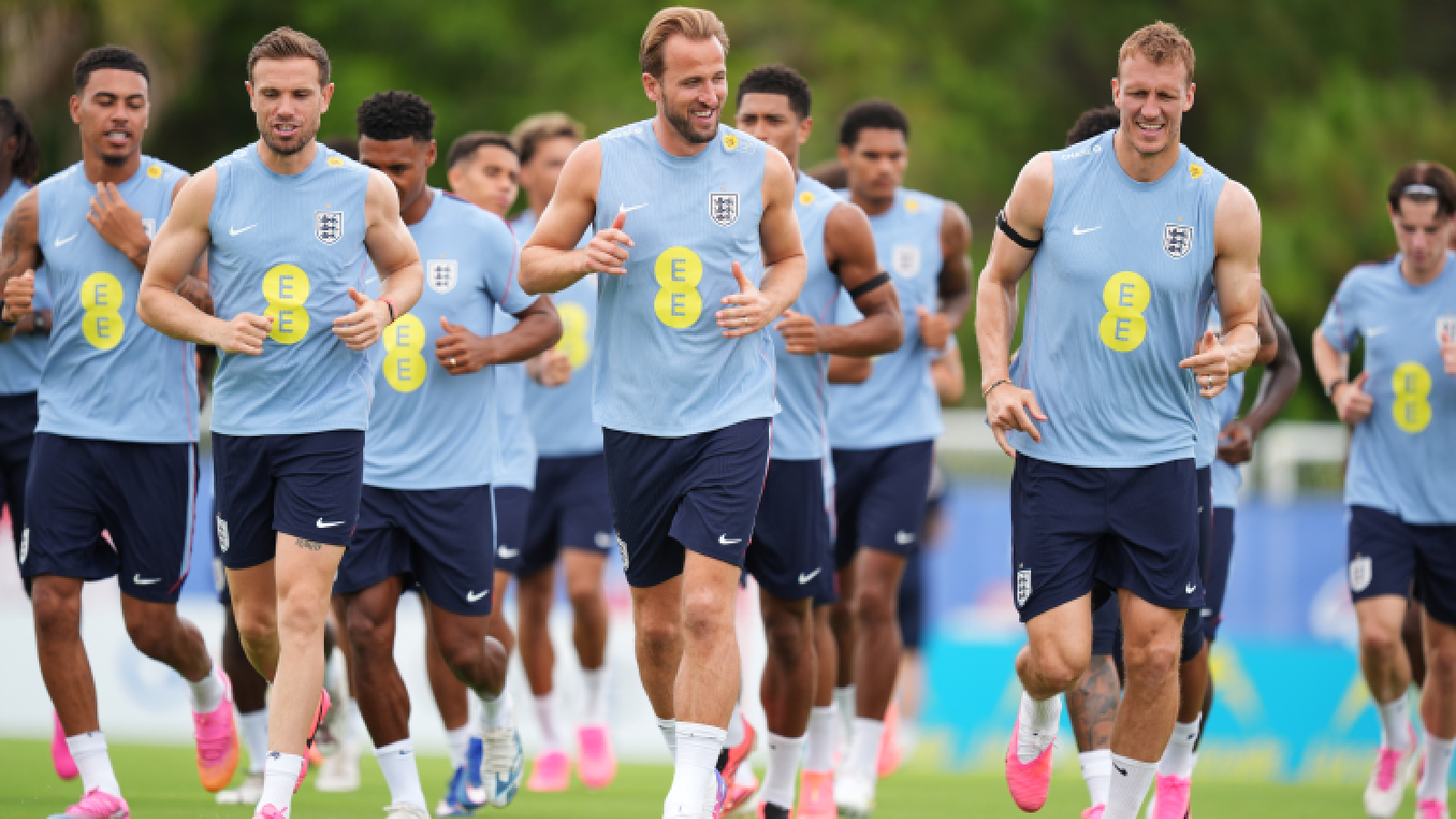
Eight years later, the cast has barely changed. England and Croatia meet again at a World Cup, this time in the group stage in Dallas rather than a semi-final in Moscow. Modric, yet again, leads an aging Croatian squad. England, meanwhile, are the fourteenth youngest team in the competition.
Nowhere is that contrast clearer than in the midfield.
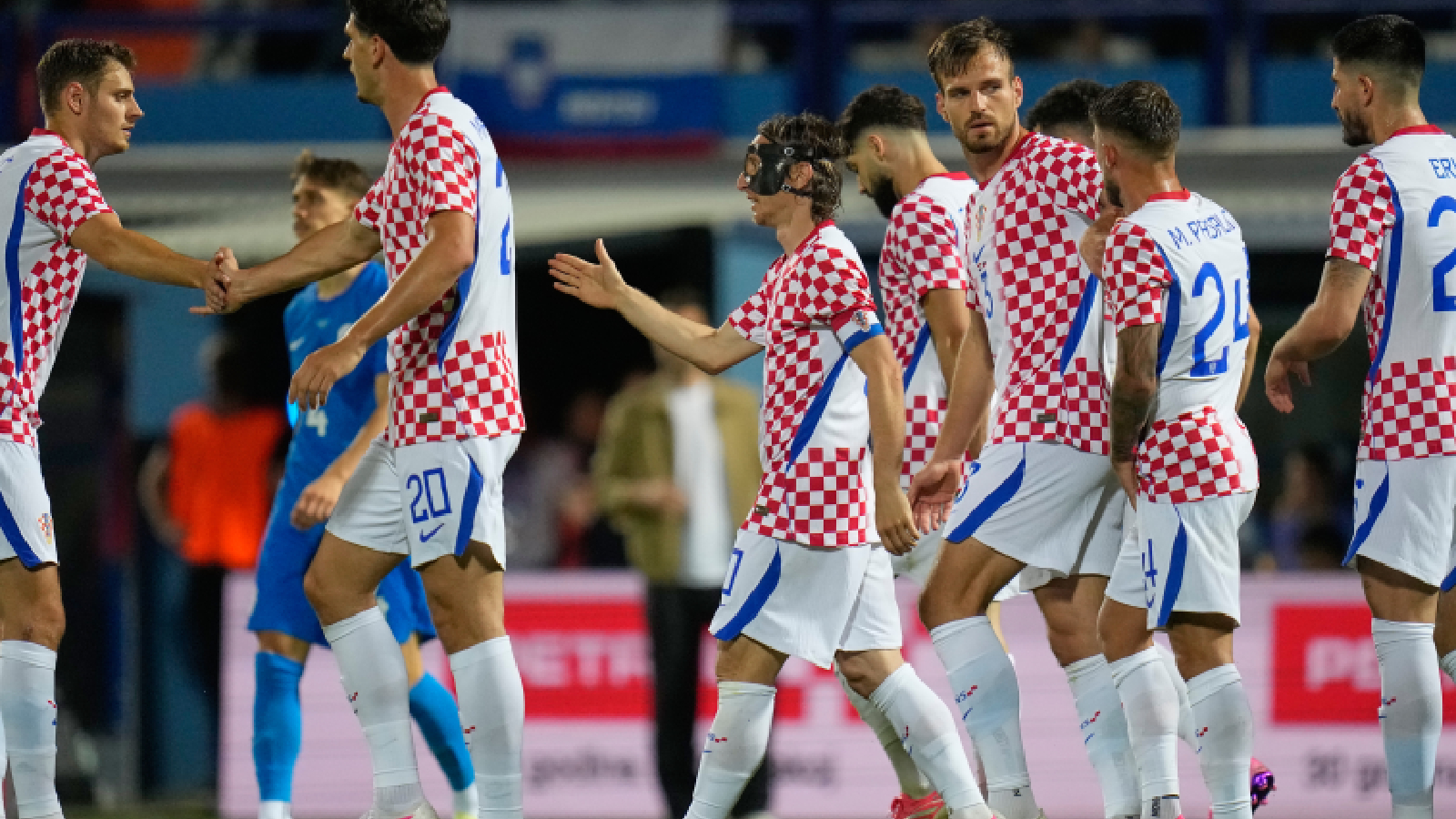
Zlatko Dalić has flirted with experiments recently — he fielded three centre-backs in a friendly against Belgium, Croatia lost, and he promptly returned to the safety of a 4-2-3-1. Should familiarity prevail, Thomas Tuchel can expect to face a double pivot of Modric and Mateo Kovačić, with Andrej Kramarić afforded licence in the number ten role. Together, they have accumulated 427 caps and scored 70 goals for the Kockasti. Their average age is 35.
Against them: Declan Rice, fresh off a Premier League title with Arsenal; Jude Bellingham, a Champions League winner with Real Madrid; and Elliot Anderson, one of the Premier League’s most reliable defensive midfielders this season. Together, they have made 129 appearances for England — only 298 fewer than their counterparts. Their average age is 24.
Croatia’s football carries a weight that statistics cannot measure. At Maksimir stadium in Zagreb in 1990, Zvonimir Boban — Modric’s childhood idol — kicked a security officer during a riot between Dinamo Zagreb and Red Star Belgrade. Many Croatians still call it the kick that started the war. The fans of Dinamo Zagreb were among the first to volunteer for the conflict that followed. President Franjo Tuđman, who understood football’s grip on a people better than most politicians, put it plainly: “Football victories shape a nation’s identity as much as wars do.”
It is not the same country Modric grew up in. His grandfather — also named Luka — was killed by Serbian forces while tending cattle on the slopes of the Velebit mountains. The family fled to Zadar, where they lived in a refugee hotel for years. Modric played football in the hotel corridor, first with a paper ball, then a real one, going to sleep with it beside him. His childhood home still has a “Mines — Keep Out” sign. The only thing that interrupted his games was the sirens. “It happened a million times that we were going to training as the shells were falling,” a childhood friend recalled, “and we were running to shelters.”
Croatia’s first FIFA ranking was 117th. They have spent almost an uninterrupted decade among the world’s top 20.
Yet even now, Dalić struggles to look beyond a 32-year-old Kovačić — six months sidelined by an ankle injury — as the long-term successor alongside Modric. Kramarić, too, has been playing through an adductor injury. Modric wears a protective mask after a cheekbone fracture, though even at 40 he started the vast majority of AC Milan’s Serie A matches this season.
“We don’t have a big roster,” Dalić has admitted, “and these are some of our most important players.”
England have their own disruptions to absorb. Hours after arriving in Kansas City, a tornado warning sent the squad indoors. Their training equipment was stolen from their base — boots, gloves, kit. Most of it was recovered. Two men were charged. Dean Henderson, asked if his boots had made it, said: “Yeah, thankfully. I think they got stolen but we got them back so it’s all good.”
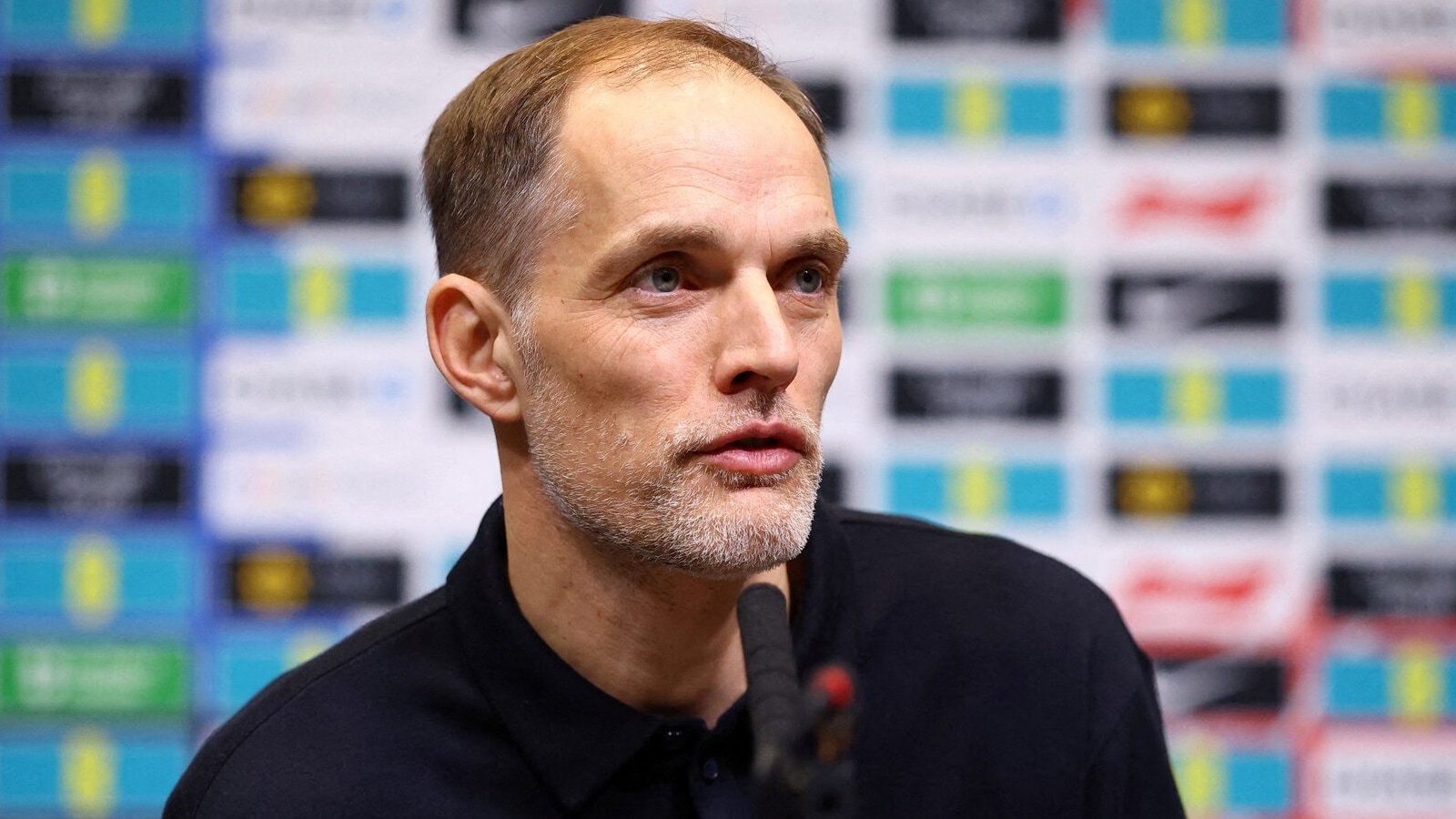
Tuchel’s squad went through European qualifying with eight wins from eight and a 22-0 goal difference. He could leave Cole Palmer — the face of England’s commercial campaigns — out of the squad entirely. Dalić does not have that problem, or that luxury.
Modric will likely be at his last World Cup. He begins it against the country he humbled in Moscow. He cannot run a tournament the way he once could. But he does not need to. His value now is in tempo, in positioning, in the unhurried authority of someone who has survived far worse off the pitch.
In what is almost certainly the last World Cup for this generation, they will do what they have always done: outlast the predictions, outlast the pundits, and make England humble again.
“They should be more humble and respect their opponents more.”
Luka Modric‘s rebuke had arrived with the relief of vindication. It was directed not at England’s players but at the journalists and pundits who had spent the week calling Croatia tired, the walking dead, a team running on fumes after three successive extra-time matches. In the 109th minute in Moscow, Mario Mandžukić ended the argument. England went home.
Eight years later, the cast has barely changed. England and Croatia meet again at a World Cup, this time in the group stage in Dallas rather than a semi-final in Moscow. Modric, yet again, leads an aging Croatian squad. England, meanwhile, are the fourteenth youngest team in the competition.
Nowhere is that contrast clearer than in the midfield.
Zlatko Dalić has flirted with experiments recently — he fielded three centre-backs in a friendly against Belgium, Croatia lost, and he promptly returned to the safety of a 4-2-3-1. Should familiarity prevail, Thomas Tuchel can expect to face a double pivot of Modric and Mateo Kovačić, with Andrej Kramarić afforded licence in the number ten role. Together, they have accumulated 427 caps and scored 70 goals for the Kockasti. Their average age is 35.
Against them: Declan Rice, fresh off a Premier League title with Arsenal; Jude Bellingham, a Champions League winner with Real Madrid; and Elliot Anderson, one of the Premier League’s most reliable defensive midfielders this season. Together, they have made 129 appearances for England — only 298 fewer than their counterparts. Their average age is 24.
Croatia’s football carries a weight that statistics cannot measure. At Maksimir stadium in Zagreb in 1990, Zvonimir Boban — Modric’s childhood idol — kicked a security officer during a riot between Dinamo Zagreb and Red Star Belgrade. Many Croatians still call it the kick that started the war. The fans of Dinamo Zagreb were among the first to volunteer for the conflict that followed. President Franjo Tuđman, who understood football’s grip on a people better than most politicians, put it plainly: “Football victories shape a nation’s identity as much as wars do.”
It is not the same country Modric grew up in. His grandfather — also named Luka — was killed by Serbian forces while tending cattle on the slopes of the Velebit mountains. The family fled to Zadar, where they lived in a refugee hotel for years. Modric played football in the hotel corridor, first with a paper ball, then a real one, going to sleep with it beside him. His childhood home still has a “Mines — Keep Out” sign. The only thing that interrupted his games was the sirens. “It happened a million times that we were going to training as the shells were falling,” a childhood friend recalled, “and we were running to shelters.”
Croatia’s first FIFA ranking was 117th. They have spent almost an uninterrupted decade among the world’s top 20.
Yet even now, Dalić struggles to look beyond a 32-year-old Kovačić — six months sidelined by an ankle injury — as the long-term successor alongside Modric. Kramarić, too, has been playing through an adductor injury. Modric wears a protective mask after a cheekbone fracture, though even at 40 he started the vast majority of AC Milan’s Serie A matches this season.
“We don’t have a big roster,” Dalić has admitted, “and these are some of our most important players.”
England have their own disruptions to absorb. Hours after arriving in Kansas City, a tornado warning sent the squad indoors. Their training equipment was stolen from their base — boots, gloves, kit. Most of it was recovered. Two men were charged. Dean Henderson, asked if his boots had made it, said: “Yeah, thankfully. I think they got stolen but we got them back so it’s all good.”
Tuchel’s squad went through European qualifying with eight wins from eight and a 22-0 goal difference. He could leave Cole Palmer — the face of England’s commercial campaigns — out of the squad entirely. Dalić does not have that problem, or that luxury.
Modric will likely be at his last World Cup. He begins it against the country he humbled in Moscow. He cannot run a tournament the way he once could. But he does not need to. His value now is in tempo, in positioning, in the unhurried authority of someone who has survived far worse off the pitch.
In what is almost certainly the last World Cup for this generation, they will do what they have always done: outlast the predictions, outlast the pundits, and make England humble again.