
How directive ‘to protect American jobs’ has hit influencers, content creators
Those who have entered USA on a tourist visa can’t create content to generate income from US sources while in the country
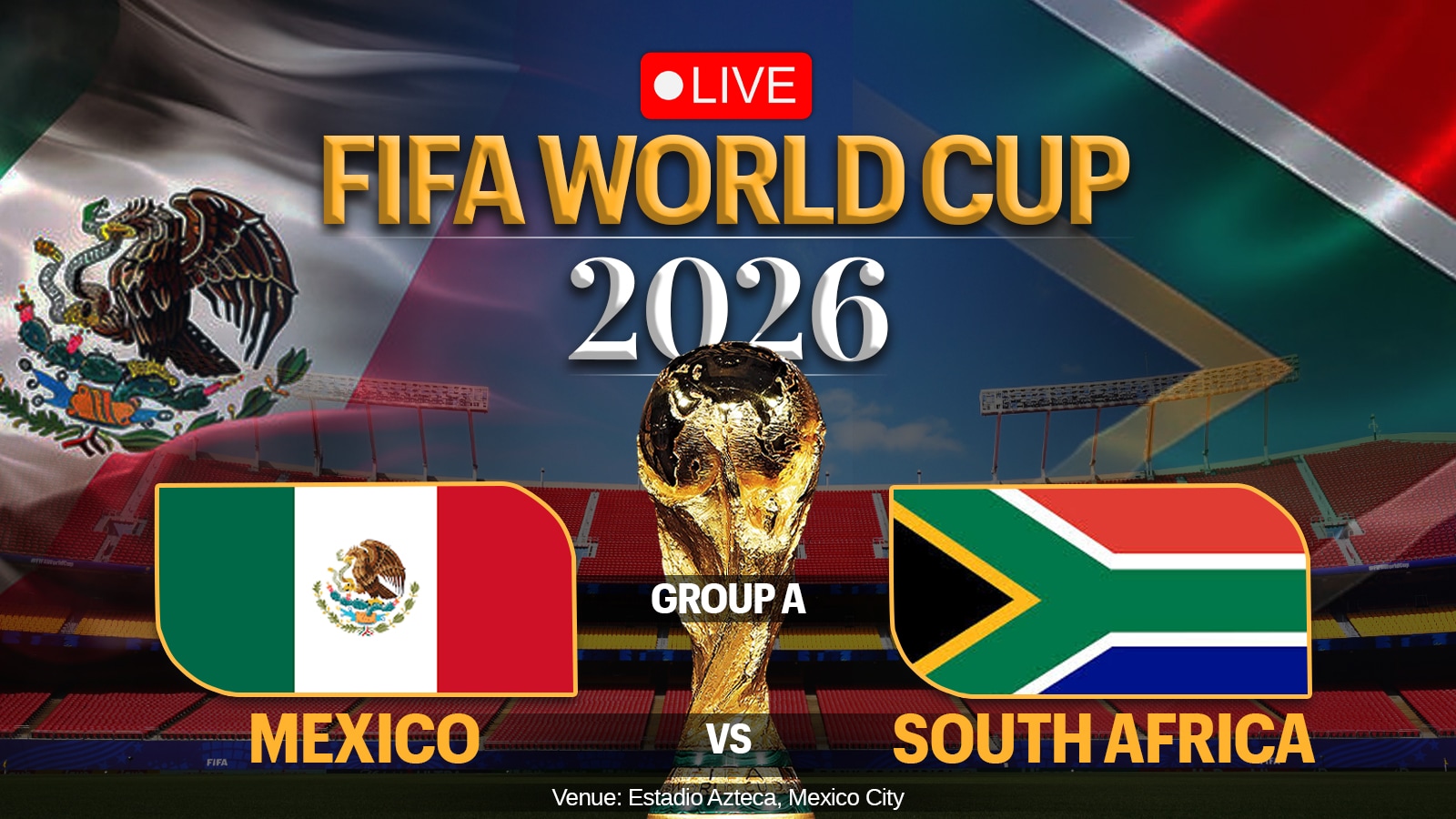
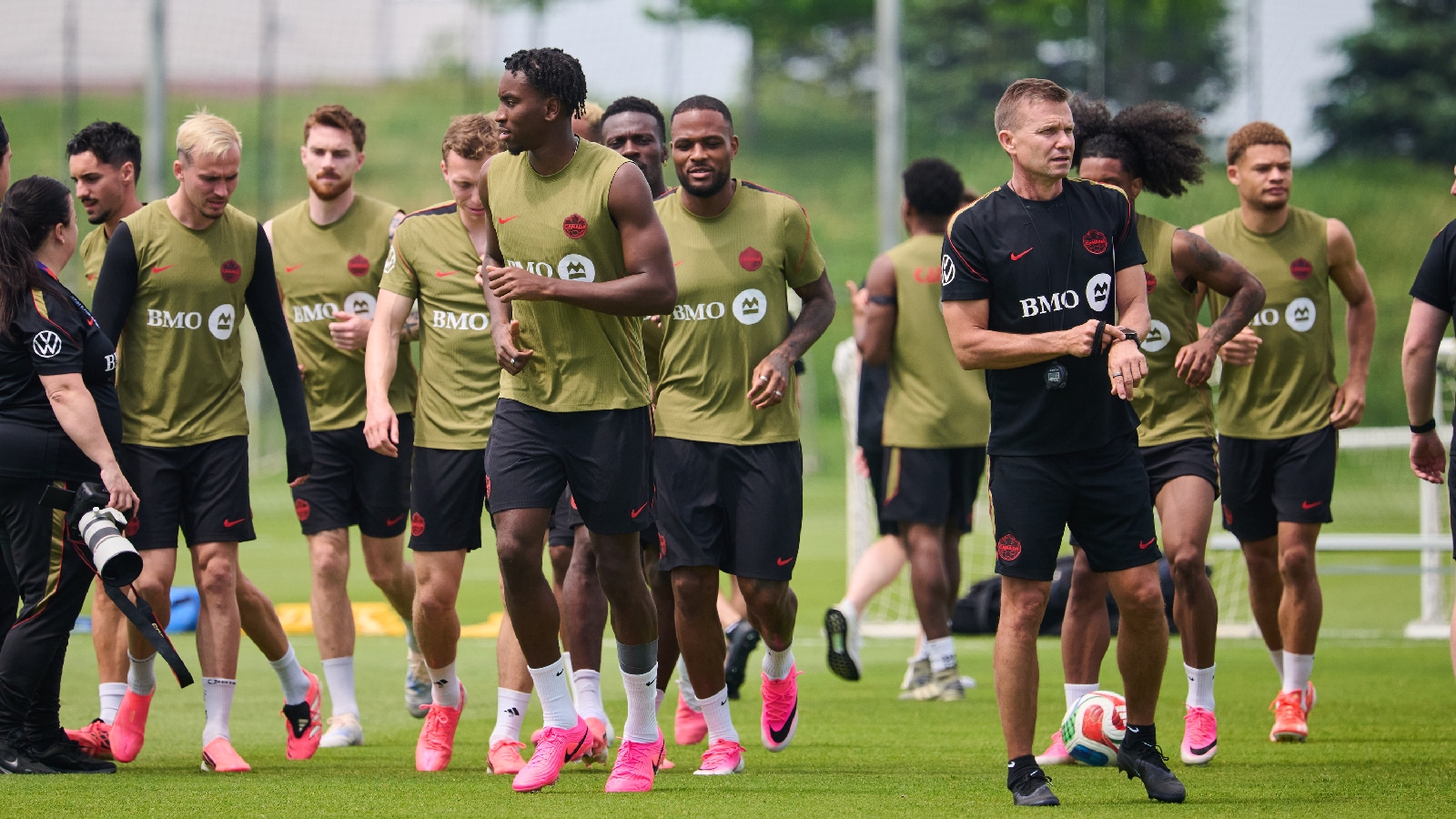
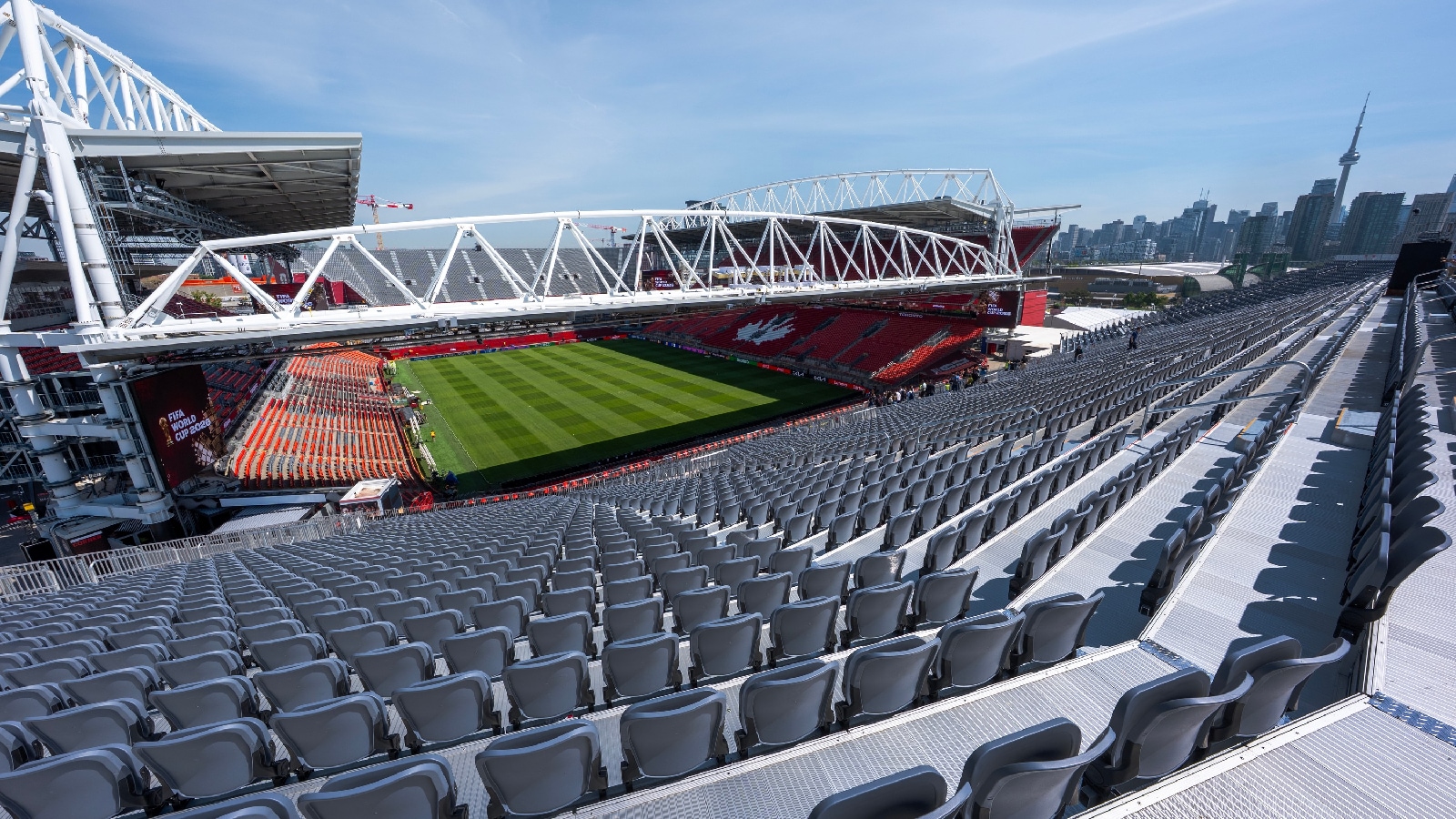
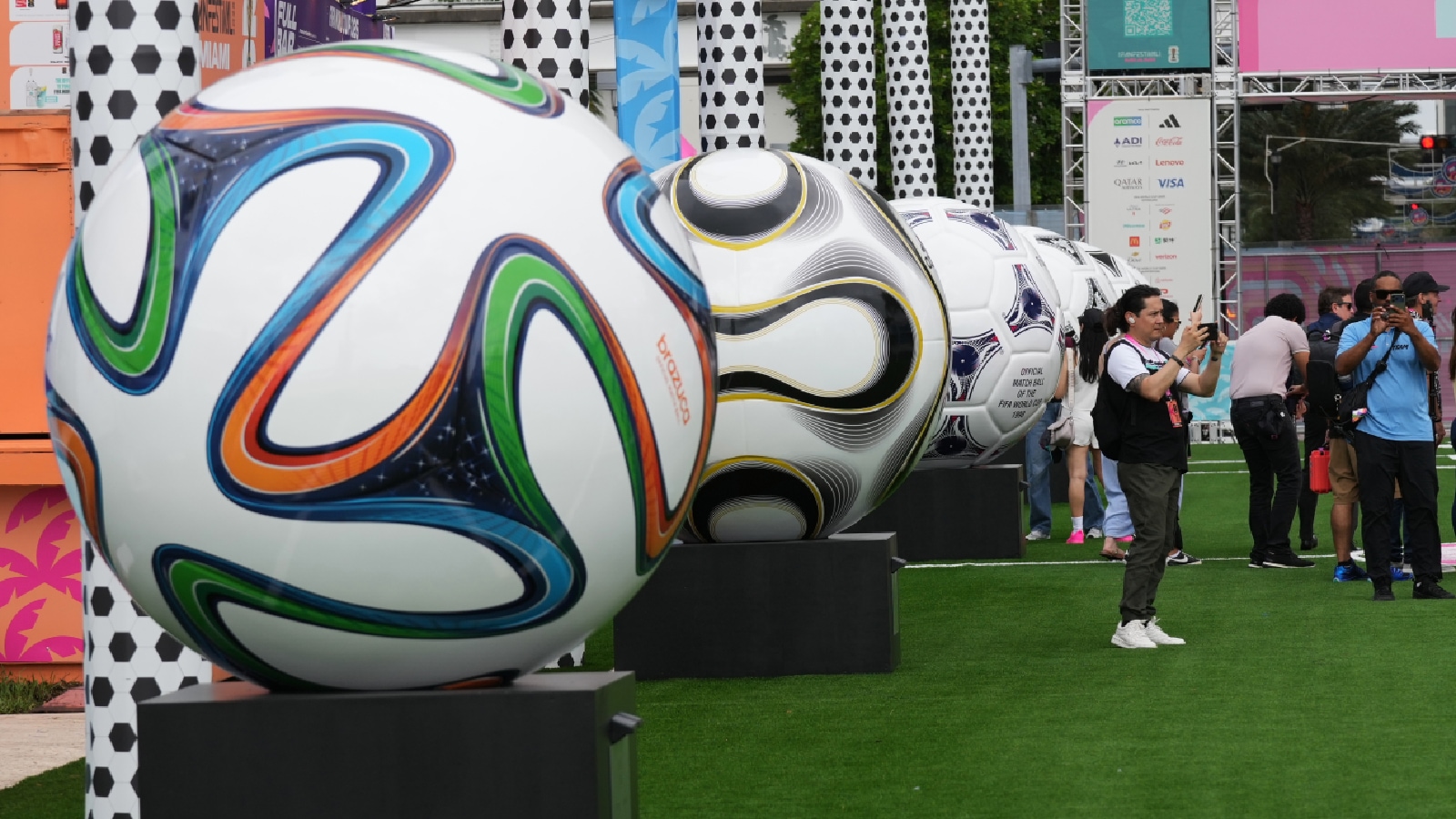
The role of ‘influencers’ in major sports events has been growing ever bigger over the last few years, with many of them now being embedded by organisers and teams to create content that throws a positive light on them. But if they had thought that they could carry on their activities in the United States during the FIFA World Cup, the authorities have thrown cold water over their aspirations.
Content creators and influencers, who travel to the country, will not be allowed to carry out their activity with only a tourist visa any more, immigration authorities have warned. Many of these individuals generate income from the content they upload onto digital platforms such as YouTube, TikTok, Facebook, and various other social media networks. This directive would hit them hard as many would have hoped to cash in on the interest generated by arguably the biggest sporting event on the planet.
“Having the sole purpose of the visit be content creation (as an influencer), thereby generating income from US sources while in the country, is considered work and requires the appropriate visa,” a statement from the US Customs and Border Protection and the Department of Homeland Security said.
The document, sent to El Pais of Spain, also states that people entering the United States “under a visitor program and receiving income from a US source would be violating the conditions of their admission status.”
This directive could prompt a new area of action for agents of the US Immigration and Customs Enforcement Service (ICE), who have been carrying out President Donald Trump’s orders to pursue and deport foreigners who do not comply with the country’s immigration requirements.
According to a Colombia One report, to carry on their content-creation activity, influencers would need at least an O-1 visa, intended for individuals with extraordinary abilities in fields such as the arts, business, science, or sports, and which, under certain conditions, allows them to engage in paid professional activities, including brand collaborations, promotional tours, and the production of content for commercial purposes.
By contrast, the tourist visa (B-2) allows entry into the United States for leisure, vacations, family visits, or medical treatment, but prohibits carrying out work activities or receiving income derived from work performed within US territory.
“Their own videos give them away,” a government source said, referring to several foreign creators who have even documented how they obtained a visa at a US embassy and then traveled to various American cities to film content for their social media and digital platforms.
According to an unidentified Trump administration source, the US government plans to tighten inspections at airports and border checkpoints to check influencers who use a tourist visa to “work” and generate large profits, with the goal to “protect American jobs.”
Last year, Senegalese-Italian influencer Khaby Lame, the most-followed individual on TikTok with over 160 million followers, was arrested in Las Vegas for staying in the US after his visa limit had expired, the report said.
In another case, Venezuelan ‘migrant-influencer’ Leonel Moreno, whose TikTok videos allegedly encouraged illegal conduct such as occupying abandoned homes and taking advantage of government assistance programs, also came under the scanner.
The role of ‘influencers’ in major sports events has been growing ever bigger over the last few years, with many of them now being embedded by organisers and teams to create content that throws a positive light on them. But if they had thought that they could carry on their activities in the United States during the FIFA World Cup, the authorities have thrown cold water over their aspirations.
Content creators and influencers, who travel to the country, will not be allowed to carry out their activity with only a tourist visa any more, immigration authorities have warned. Many of these individuals generate income from the content they upload onto digital platforms such as YouTube, TikTok, Facebook, and various other social media networks. This directive would hit them hard as many would have hoped to cash in on the interest generated by arguably the biggest sporting event on the planet.
“Having the sole purpose of the visit be content creation (as an influencer), thereby generating income from US sources while in the country, is considered work and requires the appropriate visa,” a statement from the US Customs and Border Protection and the Department of Homeland Security said.
The document, sent to El Pais of Spain, also states that people entering the United States “under a visitor program and receiving income from a US source would be violating the conditions of their admission status.”
This directive could prompt a new area of action for agents of the US Immigration and Customs Enforcement Service (ICE), who have been carrying out President Donald Trump’s orders to pursue and deport foreigners who do not comply with the country’s immigration requirements.
According to a Colombia One report, to carry on their content-creation activity, influencers would need at least an O-1 visa, intended for individuals with extraordinary abilities in fields such as the arts, business, science, or sports, and which, under certain conditions, allows them to engage in paid professional activities, including brand collaborations, promotional tours, and the production of content for commercial purposes.
By contrast, the tourist visa (B-2) allows entry into the United States for leisure, vacations, family visits, or medical treatment, but prohibits carrying out work activities or receiving income derived from work performed within US territory.
“Their own videos give them away,” a government source said, referring to several foreign creators who have even documented how they obtained a visa at a US embassy and then traveled to various American cities to film content for their social media and digital platforms.
According to an unidentified Trump administration source, the US government plans to tighten inspections at airports and border checkpoints to check influencers who use a tourist visa to “work” and generate large profits, with the goal to “protect American jobs.”
Last year, Senegalese-Italian influencer Khaby Lame, the most-followed individual on TikTok with over 160 million followers, was arrested in Las Vegas for staying in the US after his visa limit had expired, the report said.
In another case, Venezuelan ‘migrant-influencer’ Leonel Moreno, whose TikTok videos allegedly encouraged illegal conduct such as occupying abandoned homes and taking advantage of government assistance programs, also came under the scanner.