

A world away from Cape Verde, the party is endless in this Boston suburb
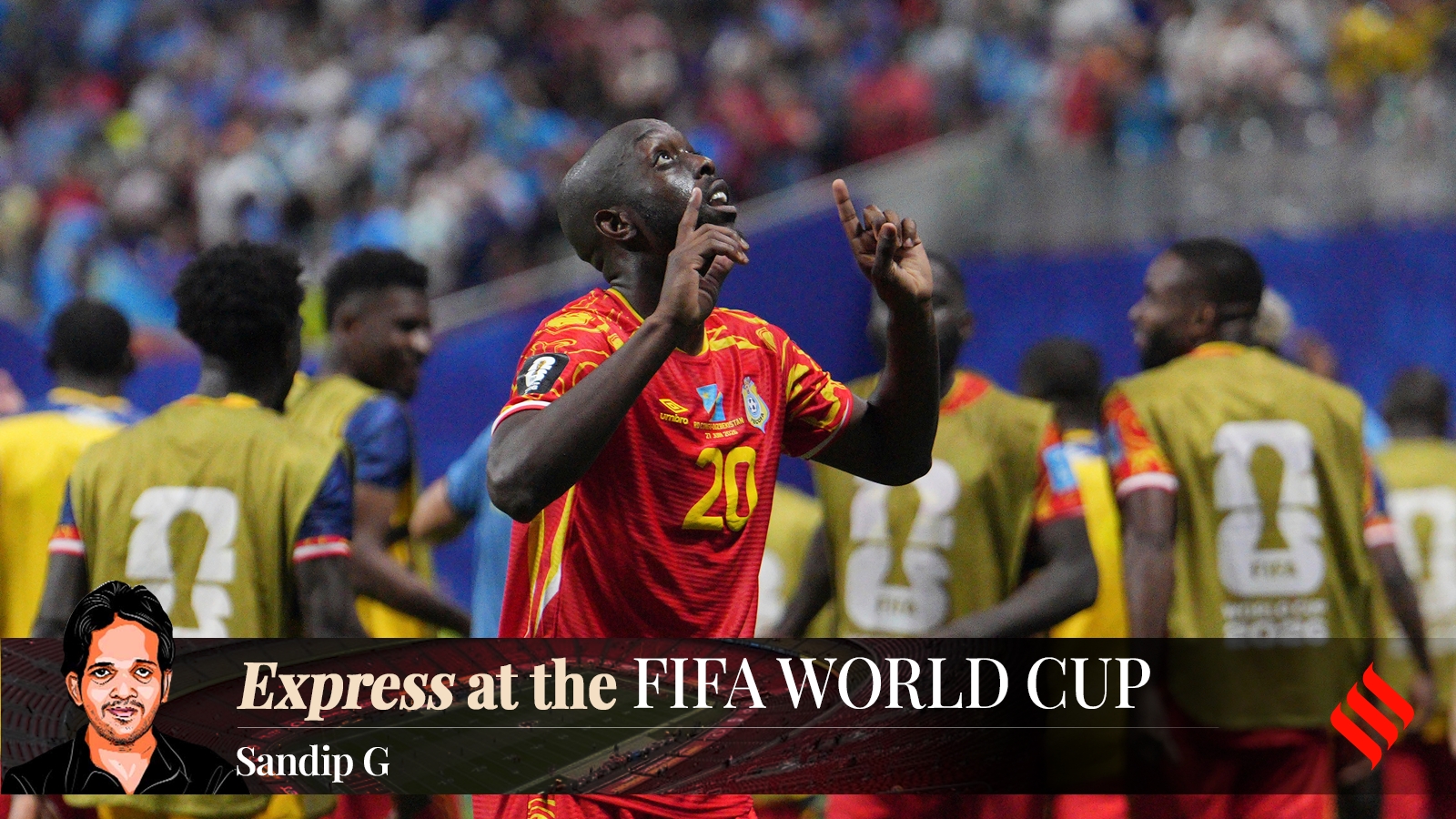
After the tiny African archipelago upset all odds to make the knockouts, Brockton, which has nearly 20,000 residents of Cape Verdean descent, has been celebrating non-stop
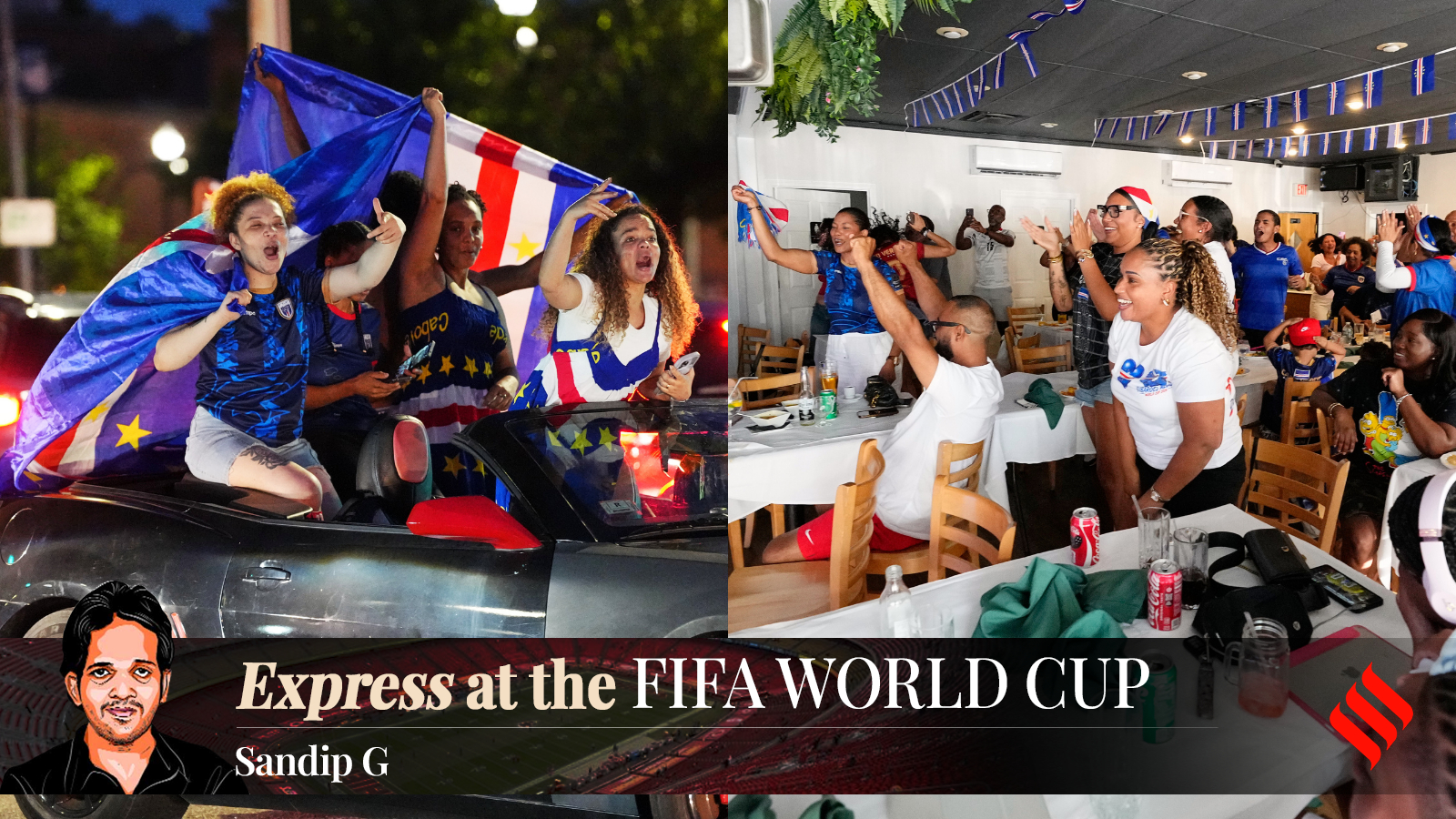
The night of celebrations was endless in the Boston suburb of Brockton, after Cape Verde qualified for the World Cup’s knockout stages. Roughly 5,000 kilometres away from the African archipelago’s capital Praia, the locality has nearly 20,000 residents of Cape Verdean descent.
“We call it the eleventh island of Cape Verde,” says Tatiana Moniz, a member of the Cape Verdean Association in Brockton. “Except for the palm trees and beaches, it is like our islands, the restaurants, culture, everything. You see Cape Verdeans everywhere, and we are a bonded community,” she says.
Most streets had a watch party for all the games. For the Saudi Arabia match, it was organised at Campanelli Stadium, a baseball ground.
“From the first game, all of us watched every single moment. We were not thinking of beating the big teams or qualifying for the knockouts. We were just happy watching them, happy celebrating them. We always believed in the team and knew they could perform miracles. It means a lot to our community,” Moniz says.
Joshua Carvalho, who works at a restaurant named Sodade (which literally means nostalgia and a longing for home), needn’t explain to outsiders where, sometimes “what”, Cape Verde is.
“A lot of people ask me where it is. Most people think it’s part of the Caribbean Islands. I have to show them on the map, and explain. Now I need not. Everybody knows where it is, and everybody seems to like our story. Wishes have been pouring in, and I have never felt prouder,” he says.
Brockton has a strong connection with the team too. The country’s first World Cup goal-scorer Kevin Pina was born in Cape Verde but emigrated to Brockton, the first black-majority city in New England, as a child.
“I remember him. He was struggling to get chances here. Ours is not a football town. We love boxing,” Carvalho says. Brockton was home to legendary boxer Rocky Marciano, although he was of Italian descent.
ALSO READ | Cape Verde reach FIFA World Cup knockouts as smallest nation in tournament history
Pina’s dream was wilting when former Cape Verde captain Carlos Morais visited Brockton to meet his relatives. He chanced upon Pina playing a club game. The next day, he visited Pina’s home and convinced his parents to take him to Portugal, where he was coaching.
“I hope he will visit us after the World Cup. Our town has a World Cup hero,” Carvalho says, hoping that he could host all of them in the restaurant and whip up dishes that bring sodade.
They have other heroes, too. Goalkeeper Vozinha tops the list.
“He has become my favourite,” says Moniz. “Our tiny island now has a lot of new heroes, and we can build on this culture.”
She repeats what has become the rallying cry of Cape Verdeans. “They gave us 1 percent chance, but we gave 99 percent faith.”
Brockton and Cape Verde have a connection that predates the American Civil War, when Yankee whalers recruited young Africans from Cape Verde in their crew. For Cape Verdeans, whaling was a ticket out of the bleak volcanic islands where drought and famine were regular occurrences. The character Daggoo in Herman Melville’s Moby Dick is from the Cape Verdean island of Azores.
The scattered islands, then part of the larger West Africa, had an American consul as early as the nineteenth century.
“I have heard that till the 1960s, there were sailors who travelled in schooners to Cape Verde.”
Carlos’s favourite is captain Ryan Mendes. “He is a fighter, leader,” he says.
Miles away, in the Cape Verde museum in Rhode Island, the curator has managed to get a signed shirt from all the members of the squad and preserved it in the most prominent showcase.
| How a coach who watched Maradona on a village TV put Cape Verde into the knockouts
“It’s the most exciting time in Cape Verde history, and we’ve had some pretty exciting times,” director Joe DaMoura told Boston Globe. The results did not surprise him. “It is just another evidence of our history of resilience and tenacity. That comes with our history of living on hope.”
The Argentina game is three days away, and Carvalho says he has never felt time move so slowly.
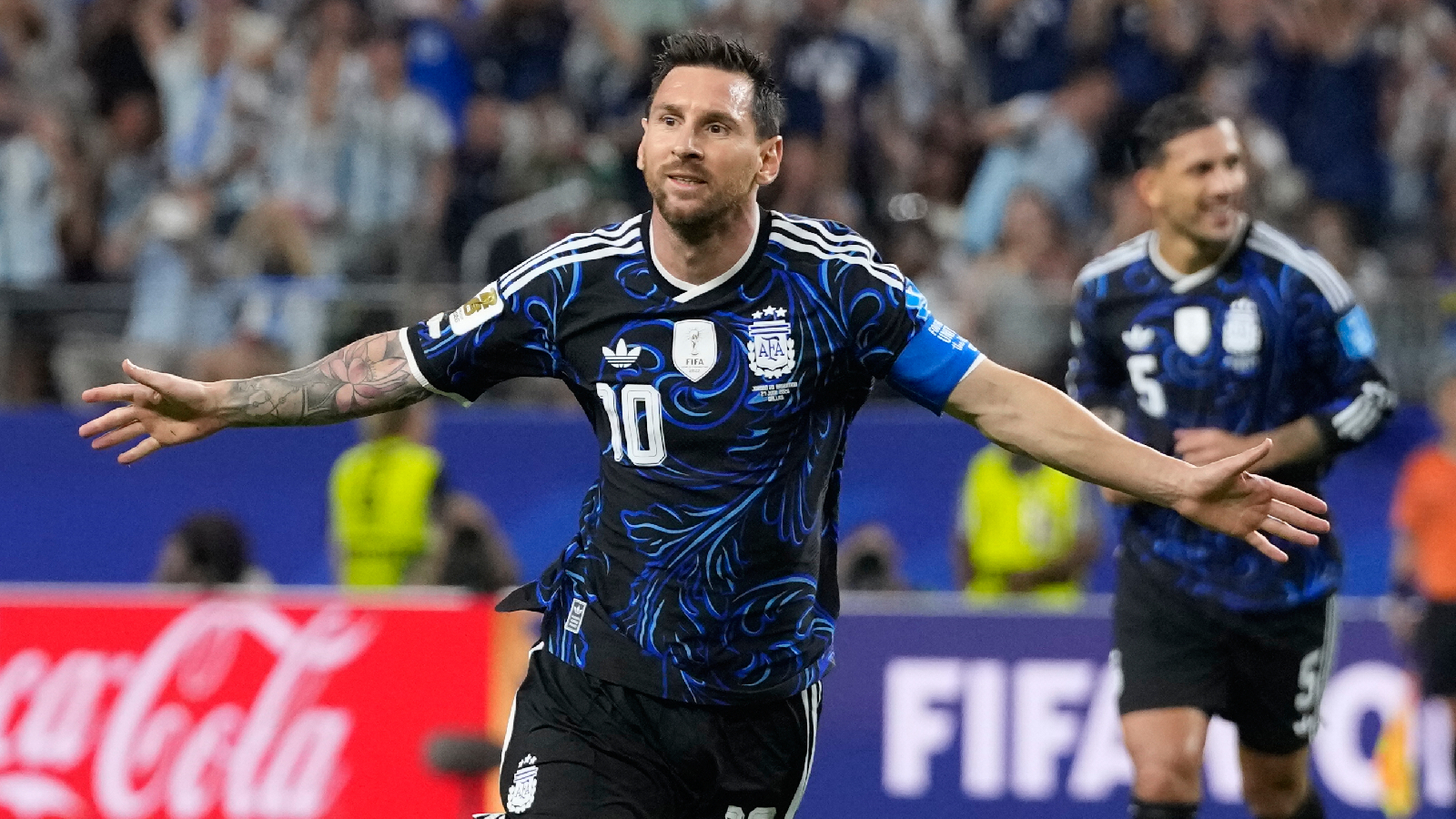
“That would be the greatest party Brockton has ever seen. Messi and our boys, is it a dream?” he asks.
His lone fear is whether the party will get wild and people start brawling.
“A few people got shot, I think, after the Uruguay game. But whether we lose or win, we will celebrate,” he says.
A win? “We will have an earthquake here!”
The night of celebrations was endless in the Boston suburb of Brockton, after Cape Verde qualified for the World Cup’s knockout stages. Roughly 5,000 kilometres away from the African archipelago’s capital Praia, the locality has nearly 20,000 residents of Cape Verdean descent.
“We call it the eleventh island of Cape Verde,” says Tatiana Moniz, a member of the Cape Verdean Association in Brockton. “Except for the palm trees and beaches, it is like our islands, the restaurants, culture, everything. You see Cape Verdeans everywhere, and we are a bonded community,” she says.
Most streets had a watch party for all the games. For the Saudi Arabia match, it was organised at Campanelli Stadium, a baseball ground.
“From the first game, all of us watched every single moment. We were not thinking of beating the big teams or qualifying for the knockouts. We were just happy watching them, happy celebrating them. We always believed in the team and knew they could perform miracles. It means a lot to our community,” Moniz says.
Joshua Carvalho, who works at a restaurant named Sodade (which literally means nostalgia and a longing for home), needn’t explain to outsiders where, sometimes “what”, Cape Verde is.
“A lot of people ask me where it is. Most people think it’s part of the Caribbean Islands. I have to show them on the map, and explain. Now I need not. Everybody knows where it is, and everybody seems to like our story. Wishes have been pouring in, and I have never felt prouder,” he says.
Brockton has a strong connection with the team too. The country’s first World Cup goal-scorer Kevin Pina was born in Cape Verde but emigrated to Brockton, the first black-majority city in New England, as a child.
“I remember him. He was struggling to get chances here. Ours is not a football town. We love boxing,” Carvalho says. Brockton was home to legendary boxer Rocky Marciano, although he was of Italian descent.
ALSO READ | Cape Verde reach FIFA World Cup knockouts as smallest nation in tournament history
Pina’s dream was wilting when former Cape Verde captain Carlos Morais visited Brockton to meet his relatives. He chanced upon Pina playing a club game. The next day, he visited Pina’s home and convinced his parents to take him to Portugal, where he was coaching.
“I hope he will visit us after the World Cup. Our town has a World Cup hero,” Carvalho says, hoping that he could host all of them in the restaurant and whip up dishes that bring sodade.
They have other heroes, too. Goalkeeper Vozinha tops the list.
“He has become my favourite,” says Moniz. “Our tiny island now has a lot of new heroes, and we can build on this culture.”
She repeats what has become the rallying cry of Cape Verdeans. “They gave us 1 percent chance, but we gave 99 percent faith.”
Brockton and Cape Verde have a connection that predates the American Civil War, when Yankee whalers recruited young Africans from Cape Verde in their crew. For Cape Verdeans, whaling was a ticket out of the bleak volcanic islands where drought and famine were regular occurrences. The character Daggoo in Herman Melville’s Moby Dick is from the Cape Verdean island of Azores.
The scattered islands, then part of the larger West Africa, had an American consul as early as the nineteenth century.
“I have heard that till the 1960s, there were sailors who travelled in schooners to Cape Verde.”
Carlos’s favourite is captain Ryan Mendes. “He is a fighter, leader,” he says.
Miles away, in the Cape Verde museum in Rhode Island, the curator has managed to get a signed shirt from all the members of the squad and preserved it in the most prominent showcase.
| How a coach who watched Maradona on a village TV put Cape Verde into the knockouts
“It’s the most exciting time in Cape Verde history, and we’ve had some pretty exciting times,” director Joe DaMoura told Boston Globe. The results did not surprise him. “It is just another evidence of our history of resilience and tenacity. That comes with our history of living on hope.”
The Argentina game is three days away, and Carvalho says he has never felt time move so slowly.
“That would be the greatest party Brockton has ever seen. Messi and our boys, is it a dream?” he asks.
His lone fear is whether the party will get wild and people start brawling.
“A few people got shot, I think, after the Uruguay game. But whether we lose or win, we will celebrate,” he says.
A win? “We will have an earthquake here!”