

Why dryness at Wellington sucked out the zip from the pitch for Indian bowling
If the moisture is available only on the top layer of the pitch, there is movement on Day 1; but if weather is dry subsequently, then the moisture evaporates and the pitch gets flat
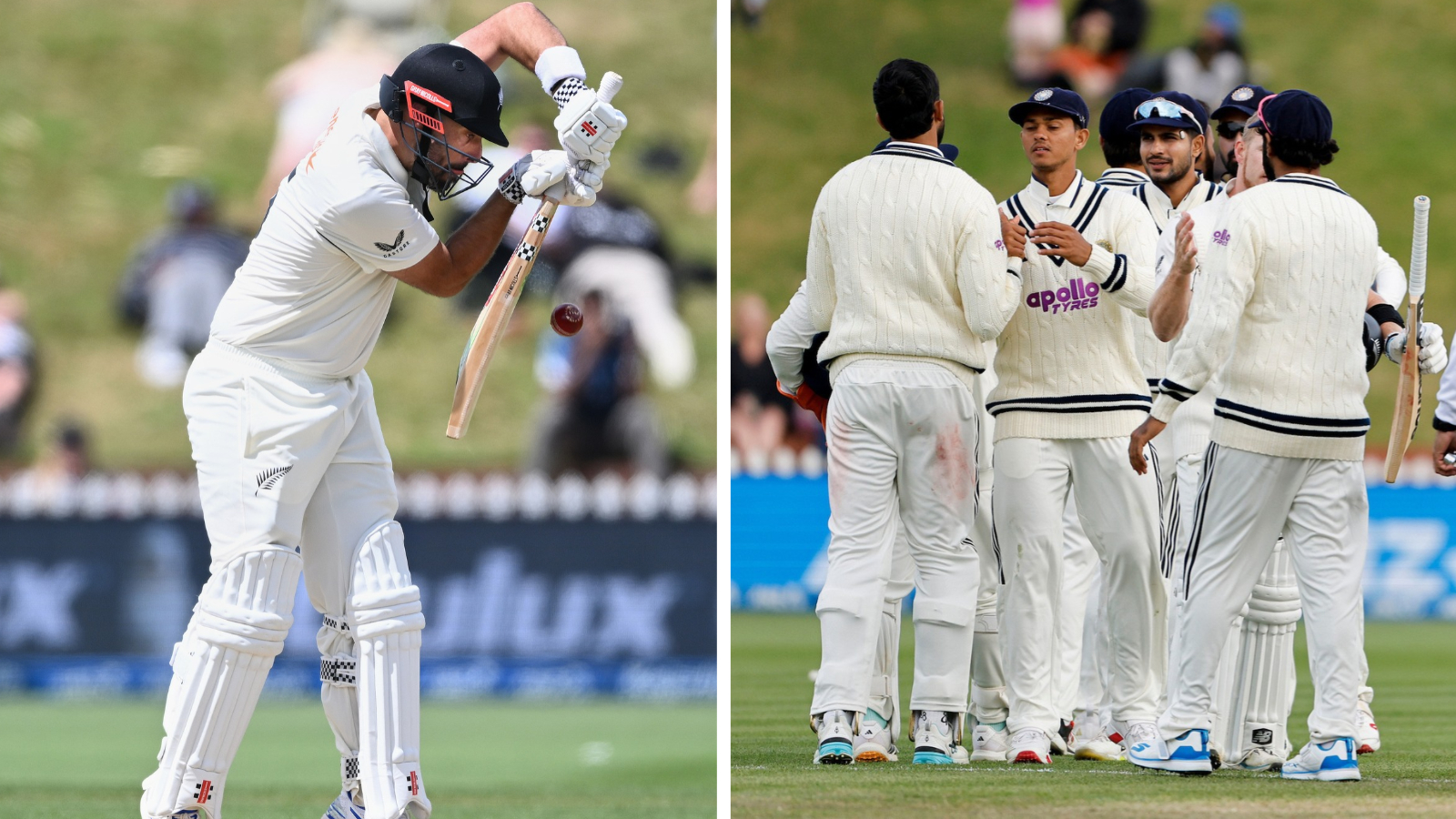
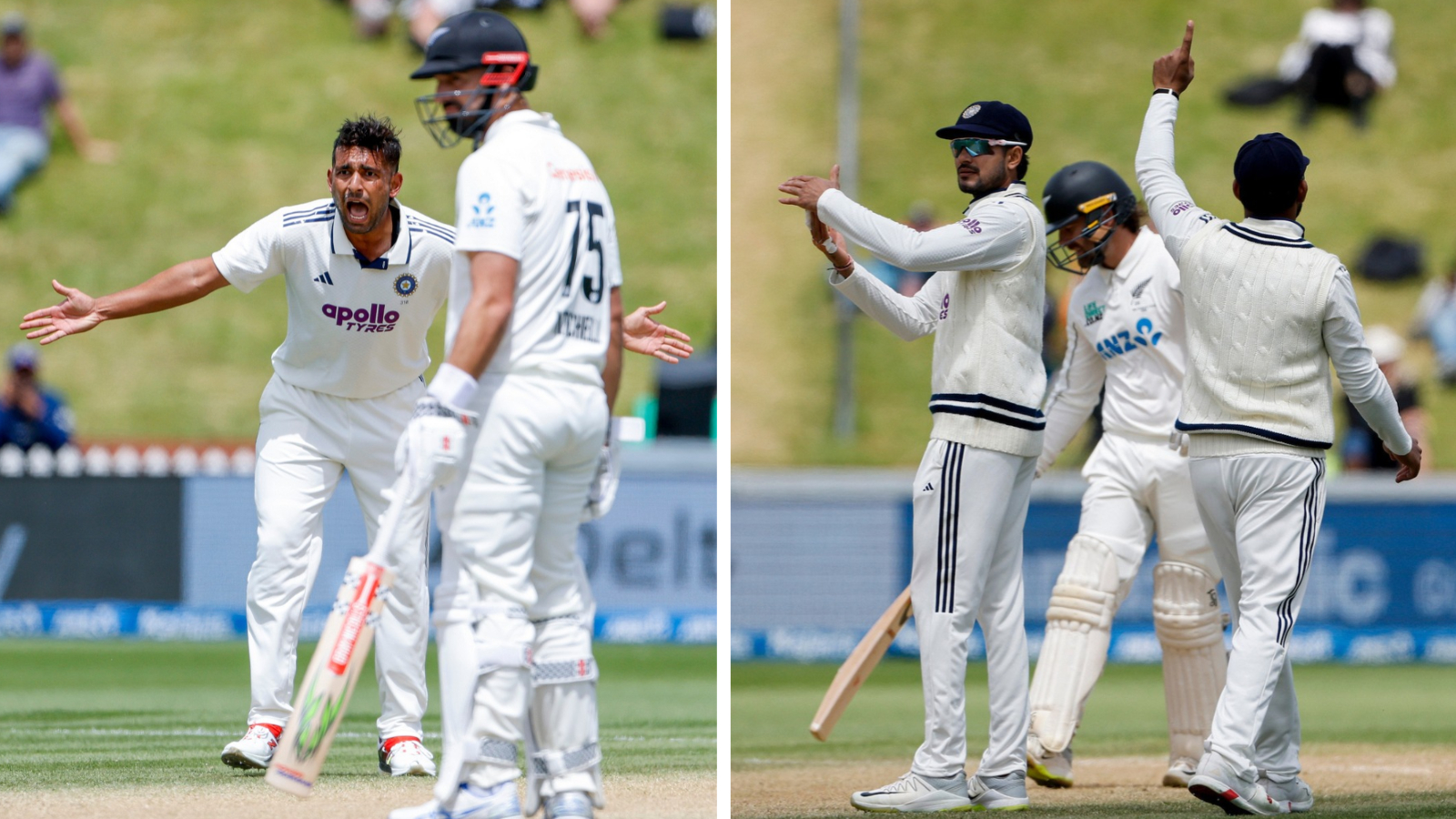
When the Wellington Test began on a green top at Basin Reserve, few would have expected it to end in a draw. India went in with four pacers. And so did New Zealand.
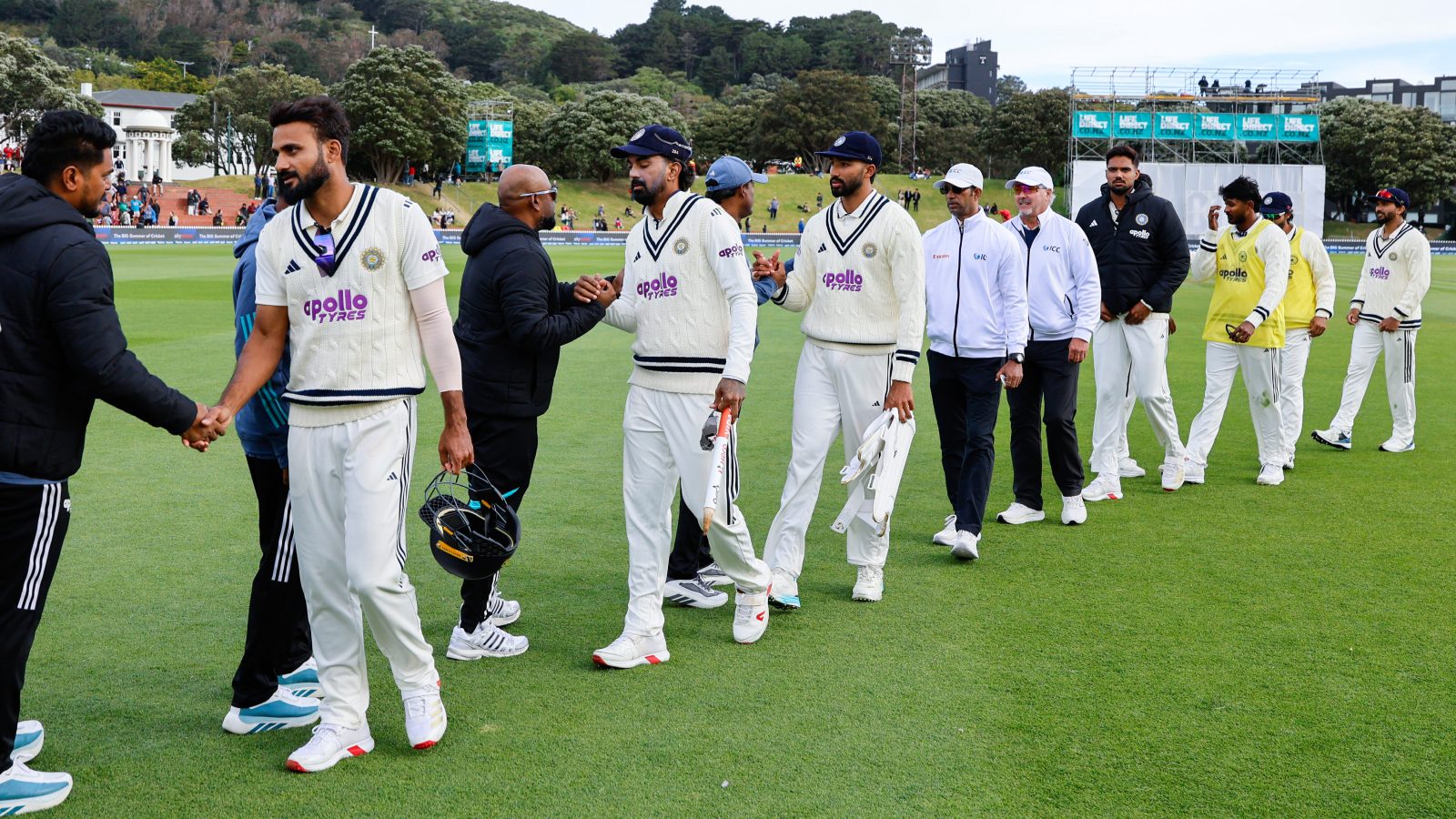
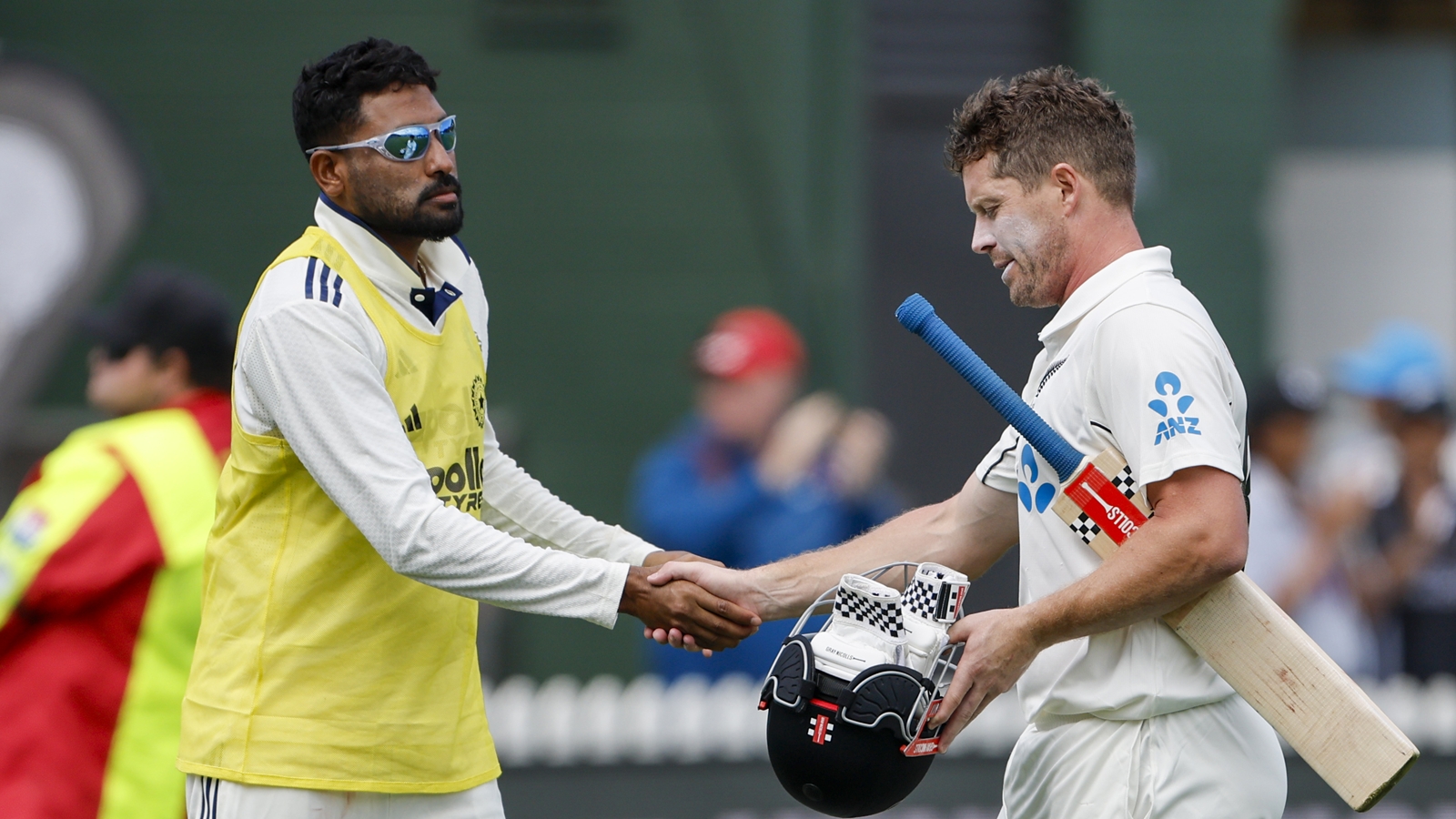
Batting great Sunil Gavaskar, speaking to the host broadcaster soon after Shubman Gil & Co shook hands with the Kiwi batsmen, admitted he expected the Test to get over by Day Four. Instead, after New Zealand sent down 166 overs, India bowled 241 across two innings on a surface that was only getting flatter by the minute.
Could India have waited a bit more before calling for a stalemate when New Zealand had 5 wickets and still 15 overs left in the day? Did India miss the trick by not having a seamer like Mohammed Siraj, who on lifeless pitches has a habit of conjuring magic? These questions may not throw up definitive answers, but it is also pertinent to focus on the pitch at Wellington.
ALSO READ | Daryl Mitchell’s reprieves and a dead pitch hold India to a draw
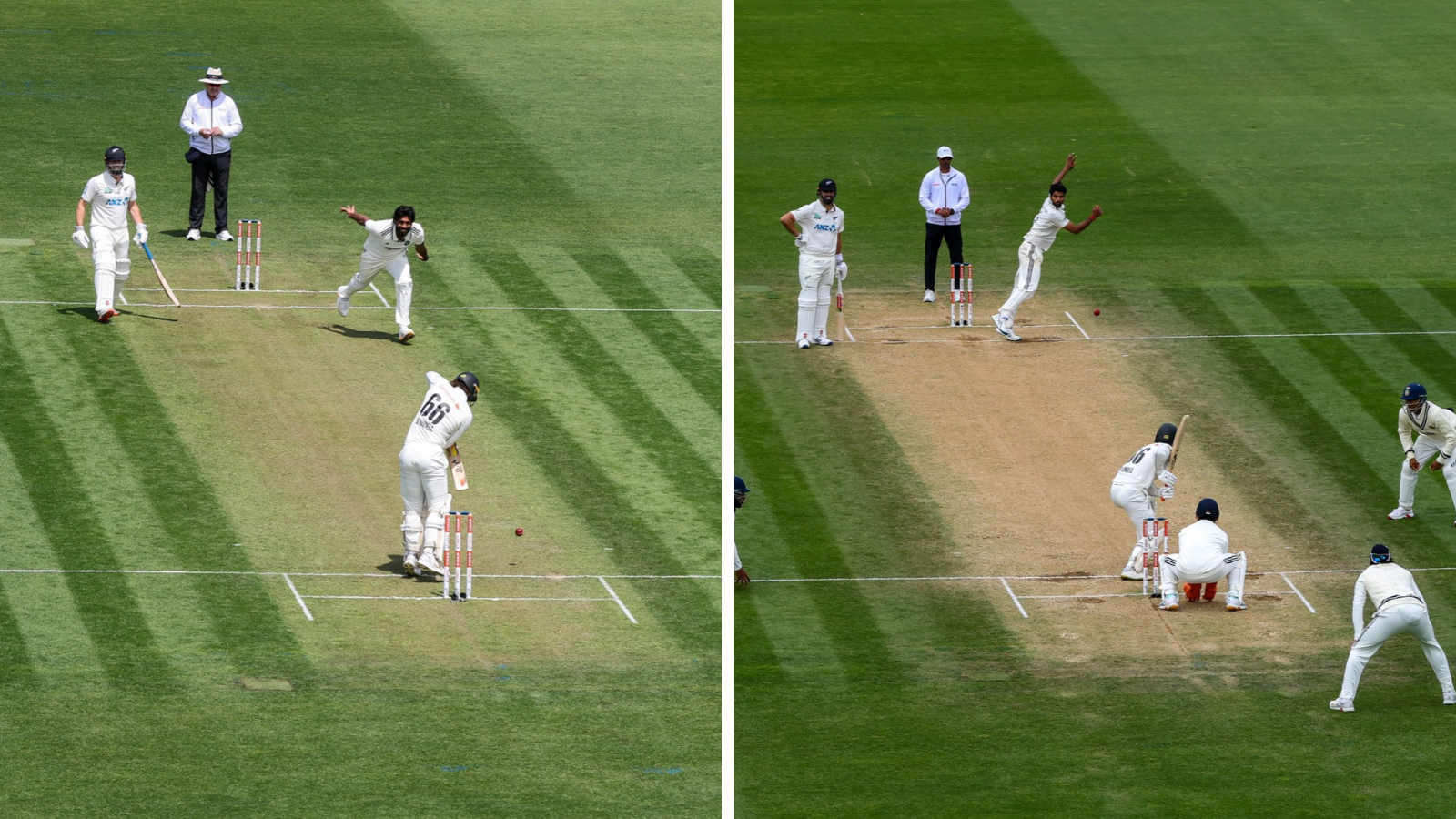
How did a pitch with grass cover flatten out? The answer perhaps lies in the overhead conditions. In England, every summer experts repeatedly say on air, why it is important to not just look at the pitch but also the skies. One of the curators that the Indian Express spoke to explains where it could have gone wrong potentially in Wellington. “When you roll out green tops in England and New Zealand one should always factor the overhead conditions,” the curator explains requesting anonymity. “A Test match pitch should have moisture beneath. So if the conditions are cloudy the moisture will be retained and the bowlers will get help. But if the moisture is available only on the surface (the top layer), there will be movement on Day 1. And if the sky is clear, and the weather is dry, then the moisture will evaporate and the pitch will get flat,” he explains.
Indian cricketers aren’t alien to this. In the Ranji Trophy, particularly during the winter months in northern India, they encounter such surfaces. To make up for the lack of sunlight that is essential to undergo natural wear and tear, the curators tend to roll out green tops where the first innings for both teams become a lottery.
At Wellington, the conditions were not as worse. It wasn’t hot and sunny, but the dryness meant, the moisture was sucked out of the pitch. “Even in England, you face similar surfaces. But over there, thanks to the weather, the conditions change. You will suddenly see a team that was dominating with the bat struggling once the clouds hover above. Even if the moisture level goes down, the ball moves around because of the cloud cover,” the curator says.
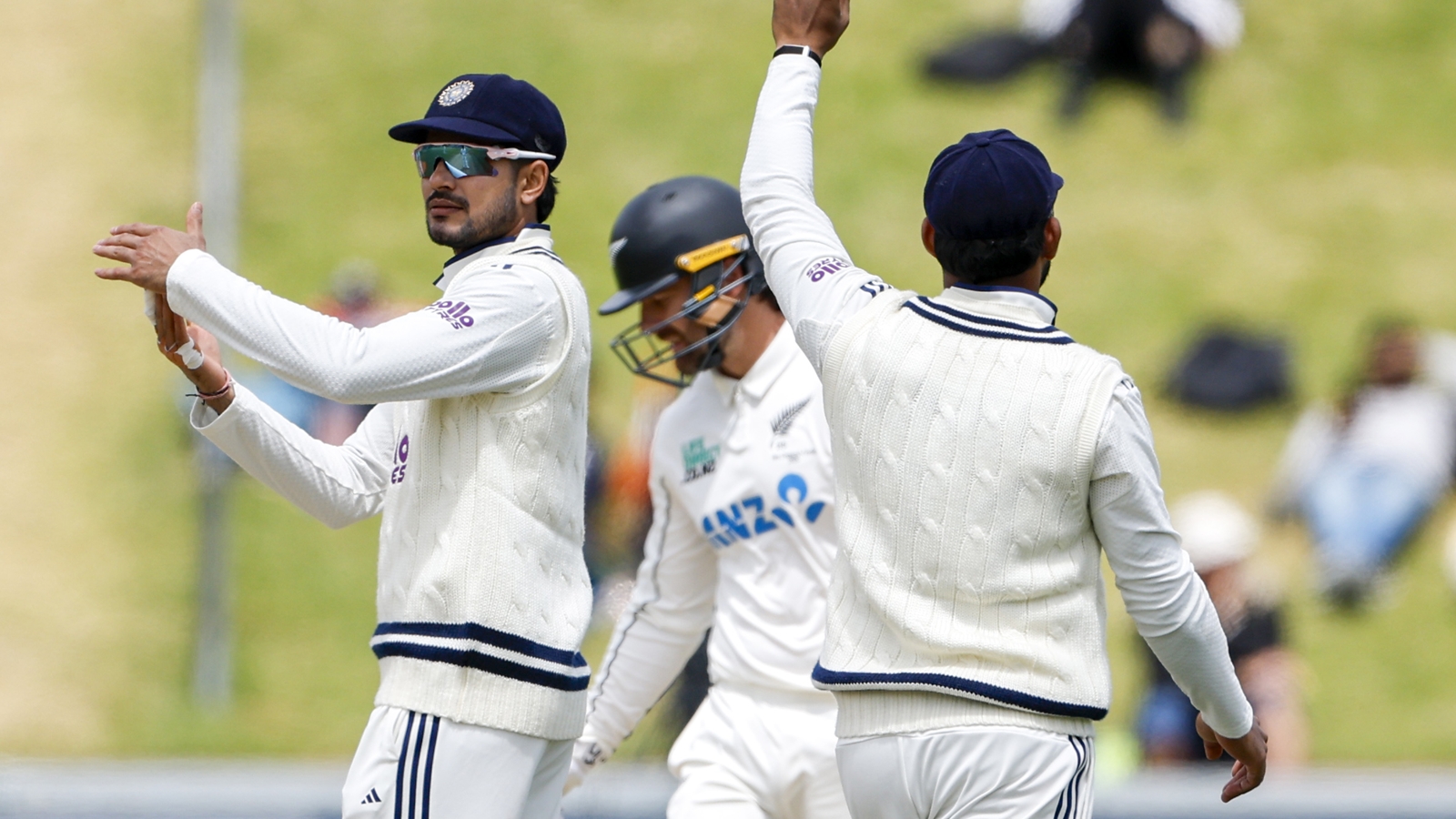
The grass after being rolled over multiple times during the course of the Test, ensured the surface held firm, but didn’t enable the wear and tear. And despite dryness, there was no help for the spinners as well, like Washington Sundar found out while sending down 35 overs in the second innings. So the last remaining hope was that the firmness of the pitch would allow the pacers to use the short-ball and bouncers to good effect like Neil Wagner used to do. Instead, the slowness of it meant, that strategy remained a case of what-if.
India captain Shubman Gill explained what life was like on the pitch for the bowlers. “We bowled 120 overs and I think at least 100 overs we bowled without slips. We didn’t expect that, coming here, playing a Test match in Wellington, that we’d be bowling 100 overs without any slips. And still, I think we were pretty much in the game,” Gill said.
Once each door closed for the bowlers, the Kiwi batsmen ensured they managed to salvage safety out of it.
Stay updated with the latest sports news across Cricket, Football, Chess, and more. Catch all the action with real-time live cricket score updates and in-depth coverage of ongoing matches.
When the Wellington Test began on a green top at Basin Reserve, few would have expected it to end in a draw. India went in with four pacers. And so did New Zealand.
Batting great Sunil Gavaskar, speaking to the host broadcaster soon after Shubman Gil & Co shook hands with the Kiwi batsmen, admitted he expected the Test to get over by Day Four. Instead, after New Zealand sent down 166 overs, India bowled 241 across two innings on a surface that was only getting flatter by the minute.
Could India have waited a bit more before calling for a stalemate when New Zealand had 5 wickets and still 15 overs left in the day? Did India miss the trick by not having a seamer like Mohammed Siraj, who on lifeless pitches has a habit of conjuring magic? These questions may not throw up definitive answers, but it is also pertinent to focus on the pitch at Wellington.
ALSO READ | Daryl Mitchell’s reprieves and a dead pitch hold India to a draw
How did a pitch with grass cover flatten out? The answer perhaps lies in the overhead conditions. In England, every summer experts repeatedly say on air, why it is important to not just look at the pitch but also the skies. One of the curators that the Indian Express spoke to explains where it could have gone wrong potentially in Wellington. “When you roll out green tops in England and New Zealand one should always factor the overhead conditions,” the curator explains requesting anonymity. “A Test match pitch should have moisture beneath. So if the conditions are cloudy the moisture will be retained and the bowlers will get help. But if the moisture is available only on the surface (the top layer), there will be movement on Day 1. And if the sky is clear, and the weather is dry, then the moisture will evaporate and the pitch will get flat,” he explains.
Indian cricketers aren’t alien to this. In the Ranji Trophy, particularly during the winter months in northern India, they encounter such surfaces. To make up for the lack of sunlight that is essential to undergo natural wear and tear, the curators tend to roll out green tops where the first innings for both teams become a lottery.
At Wellington, the conditions were not as worse. It wasn’t hot and sunny, but the dryness meant, the moisture was sucked out of the pitch. “Even in England, you face similar surfaces. But over there, thanks to the weather, the conditions change. You will suddenly see a team that was dominating with the bat struggling once the clouds hover above. Even if the moisture level goes down, the ball moves around because of the cloud cover,” the curator says.
The grass after being rolled over multiple times during the course of the Test, ensured the surface held firm, but didn’t enable the wear and tear. And despite dryness, there was no help for the spinners as well, like Washington Sundar found out while sending down 35 overs in the second innings. So the last remaining hope was that the firmness of the pitch would allow the pacers to use the short-ball and bouncers to good effect like Neil Wagner used to do. Instead, the slowness of it meant, that strategy remained a case of what-if.
India captain Shubman Gill explained what life was like on the pitch for the bowlers. “We bowled 120 overs and I think at least 100 overs we bowled without slips. We didn’t expect that, coming here, playing a Test match in Wellington, that we’d be bowling 100 overs without any slips. And still, I think we were pretty much in the game,” Gill said.
Once each door closed for the bowlers, the Kiwi batsmen ensured they managed to salvage safety out of it.