

Sooryavanshi 2.0: In only 6th game, Vaibhav shows unexplored facet of his batting
Vaibhav Sooryavanshi scored a stunning 81 in the third T20I between India and Zimbabwe. However, more than the runs he scored, the manner in which he did will impress the team management.
The cricketing world has quickly come to associate Vaibhav Sooryavanshi with one thing — boundaries. Fours punched through the infield, towering sixes into the stands and an ultra-aggressive approach that leaves bowlers with little room to settle into a rhythm. At 15, he has already forged a reputation for measuring innings not in runs, but in the damage they leave behind.
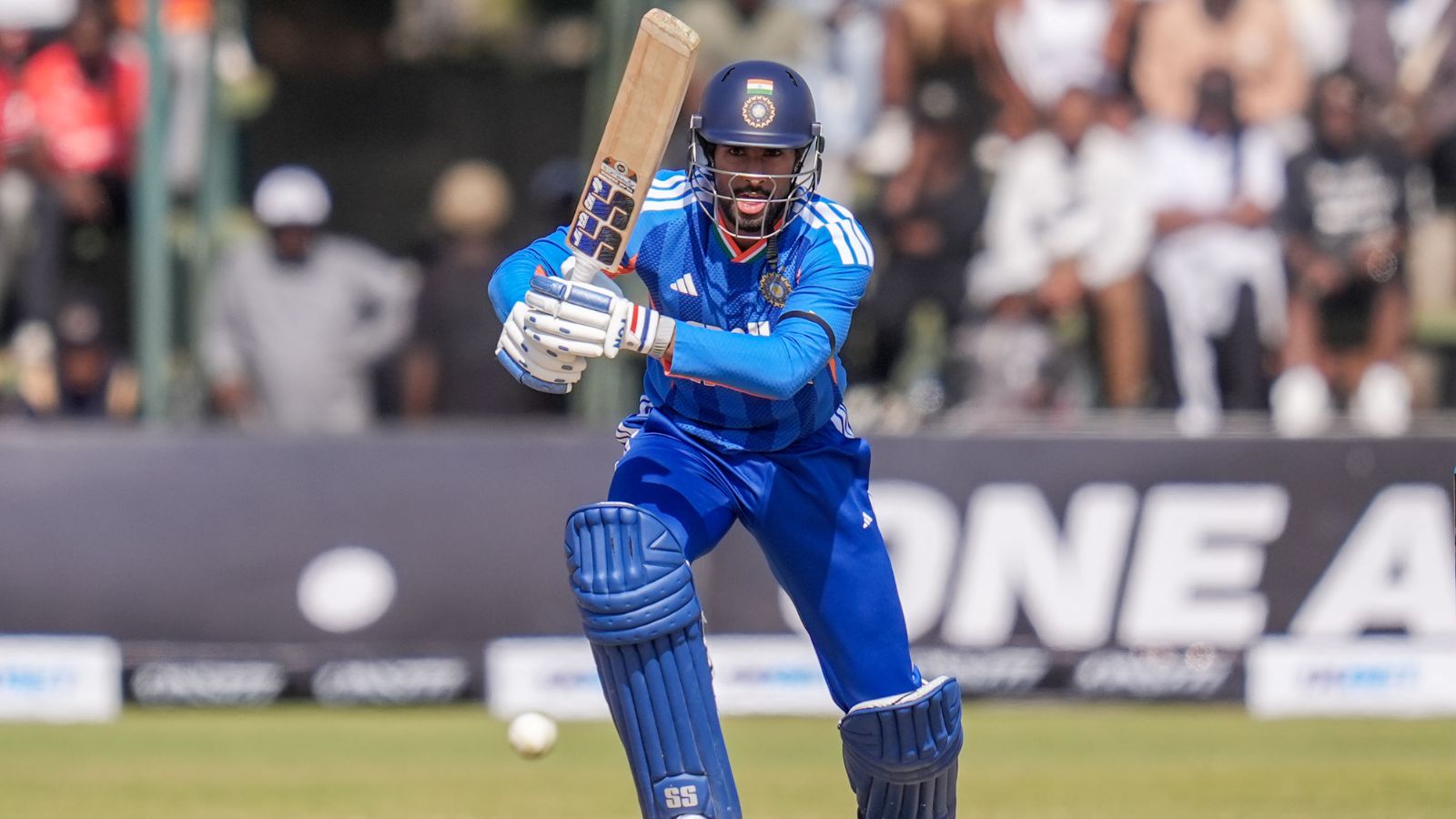
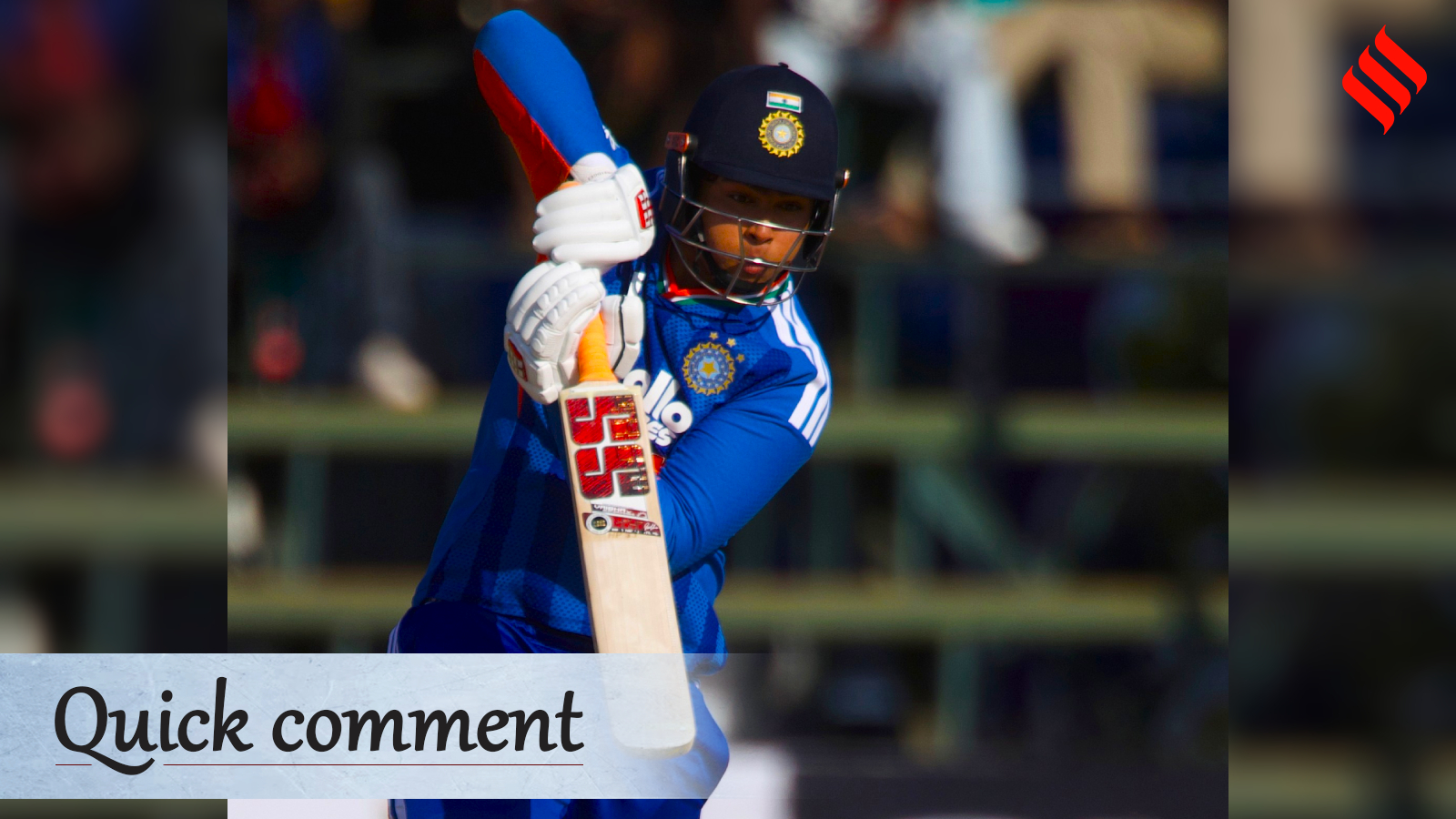
On Sunday, however, in the third T20I against Zimbabwe, Sooryavanshi revealed another side to his batting. While the boundaries were still there in his 81 off 49 balls, beneath the spectacle lay an innings built on patience, strike rotation and game awareness. It was a knock that suggested there is far more to his game than brute force.
There were still moments that reminded everyone why he is regarded as one of most exciting young batters in the world. Blessing Muzarabani banged one into his body, and Sooryavanshi swivelled into a pull that disappeared over backward square leg. Wellington Masakadza floated one into his arc, and it sailed over deep midwicket. Wessly Madhevere was driven straight before being reverse-swept to the fence the very next ball.
Those shots were in line with Sooryavanshi’s penchant for living on the edge. But while they were spectacular, the defining feature was everything in between.
Unlike many of his previous knocks, Sooryavanshi was content collecting singles. Of his 81 runs, 19 came through singles and six more through three twos, underlining a willingness to keep the scoreboard ticking instead of searching for a boundary every ball. He repeatedly pushed the ball into the deep, trusted the gaps and rotated the strike. From nudging Sikandar Raza to deep midwicket, tapping Wellington Masakadza into the off side, working Brian Bennett into the leg side and driving Wessly Madhevere into the covers, he was constantly denying Zimbabwe the chance to build pressure.
There was another noticeable shift. He appeared willing to respect good bowling.
Muzarabani repeatedly challenged him with hard lengths and yorkers. Earlier versions of Sooryavanshi may have continued swinging through the line regardless of the outcome. Today, however, he was happy to be beaten outside off, defend the yorker or settle for a single when the opportunity arose. Dot balls did not automatically trigger a high-risk response.
His shot selection against spin also stood out.
Zimbabwe’s spinners rarely offered freebies after the powerplay, but Sooryavanshi resisted the temptation to manufacture boundaries every over.
Instead, he manipulated the field. The reverse sweep appeared not as a desperate option but as a calculated scoring shot, first fetching a couple over point before later producing a boundary behind backward point. He drove when the ball was overpitched, cut only when width was available and rarely looked rushed.
Perhaps the biggest takeaway was his tempo. There was no visible panic when the boundaries briefly dried up. He trusted that singles would keep him ahead of the game before accelerating once the bowlers missed their lengths. His fifty came off 31 balls, but he built towards it rather than merely blasting his way there.
That represents an important evolution.
For young power hitters, the challenge is rarely clearing the ropes. It is learning to build an innings — absorbing pressure, rotating strike and then capitalising when bowlers err. T20 cricket is as much about denying bowlers control as it is about overpowering them, and strike rotation, game awareness and selective aggression often separate explosive talents from complete batsmen.
Sooryavanshi’s innings suggested he is beginning to appreciate that distinction. The swagger remained, but so did the discipline. India have never doubted his ability to change a game in 20 deliveries. Against Zimbabwe, he hinted that he can also shape one over the course of an innings. His 81 was less about the number beside his name than the manner in which he compiled it.
That could prove to be an even more significant development than another eye-catching score.
Stay updated with the latest sports news across Cricket, Football, Chess, and more. Catch all the action with real-time live cricket score updates and in-depth coverage of ongoing matches.
The cricketing world has quickly come to associate Vaibhav Sooryavanshi with one thing — boundaries. Fours punched through the infield, towering sixes into the stands and an ultra-aggressive approach that leaves bowlers with little room to settle into a rhythm. At 15, he has already forged a reputation for measuring innings not in runs, but in the damage they leave behind.
On Sunday, however, in the third T20I against Zimbabwe, Sooryavanshi revealed another side to his batting. While the boundaries were still there in his 81 off 49 balls, beneath the spectacle lay an innings built on patience, strike rotation and game awareness. It was a knock that suggested there is far more to his game than brute force.
There were still moments that reminded everyone why he is regarded as one of most exciting young batters in the world. Blessing Muzarabani banged one into his body, and Sooryavanshi swivelled into a pull that disappeared over backward square leg. Wellington Masakadza floated one into his arc, and it sailed over deep midwicket. Wessly Madhevere was driven straight before being reverse-swept to the fence the very next ball.
Those shots were in line with Sooryavanshi’s penchant for living on the edge. But while they were spectacular, the defining feature was everything in between.
Unlike many of his previous knocks, Sooryavanshi was content collecting singles. Of his 81 runs, 19 came through singles and six more through three twos, underlining a willingness to keep the scoreboard ticking instead of searching for a boundary every ball. He repeatedly pushed the ball into the deep, trusted the gaps and rotated the strike. From nudging Sikandar Raza to deep midwicket, tapping Wellington Masakadza into the off side, working Brian Bennett into the leg side and driving Wessly Madhevere into the covers, he was constantly denying Zimbabwe the chance to build pressure.
There was another noticeable shift. He appeared willing to respect good bowling.
Muzarabani repeatedly challenged him with hard lengths and yorkers. Earlier versions of Sooryavanshi may have continued swinging through the line regardless of the outcome. Today, however, he was happy to be beaten outside off, defend the yorker or settle for a single when the opportunity arose. Dot balls did not automatically trigger a high-risk response.
His shot selection against spin also stood out.
Zimbabwe’s spinners rarely offered freebies after the powerplay, but Sooryavanshi resisted the temptation to manufacture boundaries every over.
Instead, he manipulated the field. The reverse sweep appeared not as a desperate option but as a calculated scoring shot, first fetching a couple over point before later producing a boundary behind backward point. He drove when the ball was overpitched, cut only when width was available and rarely looked rushed.
Perhaps the biggest takeaway was his tempo. There was no visible panic when the boundaries briefly dried up. He trusted that singles would keep him ahead of the game before accelerating once the bowlers missed their lengths. His fifty came off 31 balls, but he built towards it rather than merely blasting his way there.
That represents an important evolution.
For young power hitters, the challenge is rarely clearing the ropes. It is learning to build an innings — absorbing pressure, rotating strike and then capitalising when bowlers err. T20 cricket is as much about denying bowlers control as it is about overpowering them, and strike rotation, game awareness and selective aggression often separate explosive talents from complete batsmen.
Sooryavanshi’s innings suggested he is beginning to appreciate that distinction. The swagger remained, but so did the discipline. India have never doubted his ability to change a game in 20 deliveries. Against Zimbabwe, he hinted that he can also shape one over the course of an innings. His 81 was less about the number beside his name than the manner in which he compiled it.
That could prove to be an even more significant development than another eye-catching score.