

Why Gill’s frustration on saliva ban finds echoes amongst bowlers and coaches
Mohammed Shami felt it was time to allow bowlers to use saliva on the ball again
“I don’t understand why we haven’t been allowed to shine the ball yet. We are way past COVID times. There was a rule that you can’t put saliva on the ball to make it shine. It’s been seven-eight years, and I still don’t understand why they are not allowing it.”
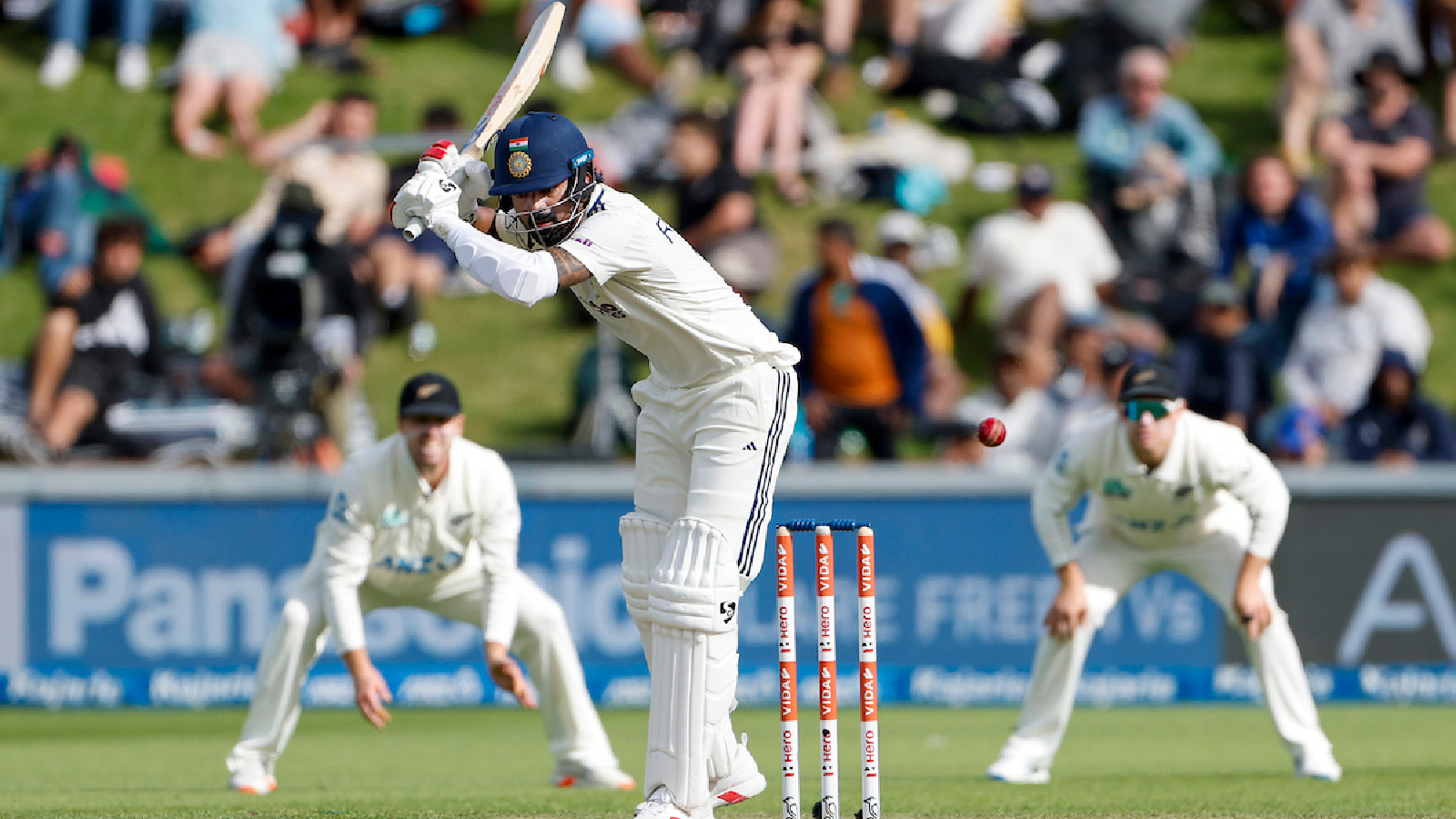
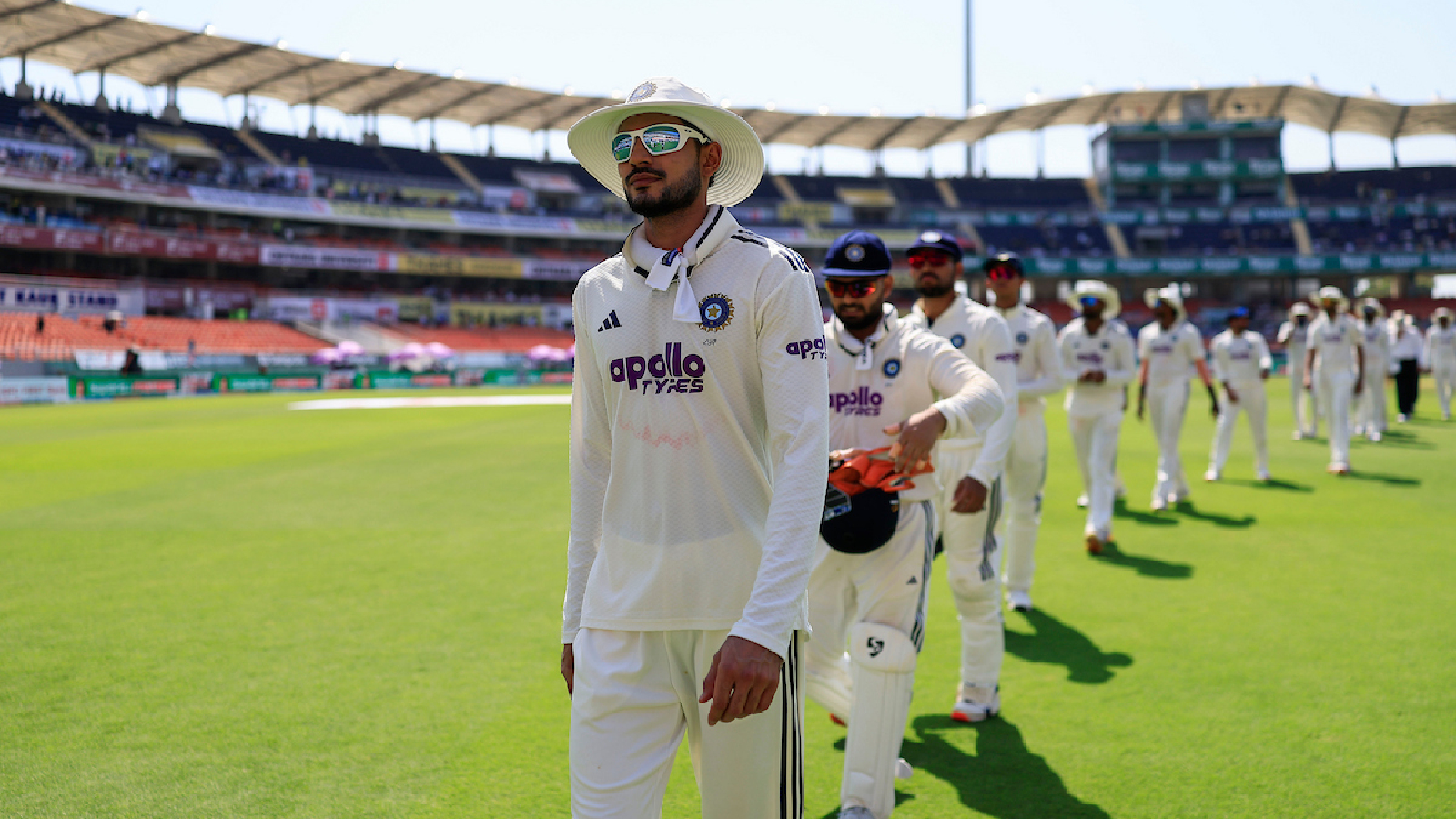
Shubman Gill’s frustration was understandable. India had put themselves in a strong position in the first Test against New Zealand at Wellington, but their bowlers could not take the remaining five wickets on the final day. The result prompted the India captain to question why the restriction on using saliva to shine the ball was still in place.
Mohammed Shami, who announced his retirement from Test cricket earlier this month, agreed with Gill. The former India fast bowler felt it was time to allow bowlers to use saliva on the ball again.
“Thoda mazaa aaye red ball mein,” (Let us have some fun with the red ball too), Shami said after Bengal’s Syed Mushtaq Ali Trophy match against Rajasthan in Mumbai, on Thursday.
The ICC introduced the ban in 2020 as a temporary measure to reduce the risk of Covid-19 transmission when cricket resumed. In September 2022, they made the restriction on saliva permanent.
Former India bowling coach Paras Mhambrey also felt the decision needed to be reconsidered.
“In the last Test match, 600-700 runs were scored. It is just going one way. I do agree with Gill. I feel for him. There should be some balance. I understand a few years back, when we had Covid, there was a concern in terms of spread. I agree it should be considered,” Mhambrey told The Indian Express.
Mhambrey was careful to separate the use of saliva to shine the ball from any form of ball tampering.
“I am not heading towards the tampering bit. You used to have sweat and saliva, and it did work. So, can we look at it? We should be looking at it,” he added.
For Mhambrey, the problem is not limited to the saliva rule. He feels bowlers have fewer options once the early assistance from the pitch fades.
“Seamers are good at 30-odd overs, the initial 30 overs, when there is seam movement or swing, but think about post-30 overs when the seam is flat, flat wickets and spinners coming in; I think there is nothing for them to look forward to,” he said.
The conditions are not the same everywhere. On some Indian pitches, particularly those with red soil and little grass, the ball can wear down naturally, giving bowlers an opportunity to look for reverse swing.
“In India, if there’s not much grass, the red soil sometimes gets the ball scuffed up. It’s easier, quicker, and you still can get reverse swing,” Mhambrey said.
That kind of natural wear and tear may not be available on every surface. Mhambrey pointed to the Kookaburra ball as an example of why maintaining its condition in the early overs is important.
“If you are going to play with the Kookaburra ball, you have to maintain the shine. I know I need to maintain the ball till the 30th over. The seam is still slightly upright. So there is a possibility of getting swing,” he said.
How a bowler looks after the ball depends on the conditions and the movement he is trying to get. He can keep one side shiny to seek conventional swing or allow the ball to scuff up if he wants to try for reverse swing. It is a tactical call that can change as the innings progresses.
“If I’m playing on a surface where I know reverse will come in, that’s a typical call that a bowler will make. He’ll say, ‘I want to get reverse early.’ That’s a tactical thing,” Mhambrey said.
For Mhambrey, the concern is that bowlers should have something to work with when the pitch offers little help. The saliva ban was introduced for a specific reason during the pandemic, but he believed the game should now review whether the restriction is still necessary. Ultimately, the idea is to give bowlers a better chance, even when the pitch stops helping them as the match goes on.
Stay updated with the latest sports news across Cricket, Football, Chess, and more. Catch all the action with real-time live cricket score updates and in-depth coverage of ongoing matches.
“I don’t understand why we haven’t been allowed to shine the ball yet. We are way past COVID times. There was a rule that you can’t put saliva on the ball to make it shine. It’s been seven-eight years, and I still don’t understand why they are not allowing it.”
Shubman Gill’s frustration was understandable. India had put themselves in a strong position in the first Test against New Zealand at Wellington, but their bowlers could not take the remaining five wickets on the final day. The result prompted the India captain to question why the restriction on using saliva to shine the ball was still in place.
Mohammed Shami, who announced his retirement from Test cricket earlier this month, agreed with Gill. The former India fast bowler felt it was time to allow bowlers to use saliva on the ball again.
“Thoda mazaa aaye red ball mein,” (Let us have some fun with the red ball too), Shami said after Bengal’s Syed Mushtaq Ali Trophy match against Rajasthan in Mumbai, on Thursday.
The ICC introduced the ban in 2020 as a temporary measure to reduce the risk of Covid-19 transmission when cricket resumed. In September 2022, they made the restriction on saliva permanent.
Former India bowling coach Paras Mhambrey also felt the decision needed to be reconsidered.
“In the last Test match, 600-700 runs were scored. It is just going one way. I do agree with Gill. I feel for him. There should be some balance. I understand a few years back, when we had Covid, there was a concern in terms of spread. I agree it should be considered,” Mhambrey told The Indian Express.
Mhambrey was careful to separate the use of saliva to shine the ball from any form of ball tampering.
“I am not heading towards the tampering bit. You used to have sweat and saliva, and it did work. So, can we look at it? We should be looking at it,” he added.
For Mhambrey, the problem is not limited to the saliva rule. He feels bowlers have fewer options once the early assistance from the pitch fades.
“Seamers are good at 30-odd overs, the initial 30 overs, when there is seam movement or swing, but think about post-30 overs when the seam is flat, flat wickets and spinners coming in; I think there is nothing for them to look forward to,” he said.
The conditions are not the same everywhere. On some Indian pitches, particularly those with red soil and little grass, the ball can wear down naturally, giving bowlers an opportunity to look for reverse swing.
“In India, if there’s not much grass, the red soil sometimes gets the ball scuffed up. It’s easier, quicker, and you still can get reverse swing,” Mhambrey said.
That kind of natural wear and tear may not be available on every surface. Mhambrey pointed to the Kookaburra ball as an example of why maintaining its condition in the early overs is important.
“If you are going to play with the Kookaburra ball, you have to maintain the shine. I know I need to maintain the ball till the 30th over. The seam is still slightly upright. So there is a possibility of getting swing,” he said.
How a bowler looks after the ball depends on the conditions and the movement he is trying to get. He can keep one side shiny to seek conventional swing or allow the ball to scuff up if he wants to try for reverse swing. It is a tactical call that can change as the innings progresses.
“If I’m playing on a surface where I know reverse will come in, that’s a typical call that a bowler will make. He’ll say, ‘I want to get reverse early.’ That’s a tactical thing,” Mhambrey said.
For Mhambrey, the concern is that bowlers should have something to work with when the pitch offers little help. The saliva ban was introduced for a specific reason during the pandemic, but he believed the game should now review whether the restriction is still necessary. Ultimately, the idea is to give bowlers a better chance, even when the pitch stops helping them as the match goes on.