

Not variety, but taking 20 wickets should be India’s priority
At Wellington, India went in with a rounded attack that didn't necessarily complement the conditions, and at Christchurch they need to get their combination right
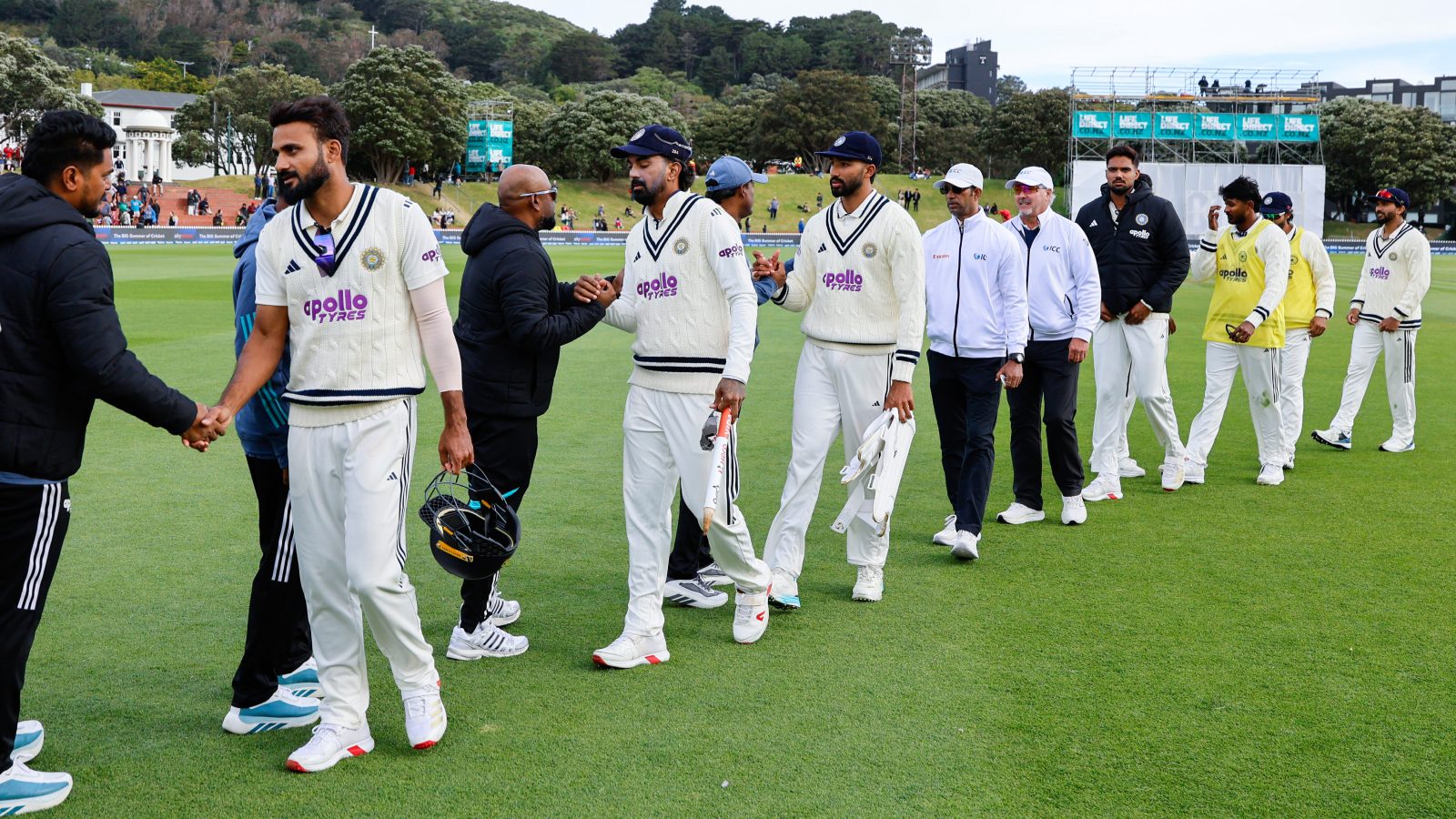
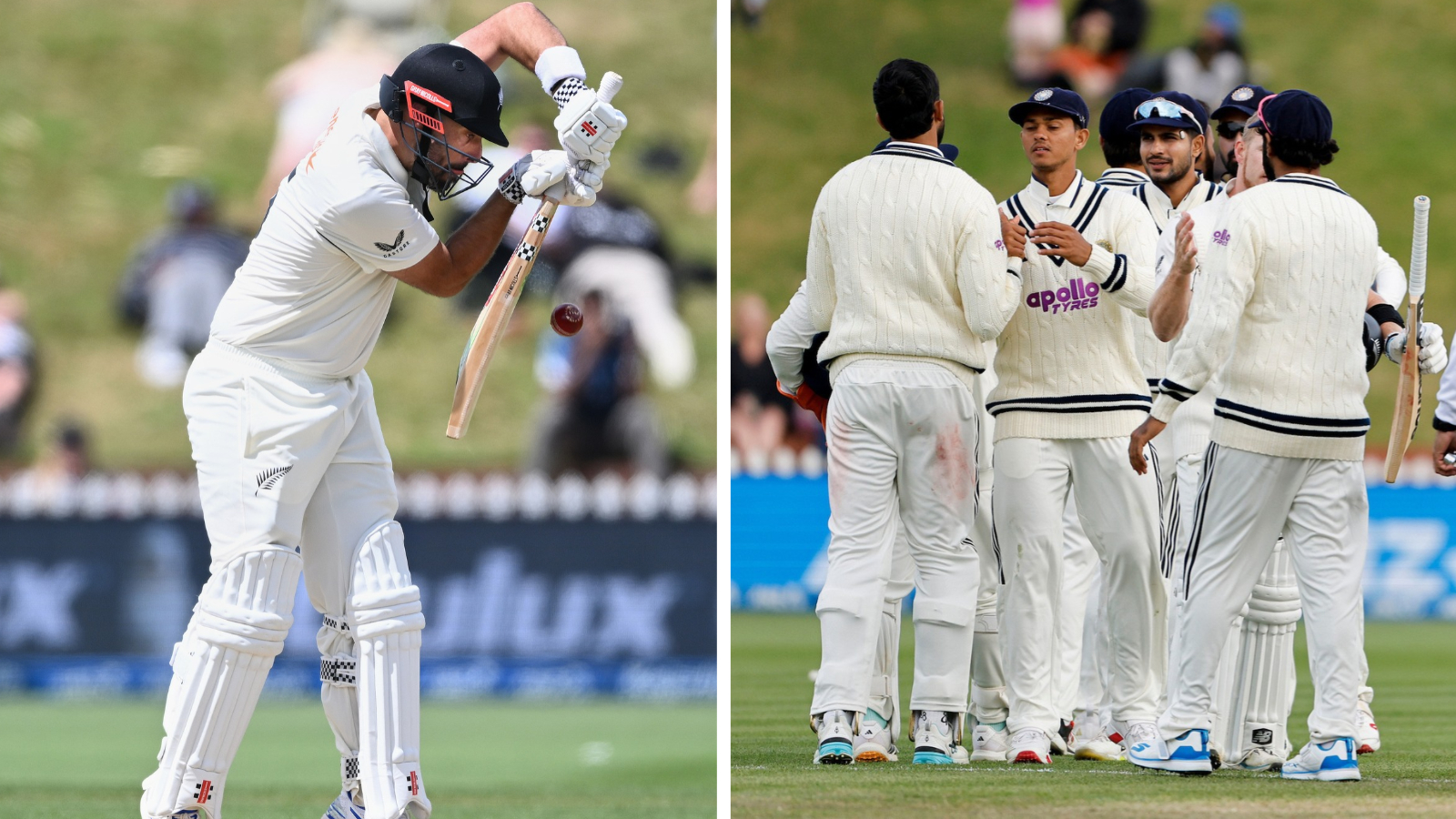
The lasting images remained the same at Basin Reserve, SSC and Leeds. Shubman Gill fretting, fielders moving pensively, Gautam Gambhir fiddling with his cap, and bowlers weary to even kick the turf in anger. On all three instances, in dissimilar conditions, in cities literally poles apart, India’s bowlers suffered a familiar angst. They couldn’t bowl out batsmen on the final day of Test matches, impeding their upward mobility on the WTC table. At Leeds they lost, defending 371; in SSC and Basin Reserve, they settled for stalemates.
All three times, the surface was lifeless, luck slippery, and the conditions oppressive for bowlers. After the Basin Reserve draw, Gill cursed the surface, ranted at the Kookaburra ball’s premature softening, and even suggested revoking the ban on using saliva to polish the ball, introduced since the pandemic. He deserves some sympathy, but his (not him specifically but the team’s decision makers) biggest enemy was an intrinsically defensive mindset. The fear of losing.
It dictates decisions in not only moments where an extra push of aggression could have brought his bowlers a wicket or two, but also in not picking a band of bowlers able to take 20 wickets in a game. There are days when even the most fearsome bowling establishments struggle to bowl out oppositions twice. But it has been a recurring theme, unless the surface and batsmen (read England’s Bazball-drunk revellers) too conspired, since the tour to Australia. One in every four innings, they have struggled to bowl out their opponents.
The metaphor of India’s defensive inclinations could be Mohammed Siraj’s exclusion. Siraj is, when in rhythm and free of niggles, which the bowler himself is the best person to tell, offers potency that only Jasprit Bumrah could better. Whether he is experiencing a decline in form, as Gill reasoned in the post-match press conference, he offers unquestionable wicket-taking threat. Unless Gill and coaches, obviously better judges of Siraj’s shape and condition than the lay audience, found compelling reasons to bench him, his omission was forthrightly cynical.
It left India with a callow condition-dependent seam-crew. Set-patterns defined the choices. Bumrah, irrefutably, is the prize-horse. Then the conventions took over. The skiddy accomplice. Wink in Akash Deep. The tall hit-the-deck mean guy. Enter Prasidh Krishna. A tie-an-end-up throttler who could bat a bit. Welcome Anshul Kamboj. The token spinner in the side, who could masquerade as a pure batsman too. Hello, Washington Sundar. The classifications look impressive on paper. The reality was different.
Among the five, in the conditions that prevailed, there were only two bowlers who looked as though they could take a wicket every time they steamed in. Bumrah and Akash Deep. Prasidh looked occasionally penetrative, but was largely scattergun. When not erring with the lengths, he messes up his lines. He possesses all the attributes to be a high-class Test seamer, but those various gifts don’t align consistently enough for batsmen to dread him. An economy rate of 3.94 is indefensible for a Test bowler. One in every six innings has he bled 100 runs, capturing a shocking account of scattergun tendencies. A few fours in exchange of a wicket or two is smart bargain, but Prasidh, often, leaks more runs than the team tolerates and snares fewer scalps than his team desires.
Strangling runs is essential too. Kamboj relished the throttle act. He bowled uncomplainingly against the wind, fulfilled the defending duties impressively, conceding only 2.5 runs an over in the match, and put in long shifts tirelessly. But he carried little wicket-taking verve. His pace dropped dramatically during the second and third spells. Batsmen milked singles and doubles without fuss, although he dried up the fours.
Inevitably, his batting utility leveraged his stocks. Lower-order runs could bail out teams in calamity. But they don’t win games. Wickets do, especially on a surface as benign as Basin Reserve for the first Test. Kamboj could be an ideal fourth seamer on a spicy surface, like Shardul Thakur in India’s tour to England in 2021. But less so on flatbeds, where India required a craftier seamer. Someone who could extract pace from the dead surface, purchase extra bounce or seam off the surface. Whether the yet-to-debut Gurnoor Brar would have been a better alternative is a matter of conjecture, but he would have hypothetically offered more wicket-taking with his natural bounce and pace threat than Kamboj on a lifeless surface. Even a first-class average of 13 with the bat is not an advertisement for batting value.
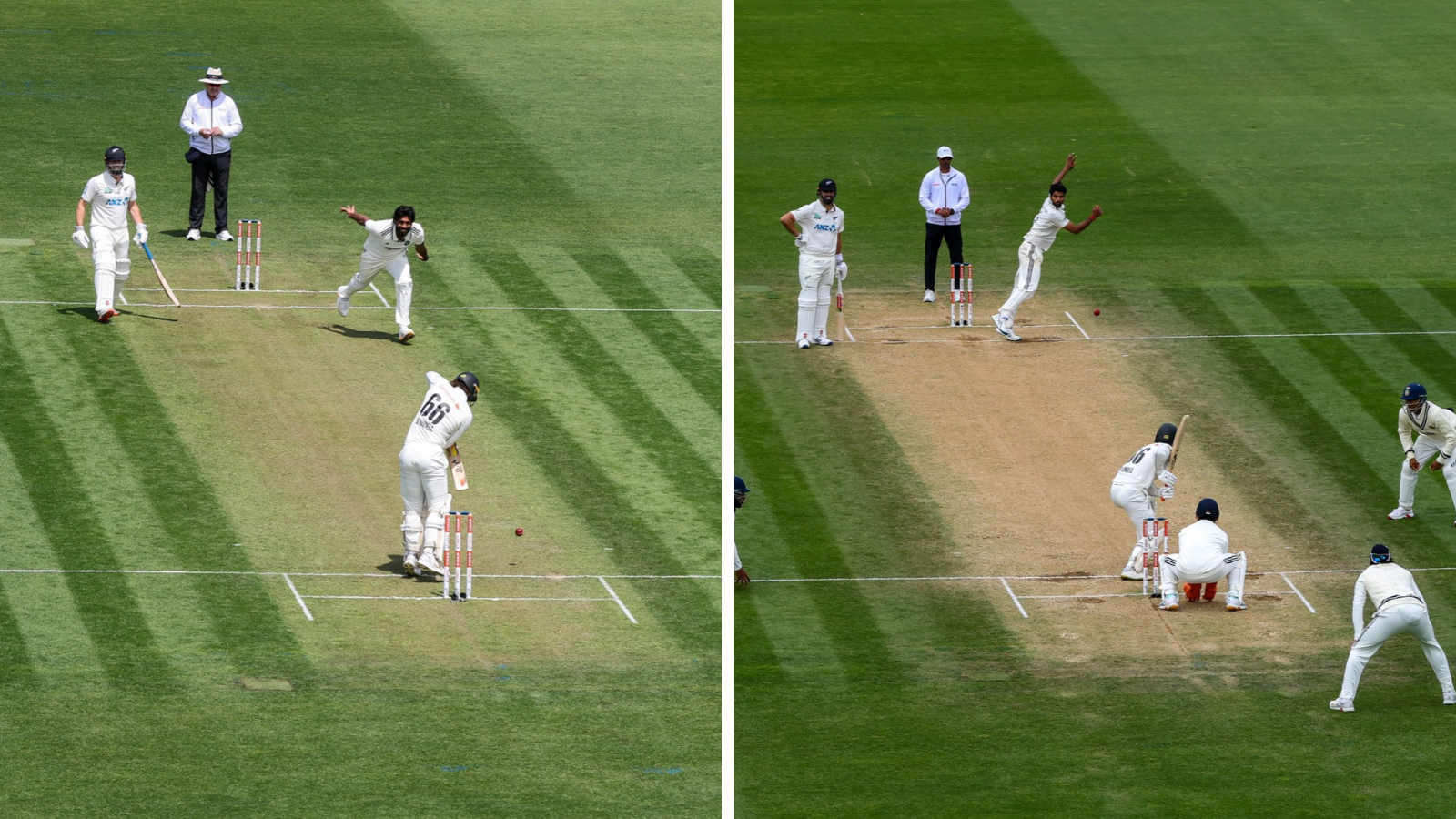
Perhaps, the optics of the surface on match eve deluded them India into presuming that the ball will bend round the corners all along the game. But great teams plan, and imagine. They didn’t envisage a fifth-day slugfest, they didn’t account for Ravindra Jadeja bowling on the final day, tricking batsmen with change of angles and pace, or put it more bluntly, they didn’t prioritise picking up 20 wickets. Instead, they feared batting shutdowns. And they paid the price for flouting Test cricket’s principal axiom. That bowlers win matches. Unless India shake off their defensive inclinations, Leeds, SSC and Basin Reserve could recur, leaving them gasping for the WTC mace.
4 One in every four innings have India not bowled out their opponent in an overseas Test since the tour of Australia
Stay updated with the latest sports news across Cricket, Football, Chess, and more. Catch all the action with real-time live cricket score updates and in-depth coverage of ongoing matches.
The lasting images remained the same at Basin Reserve, SSC and Leeds. Shubman Gill fretting, fielders moving pensively, Gautam Gambhir fiddling with his cap, and bowlers weary to even kick the turf in anger. On all three instances, in dissimilar conditions, in cities literally poles apart, India’s bowlers suffered a familiar angst. They couldn’t bowl out batsmen on the final day of Test matches, impeding their upward mobility on the WTC table. At Leeds they lost, defending 371; in SSC and Basin Reserve, they settled for stalemates.
All three times, the surface was lifeless, luck slippery, and the conditions oppressive for bowlers. After the Basin Reserve draw, Gill cursed the surface, ranted at the Kookaburra ball’s premature softening, and even suggested revoking the ban on using saliva to polish the ball, introduced since the pandemic. He deserves some sympathy, but his (not him specifically but the team’s decision makers) biggest enemy was an intrinsically defensive mindset. The fear of losing.
It dictates decisions in not only moments where an extra push of aggression could have brought his bowlers a wicket or two, but also in not picking a band of bowlers able to take 20 wickets in a game. There are days when even the most fearsome bowling establishments struggle to bowl out oppositions twice. But it has been a recurring theme, unless the surface and batsmen (read England’s Bazball-drunk revellers) too conspired, since the tour to Australia. One in every four innings, they have struggled to bowl out their opponents.
The metaphor of India’s defensive inclinations could be Mohammed Siraj’s exclusion. Siraj is, when in rhythm and free of niggles, which the bowler himself is the best person to tell, offers potency that only Jasprit Bumrah could better. Whether he is experiencing a decline in form, as Gill reasoned in the post-match press conference, he offers unquestionable wicket-taking threat. Unless Gill and coaches, obviously better judges of Siraj’s shape and condition than the lay audience, found compelling reasons to bench him, his omission was forthrightly cynical.
It left India with a callow condition-dependent seam-crew. Set-patterns defined the choices. Bumrah, irrefutably, is the prize-horse. Then the conventions took over. The skiddy accomplice. Wink in Akash Deep. The tall hit-the-deck mean guy. Enter Prasidh Krishna. A tie-an-end-up throttler who could bat a bit. Welcome Anshul Kamboj. The token spinner in the side, who could masquerade as a pure batsman too. Hello, Washington Sundar. The classifications look impressive on paper. The reality was different.
Among the five, in the conditions that prevailed, there were only two bowlers who looked as though they could take a wicket every time they steamed in. Bumrah and Akash Deep. Prasidh looked occasionally penetrative, but was largely scattergun. When not erring with the lengths, he messes up his lines. He possesses all the attributes to be a high-class Test seamer, but those various gifts don’t align consistently enough for batsmen to dread him. An economy rate of 3.94 is indefensible for a Test bowler. One in every six innings has he bled 100 runs, capturing a shocking account of scattergun tendencies. A few fours in exchange of a wicket or two is smart bargain, but Prasidh, often, leaks more runs than the team tolerates and snares fewer scalps than his team desires.
Strangling runs is essential too. Kamboj relished the throttle act. He bowled uncomplainingly against the wind, fulfilled the defending duties impressively, conceding only 2.5 runs an over in the match, and put in long shifts tirelessly. But he carried little wicket-taking verve. His pace dropped dramatically during the second and third spells. Batsmen milked singles and doubles without fuss, although he dried up the fours.
Inevitably, his batting utility leveraged his stocks. Lower-order runs could bail out teams in calamity. But they don’t win games. Wickets do, especially on a surface as benign as Basin Reserve for the first Test. Kamboj could be an ideal fourth seamer on a spicy surface, like Shardul Thakur in India’s tour to England in 2021. But less so on flatbeds, where India required a craftier seamer. Someone who could extract pace from the dead surface, purchase extra bounce or seam off the surface. Whether the yet-to-debut Gurnoor Brar would have been a better alternative is a matter of conjecture, but he would have hypothetically offered more wicket-taking with his natural bounce and pace threat than Kamboj on a lifeless surface. Even a first-class average of 13 with the bat is not an advertisement for batting value.
Perhaps, the optics of the surface on match eve deluded them India into presuming that the ball will bend round the corners all along the game. But great teams plan, and imagine. They didn’t envisage a fifth-day slugfest, they didn’t account for Ravindra Jadeja bowling on the final day, tricking batsmen with change of angles and pace, or put it more bluntly, they didn’t prioritise picking up 20 wickets. Instead, they feared batting shutdowns. And they paid the price for flouting Test cricket’s principal axiom. That bowlers win matches. Unless India shake off their defensive inclinations, Leeds, SSC and Basin Reserve could recur, leaving them gasping for the WTC mace.
4 One in every four innings have India not bowled out their opponent in an overseas Test since the tour of Australia