

‘I want one of the cameras to go to him’: The father who has been watching Abhishek Sharma from stands since Under-12
Rajkumar Sharma has watched every innings from the same seat, sending signals from the non-striker's end. Here is what the camera would find.
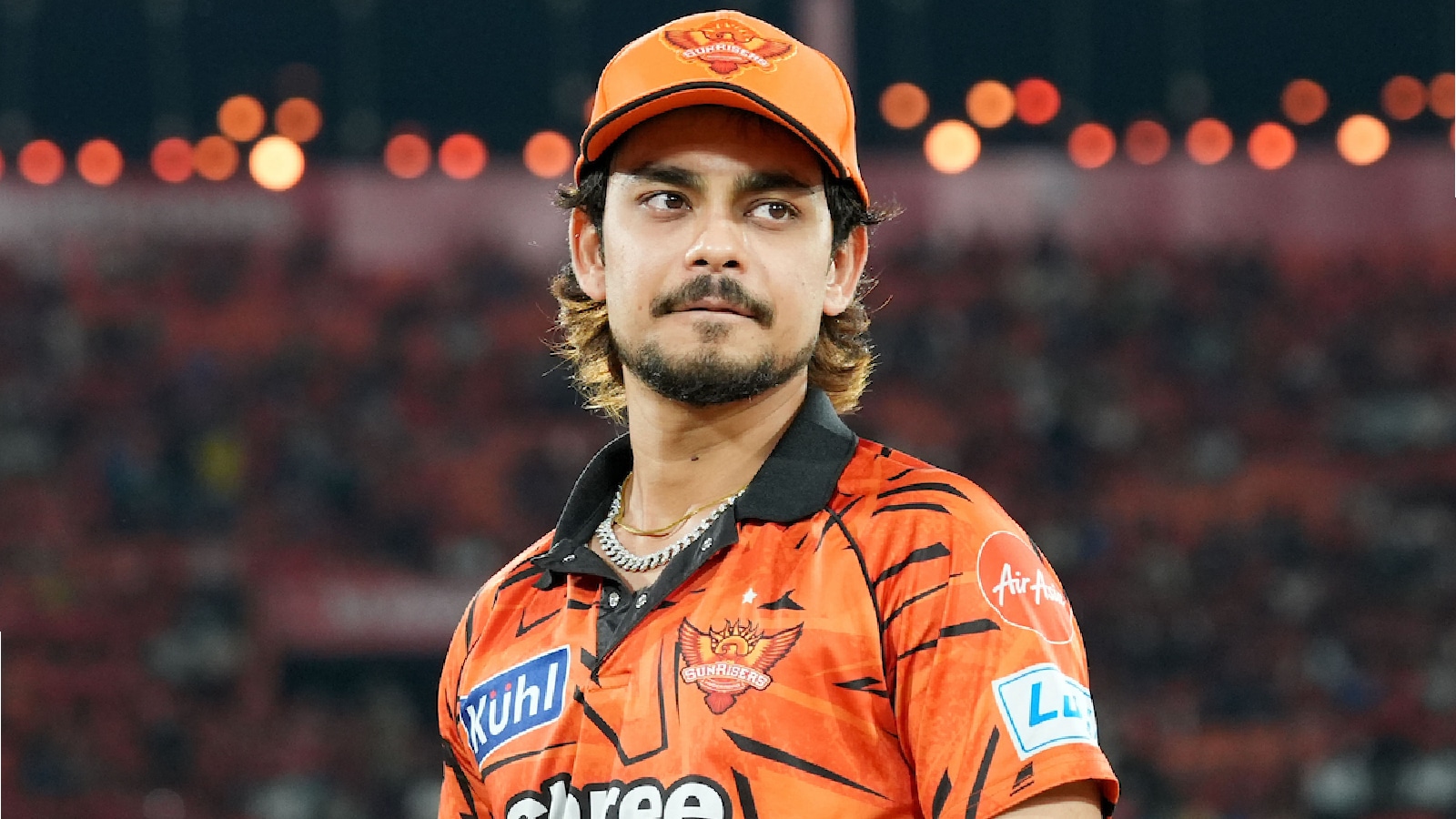
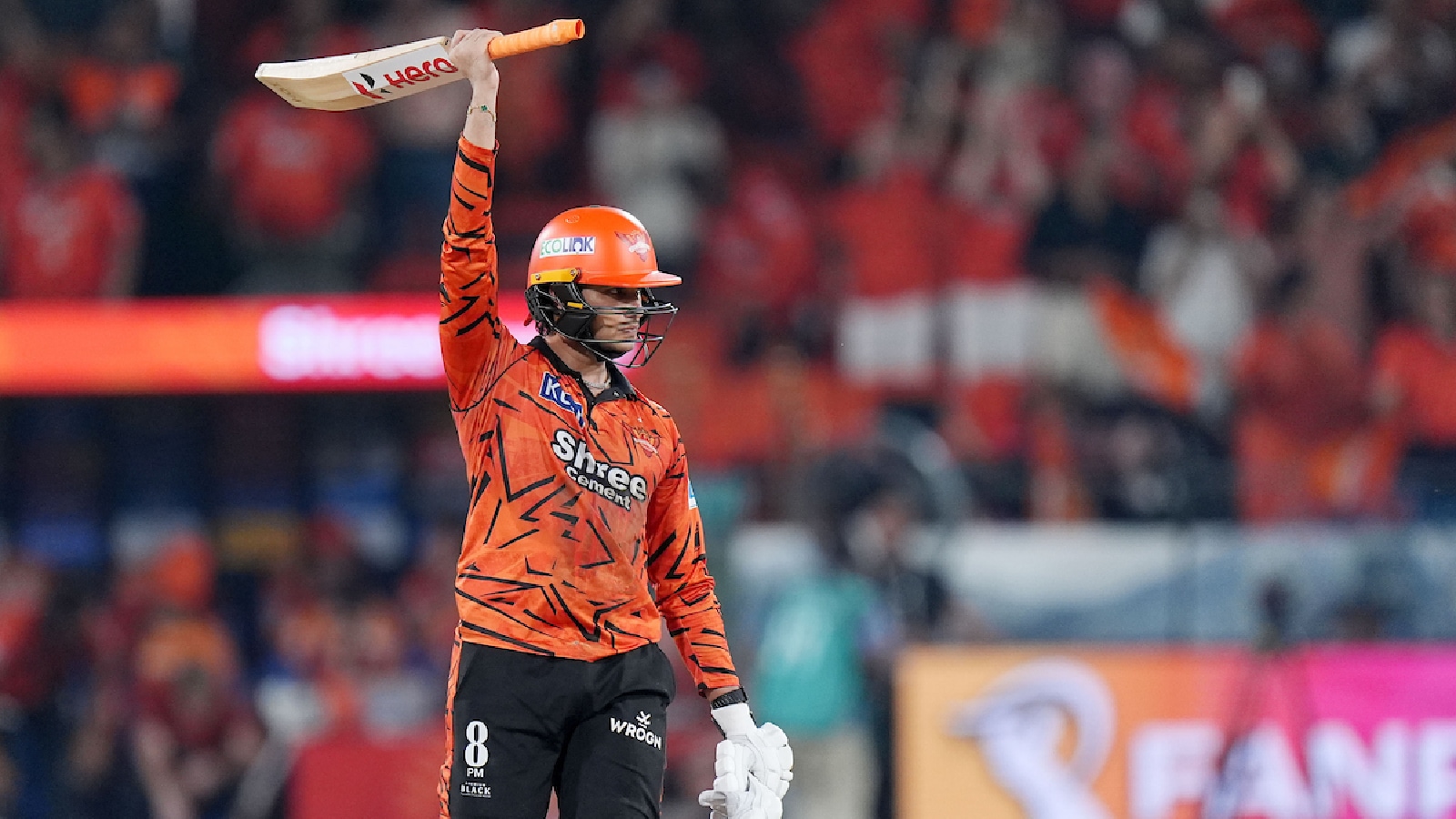
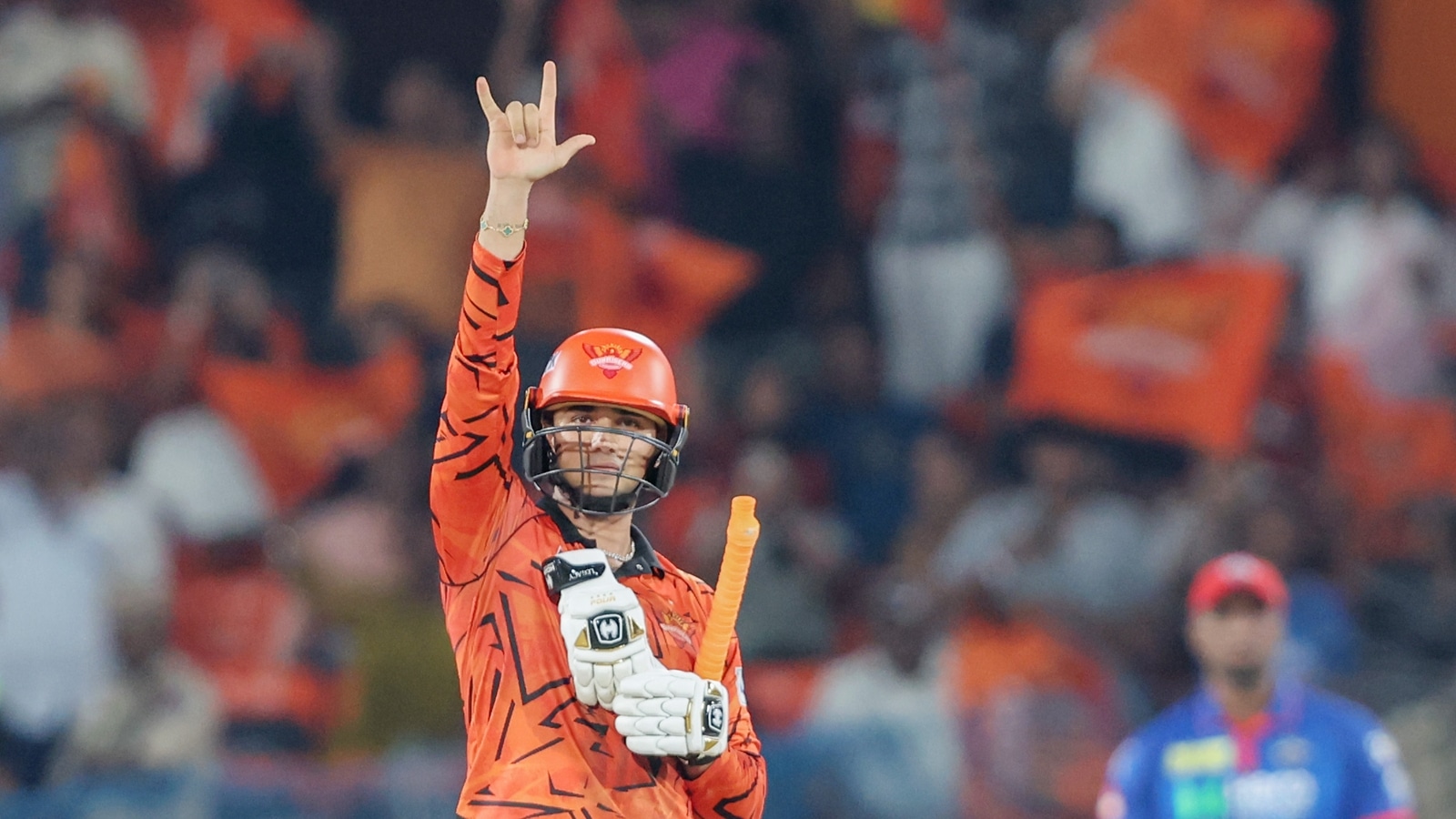
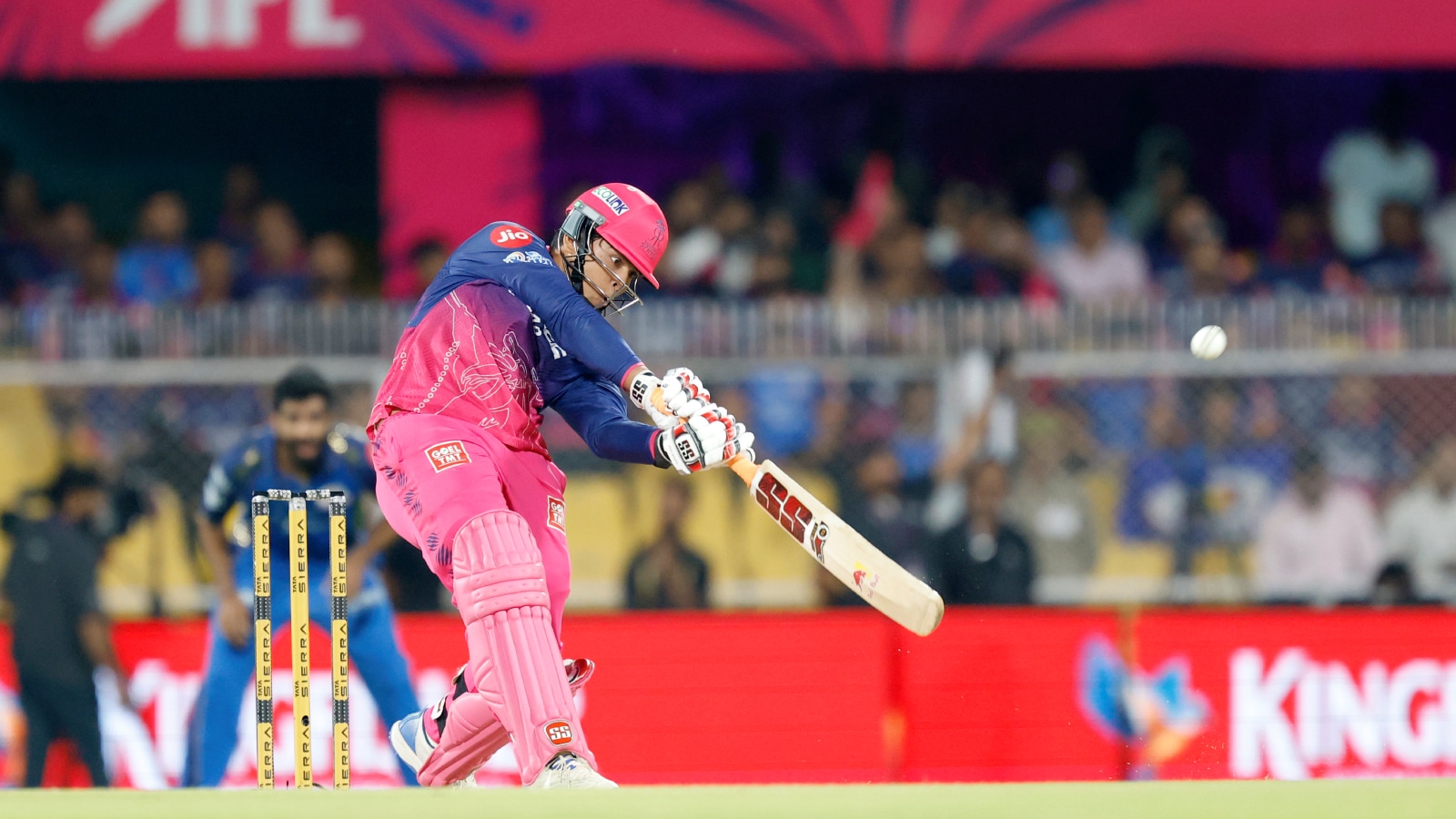
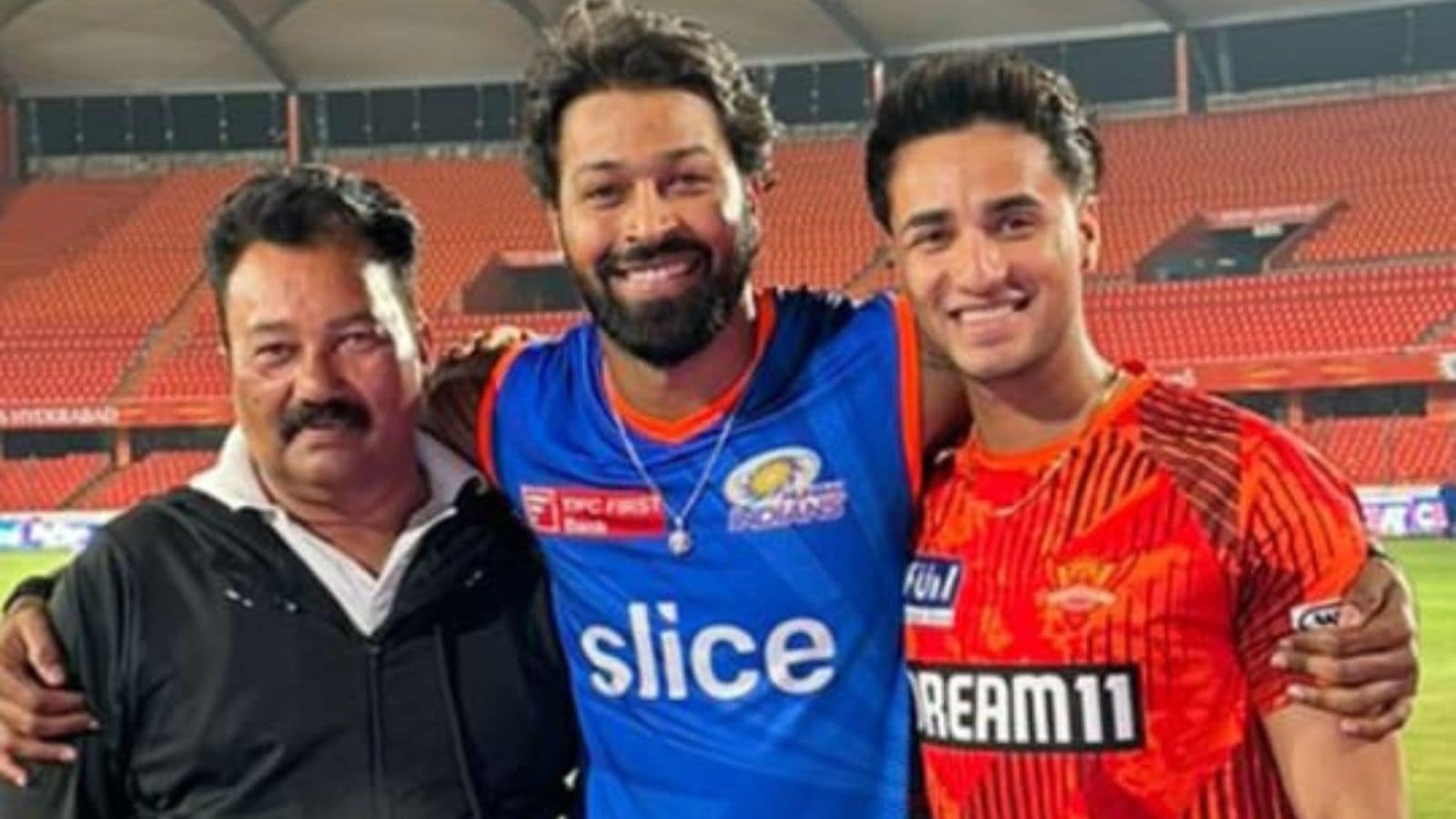
“I don’t know how, but since my Under-12 days, my dad has been sitting next to the screen all the time. Whenever I am at the non-striker’s end, he always tells me how to play a certain shot. It’s still going on. I want one of the cameras to go to him from next time and just see his reactions,” Abhishek Sharma said in the post-match presentation on Tuesday night after walloping an unbeaten 135 off 68 balls.
***
Amritsar, sometime in the early 1980s. A boy in a colony watches another boy cycle past every morning in white clothes. He doesn’t know where the boy is going. He doesn’t know what cricket is. Neither does his father. Neither does his mother.
One day he asks.
In a conversation last year on Taruwar Kohli’s YouTube channel, Rajkumar Sharma went back to his own beginning — that boy on the cycle, white shirt, white pants, going somewhere he wasn’t.
When he walked to Gandhi Ground one day, and saw the boys in white on a proper ground, he made himself a promise he didn’t tell anyone.
“That day, for the first time, I said to myself — I am going to play here. Whatever happens. I will not leave without playing cricket at the India level.”
Rajkumar Sharma was thirteen. He had never held a cricket ball. District trials came within weeks. The notice said white clothes. He had a white shirt. No white trousers. No shoes. He borrowed the trousers from one friend, the shoes from another, and walked to Gandhi Ground.
A Punjab selector watched him bowl two balls and came over.
“Can you get that batsman out?” “That’s why I came.” First ball. Bowled.
He played Under-15, Under-16, Under-19, Under-22 for India. Then first-class cricket. North Zone. Years of it. Through all of it — every tour, every trial, every tournament — he never owned a bat. Borrowed when he could, went without when he couldn’t. Nobody offered. He never asked.
When he left for his first away tournament, his father — a factory supervisor — pressed fifty rupees into his hand.
“Beta, this is all I have.”
At the North Zone final against Haryana, he took nine wickets. Chetan Sharma, Haryana captain, told him to come to Chandigarh. Rajkumar told him he didn’t have the money to stay there.
On the train to Madras for the North Zone tournament, Chetan found him a top berth, paid for the auto to the stadium the night before the match, jumped the locked gate with him, walked to the pitch in the dark, bowed to the ground, and told him to do the same.
Tomorrow, he said, we break their bones.
Seven wickets the next day. Rajkumar watched all of it — the laps before warm-up, the locked gate, the bowing to the pitch — and stored it.
What Rajkumar stored, he spent on Abhishek.
He had always wanted to make him a bowler. There is a photograph — tiny Abhishek in a red t-shirt on the Mohali boundary during an India-Pakistan match, smuggled in because the organisers wouldn’t pass a child. There is another: a wooden bat, handmade, because the boy wouldn’t stop asking for a real one.
From the time Abhishek was small, Rajkumar kept him close. Every problem he had faced as a player — the trials, the politics, the waiting, the invisibility — he walked Abhishek through in advance. This will come, he told him. Don’t be afraid. Don’t say anything wrong about anyone. Concentrate on your game. Time will take care of everything.
“He was born for cricket,” Rajkumar said. “Every single thing about him — extraordinary. He just came into the world ready.”
The IPL trophies and Man of the Match awards line the walls of their home now. A collection that didn’t exist three years ago.
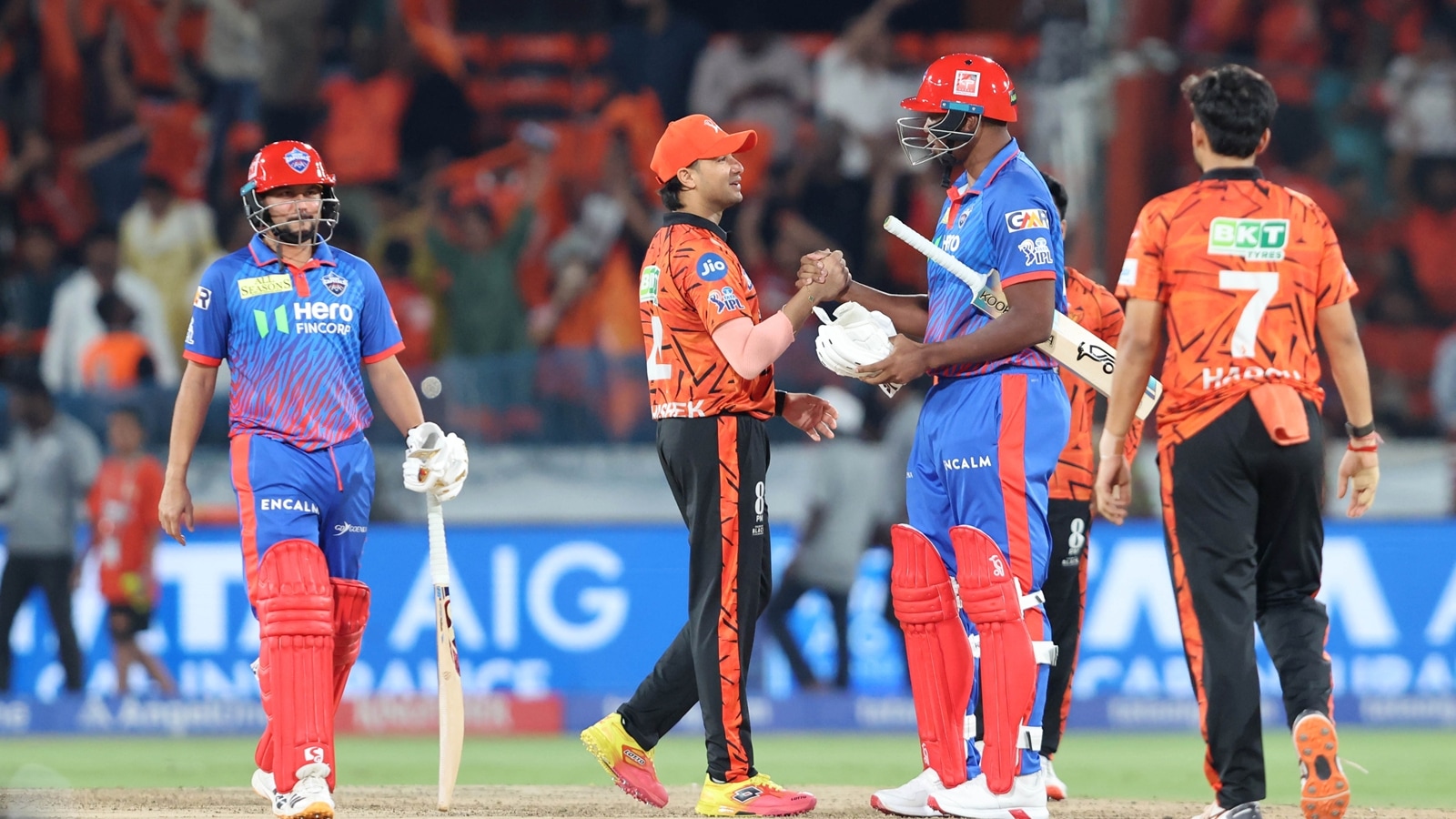
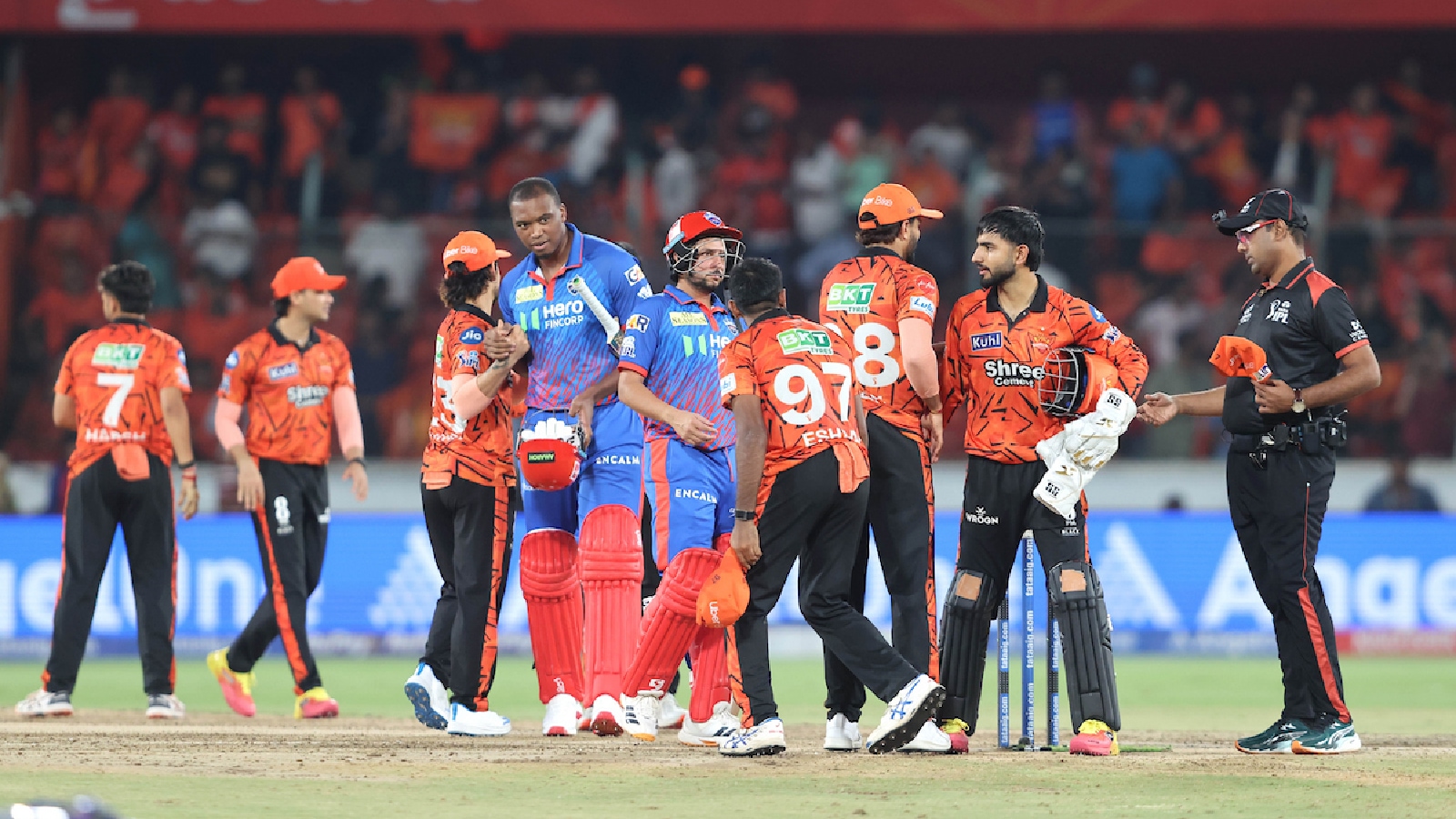
On Tuesday night at the stadium in Hyderabad, after 135 off 68 balls — ten fours, ten sixes — Abhishek stood at the presentation and said what he said. Somewhere in the stands, Rajkumar Sharma had already seen everything coming.
Stay updated with the latest sports news across Cricket, Football, Chess, and more. Catch all the action with real-time live cricket score updates and in-depth coverage of ongoing matches.
“I don’t know how, but since my Under-12 days, my dad has been sitting next to the screen all the time. Whenever I am at the non-striker’s end, he always tells me how to play a certain shot. It’s still going on. I want one of the cameras to go to him from next time and just see his reactions,” Abhishek Sharma said in the post-match presentation on Tuesday night after walloping an unbeaten 135 off 68 balls.
***
Amritsar, sometime in the early 1980s. A boy in a colony watches another boy cycle past every morning in white clothes. He doesn’t know where the boy is going. He doesn’t know what cricket is. Neither does his father. Neither does his mother.
One day he asks.
In a conversation last year on Taruwar Kohli’s YouTube channel, Rajkumar Sharma went back to his own beginning — that boy on the cycle, white shirt, white pants, going somewhere he wasn’t.
When he walked to Gandhi Ground one day, and saw the boys in white on a proper ground, he made himself a promise he didn’t tell anyone.
“That day, for the first time, I said to myself — I am going to play here. Whatever happens. I will not leave without playing cricket at the India level.”
Rajkumar Sharma was thirteen. He had never held a cricket ball. District trials came within weeks. The notice said white clothes. He had a white shirt. No white trousers. No shoes. He borrowed the trousers from one friend, the shoes from another, and walked to Gandhi Ground.
A Punjab selector watched him bowl two balls and came over.
“Can you get that batsman out?” “That’s why I came.” First ball. Bowled.
He played Under-15, Under-16, Under-19, Under-22 for India. Then first-class cricket. North Zone. Years of it. Through all of it — every tour, every trial, every tournament — he never owned a bat. Borrowed when he could, went without when he couldn’t. Nobody offered. He never asked.
When he left for his first away tournament, his father — a factory supervisor — pressed fifty rupees into his hand.
“Beta, this is all I have.”
At the North Zone final against Haryana, he took nine wickets. Chetan Sharma, Haryana captain, told him to come to Chandigarh. Rajkumar told him he didn’t have the money to stay there.
On the train to Madras for the North Zone tournament, Chetan found him a top berth, paid for the auto to the stadium the night before the match, jumped the locked gate with him, walked to the pitch in the dark, bowed to the ground, and told him to do the same.
Tomorrow, he said, we break their bones.
Seven wickets the next day. Rajkumar watched all of it — the laps before warm-up, the locked gate, the bowing to the pitch — and stored it.
What Rajkumar stored, he spent on Abhishek.
He had always wanted to make him a bowler. There is a photograph — tiny Abhishek in a red t-shirt on the Mohali boundary during an India-Pakistan match, smuggled in because the organisers wouldn’t pass a child. There is another: a wooden bat, handmade, because the boy wouldn’t stop asking for a real one.
From the time Abhishek was small, Rajkumar kept him close. Every problem he had faced as a player — the trials, the politics, the waiting, the invisibility — he walked Abhishek through in advance. This will come, he told him. Don’t be afraid. Don’t say anything wrong about anyone. Concentrate on your game. Time will take care of everything.
“He was born for cricket,” Rajkumar said. “Every single thing about him — extraordinary. He just came into the world ready.”
The IPL trophies and Man of the Match awards line the walls of their home now. A collection that didn’t exist three years ago.
On Tuesday night at the stadium in Hyderabad, after 135 off 68 balls — ten fours, ten sixes — Abhishek stood at the presentation and said what he said. Somewhere in the stands, Rajkumar Sharma had already seen everything coming.