

Netflix’s ‘Untold: Chess Mates’ documentary into Carlsen-Niemann scandal opens old can of worms but says nothing new
A new Netflix documentary on the 2022 cheating scandal points to how in the Carlsen vs Niemann case, Chess.com was the chief character witness against the accused, the partial executioner, the lead investigator, and even the jury that eventually absolved Niemann
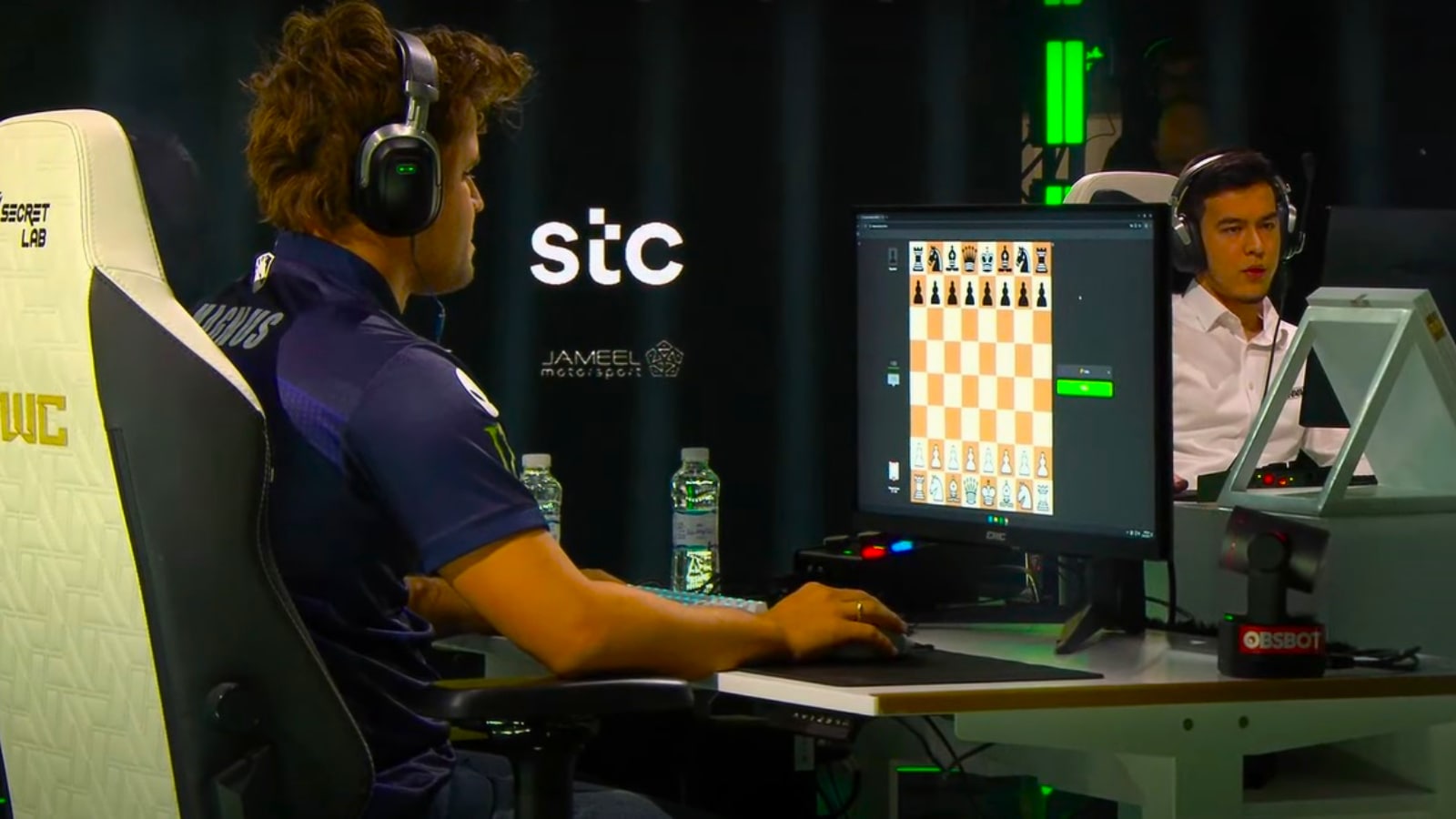
Magnus Carlsen wanted to go knock on Hans Niemann’s hotel door and confront the brash 19-year-old grandmaster. A few hours before he had experienced this rage within, the World No 1 had lost a game in a second consecutive tournament to Niemann, who was already bragging about replacing Carlsen at the top of the chess pyramid. In that game at the Sinquefield Cup, Carlsen felt like he was not playing a human adversary. Niemann was, in Carlsen’s assessment, many notches below him in the pecking order and yet was defeating him without expending too much effort.
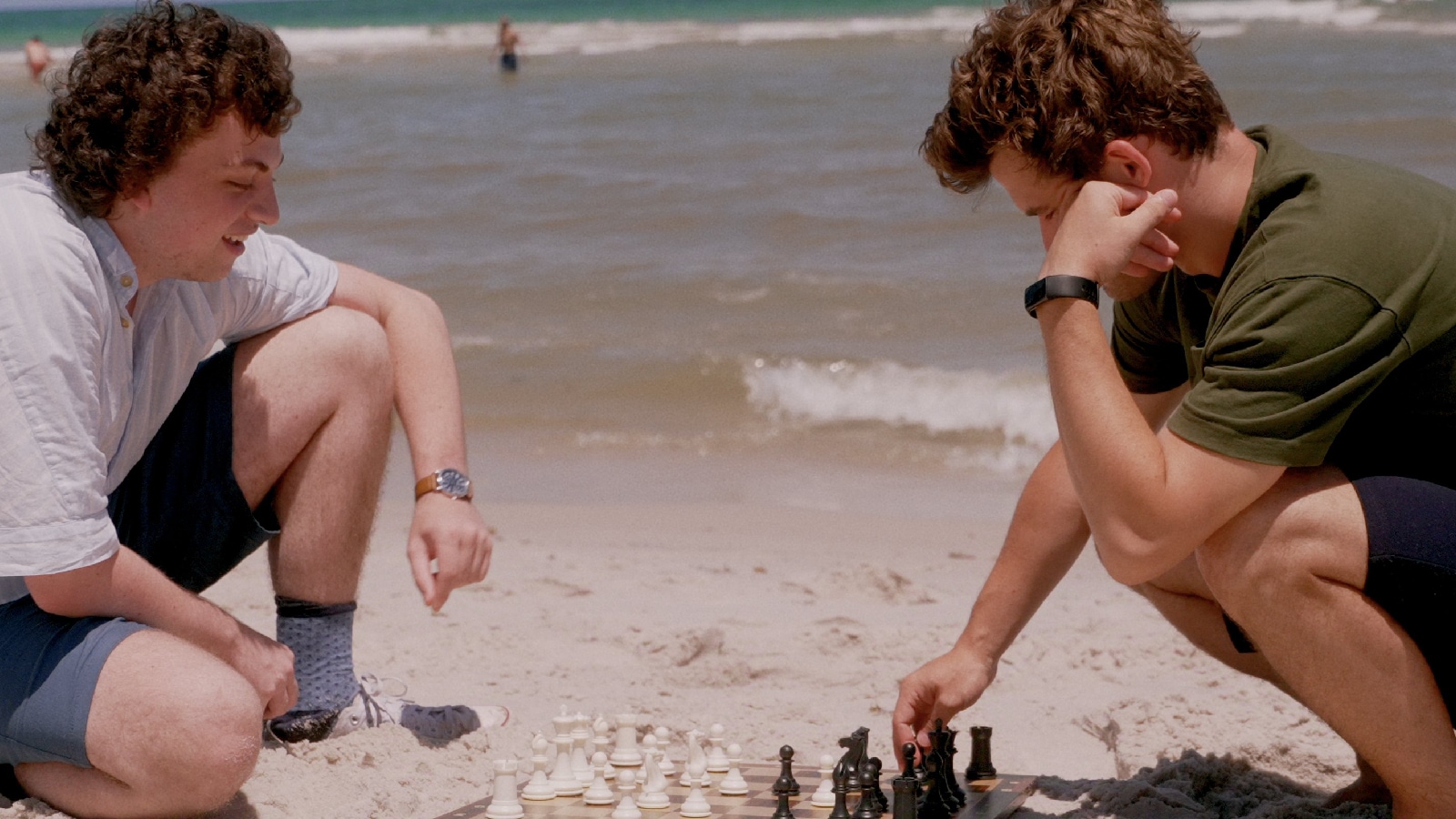
“Magnus talked about knocking on Hans’ door and asking him, ‘Tell me, what’s going on’?” Henrik Carlsen, Magnus’ father says in a new Netflix documentary ‘Untold: Chess Mates’. It digs into the 2022 chess cheating scandal, where Carlsen accused Niemann of winning by unfair means. The 74-minute-long documentary tries to unravel that very question four years after the controversy—what went on in that game between Niemann and Carlsen. And largely comes up with no new answers.
Carlsen’s allegations were never proven and led to a $100 million lawsuit, which was settled out of court. It was chess’ greatest scandal in the past decade and led to plenty of headlines in places where chess is not usually a subject of discussion. In the absence of Carlsen detailing how he thought Niemann had cheated, the world started to speculate about the prodigy using anal beads. That caught the attention of everyone from Piers Morgan to Trevor Noah to Joe Rogan.
“Every conversation I have about chess leads to anal beads,” Niemann laments in the documentary. “That’s what all my life, my accomplishments and my work had been boiled down to: f*****g anal beads.”
Carlsen and Niemann have previously given their versions about the incident in the years since the controversy and both players continue to cling to their beliefs even now, as becomes apparent in the documentary, which was released on Tuesday.
What the documentary does shine a light on is the extraordinarily central role that Chess.com played in the scandal itself. Over years, the platform has become the most well-known app for chess, with an almost ubiquitous footprint from organising tournaments for elite players to live streaming top-tier events for fans to boosting the careers of content creators.
But the documentary points at how in the Carlsen vs Niemann case, the app was the chief character witness against the accused (by pointing out that he had cheated online previously), the executioner (by banning Niemann from their app right after Carlsen pulled out from the Sinquefield Cup), the lead investigator (by using their anti-cheating detection software to look into Carlsen’s suspicions that Niemann cheated at that game), and even the jury absolving Niemann (by releasing a 72-page report pointing out that it had no evidence that Niemann cheated in that Sinquefield Cup game or any other over-the-board events). It eventually also became a co-defendant with Carlsen in the $100 million lawsuit.
As Henrik Carlsen reveals, after he had convinced his son that knocking on Niemann’s door to confront him was not a good idea, the next idea was to knock on the doors of Chess.com. The Carlsens requested the platform to use their anti-cheat technology to investigate whether Niemann had cheated in any over-the-board game.
“I wanted to launch the world’s greatest investigation to find out how this little cheating kid gamed the system and beat the champion,” says the app’s CEO Erik Allebest to Netflix while boasting about their “huge anti-cheat department, biggest server farms crunching numbers, and the data and algorithms.”
When Henrik asked the app’s Chief Chess Officer IM Danny Rensch if Niemann had ever been caught cheating online on their platform, they had a decision to make. “For most people, we punt on the answer: ‘it’s not your business’ or those sorts of things,” says Rensch. “But for some people, we tell them the truth.”
With the Carlsens, whose group of companies Chess.com was buying at that very moment, they opted for the truth. It was there that the Carlsens learnt that Niemann had previously been booted out of the online app for cheating.
“For me that was the confirmation that I needed… this guy is cheating,” Carlsen says in the documentary, believing that Chess.com had a smoking gun.
Rensch says in the documentary that Niemann cheated in over 100 online games on their platform. Niemann admits to cheating in nine online games when he was 12 or 13 and “maybe 20 to 30 games around the age of 16”.
“In 2020, whispers started among a couple of our staff members that they were pretty convinced that Hans was cheating. I didn’t want to believe it,” Rensch adds while explaining that the platform had put in a lot of effort and resources into the “potential of Niemann’s career”.
“We saw that Hans had been cheating borderline since the first day he joined Chess.com,” says Rensch. He details a phone call with a young Niemann telling him that they had caught him cheating in online games, where Niemann started with denials initially, then burst into tears. Rensch says that because the youngster was horrified about the impact it would have on his career to have the world know he had been caught cheating in online events, he had taken an ‘elder brotherly approach’ to give Niemann a way out: the American could shut his own account rather than having it closed so he could “set the narrative” that he wanted a fresh start.
This revelation even gets the platform’s CEO Erik Allebest to remark to Rensch: “Honestly, I was surprised at the time about how generous you were being.”
Rensch then adds that on that same phone call, Niemann started to ask him how they had caught him. “It felt like he was trying to pinpoint how our anti-cheating algorithm worked. That part of the call never left me: ‘oh s**t, we can never trust this kid again.’”
The investigation, which was made public in a 72-page report, could not pinpoint Niemann cheating in any over-the-board games.
“In the end, it looked like we f****d up,” admits Rensch.
“They didn’t have the smoking gun,” Carlsen concludes at the end of the documentary, lashing out at a platform he has been a business partner and brand ambassador for. “I felt pretty bad, I felt like I had been gaslit a bit into thinking that they had evidence which they really didn’t. That’s the ace that I felt that I had all the time.”
Four years on, the scandal remains a case of ‘he said, he said’ without any incriminating evidence of cheating from Niemann. Unlike other battles involving Carlsen and Niemann, this one ended as a stalemate with no winners.
Magnus Carlsen wanted to go knock on Hans Niemann’s hotel door and confront the brash 19-year-old grandmaster. A few hours before he had experienced this rage within, the World No 1 had lost a game in a second consecutive tournament to Niemann, who was already bragging about replacing Carlsen at the top of the chess pyramid. In that game at the Sinquefield Cup, Carlsen felt like he was not playing a human adversary. Niemann was, in Carlsen’s assessment, many notches below him in the pecking order and yet was defeating him without expending too much effort.
“Magnus talked about knocking on Hans’ door and asking him, ‘Tell me, what’s going on’?” Henrik Carlsen, Magnus’ father says in a new Netflix documentary ‘Untold: Chess Mates’. It digs into the 2022 chess cheating scandal, where Carlsen accused Niemann of winning by unfair means. The 74-minute-long documentary tries to unravel that very question four years after the controversy—what went on in that game between Niemann and Carlsen. And largely comes up with no new answers.
Carlsen’s allegations were never proven and led to a $100 million lawsuit, which was settled out of court. It was chess’ greatest scandal in the past decade and led to plenty of headlines in places where chess is not usually a subject of discussion. In the absence of Carlsen detailing how he thought Niemann had cheated, the world started to speculate about the prodigy using anal beads. That caught the attention of everyone from Piers Morgan to Trevor Noah to Joe Rogan.
“Every conversation I have about chess leads to anal beads,” Niemann laments in the documentary. “That’s what all my life, my accomplishments and my work had been boiled down to: f*****g anal beads.”
Carlsen and Niemann have previously given their versions about the incident in the years since the controversy and both players continue to cling to their beliefs even now, as becomes apparent in the documentary, which was released on Tuesday.
What the documentary does shine a light on is the extraordinarily central role that Chess.com played in the scandal itself. Over years, the platform has become the most well-known app for chess, with an almost ubiquitous footprint from organising tournaments for elite players to live streaming top-tier events for fans to boosting the careers of content creators.
But the documentary points at how in the Carlsen vs Niemann case, the app was the chief character witness against the accused (by pointing out that he had cheated online previously), the executioner (by banning Niemann from their app right after Carlsen pulled out from the Sinquefield Cup), the lead investigator (by using their anti-cheating detection software to look into Carlsen’s suspicions that Niemann cheated at that game), and even the jury absolving Niemann (by releasing a 72-page report pointing out that it had no evidence that Niemann cheated in that Sinquefield Cup game or any other over-the-board events). It eventually also became a co-defendant with Carlsen in the $100 million lawsuit.
As Henrik Carlsen reveals, after he had convinced his son that knocking on Niemann’s door to confront him was not a good idea, the next idea was to knock on the doors of Chess.com. The Carlsens requested the platform to use their anti-cheat technology to investigate whether Niemann had cheated in any over-the-board game.
“I wanted to launch the world’s greatest investigation to find out how this little cheating kid gamed the system and beat the champion,” says the app’s CEO Erik Allebest to Netflix while boasting about their “huge anti-cheat department, biggest server farms crunching numbers, and the data and algorithms.”
When Henrik asked the app’s Chief Chess Officer IM Danny Rensch if Niemann had ever been caught cheating online on their platform, they had a decision to make. “For most people, we punt on the answer: ‘it’s not your business’ or those sorts of things,” says Rensch. “But for some people, we tell them the truth.”
With the Carlsens, whose group of companies Chess.com was buying at that very moment, they opted for the truth. It was there that the Carlsens learnt that Niemann had previously been booted out of the online app for cheating.
“For me that was the confirmation that I needed… this guy is cheating,” Carlsen says in the documentary, believing that Chess.com had a smoking gun.
Rensch says in the documentary that Niemann cheated in over 100 online games on their platform. Niemann admits to cheating in nine online games when he was 12 or 13 and “maybe 20 to 30 games around the age of 16”.
“In 2020, whispers started among a couple of our staff members that they were pretty convinced that Hans was cheating. I didn’t want to believe it,” Rensch adds while explaining that the platform had put in a lot of effort and resources into the “potential of Niemann’s career”.
“We saw that Hans had been cheating borderline since the first day he joined Chess.com,” says Rensch. He details a phone call with a young Niemann telling him that they had caught him cheating in online games, where Niemann started with denials initially, then burst into tears. Rensch says that because the youngster was horrified about the impact it would have on his career to have the world know he had been caught cheating in online events, he had taken an ‘elder brotherly approach’ to give Niemann a way out: the American could shut his own account rather than having it closed so he could “set the narrative” that he wanted a fresh start.
This revelation even gets the platform’s CEO Erik Allebest to remark to Rensch: “Honestly, I was surprised at the time about how generous you were being.”
Rensch then adds that on that same phone call, Niemann started to ask him how they had caught him. “It felt like he was trying to pinpoint how our anti-cheating algorithm worked. That part of the call never left me: ‘oh s**t, we can never trust this kid again.’”
The investigation, which was made public in a 72-page report, could not pinpoint Niemann cheating in any over-the-board games.
“In the end, it looked like we f****d up,” admits Rensch.
“They didn’t have the smoking gun,” Carlsen concludes at the end of the documentary, lashing out at a platform he has been a business partner and brand ambassador for. “I felt pretty bad, I felt like I had been gaslit a bit into thinking that they had evidence which they really didn’t. That’s the ace that I felt that I had all the time.”
Four years on, the scandal remains a case of ‘he said, he said’ without any incriminating evidence of cheating from Niemann. Unlike other battles involving Carlsen and Niemann, this one ended as a stalemate with no winners.