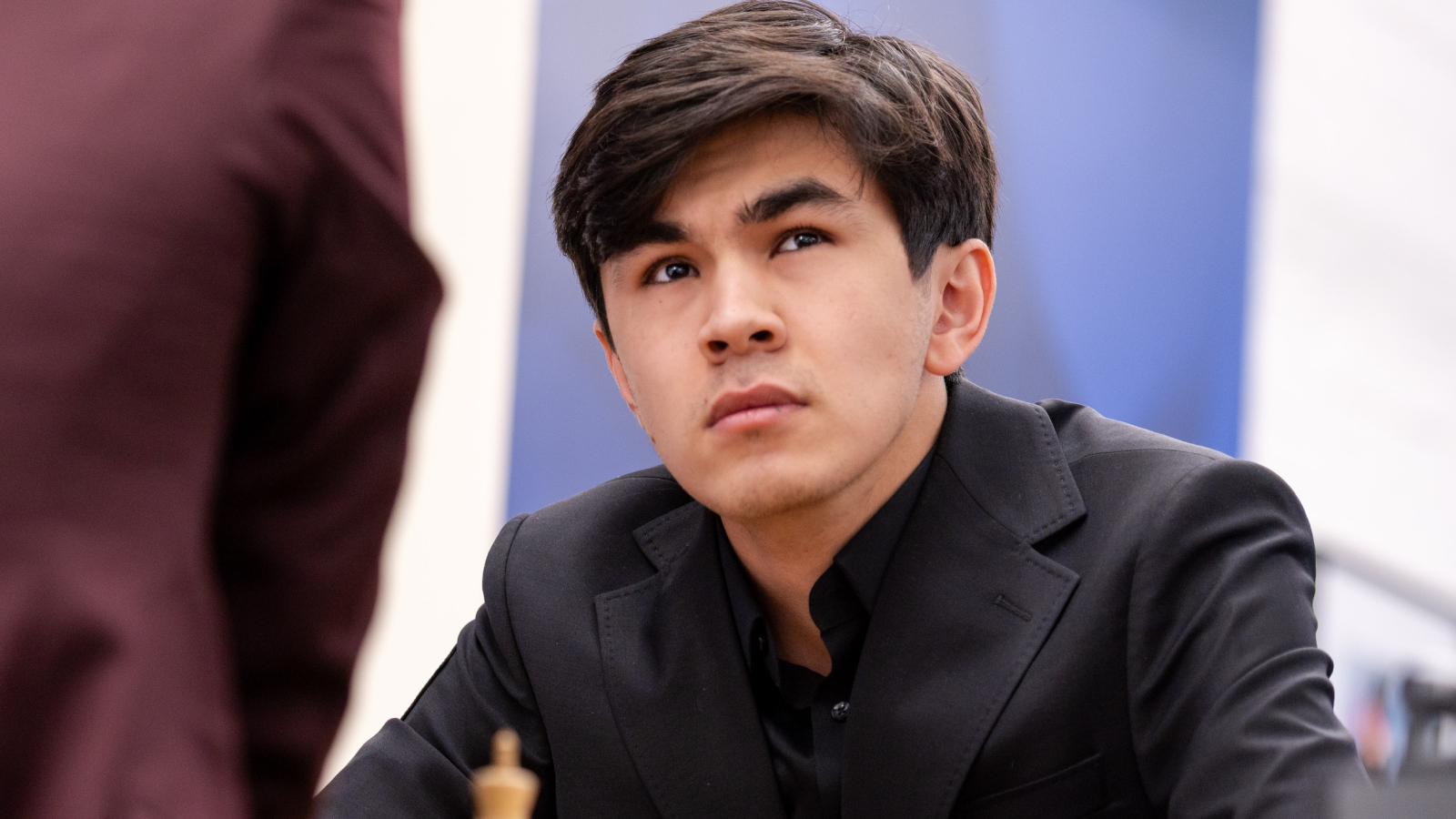


Gukesh’s challenger Sindarov shunned chess engines to sharpen his game
At a time when elite chess preparation revolves around engines and memorising deep computer lines, Sindarov and his coach Vidonyak ran around nine intensive training camps over the next 16 months, logging long days over a physical board without a computer in sight.
Four games into the 2026 Candidates tournament in Cyprus, while most of the eight-player field was still feeling its way through the opening week of chess’s most demanding event, Uzbek sensation Javokhir Sindarov was already dictating terms.
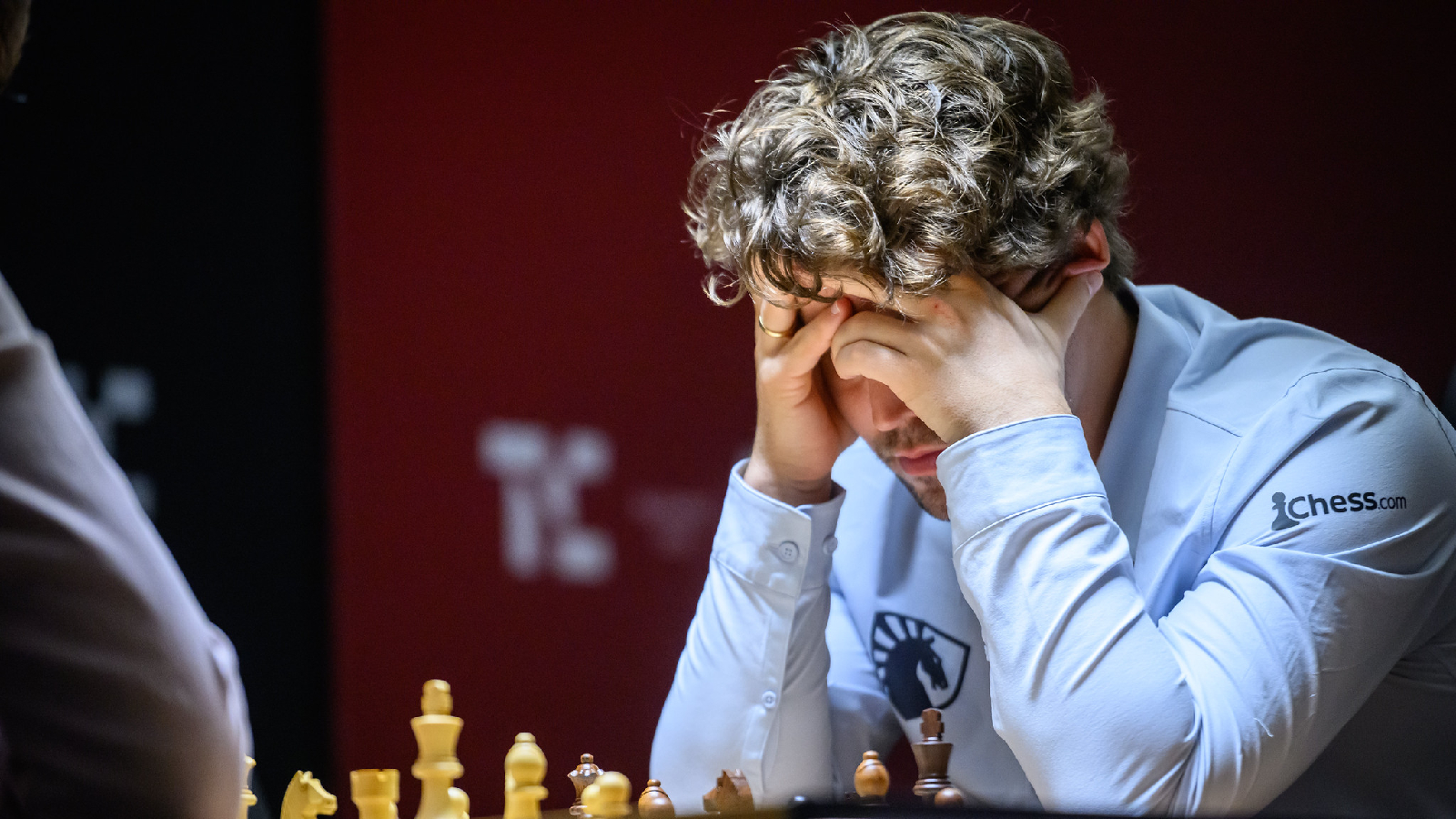
The 20-year-old had arrived with a different playbook, playing with a speed and conviction that put him two steps ahead of everyone else in the room. By then, he had already beaten R Praggnanandhaa and pre-tournament favourite Fabiano Caruana and was hours away from dismantling Hikaru Nakamura in a game that left the American veteran frozen at the board for an hour and seven minutes without a playable move. Sindarov played with an air of invincibility, operating as if he already knew every response on the board.
“Somehow in that tournament I felt like I could see the best moves for both sides. I don’t know why,” Sindarov told Chess.com a few months later.
ALSO READ | How Gukesh changed: From a kid with tantrums to a Zen-monk World Champion
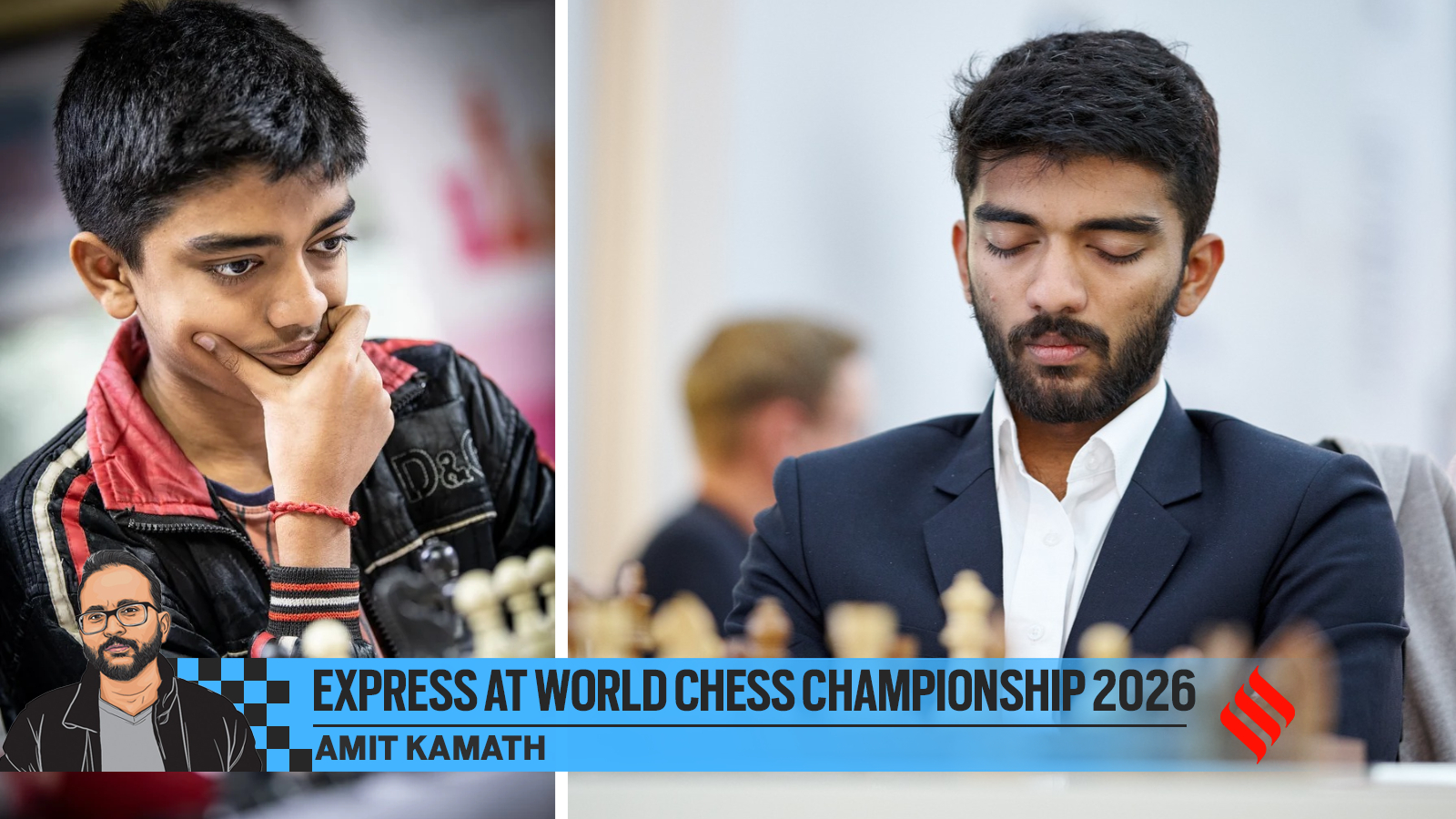
He may not have been able to explain that sense of invincibility then, but that clarity was no accident. Long before he sat down in Cyprus, Sindarov had quietly built a gruelling, engine-free preparation method that turned him into one of the most well-prepared players in modern chess, a system that has now carried him to a World Championship match against Gukesh Dommaraju.
That shift began in January 2025, when Sindarov formally teamed up with Munich-based International Master Roman Vidonyak. Their partnership had started on a casual note in late 2024, when Vidonyak offered a few elementary adjustments to Sindarov’s game right after speaking to him for the first time. Those quick fixes paid off immediately at the Freestyle Chess event in Weissenhaus, where Sindarov tore through the elite field.
“I beat Magnus, Hikaru, Aronian, Abdusattorov, everyone there,” Sindarov recalled. “I was very close to winning the tournament, eventually losing an insane Armageddon game against Fabi. But anyways, I played very well in that tournament and I started feeling very confident in my chess after that,” he told The Indian Express.
Sindarov credits Vidonyak’s instincts for setting him apart from traditional trainers. “Roman has something which other coaches maybe don’t have,” he said.
At a time when elite chess preparation revolves around engines and memorising deep computer lines, the pair ran around nine intensive training camps over the next 16 months, logging long days over a physical board without a computer in sight.
“We worked more than 80 days in the last year. Maybe even more, like 100, I didn’t calculate. Every time we work, every day we work at least seven, eight to ten hours,” Sindarov told this newspaper. “When you work a lot with chess, after many tournaments you start to feel this power. In an important tournament like the World Cup, I started feeling like I didn’t have any weaknesses and I was playing well everywhere. That was probably one of my best tournaments.”
Instead of feeding Sindarov endless opening trees, Vidonyak broke the game down into 17 specific chess skills, ranging from defensive endurance and calculation speed to “hand intuition,” the ability to find the right positional move in seconds, and built thousands of manual exercises around them. To keep the sessions from turning into a monotonous grind, Vidonyak turned the training into competitive puzzle-solving races with sparring partners. The format cured Sindarov’s old habit of losing focus to video games like Counter-Strike and made the heavy workload feel effortless.
ALSO READ | Praggnanandhaa: ‘I don’t really like this idea of players forfeiting games’
“Normally we are working only over the board without an engine,” Sindarov explained. “He just gives us a lot of puzzles. There are many puzzles for everything: for the endgame, for the middlegame, for some traps, and we even have exercises for time management. We work on all of these small things, and I think all of these small things help in big games.”
That focus on time management during training is a big reason Sindarov rarely finds himself in clock trouble. By drilling pattern recognition and learning how to separate routine moves from genuine critical moments, he avoids burning 20 minutes on standard middlegame decisions, saving his clock for positions where concrete calculation actually decides the game.
Vidonyak’s standards are notoriously high, and by his measure, Sindarov is still a work in progress. He evaluates his students on a scale from C-minus to A-plus across every skill, moving on to other areas only when a student masters one.
“At this moment, not even A-minus. He is at B right now. But he has the potential to go ahead in every skill,” Vidonyak told ChessBase India.
“I don’t agree with all of his words, but I agree with most, maybe 90 percent,” Sindarov responded. “I think I have a lot of things where I can really improve my chess.”
And while Sindarov may disagree with his coach on the margins, he is sure those evaluations are moving in only one direction.
Gained 90 Elo points since starting with Vidonyak, climbing from 2692 in January 2025 to a career-best 2782 and World No. 4 on the October 2026 FIDE rating list.
Put together a 53-game classical unbeaten run stretching across the 2025 World Cup, 2026 Tata Steel Masters, and 2026 Candidates.