

Gukesh vs Sindarov: Vishy’s Children vs Kasimdzhanov’s Kids
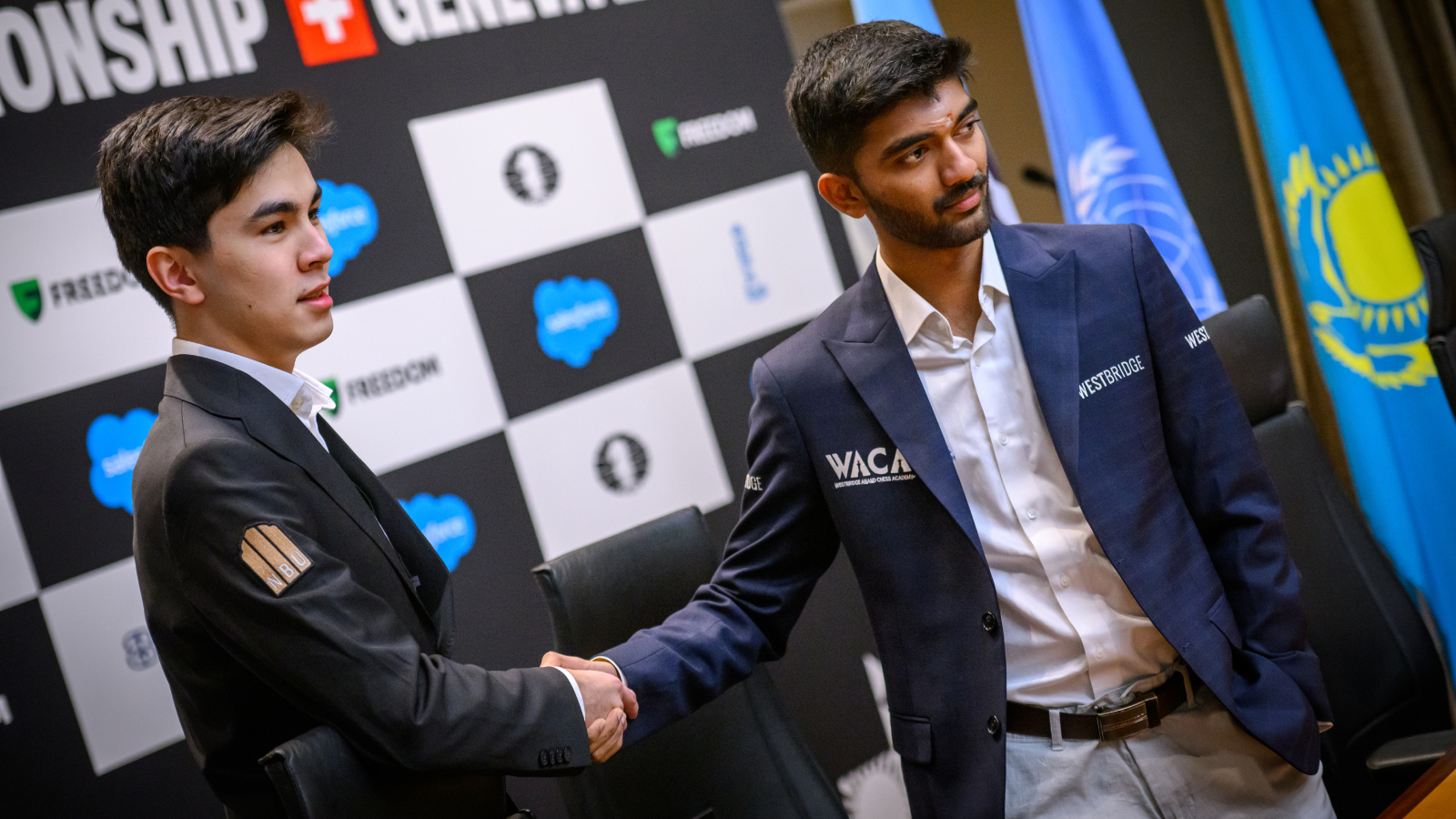
India’s and Uzbekistan’s golden generations, influenced by Viswanathan Anand and Rustam Kasimdzhanov respectively, clash in Geneva, with Gukesh and Sindarov carrying forward a rivalry built on contrasting team cultures and shared ambition.
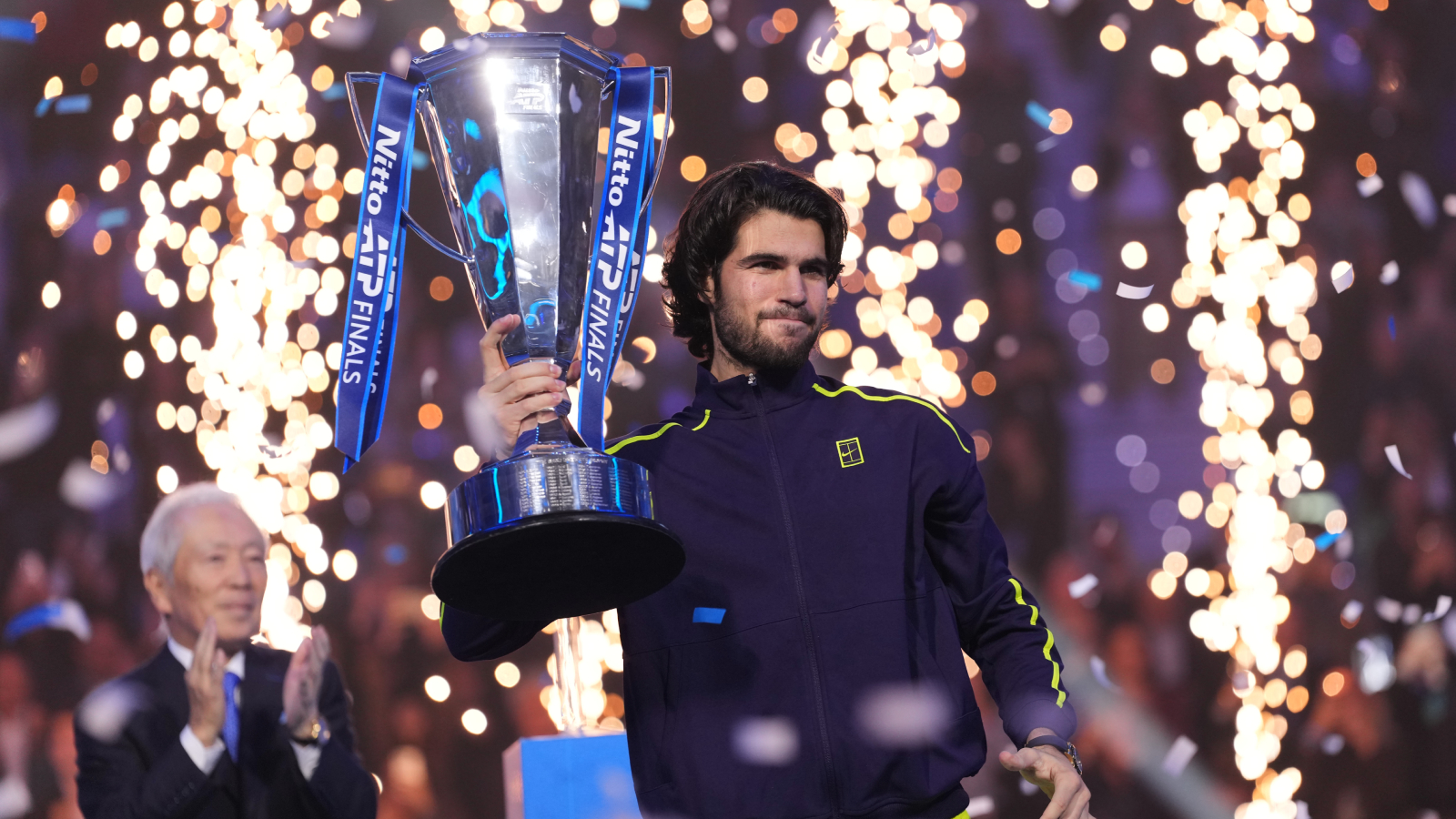
In 2004, when Rustam Kasimdzhanov landed in Uzbekistan with the FIDE World Chess Champion’s trophy in hand, there was a massive welcoming party waiting for him on the tarmac. Scores of people, many holding the Uzbek flag and some blowing the karnay, a traditional trumpet, showed up to greet him. A group of fans unfurled a large banner that read ‘Biz hech kimdan kam emasmiz. Na kam bo’lmaymiz ham’.
We are no less than anyone else. And we never will be.
Two months after Kasimdzhanov’s triumph in Tripoli, Nodirbek Abdusattorov was born. A year later, Javokhir Sindarov, who will be fighting for the World Chess Championship title against India’s Gukesh at Geneva starting Tuesday, was born. So was Mukhiddin Madaminov, Sindarov’s second at this World Championship. Nodirbek Yakubboev and Shamsiddin Vokhidov were already two-year-olds.
Many of their parents saw the scenes of Kasimdzhanov’s arrival with the trophy on their television screens. Repeatedly. And in corners of Uzbekistan, chess dreams were born as well.
ALSO READ | Surrounded by literary classics, Gukesh & Sindarov to rewrite chess history
“When Rustam became world champion in 2004, my parents were watching on TV. They showed me later how they greeted him at the airport, then he met with our country’s president. All of those scenes were broadcast live. That’s when my parents saw him and had a chance to know about him,” Abdusattorov tells The Indian Express. “My father had a great passion for chess in his childhood, but he never really had the chance to go and train with a coach. He taught us, first my brother, then my sister, and eventually I started to get interested in chess. That’s how it all began.”
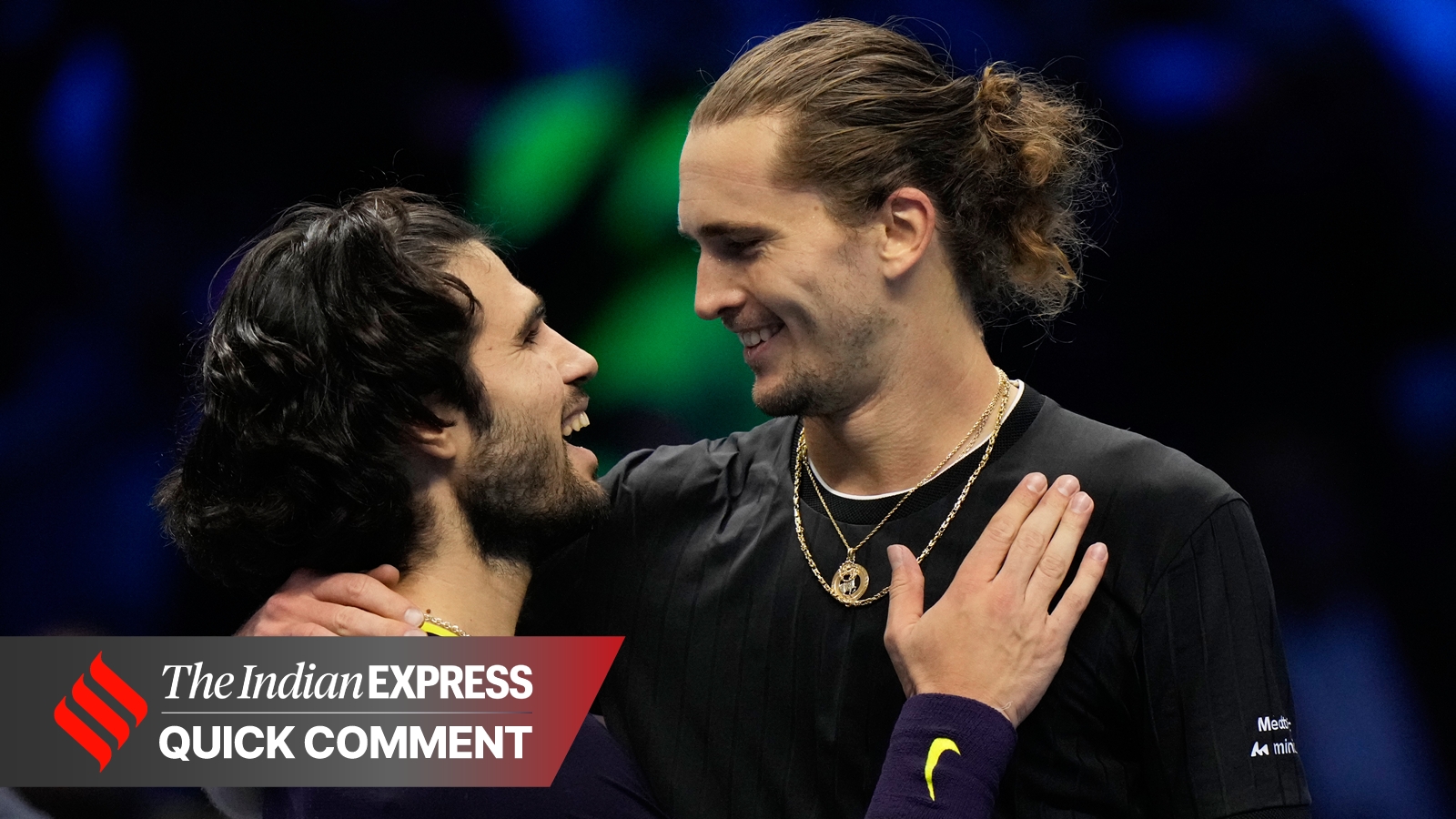
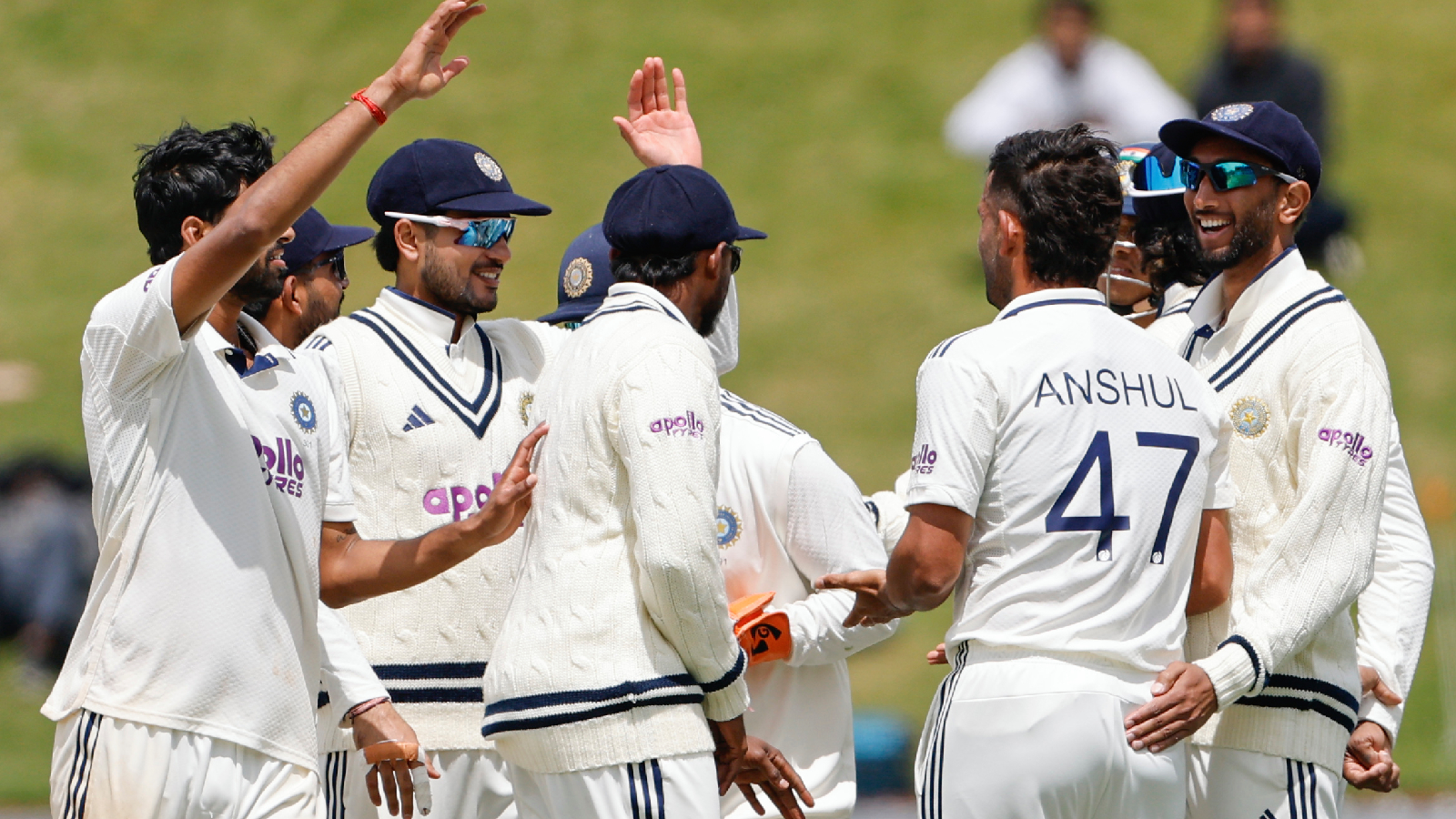
If India’s current golden generation of players — Gukesh, Vaishali R, Praggnanandhaa, Divya Deshmukh and Arjun Erigaisi, among many others — are often referred to as Vishy’s Children, the current Uzbek generation challenging India’s dominance are surely Kasimdzhanov’s Kids.
Anand has guided the careers of many of these stars, helping them with elite coaching through Westbridge Anand Chess Academy (WACA), which is styled on the Botvinnik School of Chess. He’s also given them career-altering advice at the right time, like asking Gukesh to train with Grzegorz Gajewski. Gajewski was once Anand’s second. These days, he’s the man standing behind Gukesh as his coach, having helped him win the Candidates in 2024 and become the youngest undisputed world champion in chess history.
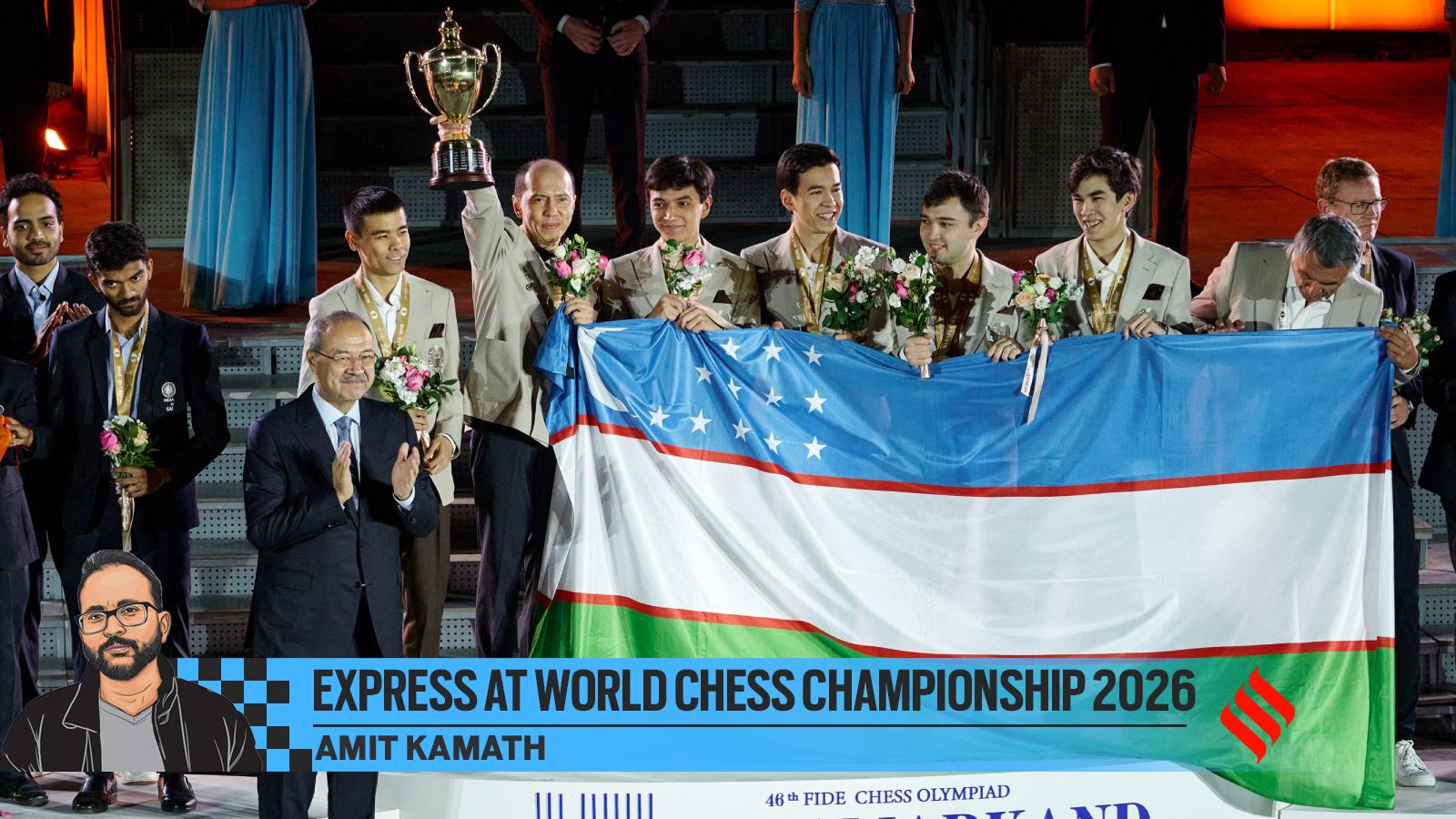
Kasimdzhanov, on the other hand, has been the Uzbek national coach guiding them to the recent gold medal at the home Olympiad and is likely to stay at the helm for a couple more Olympiads.
ALSO READ | Why Viswanathan Anand is Godfather to India’s golden generation like Gukesh and Praggnanandhaa
“I’m happy having them being called Vishy’s Children and all. But I’m more careful in taking credit for all sorts of things. Computers play a very, very big part in having a trend of young players. But as always, somebody with some wisdom or experience telling you ‘this is how you can deal with this’ is very useful. And probably Rustam filled that role in Uzbekistan as I filled it in India,” Anand said recently.
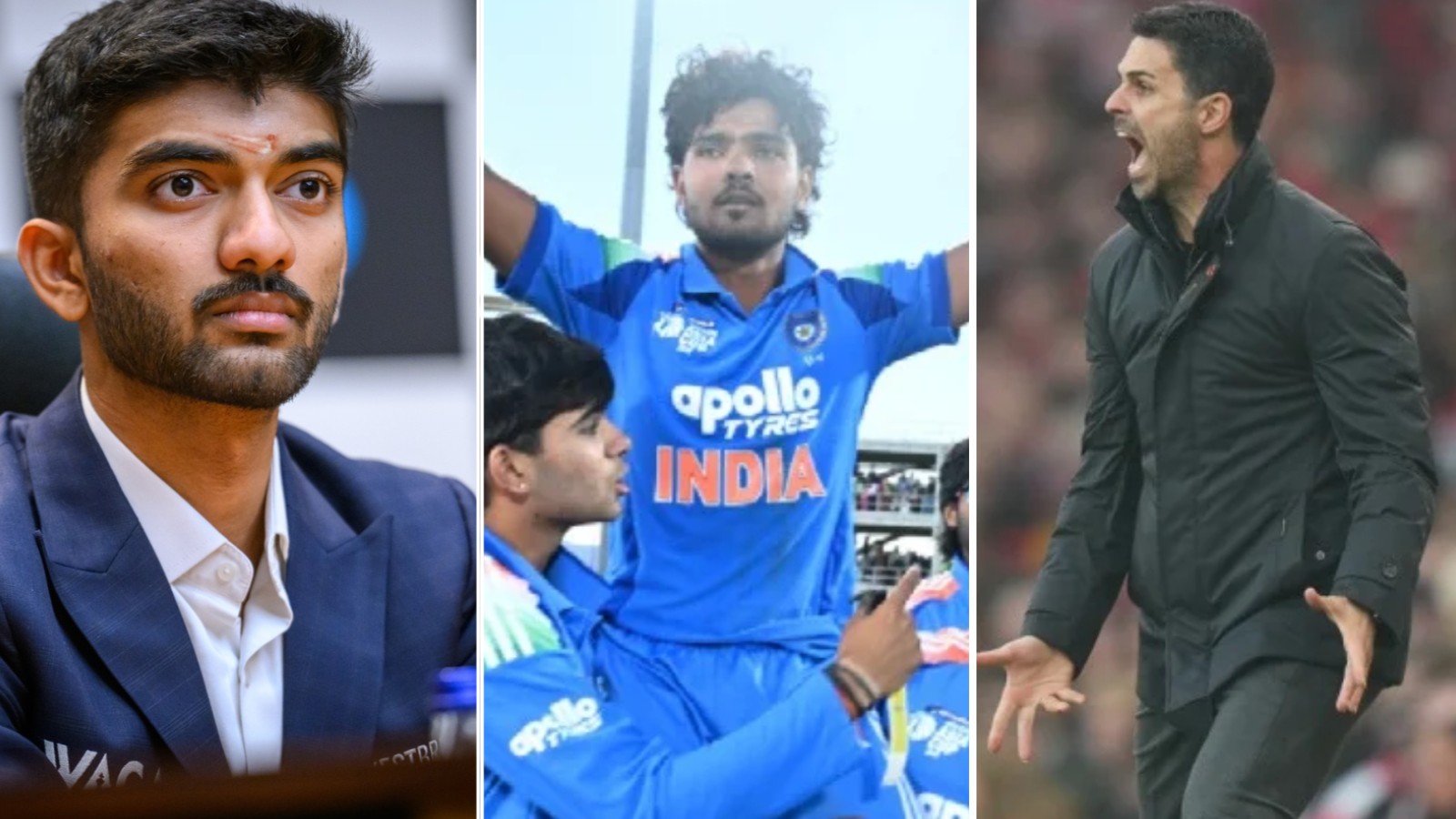
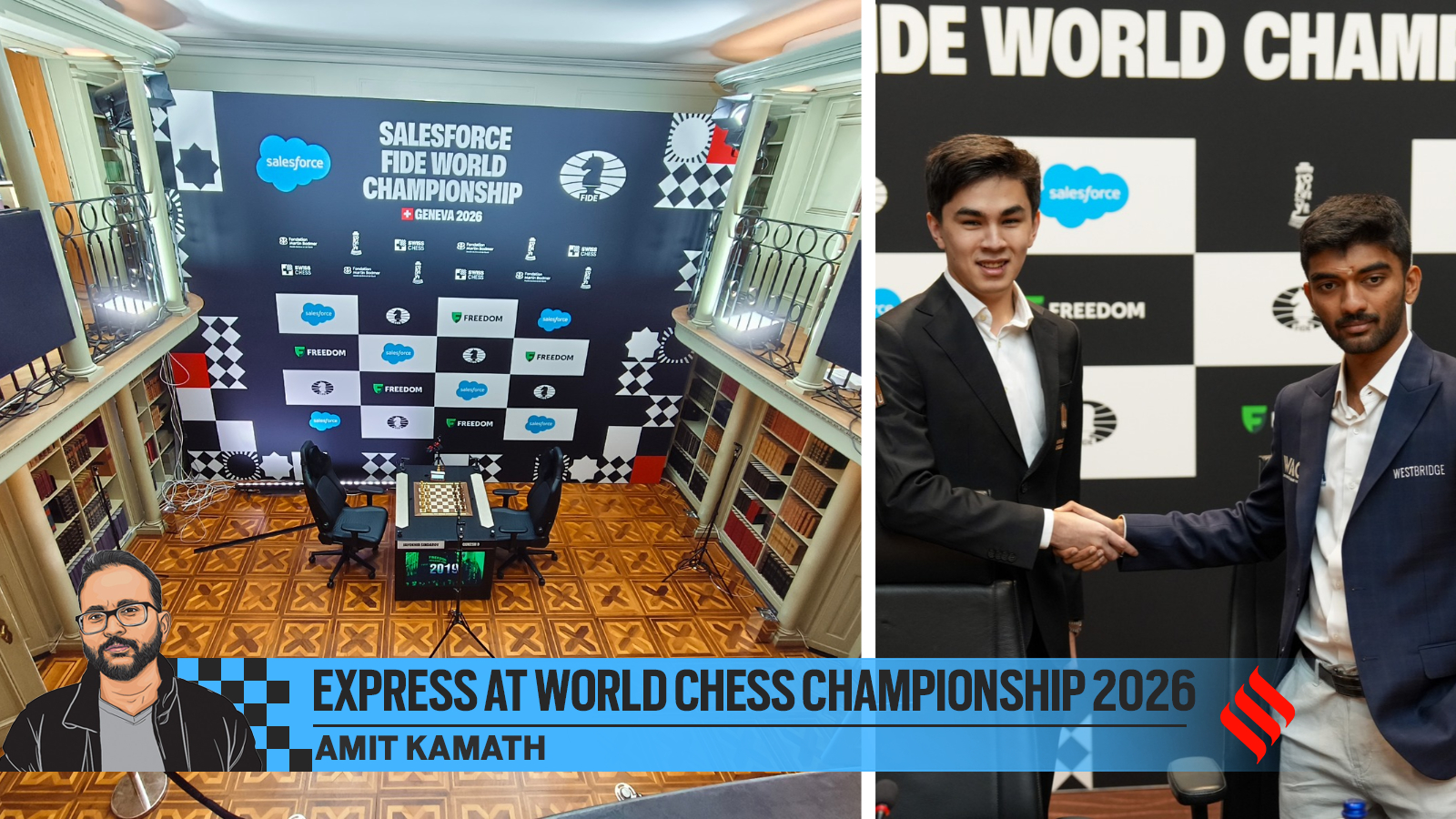
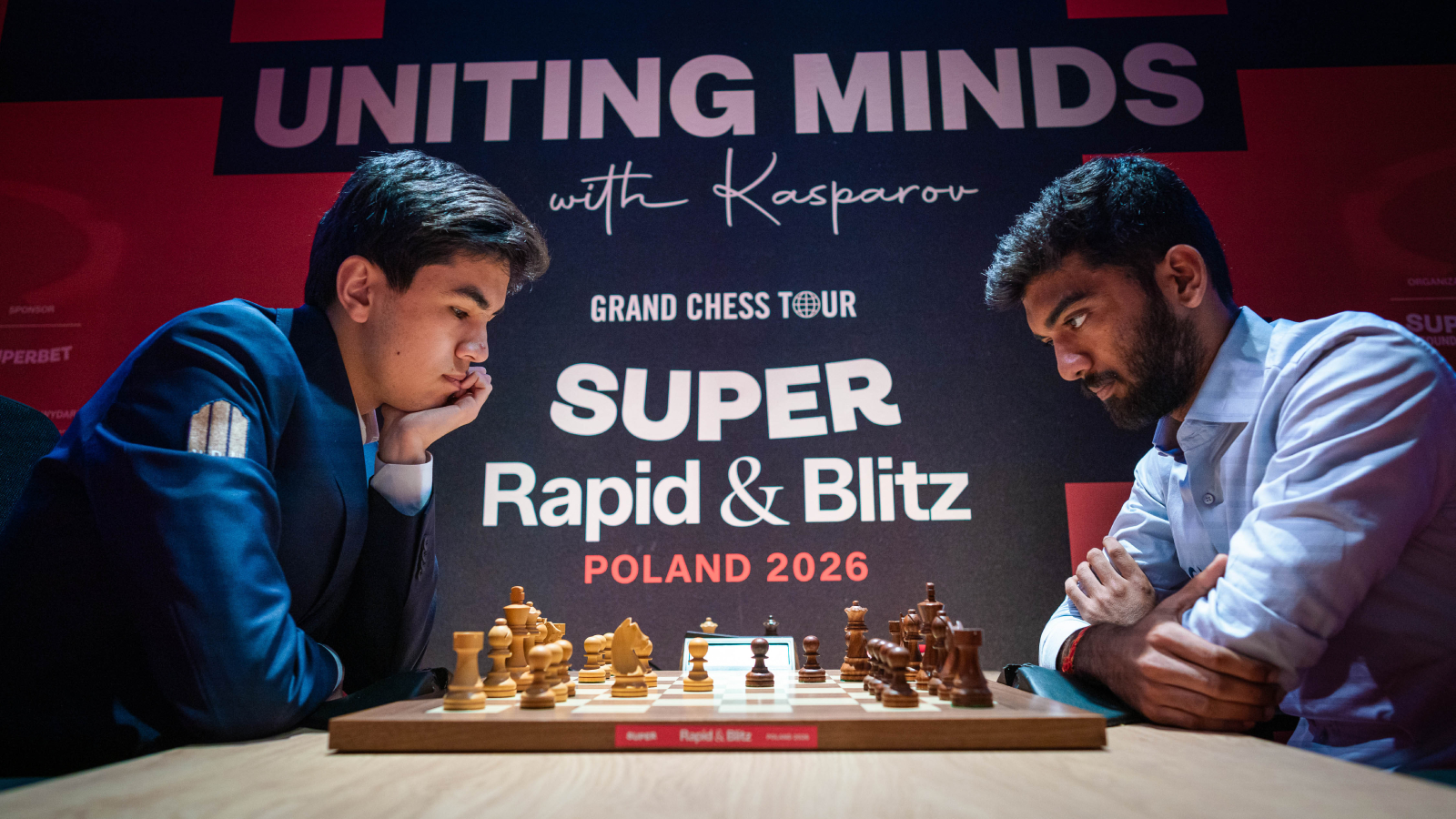
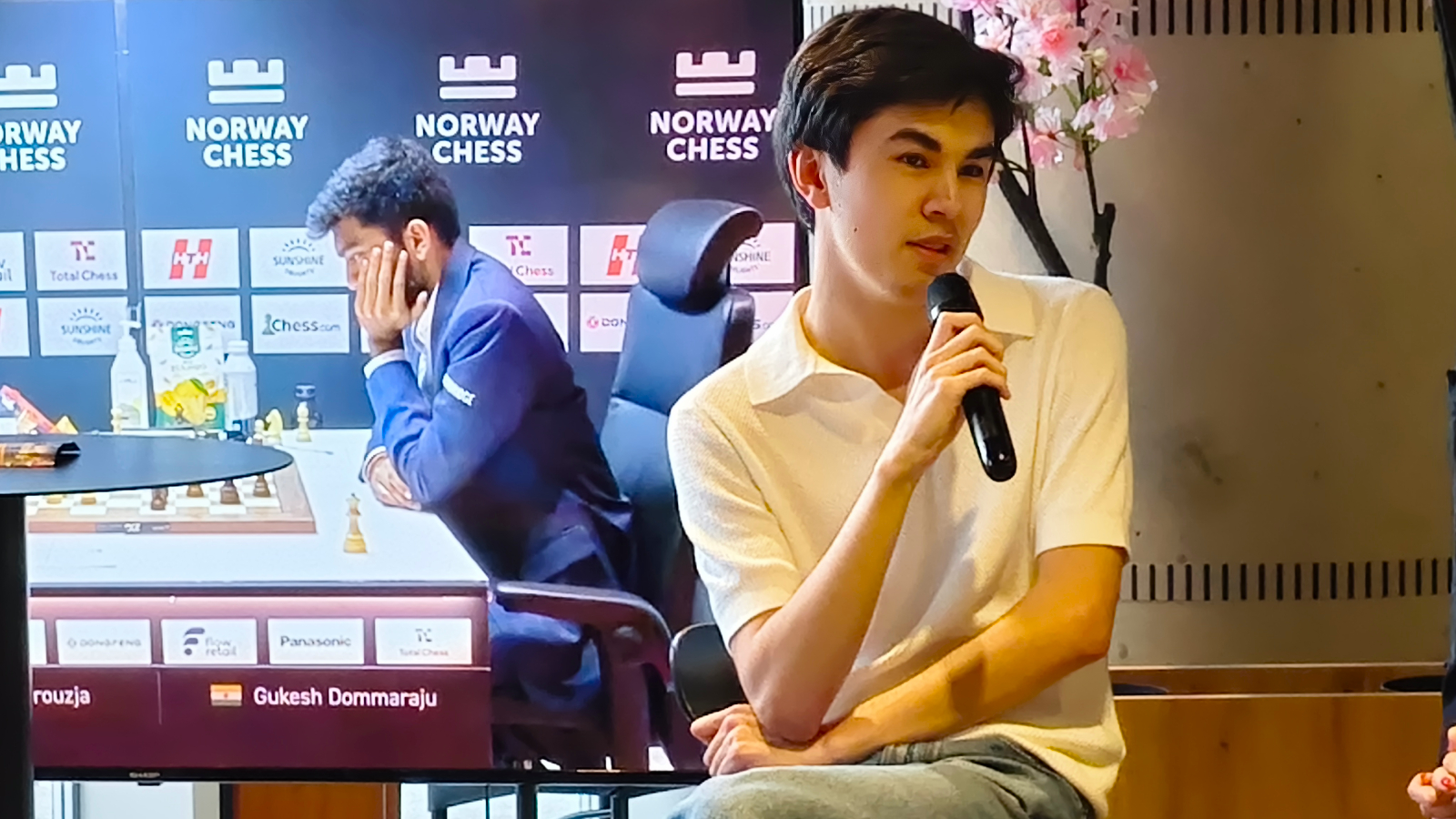
It’s a rivalry that is unparalleled in chess at the moment. Uzbekistan snatched the gold at the 2022 Olympiad on India’s home soil, only for the Indians to win the gold in Budapest 2024 before the Uzbeks claimed the gold again on their home soil of Tashkent earlier this year. Now, two posterboys of both golden generations — Gukesh and Sindarov — clash for the ultimate crown on offer in the sport, the classical World Championship. It will be another installment of the hottest battle in chess at the moment: Vishy’s Children vs Kasimdzhanov’s Kids.
There is a stark difference in the way the Uzbek team is built compared to the Indian team. When Gukesh became world champion two years ago, Praggnanandhaa and Arjun were not part of his team. All three are good friends off the board, hanging out together sometimes during their down time. But when it comes to on-the-board matters, they like to keep their ideas and prep largely private.
The Uzbeks, on the other hand, are a collaborative bunch. At Geneva, Madaminov is again a second for Sindarov after helping him win the FIDE World Cup in Goa and then the Candidates tournament in Cyprus. Also present in Geneva is Vokhidov, while it is not known if he is officially part of Team Sindarov. Abdusattorov, too, has said that he would help Sindarov out with whatever he needs to become world champion.
At the recent Olympiad, this team spirit manifested itself in a unique way.
“During this Olympiad, before each round when we saw the pairings, we would hold a team discussion and we would go one by one for each player and we would all suggest or advise some openings for each player. We would start from board number one, take a look at my opponent, and then everyone would give their opinion about how I should play. Then to the second board and so on. In that way, our friendship became even stronger,” revealed Abdusattorov.
The World Championship in Geneva offers Kasimdzhanov’s Kids another opportunity to remind the world what that airport banner said all those years ago: that they are no less than anyone else. And they never will be.